
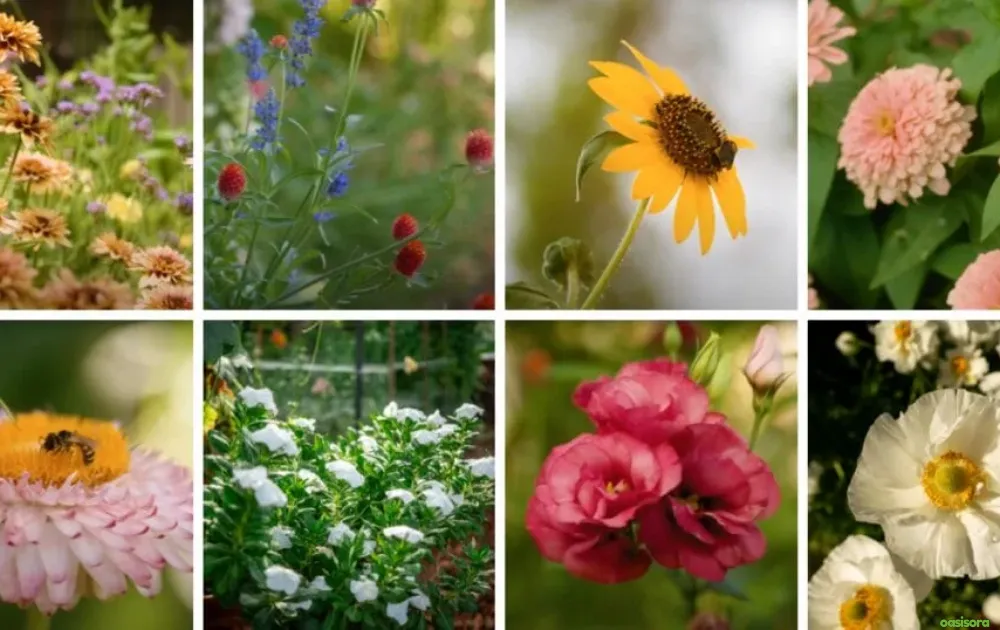
Indeed, the heat in Arizona can be hard on normal plants. Many people try new flowers, but they fade fast or never bloom at all, and it feels sad when the garden stays empty. The good thing is that Arizona wildflowers are different. They love sunshine, dry soil, and warm days. So, they stay bright even when the weather is strong.
The first time I walked along a dusty desert path and saw yellow and orange flowers shining in the light, I realized the desert is not lifeless. It is full of color. With the right flowers, any yard can look alive. Trust me, you can enjoy simple beauty every day, even in a hot summer.
Now, let’s explore the state’s best-fitted plants.
Why Arizona Is Home to Some of the World’s Most Unique Flowers?
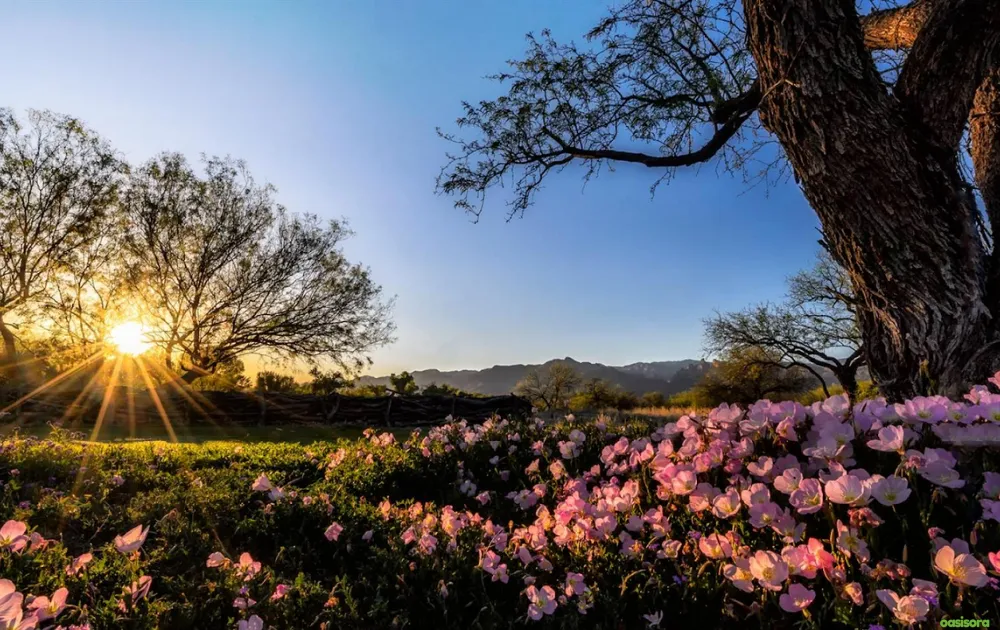
Sunset View with Arizona Flowers
This part of the Southwest has several different places. Some places are cool and green, while others are dry and hot. Because of this mix, a lot of Arizona wildflowers grow here that you won’t see in other states.
From Deserts to Mountains – A Blooming Contrast
Typically, when you drive from the flat desert to the tall mountains, the land slowly changes. The air gets cooler, oxygen and carbon dioxide levels change, and new plants appear. Yellow blooms mostly shine near the sand, while you will see purple flowers sitting on high rocky hills. This sharp contrast makes every trip feel special and aesthetic.
Why Arizona’s Harsh Climate Creates Stronger, Brighter Blooms?
Even though the sun is strong and rain is rare in Arizona, the weather creates surprisingly healthy blooms. Many wildflowers grow deep roots to find water underground because they receive strong sunlight every day. Ultimately, their petals turn rich and bright instead of fading.
Moreover, this harsh climate also makes each plant tougher to withstand all conditions with strength. Sometimes, the desert may appear empty from a distance, but when you get closer, the landscape is full of color and life.
How Native Flowers Support Pollinators & Wildlife?
Birds, bees, and butterflies love these wild plants. They come every day to drink nectar and get pollen from them. When I first watched tiny wings move from bloom to bloom, I felt how busy and connected the wildlife really is. Even on quiet days, their lives revolve around the Arizona flowers because they help them grow and feed, simultaneously.
For example:
- Hummingbirds hover around bright red petals.
- Bees slide over yellow and purple heads.
- Small creatures hide under cool leaves and rest in the shade when the sun is strong.
As detailed by the University of Arizona Extension, these plants and animals need each other for their survival. Flowers give food, water, and shelter to insects and flies; alternatively, they carry pollen to new spots, so more blooms appear next season.
Without flowers, many small lives would suffer in the desert. And without birds and insects, the flowers’ pollen would not spread or return after the heat.
Native Arizona Flowers
Interestingly, the Arizona deserts have many plants that bloom with strong colors even in hot summer climatic conditions. These flowers know how to survive with heat, wind, and little water. Each one brings beauty to local gardens and wild places.
1. Desert Marigold (Baileya Multiradiata)
This yellow flower grows low and wide, like tiny suns spread across dry ground. It blooms easily in full sun and needs very little water, so it fits and grows perfectly in hot areas. Bees and butterflies love visiting its bright yellow, attractive petals. Resultantly, desert marigolds keep coming even when other plants stop.
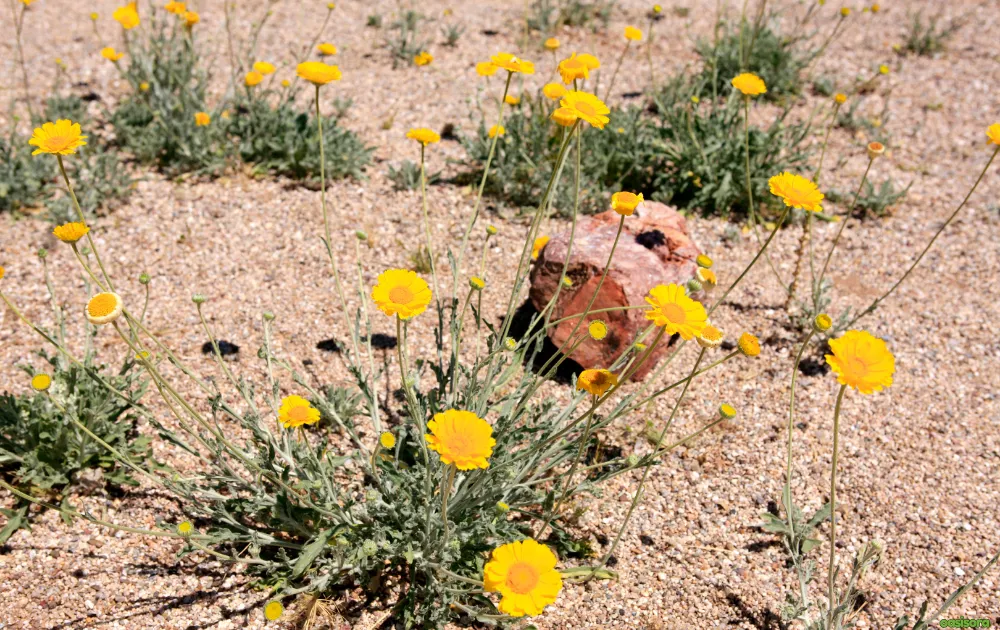
Desert Marigold Flowers
2. Brittlebush (Encelia Farinosa)
Brittlebush is another one of the most common Arizona flowers in the wild. Its silver leaves catch the light, and golden blooms stand high on thin stems. After a soft rain, the hills turn yellow, and the desert looks alive. You can see this plant along roadsides, hiking paths, and open fields, always shining in the bright sun.
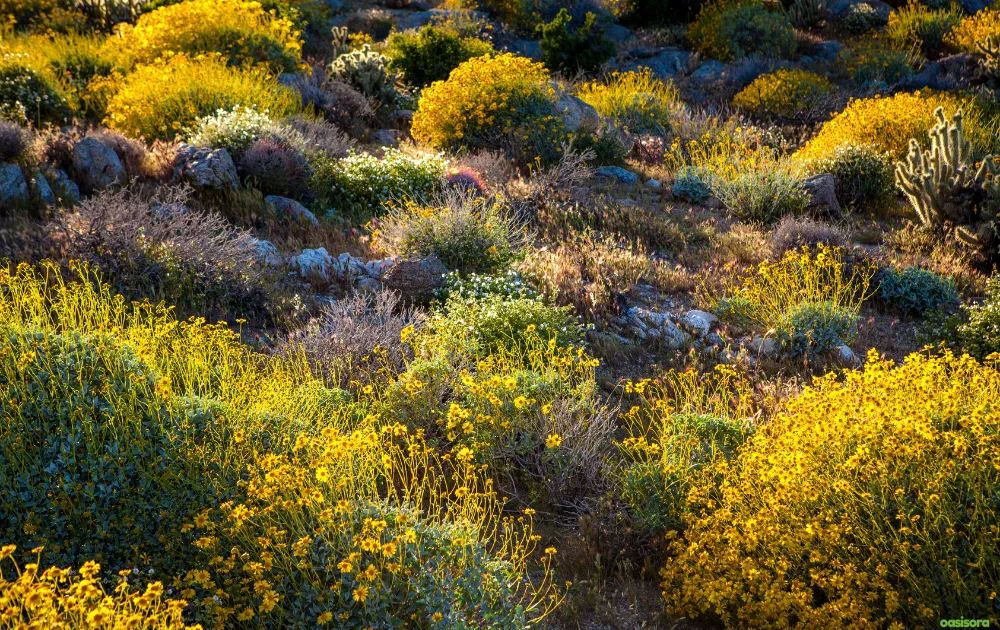
Brittlebush Flowers
3. Chuparosa (Beloperone Californica)
Chuparosa grows as a small bush with red or orange tube-like flowers. Hummingbirds visit these whole day long because these lovely blooms hold sweet nectar. Even with little water, these flowers stay green most of the year, adding warm color especially to rocky corners and sandy spots.
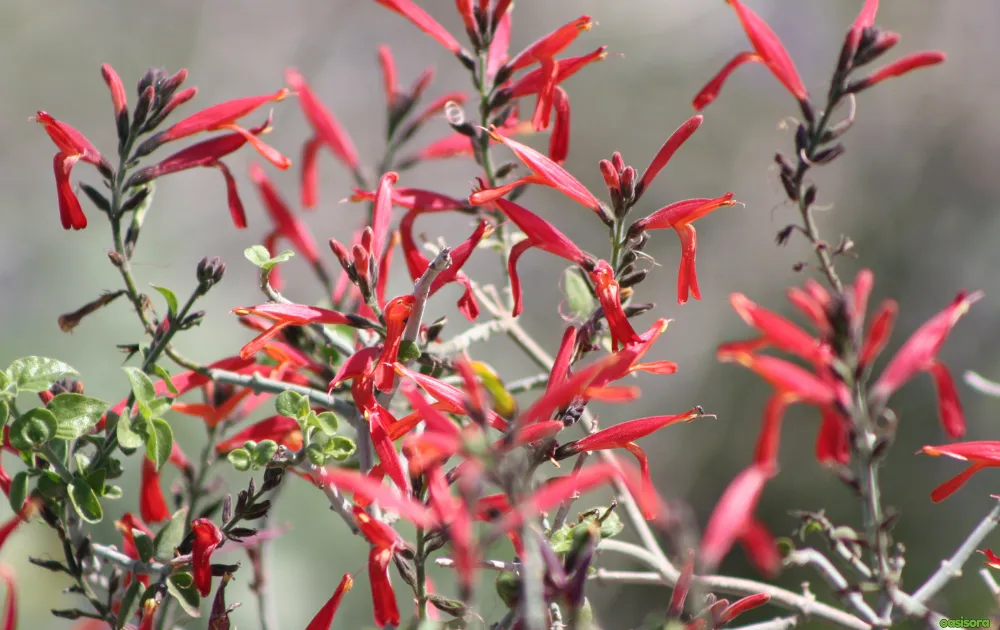
Chuparosa Flowers
4. Fairy Duster (Calliandra Californica)
The fairy duster has fluffy pink threads that look like little brushes. The flowers are soft and bright, with bristles all over. Birds like the sweet juice present inside them. One morning, I sat on a warm rock and watched hummingbirds go over fairy dusters enjoyingly. No doubt, these enchanting flowers made the desert feel quiet yet beautiful.
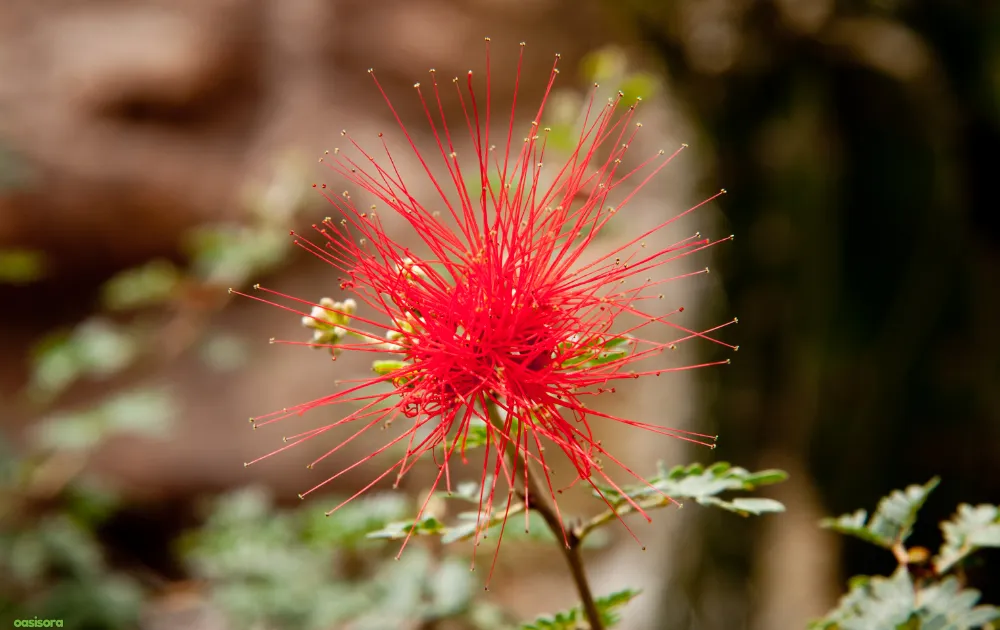
Fairy Duster
5. Desert Globemallow (Sphaeralcea Ambigua)
Desert globemallows bring soft orange cups to sunny places. Their petals open wide, and the plant grows well beside rocks and sand. It stays bright for many hot summer days and adds warm, happy, and eye-catching color to dry land.
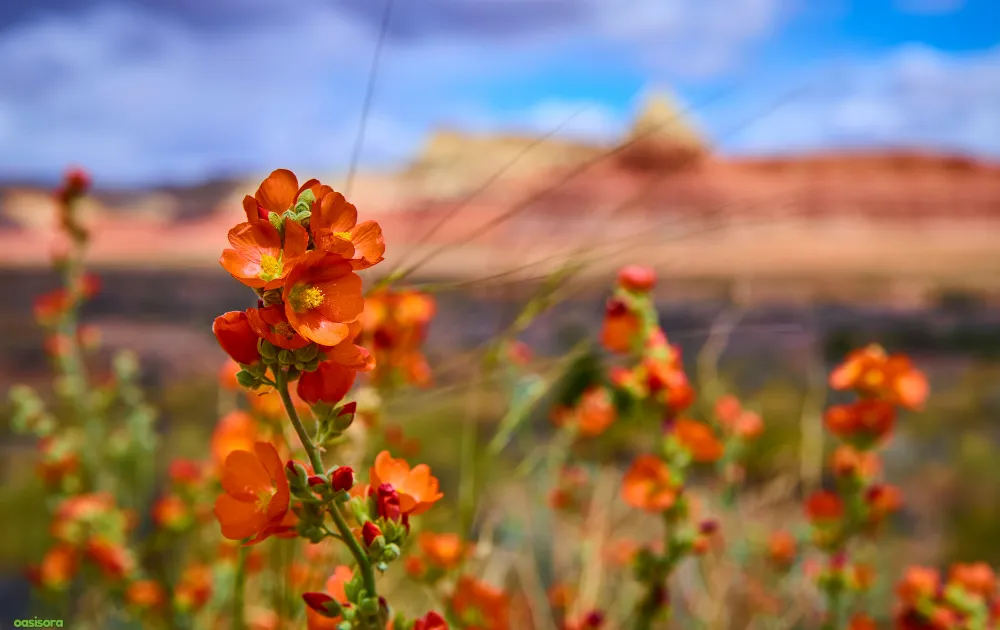
Desert Globemallow
6. Mexican Poppy (Eschscholzia Californica Subsp. Mexicana)
Mexican poppy opens golden petals in early spring. After winter rain, the hills fill with a yellow color, with beautiful poppies spread all around. Many people stop to take photos of these prettiest Arizona flowers. The color looks like sunshine on the ground, and the view brings joy and serenity to the eyes of the viewers.
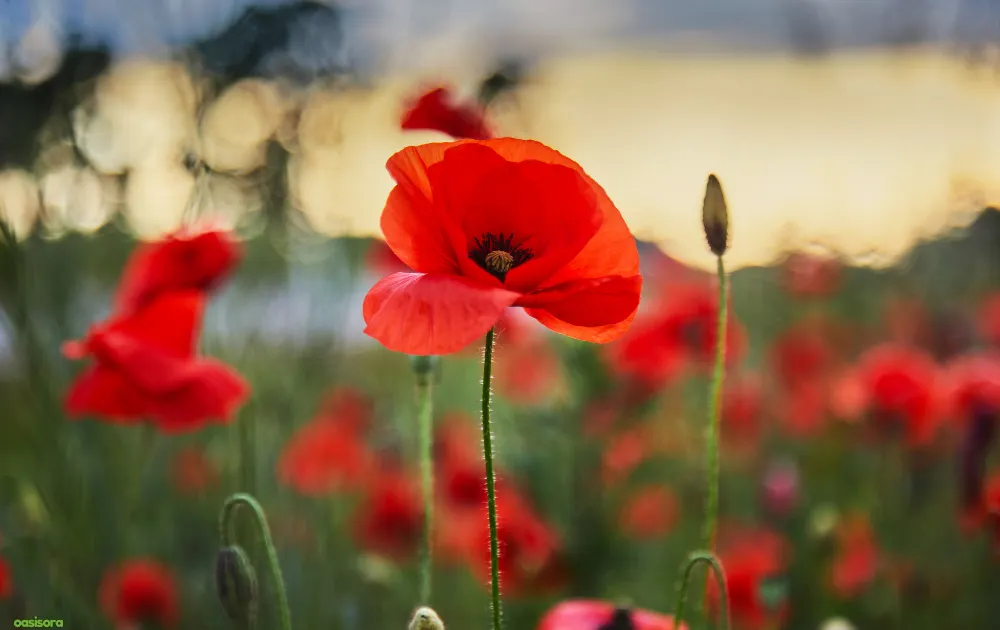
Mexican Poppy Flowers
7. Owl’s Clover (Castilleja Exserta)
Owl’s clover grows in small purple clusters. Overall, it looks soft and fluffy or brushy. It can handle heat and dry soil very well. Bees sit on its tiny petals to feed on its nectar. Moreover, this flower often mixes beautifully with yellow poppies in wide open spaces.
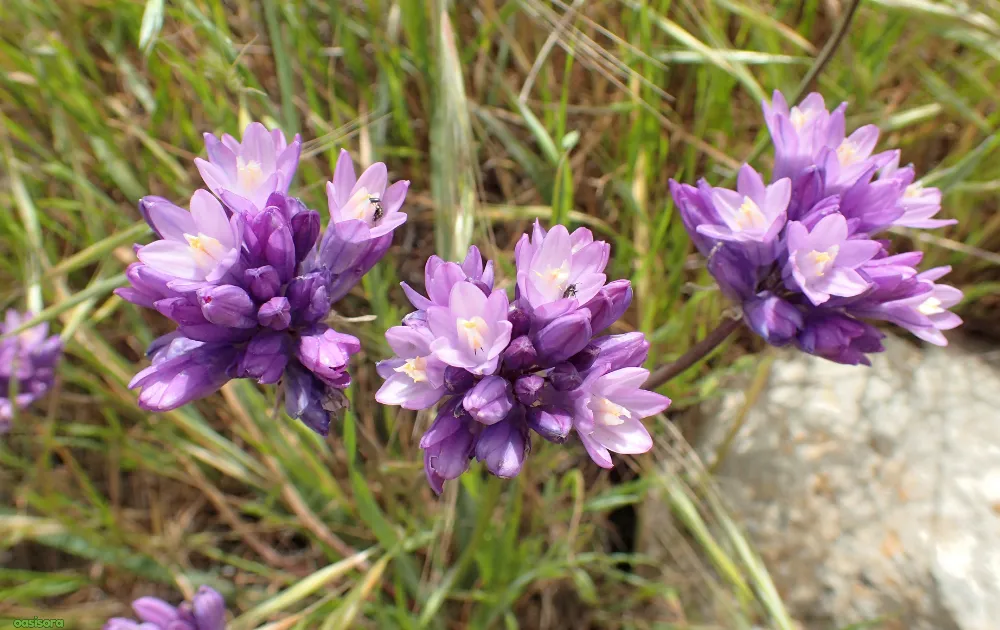
Owl’s Clover Flowers
8. Sacred Datura (Datura Wrightii)
Sacred datura has large white bells that open at night. The flowers glow softly in the dark and attract night insects with a sweet scent and color contrast. This sacred white flower is undoubtedly strong and beautiful; however, it can be harmful sometimes. People should enjoy watching it from a distance and never touch or taste it.
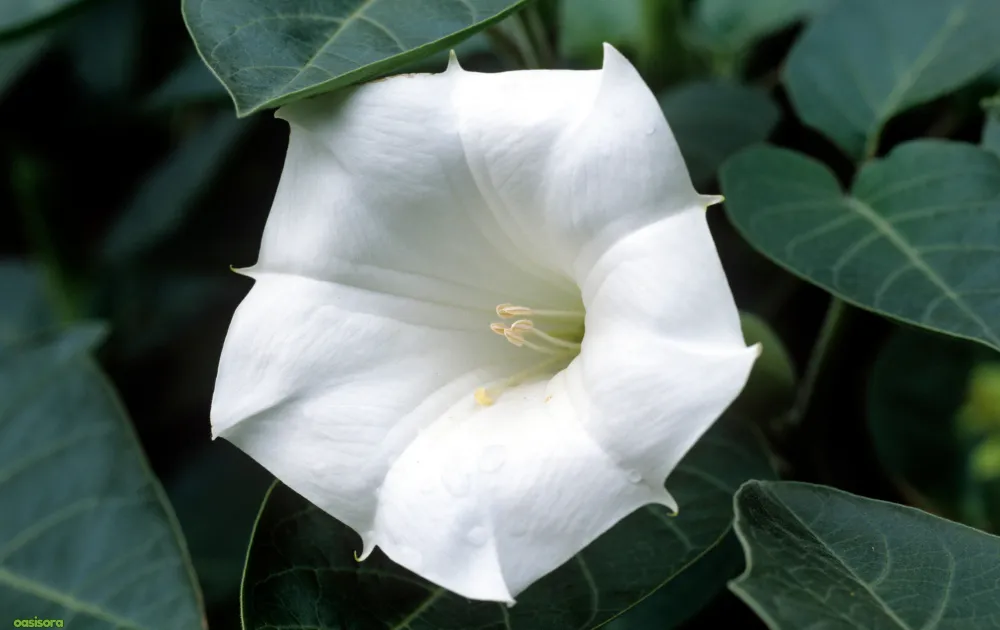
Sacred Datura Flowers
9. Jojoba (Simmondsia Chinensis)
Jojoba is a desert shrub with green leaves and small, simple blooms. It makes strong seeds that produce oil, mostly utilized in making different types of lotions, soaps, and other moisturizing products. This flower grows slowly and fits naturally well with all the other Arizona wildflowers, especially in warm, sunny gardens.
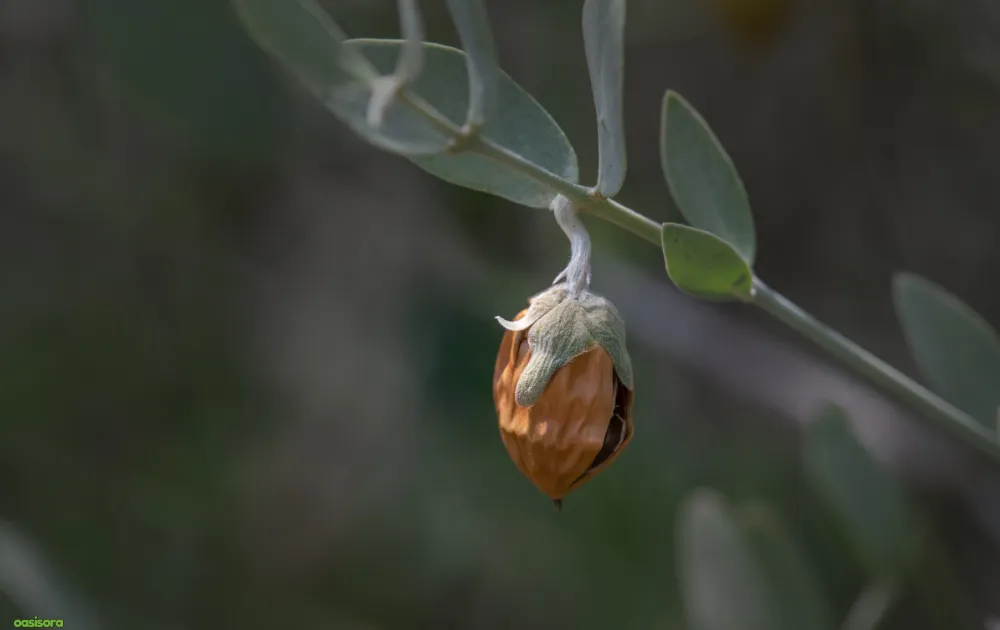
Jojoba
10. Desert Lupine (Lupinus Sparsiflorus)
Desert lupine stands tall with purple-blue petals, each stalk full of tiny blossoms. One spring morning, I walked on a dusty trail and saw the sun shining through the flowers; the whole path looked peaceful beyond words. This plant typically likes rocky soil and adds gentle color to the desert, even on hot summer days.
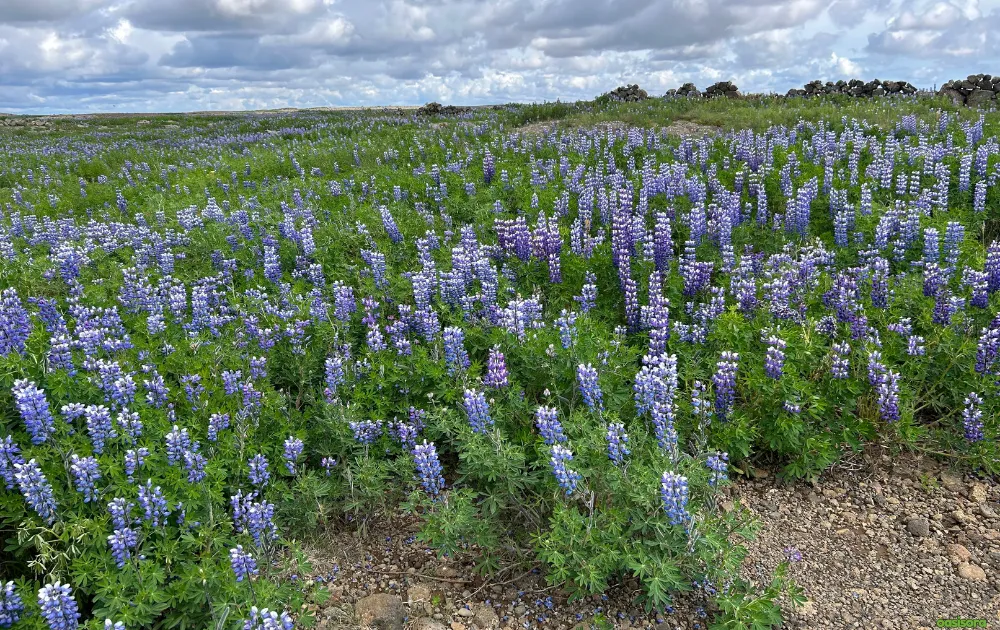
Desert Lupine
Best Heat-Tolerant Flowers to Grow in Arizona Gardens
Some flowers keep blooming even when summer is hot and dry. When you choose the right ones, your space stays full of color from spring to fall, and whole year round. These choices look bright, attract life, and remain happy in warm weather, just like many heat-tolerant Arizona flowers you see in gardens across the state.
Now, let’s see a few most notable ones in a bit more detail:
1. Lantana
Lantana grows as a small shrub with tiny clusters of orange, pink, or yellow blooms. It loves heat and keeps flowering long after other plants slow down. Once this plant settles, it needs very little water, and the leaves stay green even in strong light. Butterflies visit them quite often due to their attractive, pretty color combinations. You can plant it along walls, corners, or borders where the sun hits hardest.
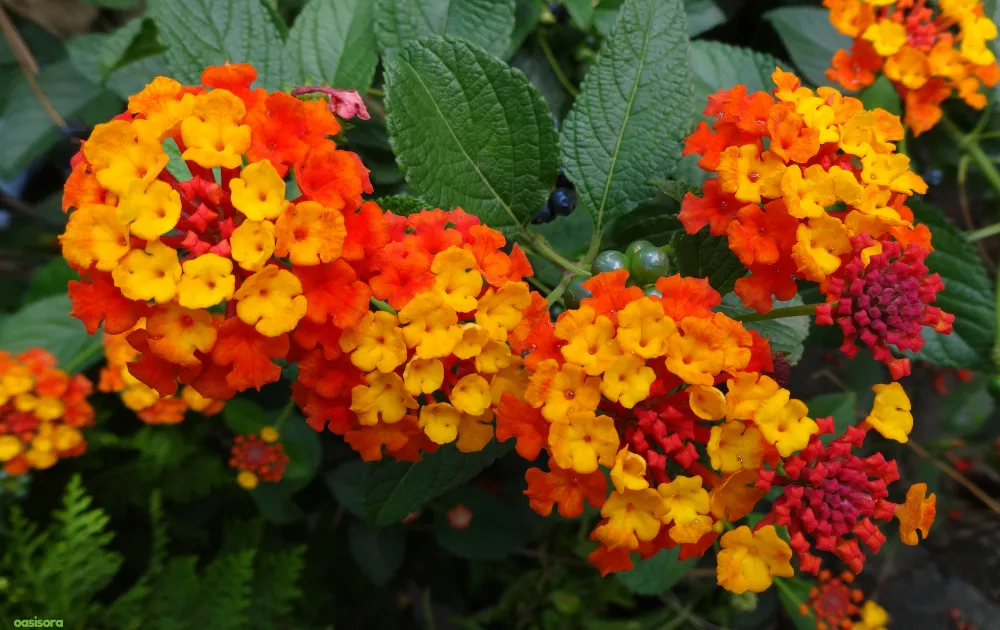
Lantana Flowers
2. Black-Eyed Susan
Black-eyed Susan brings bold yellow petals and dark centers that stand out in any yard. The blooms appear in summer and stay for many weeks. Even with little care, the flower grows well and attracts many bees and small birds. It likes bright sun, but somehow, afternoon shade makes it happier in very hot places. Furthermore, these flowers also make wonderful cut stems for a simple, happy display indoors.
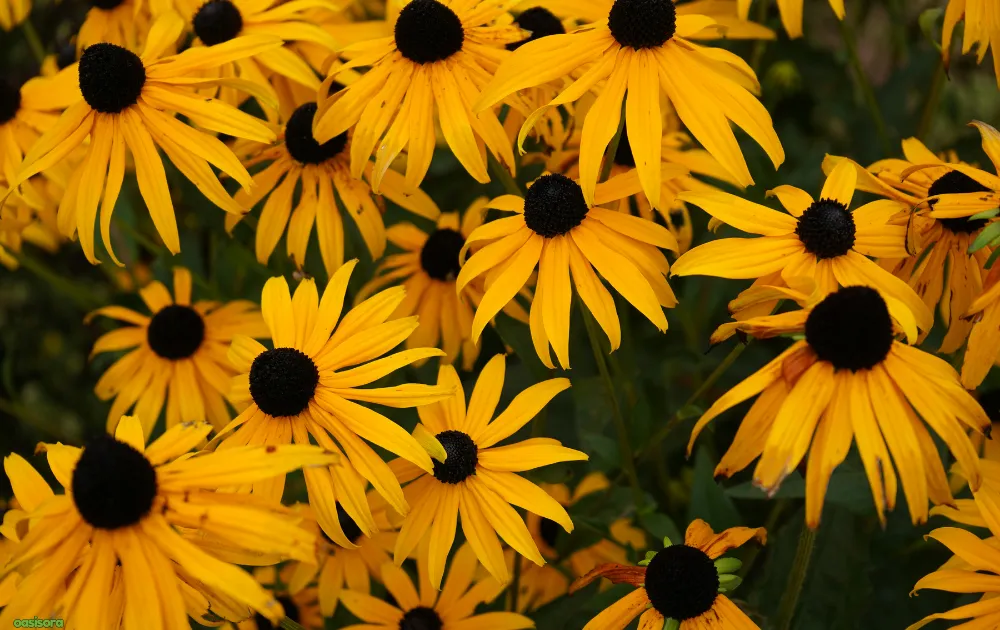
Black-Eyed Susan
3. Coreopsis
Coreopsis is a small bush that grows red or orange tube-shaped flowers. Because the flowers have sweet juice, hummingbirds come by the whole day long to feed and enjoy. The plant stays green for most of the year, even with little water. Overall, these blooms add a bright color contrast, especially to rocky and sandy places.
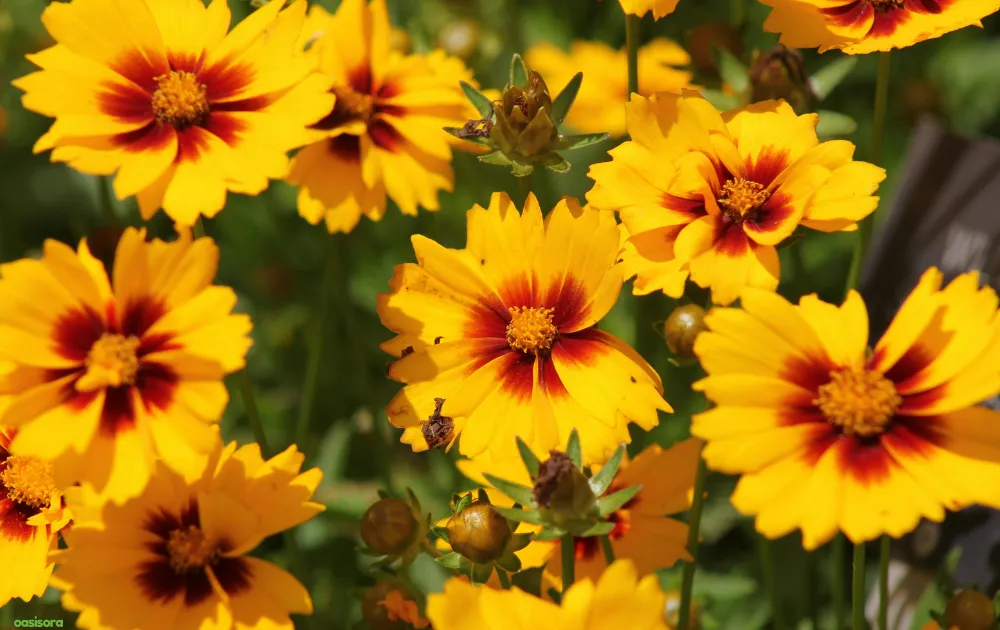
Coreopsis
4. Penstemon
Penstemon grows tall spikes with bell-shaped flowers in soft pink, lavender, and red. Hummingbirds stop over these blooms all day because they hold sweet nectar. The plant needs little water once rooted and stays bright in sunny spots. Once, I watched small birds hover over each stalk; the sight was worth viewing; the garden felt bright and quiet at the same time.
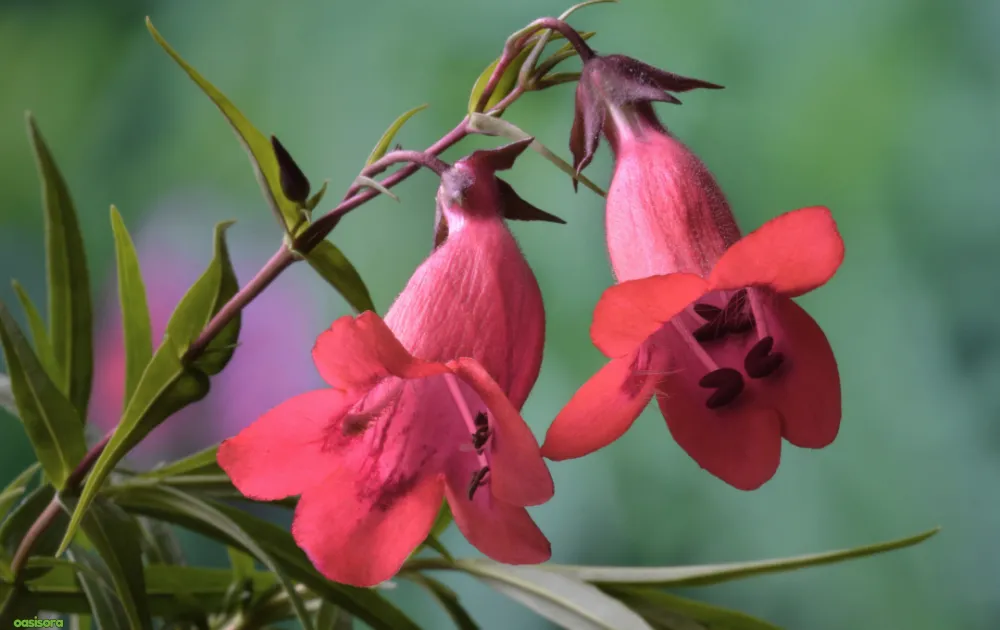
Penstemon
5. Salvia
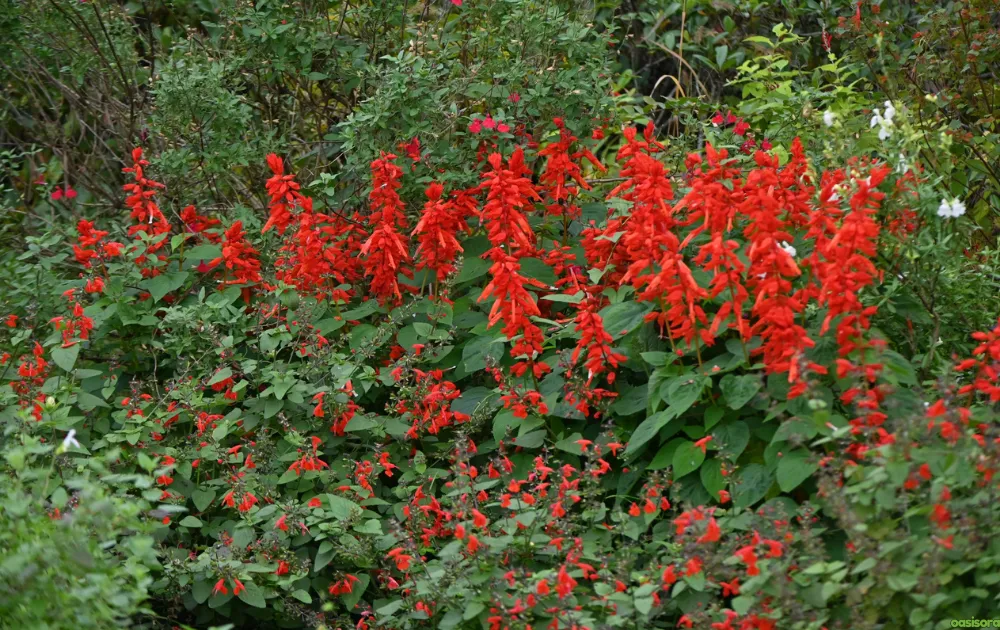
Salvia brings strong color in purple, red, or blue. It keeps blooming from spring to winter in warm places. The plant can handle heat and dry days, and it grows well in pots or beds, while the flowers sway gently when the wind moves through. Bees and butterflies love it. If you trim old blooms, new ones appear quickly, making this plant perfect for long seasons.
Salvia
6. Zinnia
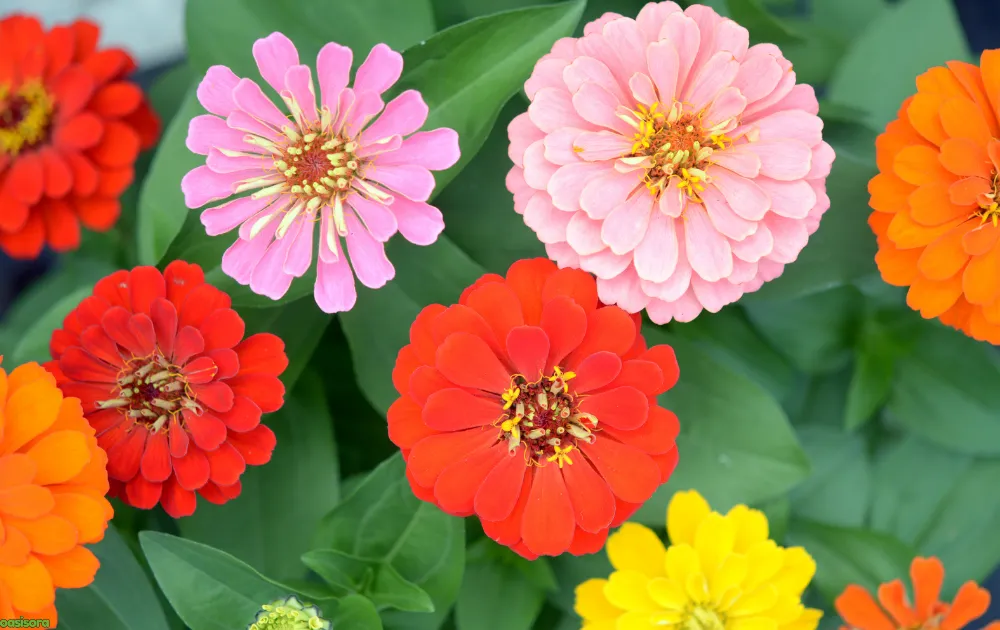
Zinnia is easy to plant and always adds cheerful beauty to any garden. You’ll find them in different forms, from soft, round blooms to taller stems that sway gently in a breeze. They open fast in warm soil and bloom the whole summer with bright pink, orange, yellow, or red shades. Even a small space can look colorful with just a few zinnia seeds. These blooms readily bring hummingbirds, bees, and butterflies to gardens due to their attractive colors.
Zinnia
7. Angelonia
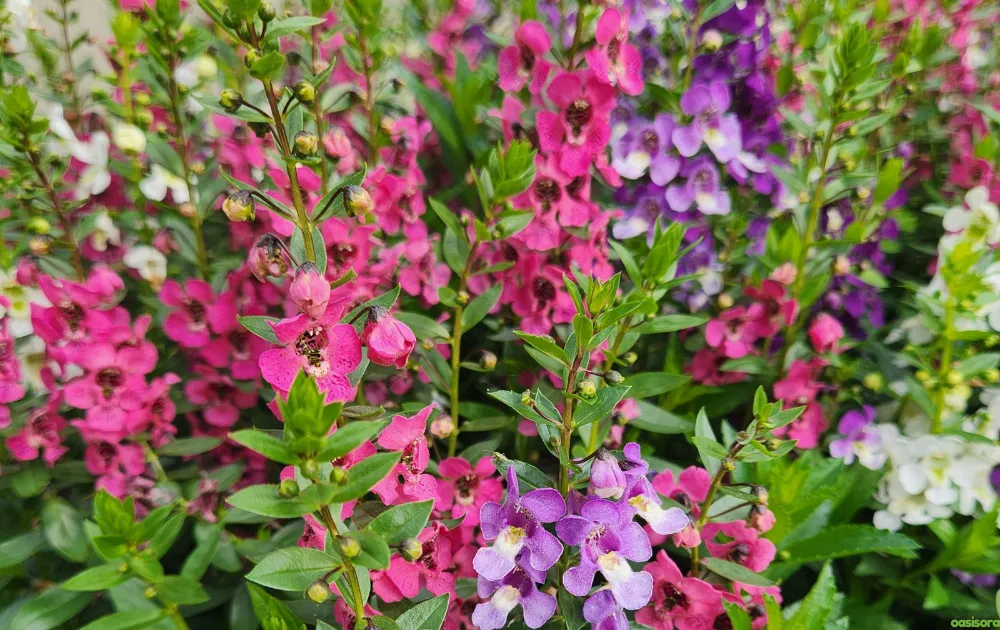
Angelonia creates tall spikes covered in tiny purple, pink, or white flowers. It loves strong light and stays upright even when the air is hot. Gardeners sometimes call it the “Summer Snapdragon” because it can bloom even through the hottest months. It grows well in containers, patios, and borders.
One morning, I brushed past a row of these blooms and felt a soft scent while bees moved around them. The whole space looked bright, calm, and peaceful. In short, Arizona flowers keep their color even in strong heat. A light breeze makes the flowers move gently and appear more beautiful, giving any yard a refreshing joy.
Angelonia
8. Gaillardia
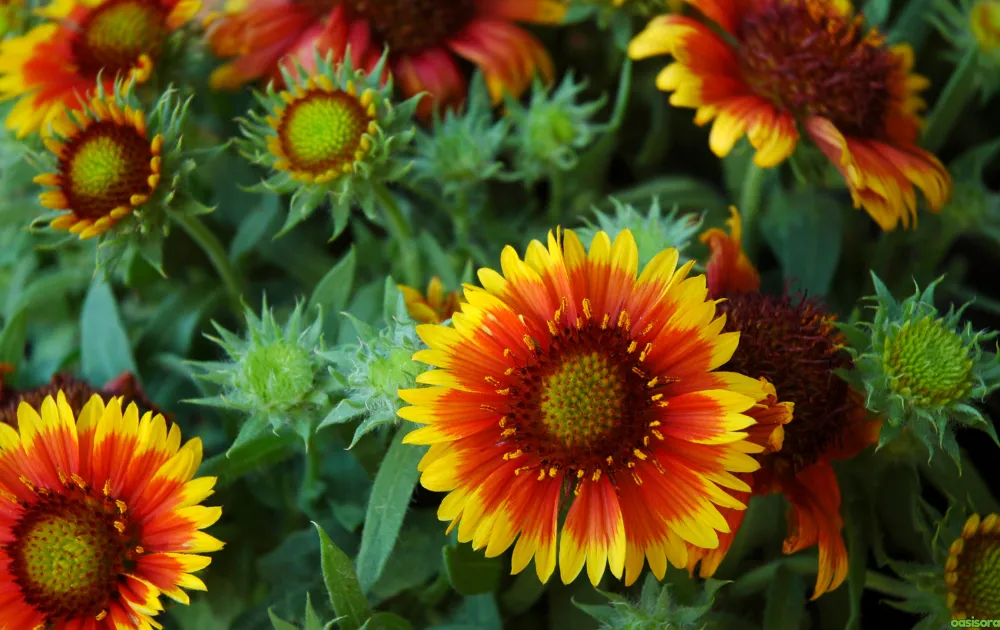
Gaillardia, also known as blanket flower, brings red and yellow petals that look like warm sunlight. This plant thrives in rocky soil and needs little care. It blooms from spring through fall and handles drought easily. When planted in groups, the flowers spread like a bright blanket across the ground, adding charming colors to sandy spaces or wide open beds. Bees love the center of each flower to feed on their nectar and visit quite often.
Gaillardia
Seasonal Blooms: When Arizona Flowers Come to Life?
Different seasons bring different colors. Some plants wake up early after winter rain, while others wait for the hottest days. When you look around, you see how strong Arizona flowers are when they bloom at the right time and fill the land with refreshing life.
1. Spring
Spring is the most exciting time for flowers. After soft winter rain, the desert changes quickly. Yellow poppies, purple lupines, and white daisies beautifully open at the same time. When you drive or hike, whole hills look painted with contrasting colors. Even a short walk feels special, because every corner has something new to attract the eye. Moreover, this is the season when many Arizona flowers call birds, bees, insects, and butterflies to visit every day, and spread pollens all over the ground for the coming seasons.
2. Summer
Summer is hot, yet many Arizona flowers still bloom with bright strength. Lantana, salvia, and zinnia especially grow in full sun. They retain their bright petals even when days are long and dry, but the blooms still look fresh. These plants prove that heat does not stop a garden. Instead, summer is full of color in many yards because these flowers are made for sunlight.
3. Fall
Fall brings softer weather. The sun is still strong, and the ground is warm. Gaillardia, penstemon, and black eyed susan keep flowering when other plants are tired. Gardens look calm, while the colors turn deeper. You can sit outside and enjoy cool evenings while butterflies still visit. Fall blooms stretch the season beyond and give off a gentle finish before winter arrives.
4. Winter
Winter is short, but it still offers life. Some plants rest, yet others stay green and strong. Snapdragons, pansies, and desert marigolds can handle cool nights well. When mornings are cold, and the air feels quiet, flowers open slowly. Even during this time, small touches of color make patios and front yards look warm and welcoming.
In short, with the right choices, Arizona flowers can show beauty all year round.
Where to See Wildflowers in Arizona?
In general, there are many places where the land opens wide, and color fills the view. When the season is right, you can take a short drive and see hills covered in bright blooms. These spots are easy to reach and among the best places to enjoy the serene beauty of Arizona flowers in their natural habitat.
i) Superstition Mountains
The Superstition Mountains rise tall with rocky peaks and warm valleys. In spring, yellow and orange flowers appear along their trails. Lupines grow near the base, while poppies shine in the sunlight. When you walk early in the morning, the air feels cool and fresh there. You can stop and look around, noticing that every step has its own small patch of color.
ii) Picacho Peak State Park
Picacho Peak is famous for waves of golden blooms. After rain, the slopes turn yellow, and the view brightly stands out against the dark mountain. Moreover, the flowers move gently when the wind passes. You can either follow short paths or climb higher if you like adventure. Many hikers pause to take photos before they continue moving up.
iii) Catalina State Park
Catalina State Park is not far from town, but it still feels wide and natural. This place has tall cacti, green trees, and colorful, petaled flowers under the sun. During bloom season, poppies, lupines, and desert marigolds grow together. You can enjoy the quiet sound of birds while you look at the breathing flowers of Arizona flowers there.
One morning, a neighbor mentioned she visits this place, particularly at sunrise, to see the light directly falling on the flowers. She pointed to a small area near the trail where many orange petals were on the ground, making the desert look bright and fresh as the day started.
iv) Bartlett Lake
Bartlett Lake shines with blue water and warm hills around it. When spring comes, bright petals appear on both sides of the lake. If you stand close to the lake, you will notice yellow flowers on one side and purple flowers on the other. The water is quiet, and the plants are widespread, making the place feel alive, enchanting, and peaceful.
v) Saguaro National Park
Saguaro National Park is filled with tall cacti that stand like silent guards. In spring, desert blooms open at their feet. Small flowers fill the ground, while cactus blossoms appear near the tops. Early hikes are the best, because at that time the light is soft and the air is cool. When the sun rises, colors become stronger, and the whole desert feels awake and strong.
Tips for Growing Flowers in Arizona’s Desert Climate
Growing blooms in hot weather look hard at first, but with a few simple habits, plants stay strong and colorful all year. Many Arizona flowers survive heat, wind, and dry soil, so the garden becomes easier to manage when you understand how to care for them the right way. Most of these tips work well even in small yards, front porches, and large landscapes, too.
Choose the Right Location – Sun vs. Shade
Although many Arizona flowers need strong sunlight, not every plant likes the same amount. Areas that get morning sun are safe for most blooms, while afternoon shade protects delicate petals from the hottest hours. You can watch where shadows fall in your yard and place plants that match those spots, according to their individual growing needs. This simple step keeps flowers happy while retaining their water-holding capacity for a long time.
Water Deeply, But Infrequently
In dry soil, plants grow better roots when they get water less often but in larger amounts. Instead of giving a little water every day, soak the soil deeply and then wait for it to dry. Flowers reach down to find moisture and become tough in the heat. I once tried this method and saw my plants become stronger during the hotter days.
Use Mulch to Protect Roots
Mulch keeps the ground cool and holds water longer. Small stones, wood chips, or dry leaves can cover the soil around the stems. They stop weeds and protect roots from the burning sun. When you walk past a mulched garden, the air always feels cooler. Also, the blooms in a well-mulched area stay bright for a longer time.
Mix Natives and Ornamentals for Balance
The Desert Botanical Garden suggests native plants are strong, and ornamentals add extra color. When you use both types of plants together, the garden looks fuller with a tremendous variety to behold. Desert marigolds can grow next to roses, and small cacti can fit between soft petals. With this easy mix, Arizona flowers look natural and beautiful whole year long without much work and effort.
Best Soil and Fertilizer Practices for Arid Landscapes
Sandy or rocky soil drains fast, so flowers need a little compost or aged manure to hold moisture, especially during heat. However, you do not need heavy fertilizer. Even a light feed during the growing season is enough for steady blooms. The best gardens here have loose soil that lets roots breathe and expand, even under strong sun.
Arizona Flower Inspiration Gallery
Here you can enjoy simple ideas that show how pretty a dry garden can look when the flowers are placed in their right places, in perfect symmetry. When you add stones, small plants, and soft colors together, even a hot yard can feel and look breathtakingly beautiful.
The following scenes can help you picture how Arizona flowers can be fitted into any space with enhanced beauty and charm.
Desert Front Yard
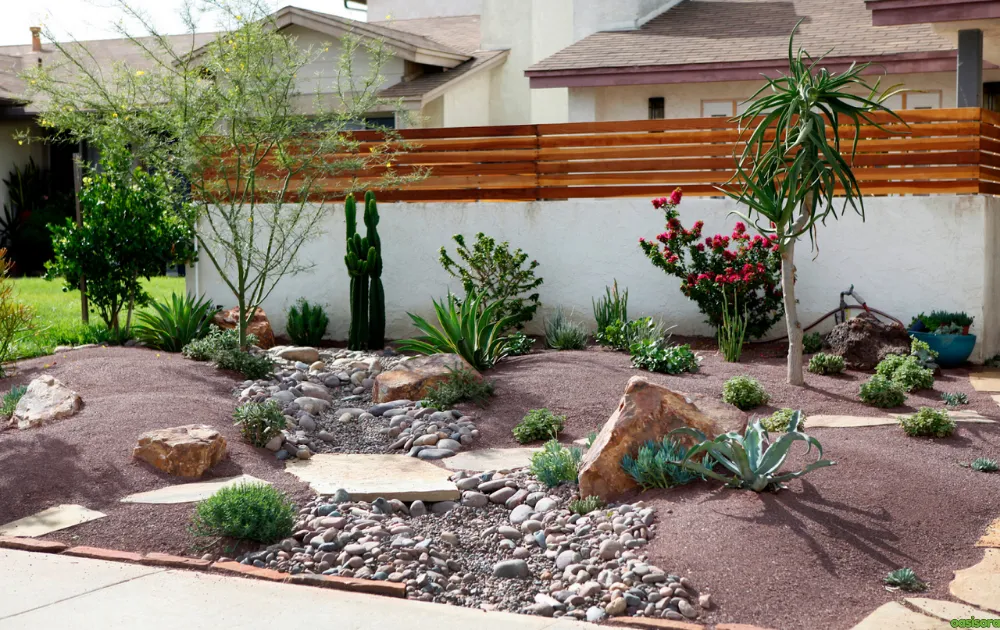
Tidy Yard with Blooms
A tidy yard with yellow blooms and smooth rocks makes the place sturdy, warm, and welcoming.
Wildflower Field After Rain
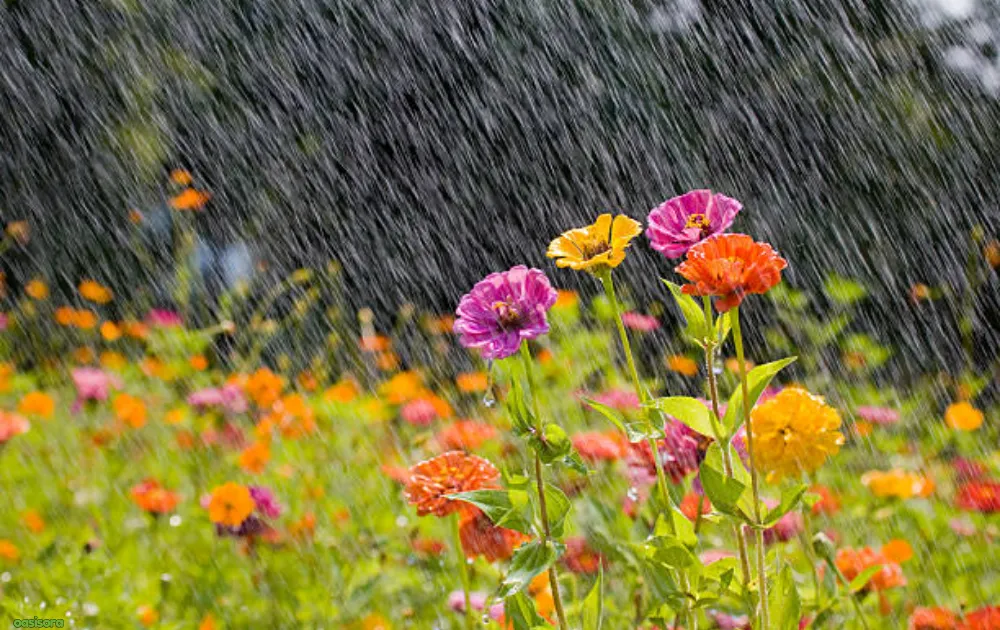
Arizona Wildflower with Rain
Different colored flowers, especially yellow and gold, spread across the land, glowing softly in the morning sun.
Garden Path with Mixed Plants
A small path becomes beautiful when different colored flowers and tiny green shrubs grow along its sides.
Cactus and Soft Flowers Together
Tall cactus stands strong while light pink flowers grow below, creating a nice balance of shapes.
These small examples show one thing clearly: When you choose the right plants, any desert can look colorful, gentle, and full of life.
Final Thoughts –
Bringing Arizona’s Desert Blooms Home
Bringing Arizona wildflowers into your yard is more than adding color; it feels like inviting nature to stay with you. The heat may be strong, but they handle it well. Also, these blooms stay bright, attract little visitors, and make the space peaceful whole year long. Even small corners look fresh when native plants mix with your garden favorites. You can start with one pot, a sunny bed, or a pathway, and watch how quickly flowers change the mood and vibe of your home and yard. Every petal reminds you that the desert is not empty at all; it is full of life, strength, and serene beauty every single day.
FAQs
What grows best in Arizona heat?
Plants that thrive in sunlight, require minimal water, and excel in hot weather, such as marigolds, brittlebush, and lantana, grow best in this state.
Do Arizona wildflowers need a lot of water?
No, deep watering once in a while is better than small water every day. This helps roots grow strong and sturdy.
When is the best time to see wildflowers?
Typically, spring is an amazing time to see wildflowers after winter rain, but some Arizona flowers bloom in summer and fall along trails and in parks.
Can I grow flowers in rocky soil?
Many desert flowers generally like loose, sandy soil. But, yes, you can add a little compost to make the plants settle easily in less time.