
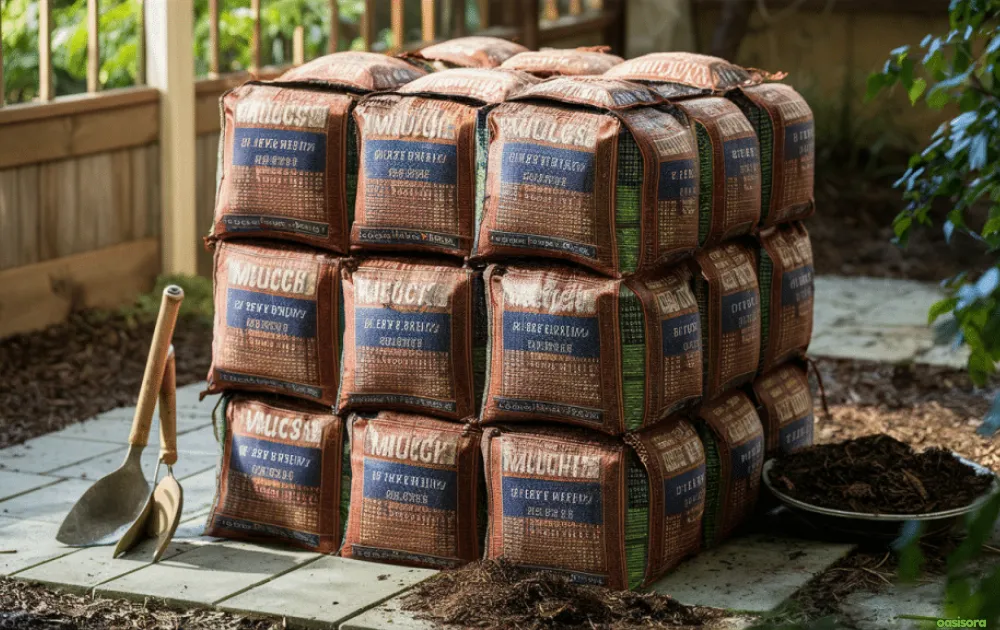
How many bags of mulch are in a yard is one of the first questions every gardener faces. Most mulch comes in 2-cubic-foot bags, and since a yard equals 27 cubic feet, you’ll need about 13–14 bags to make one cubic yard. I remember the first time I worked this out, it saved me extra trips and wasted money.
Today, in this guide, I’ll break it down step by step from yard size and bag weights to coverage, costs, and pro tips so you’ll always know exactly how much mulch to buy.
What Is a Cubic Yard?
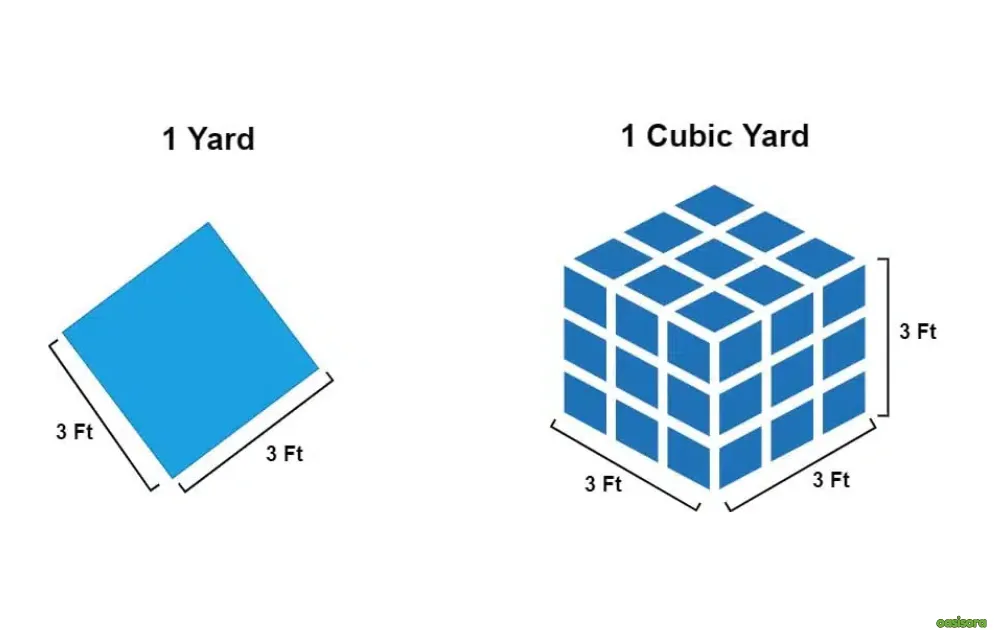
Cubic Yard
Typically, a cubic yard measures space. Think of a box 3 feet long, 3 feet wide, and 3 feet high. Together, that makes 27 cubic feet. When we talk about mulch in bulk, we use this size.
Every landscaping job requires an understanding of cubic yards. It helps you estimate how much material will be used to cover the boundaries of your grass, garden beds, and pathways. Without this metric, it’s simple to make a mistaken assumption and purchase more or less than you actually need.
I still remember my first big garden project when I didn’t know what a cubic yard meant. I learned it equals 27 cubic feet, which made planning so much easier. Now whenever someone asks me how many bags of mulch are in a yard, I can explain it in seconds.
How Big Is a Bag of Mulch?
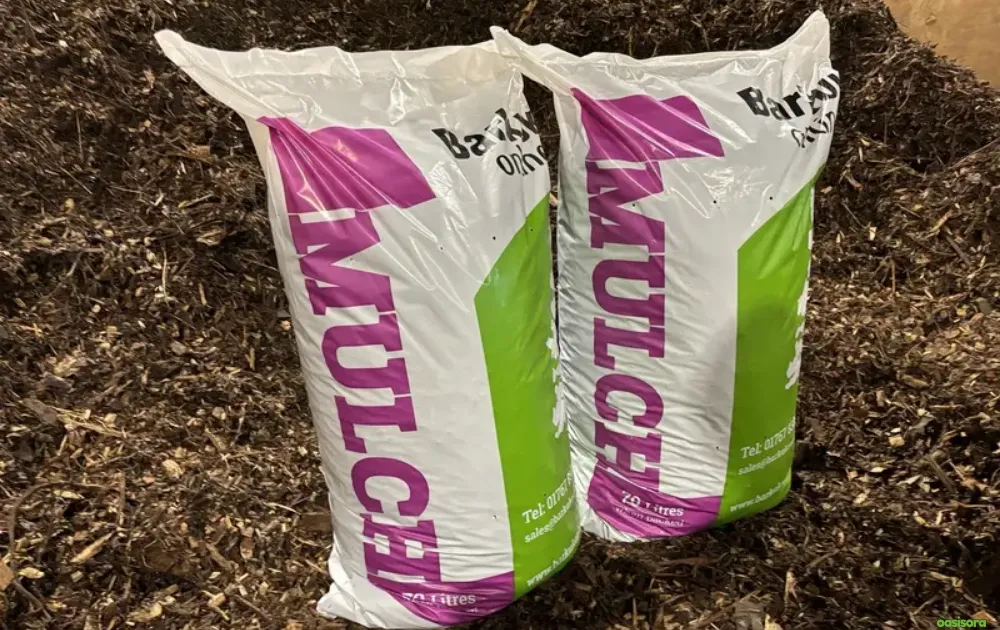
Size of Mulch Bag
When planning a garden project, knowing the bag sizes is crucial. This makes it easier later to calculate how many bags of mulch are in a yard.
Standard Bag Sizes (2 cu ft, 3 cu ft)
Generally, the most common mulch bag is 2 cubic feet. It’s easy to lift, store, and spread. Many garden stores sell 3-cubic-foot bags, which give you more mulch in one go and reduce how many bags you carry home. Smaller 1-cubic-foot bags are sold too, though you don’t see them as often.
Once, I used 3-cubic-foot bags for a big bed, and it saved me from hauling too many. However, for small spots, I stuck to 2-cubic-foot bags since they’re lighter.
Typical Weights (Light vs Heavy Mulch Types)
The weight of mulch bags changes based on type and moisture.
- A 1-cubic-foot bag can weigh 20–30 pounds
- A 2-cubic-foot bag usually weighs 40–50 pounds
- A 3-cubic-foot bag can be 60–70 pounds
Pine straw and other light mulches don’t weigh much, but bark or compost can feel heavy. If carrying weight is hard, smaller bags are easier to handle, even if it means buying a few more.
The Quick Math – Bags to Yards Conversion
Mulch Calculations
Once you understand the numbers, it becomes very simple for you. One cubic yard has 27 cubic feet. That means about 13–14 bags if each bag is 2 cubic feet. If you use 3-cubic-foot bags, you’ll only need 9 to make a full yard.
I once saved myself from buying extra just by keeping this math in mind. Having these numbers ready makes it easy to answer how many bags of mulch are in a yard without stress.
Conversion Table for Easy Reference
| Bag Size | Bags per Cubic Yard |
| 1 cu ft | 27 bags |
| 1.5 cu ft | 18 bags |
| 2 cu ft | 13-14 bags |
| 2.5 cu ft | 11 bags (rounded) |
| 3 cu ft | 9 bags |
This quick chart saves you from doing math each time. Just match the bag size you’re buying, and you’ll see right away how many mulch bags make up one cubic yard.
Coverage: How Much Mulch Do You Really Need?
When you work out how many bags of mulch are in a yard, the next step is coverage. How deep you spread it decides how far one yard will go.
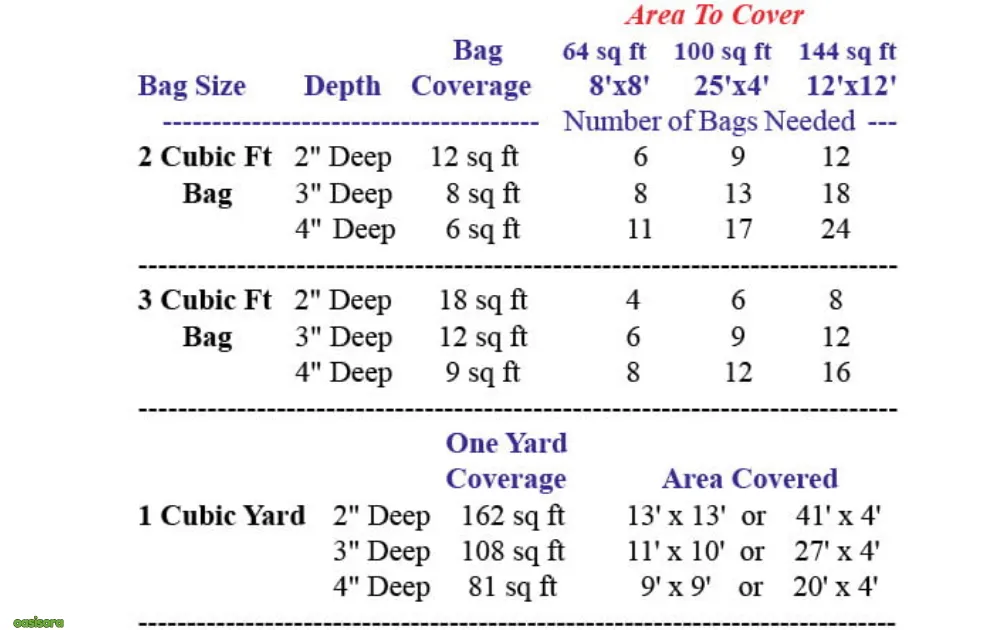
Coverage of Mulch for Yard
By Depth (2”, 3”, 4”)
First, think about depth.
- At 2 inches, one yard covers 162 sq ft.
- At 3 inches, a single yard covers 108 sq ft.
- At 4 inches, it covers about 81 sq ft.
The University of Maryland Extension says mulch works best at 2–3 inches. This depth protects roots and keeps weeds down. For new beds, 2 to 3 inches is enough, but for weedy areas, 3 to 4 inches is better.
By Project Size
Next, match the area to a simple plan (using 3 inches as a guide):
- Small bed (50 sq ft): ~0.5 yard → about 7 bags of 2 cu ft.
- Medium garden (200 sq ft): ~1.85 yards → about 25 bags of 2 cu ft.
- Full area (500 sq ft): ~4.65 yards → about 63 bags of 2 cu ft.
If lifting is hard, smaller bags help, even if you buy a few more.
Example Calculation
Now, let’s do it together.
- Measure: 12 ft × 8 ft = 96 sq ft.
- Pick depth: 3 inches.
- Use the yard formula: “96×3” ÷ 324 = 0.89 yards.
- Convert to 2-cu-ft bags: 0.89 × 13.5 ≈ 12 bags.
I once used this exact method for a side bed and, for the first time, I didn’t need a second trip.
Bulk Mulch vs. Bagged Mulch – Which Should You Buy?
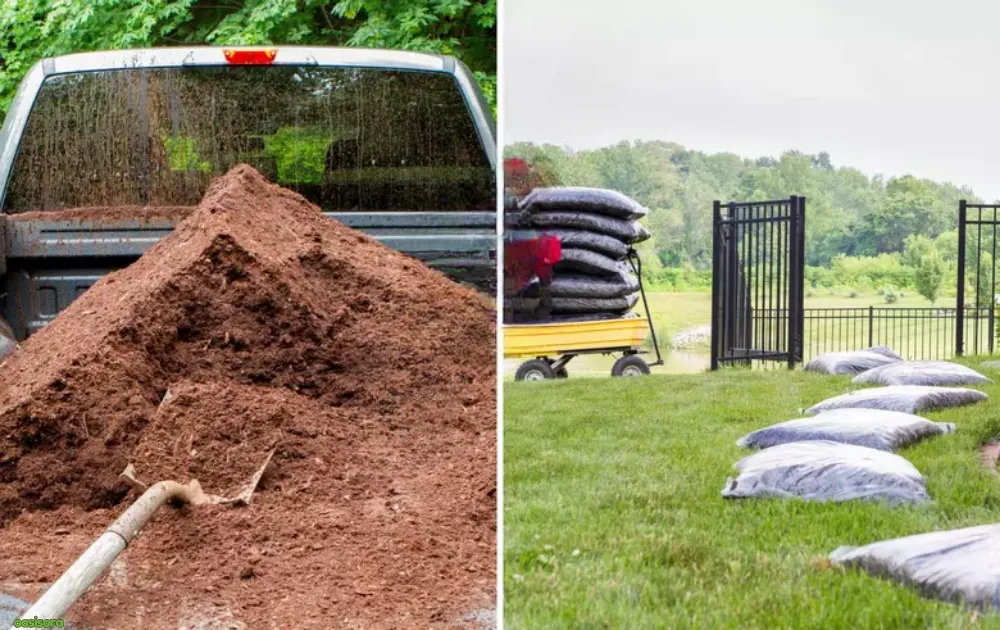
Bulk Mulch vs. Bagged Mulch
Once you know how many bags of mulch are in a yard, the next step is deciding whether to buy in bags or in bulk. Both options have their place, and the right choice depends on your project size and how you like to work.
I once moved from bags to bulk. The money saved was good, but handling that big pile was tough. From that, I learned it’s about ease, not just cost.
1. Bulk Mulch
- Cheaper for big jobs: You usually spend 30–40% less than if you bought bags.
- Easy delivery: Delivered right to your driveway, so you skip loading and unloading bags.
- Great for larger spaces: Best choice if you need more than 2 yards.
- One drawback: Needs space for the pile and should be used soon.
2. Bagged Mulch
- Better for small projects: One or two beds are easier to cover with bags.
- Easy to store: Extra bags stay dry for later use.
- Convenient to move: Lighter for one person to handle.
- Downside: More costly, plus leftover plastic bags.
| Type | Average Price | Best For |
| Bulk (per yard) | $30–$50 | Large gardens, 200+ sq ft |
| Bagged (2 cu ft) | $3–$6 per bag | Small beds, spot projects |
If you are working on a backyard makeover with multiple yards of mulch, bulk will save you time and money. But for quick touch-ups or small flower beds, bags are easier to handle.
How to Measure Your Yard for Mulch
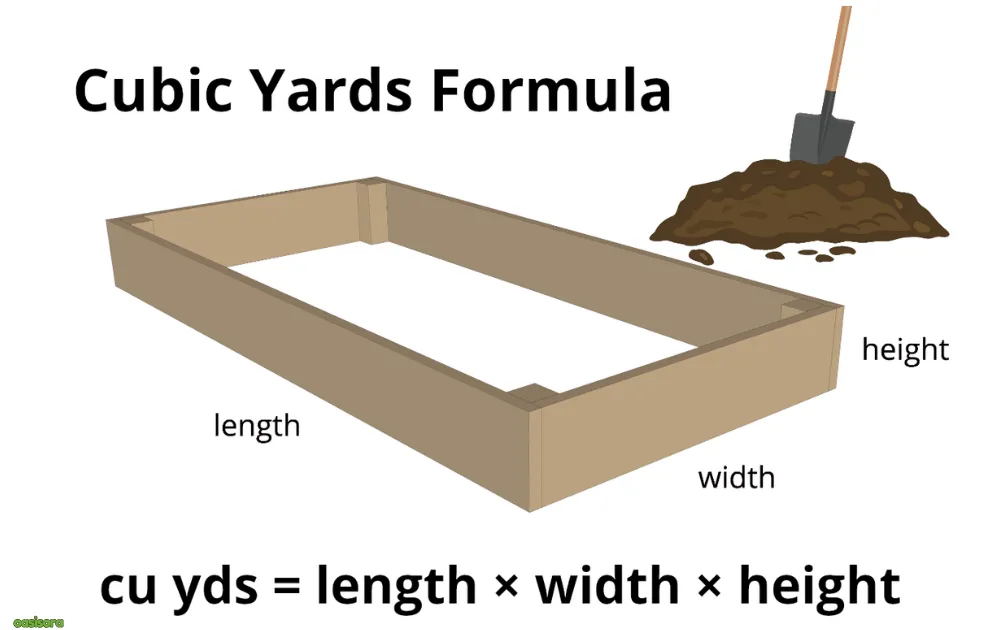
Mulch Calculations Formula
To get the right amount, use a simple formula: length × width × depth, then divide by 27. This gives you cubic yards. Texas A&M AgriLife Extension also suggests this easy method.
For Example:
A bed is 20 feet long and 10 feet wide, with mulch at 3 inches deep.
- Step 1: 20 × 10 = 200 sq ft.
- Step 2: 3 inches ÷ 12 = 0.25 ft.
- Step 3: 200 × 0.25 = 50 cubic feet.
- Step 4: 50 ÷ 27 = about 1.85 cubic yards.
That comes to almost 2 yards, or about 27 bags if you count it in 2-cu-ft bags, when working out how many bags of mulch are in a yard.
When I measured my first big project, I double-checked with an online calculator to be sure. It saved me from a second store trip.
Quick Tip:
If math feels tricky, use any free mulch calculator online. Just plug in your numbers, and it gives you both yards and bag counts instantly.
Pro Tips Before You Buy Mulch
A few small choices make a big difference with mulch. Here are some tips to remember before buying:
- Always round up: Keep one extra bag. Running short halfway is worse. Even if you know how many bags of mulch are in a yard, having a little extra saves a trip.
- Choose the right type: You can use bark, wood chips, pine straw, or rubber. Choose the type that suits your space and what you want to spend.
- Avoid piling too high: Keep mulch at the right depth. Over 3–4 inches may block air and harm roots.
- Refresh old mulch: Blend the old mulch into the soil. It improves the dirt and keeps your beds fresh.
- Check the bag size: Not every bag gives you the same amount. Look at the label to be sure whether it’s 2 or 3 cubic feet.
I once skipped the “round up” rule and ended up short by just two bags. That small mistake meant another 40-minute drive back to the store. In short, a little planning avoids that headache.
Final Thoughts –
Making Mulch Math Easy
Once you understand the simple numbers, mulch shopping stops being a guessing game. Keep in mind, one yard is 27 cubic feet. Knowing how many bags of mulch are in a yard makes planning and mulching easier and stops you from overspending or running short. Use this guide before heading out, and you’ll buy with confidence every single time.
FAQs
How many bags of mulch are in half a yard?
Half a yard equals about 13.5 cubic feet. That’s 7 bags of 2-cu-ft mulch or 4–5 bags of 3-cu-ft mulch.
Is bulk mulch cheaper than bagged?
Yes, bulk usually costs 30–40% less per cubic yard than buying the same amount in bags.
How many yards fit in a pickup truck?
Most standard trucks hold 2–3 cubic yards, depending on the bed size and mulch type.
How heavy is a bag of mulch?
A 2-cu-ft bag generally weighs 40–50 pounds, while a 3-cu-ft bag can reach 60–70 pounds.
How often should I replace mulch?
Refresh once a year, or every two years for long-lasting types like cedar or cypress.
1 thought on “How Many Bags of Mulch Are in a Yard? (Exact Answer)”
Comments are closed.