
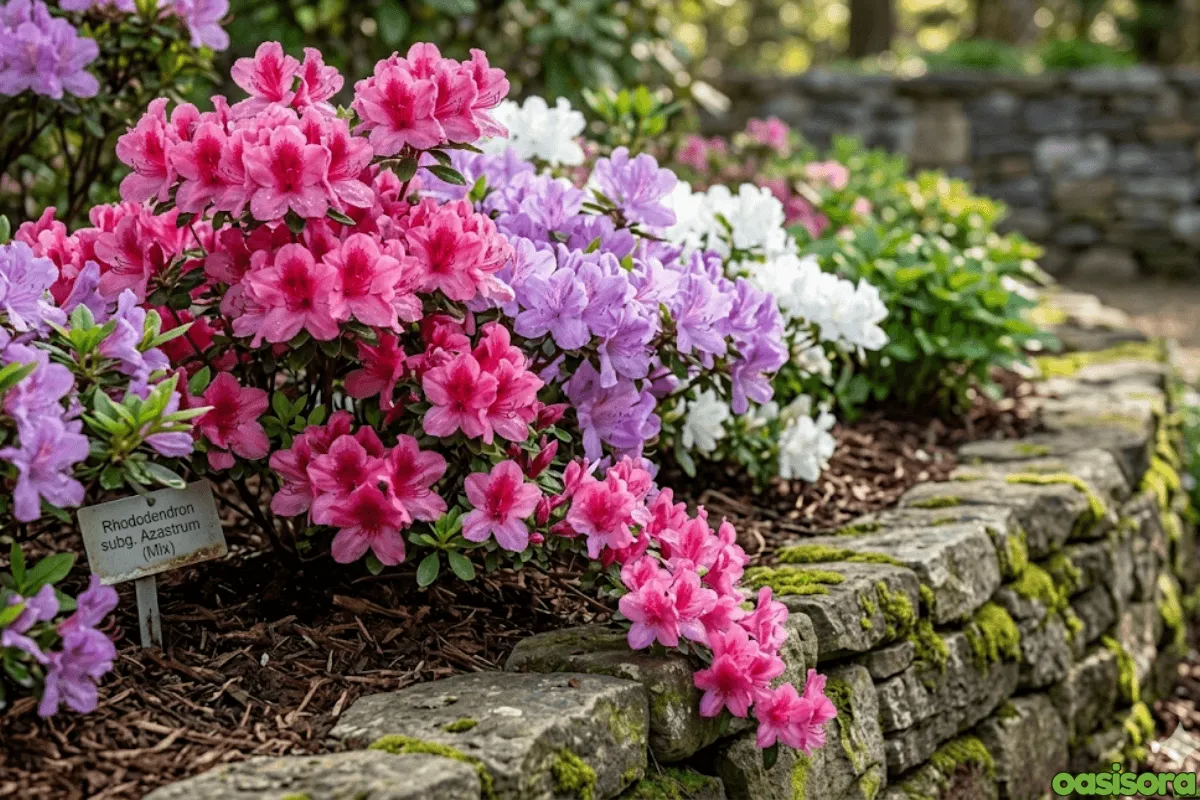
Azaleas are beautiful flowering bushes that can beautify your garden with colorful flowers every spring. But most gardeners can’t make these beauties bloom, and the plants have issues like yellowing leaves, no flowers, or dying in the first season. I remember planting my first azalea with excitement, only to watch it struggle because I didn’t understand its needs.
The guide will demonstrate the specifics of planting, nurturing, and caring for healthy azalea bushes that can blossom annually. So let’s get started.
What You Should Know About Azalea Bushes Before Planting
What Are Azalea Bushes?
They are a type of rhododendron and among the most popular flowering shrubs in the world. They bloom in nearly every color imaginable and work beautifully as hedges, borders, foundation plantings, or woodland accents. Once established, they are relatively low-maintenance.
Where Do Azaleas Grow Best?
Most of them thrive in USDA Hardiness Zones 6-9. According to the American Rhododendron Society, some deciduous varieties are hardier and can tolerate colder climates down to Zones 3-5. Afternoon shade is crucial in warmer climates to avoid heat stress and leaf scorch.
How Big Do Azalea Bushes Get?
Azaleas range from under 2 feet to 20 feet. Most reach 4–6 feet. Dwarf varieties suit containers, while taller varieties, like “Formosa,” make privacy hedges.
When Do Azaleas Bloom, and How Long Do Their Blooms Last?
Most azaleas bloom in spring, usually from early to late spring, depending on the variety and climate. Their flowers typically last two to three weeks. Some reblooming varieties can flower again in summer or early fall, providing a second display of color. Proper sunlight, watering, and pruning at the right time help ensure consistent blooming each year.
Evergreen Vs Deciduous Azaleas
| Evergreen Azaleas | Deciduous Azaleas |
| Retain leaves year-round | Drop leaves in the fall |
| Mostly of Asian origin | Mostly of North American origin |
| Zones 6-10 | Zones 3-8 (more cold-hardy) |
| Often has winter foliage color | Provide fall foliage color |
| Smaller leaves with fine hairs | Larger elongated leaves |
Where Can You Plant Azalea Bushes for Best Growth?
1. Sun or Shade?
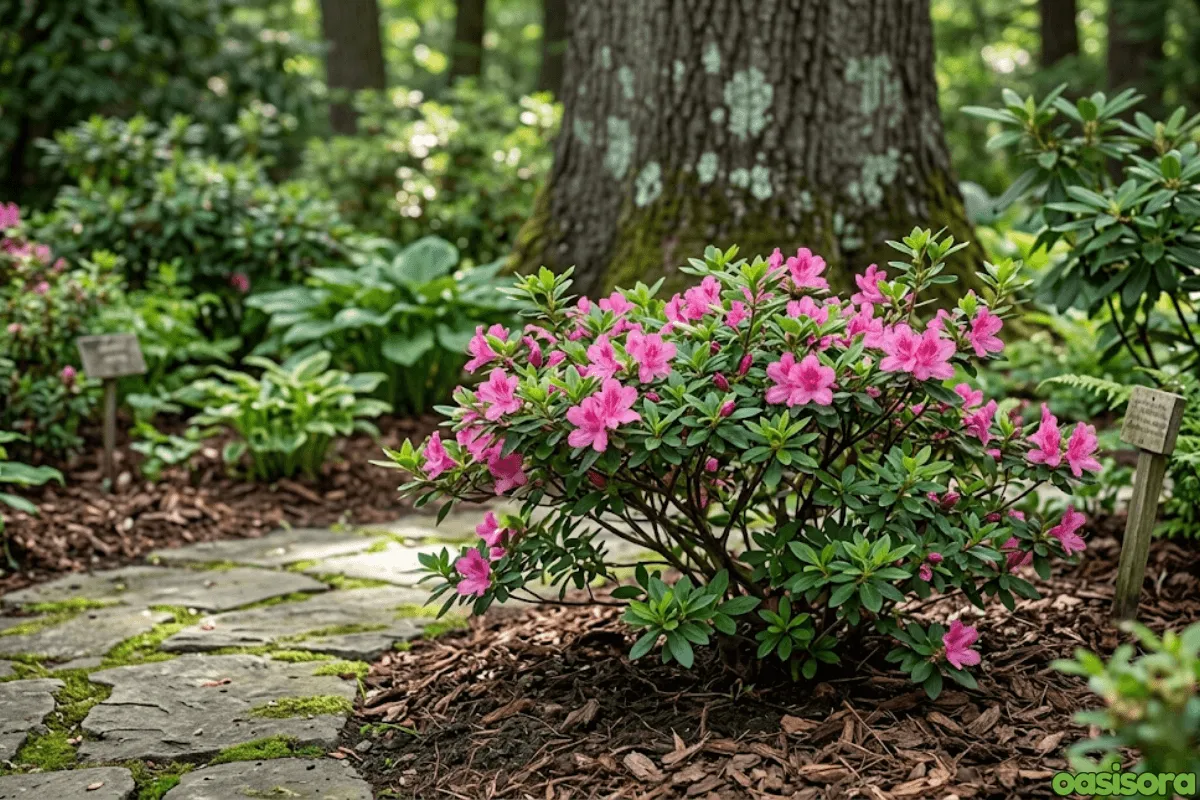
I’ve found azaleas thrive with 4–6 hours of sunlight but benefit from afternoon shade. In northern climates, you can plant them in full sun, but in southern regions, partial shade is essential. Too much shade results in fewer blooms, while too much sun can scorch leaves and stress the plant.
2. Best Soil for Azalea Bushes
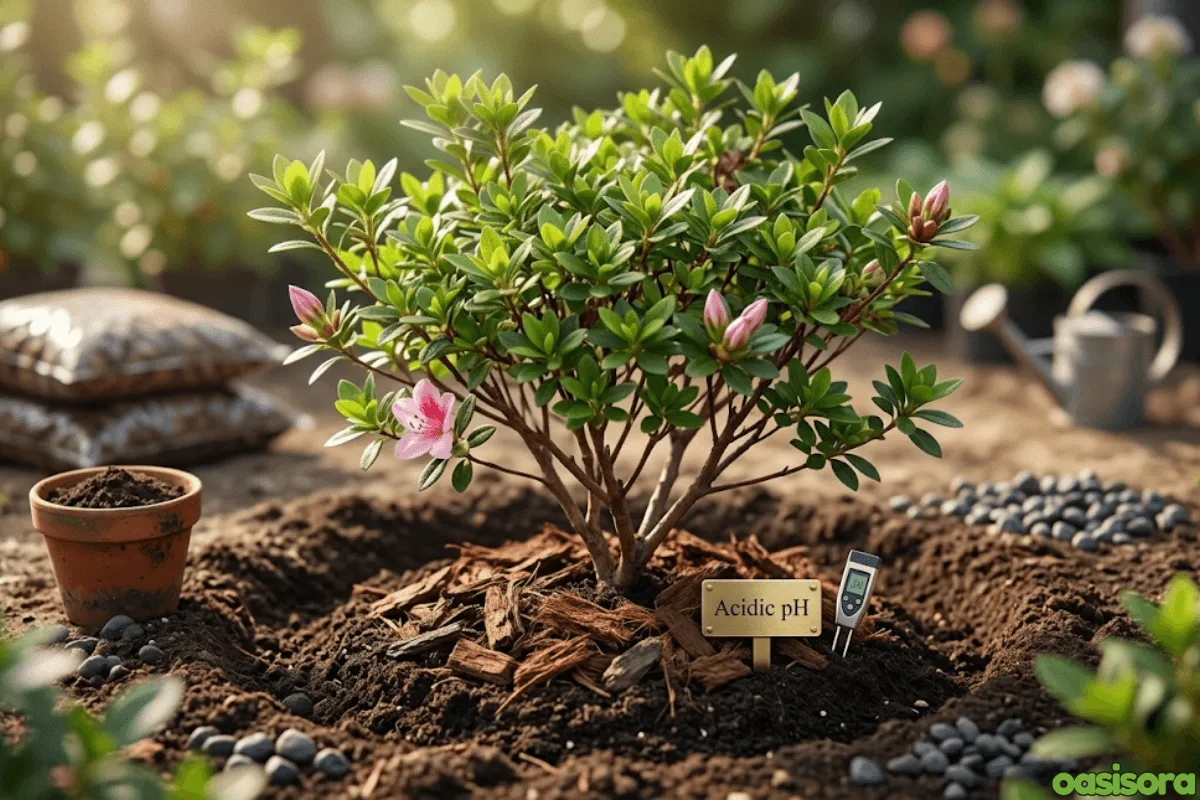
Azaleas demand acidic soil with a pH between 4.5 and 6. Good drainage is non-negotiable, as waterlogged soil leads to root rot. According to the University of Missouri Extension, you should never add lime unless the soil pH drops below 3.0.
3. Planting Azaleas in the Ground Vs Containers
Azaleas thrive underground or in containers. In-ground plants need less watering and have more room, while containers require acidic soil and frequent watering. Space bushes by their mature size to prevent crowding and disease.
4. Spacing Azalea Bushes Correctly
I always space my azaleas by their mature width, not their current size. Most varieties need 3-5 feet between plants, while dwarf types can be planted 2-3 feet apart. Overcrowding reduces air circulation, which promotes disease and limits blooming.
How Can You Plant Azalea Bushes Step by Step?
(a) Best Time to Plant Azalea Bushes
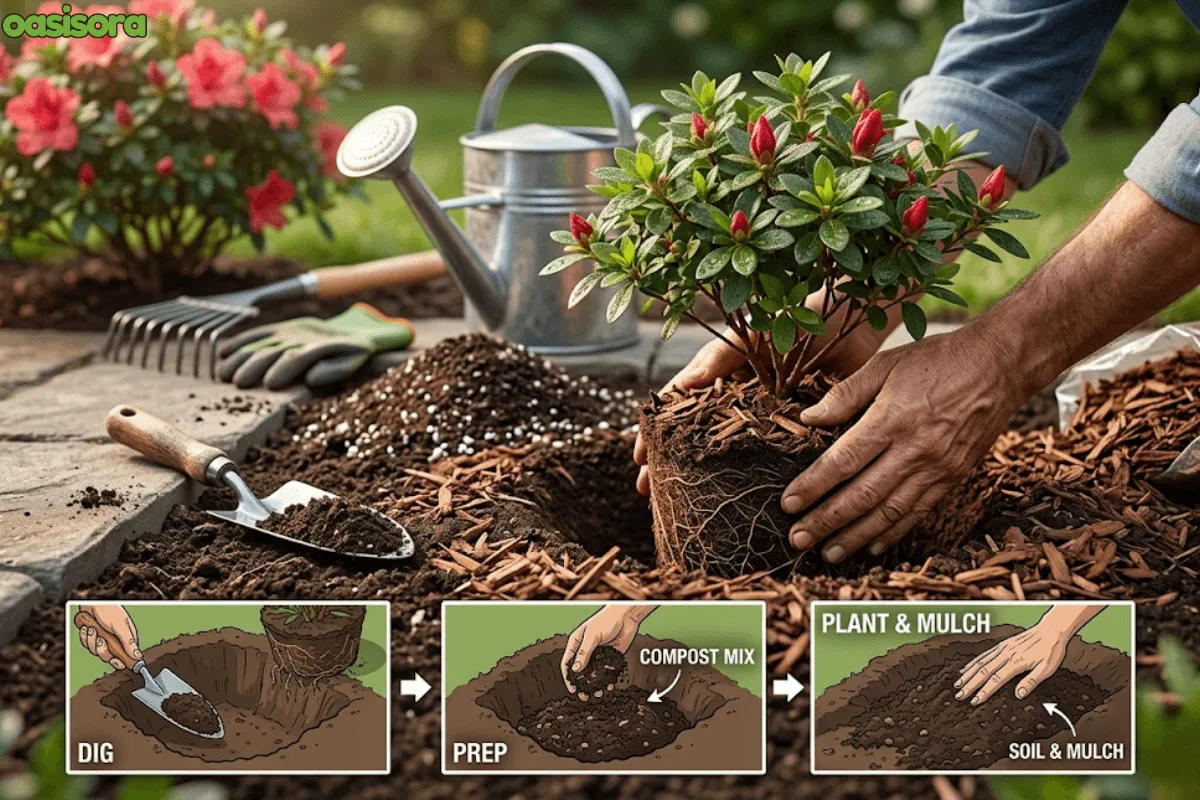
Plant them in spring or fall when temperatures are cooler. This gives roots time to establish before facing summer heat or winter cold. Avoid planting during peak summer or when the ground is frozen.
(b) How Do You Plant Azaleas the Right Way?
- Loosen the soil in your planting area and mix in compost or organic matter.
- Dig a hole slightly wider and deeper than the root ball.
- Make several vertical slits in the root ball to encourage outward growth.
- Place the plant so the top of the root ball sits slightly above ground level.
- Fill in around the sides without covering the top of the root ball.
- Water thoroughly and keep the soil moist until established.
- Add 2-3 inches of mulch around the base, keeping it away from the stem.
(c) Common Planting Mistakes You Should Avoid
- Planting too deeply is the biggest mistake. The top of the root ball should be visible above the soil line.
- Skipping root preparation can cause roots to continue growing in circles instead of spreading outward.
- Failing to provide wind protection can lead to leaf scorch and stem damage.
Azalea Bush Care: How You Keep Them Healthy Year-Round
How Often Should You Water Azalea Bushes?
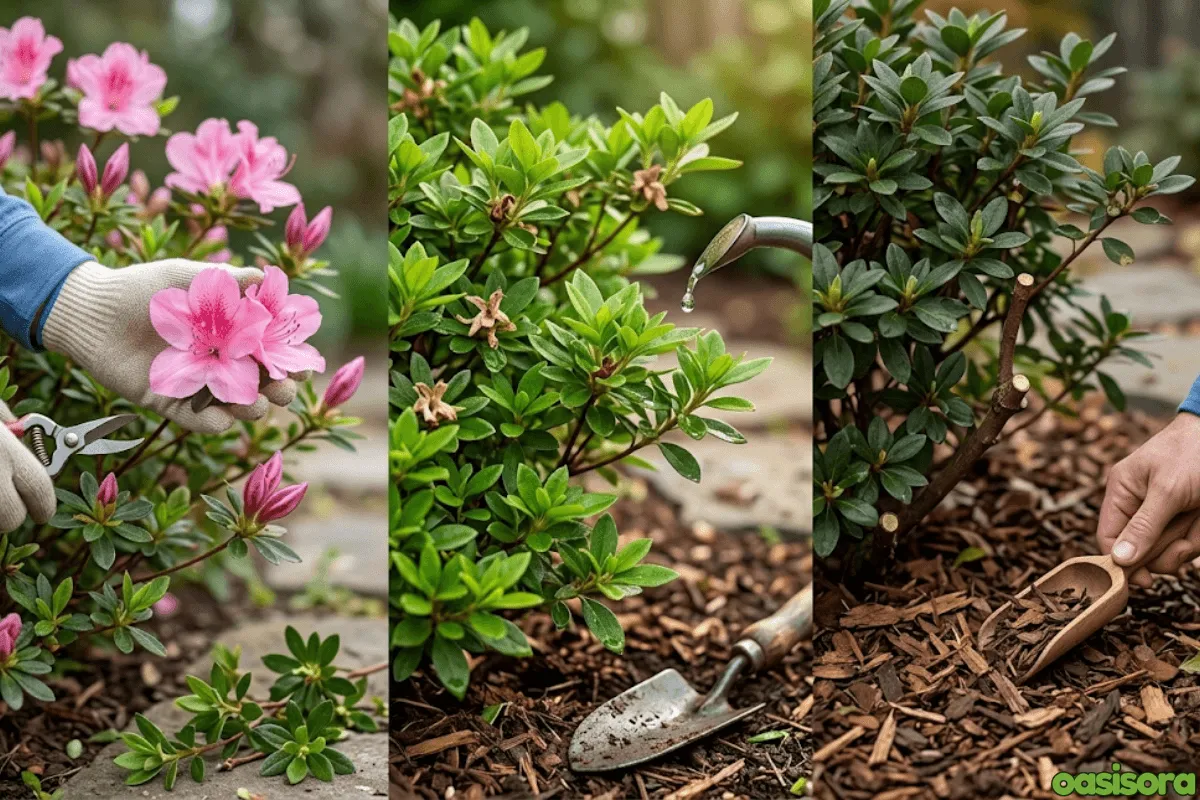
Azaleas have shallow roots, making them sensitive to both drought and overwatering. Keep soil consistently moist but never soggy. Water deeply once or twice weekly during dry spells, and increase frequency during hot weather. Watch for wilting or curling leaves; these signal water stress.
Container azaleas dry faster, so I often water them daily in the summer, watching for wilting or curled leaves as signs of stress.
Fertilizing Azaleas
Feed azaleas in early spring with a fertilizer formulated for acid-loving plants. Follow package instructions carefully; over-fertilizing can burn roots and reduce blooming. You can find specialized azalea fertilizers at most garden centers.
Skip fertilizing after mid-summer, as the process encourages new growth that won’t harden off before winter.
Mulching Azaleas The Right Way
Apply 2-3 inches of organic mulch around the base of them, keeping it away from the stems. Mulch suppresses weeds, retains moisture for shallow roots, and adds nutrients as it breaks down. Replenish mulch annually. According to Agromin , good mulch options include pine bark, wood chips, or pine needles.
Pruning Azalea Bushes Without Hurting Blooms
Prune azaleas immediately after spring flowering ends. Azaleas set next year’s buds on old wood, so pruning in the summer or in the fall removes those buds and eliminates next year’s blooms.
I usually remove dead or diseased branches as soon as I see them, shear formal hedges after flowering, and otherwise let them keep their natural shape.
Common Azalea Problems
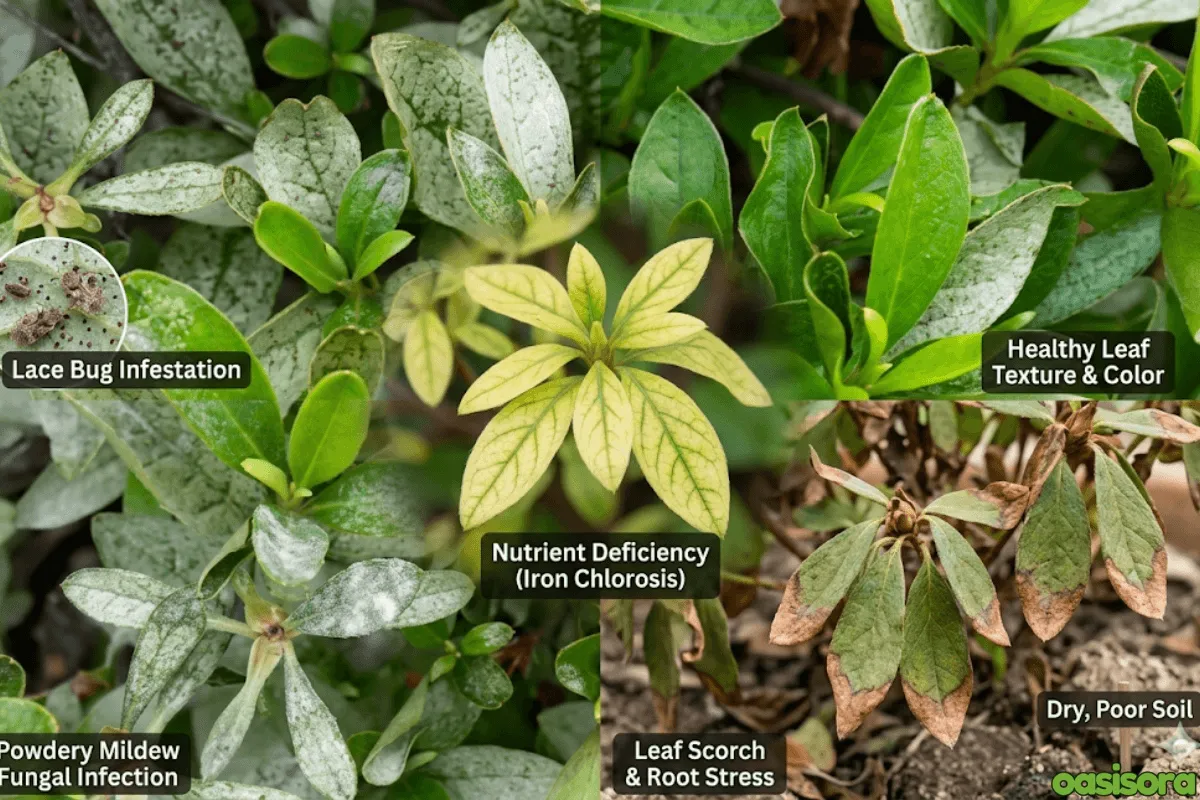
I. Why Are Your Azalea Bushes Not Blooming?
Blooming is inhibited by several factors:
- Late pruning gets rid of flower buds for the following year.
- Fertilizer that is high in nitrogen causes flowers to be sidelined in favor of the growth of leaves.
- Winter damage to buds kills exposed branches.
- Lack of enough sunlight restricts flower production (target 6 or more hours a day)
- Irregularly watering plants is a stress.
II. Yellow Leaves on Azaleas: Causes & Solutions
The leaves changing to yellow normally signify one of the following problems:
- Alkaline soils lead to chlorosis: Measure the pH of your soil and add sulfur when necessary.
- Poor drainage: Improve soil texture or relocate the plant.
- Nutrient deficiency: Use azalea fertilizer as directed on the package.
- Overwatering: Allow the soil to dry between waterings.
III. Azalea Pests You Should Watch For
Common pests include aphids, spider mites, scale, whitefly, lace bugs, and weevils. Healthy plants resist pests better than stressed ones. Remove affected leaves and treat severe infestations with insecticidal soap or horticultural oil.
I have noticed that lace bugs are particularly problematic in hot, sunny locations. Moving plants to shadier spots often reduces lace bug damage.
IV. Common Azalea Diseases And Prevention Tips
Azaleas can develop powdery mildew, rust, leaf spot, root rot, petal blight, and leaf gall. According to the Royal Horticultural Society (RHS), powdery mildew can be managed through proper air circulation and hygiene. Prevention is easier than treatment.
- Ensure good air circulation between plants.
- Water at the base, not overhead.
- Remove diseased leaves promptly.
- Avoid overwatering.
- Plant in well-draining soil.
Final Tips to Help Your Azalea Bushes Thrive
To keep your azaleas healthy and blooming year after year, follow these seasonal care practices:
- Spring: Spread fertilizer, renew mulch, and inspect for pests.
- Summer: Water in dry periods and during deadheading of reblooming types to induce additional growth.
- Fall: Plant new azaleas and start watering less and less as the fall progresses.
- Winter: Guard them against the severe winds, and do not prune them because it will influence the following year of bloom.
The most common error is planting them in the wrong soil. I’ve personally experienced this, and soil testing made a huge difference. If a bush is not growing well for two seasons, relocate it to a better spot. These few tips will keep your azaleas healthy and in bloom.
FAQs
Common-Azalea-Problems
Yes, all parts of them contain grayanotoxins that are extremely toxic to pets, livestock, and children. If you suspect ingestion, please seek emergency veterinary or medical care without delay.
Are azaleas deer-resistant?
No, deer find azalea leaves and stems appealing and will cause significant grazing damage to unprotected plants.
How long do azalea bushes live?
With proper care, they can live for decades. Some well-maintained specimens in ideal conditions have survived over 50 years.
Do azaleas come back every year?
Yes, both evergreen and deciduous azaleas are perennial shrubs. Evergreen varieties keep their leaves year-round, while deciduous types drop leaves in fall but return with new growth each spring.