
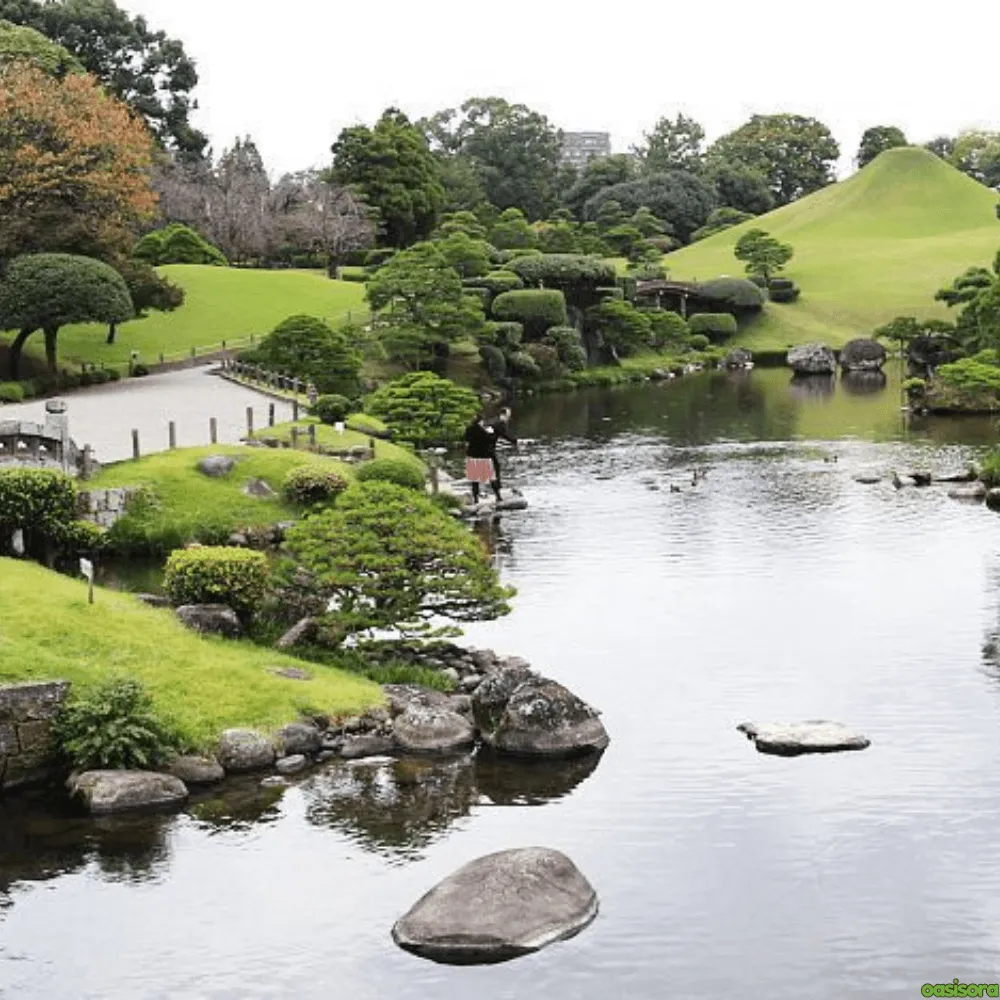
You already know that feeling when you walk into a space that instantly feels calm, intentional, and deeply peaceful. That is what every Japanese garden is built around. I experienced this sensation the first time I came across images of Ryoan-ji, where nothing but rocks and raked gravel somehow said more than an entire flower garden ever could.
The different types of Japanese gardens are not just about looks. Each one carries a specific philosophy, era, and purpose. In this article, we’ll explore the different kinds of Japanese gardens, what makes each style unique, and how these timeless designs create such a peaceful and meaningful outdoor space. So let’s get started.
Main Types of Japanese Gardens
Each type was shaped by a different era, belief system, or way of life. Some were built for silent meditation, others for walking, and some as a spiritual map of paradise. Here is a full breakdown of each one.
Karesansui (Zen Rock Garden)
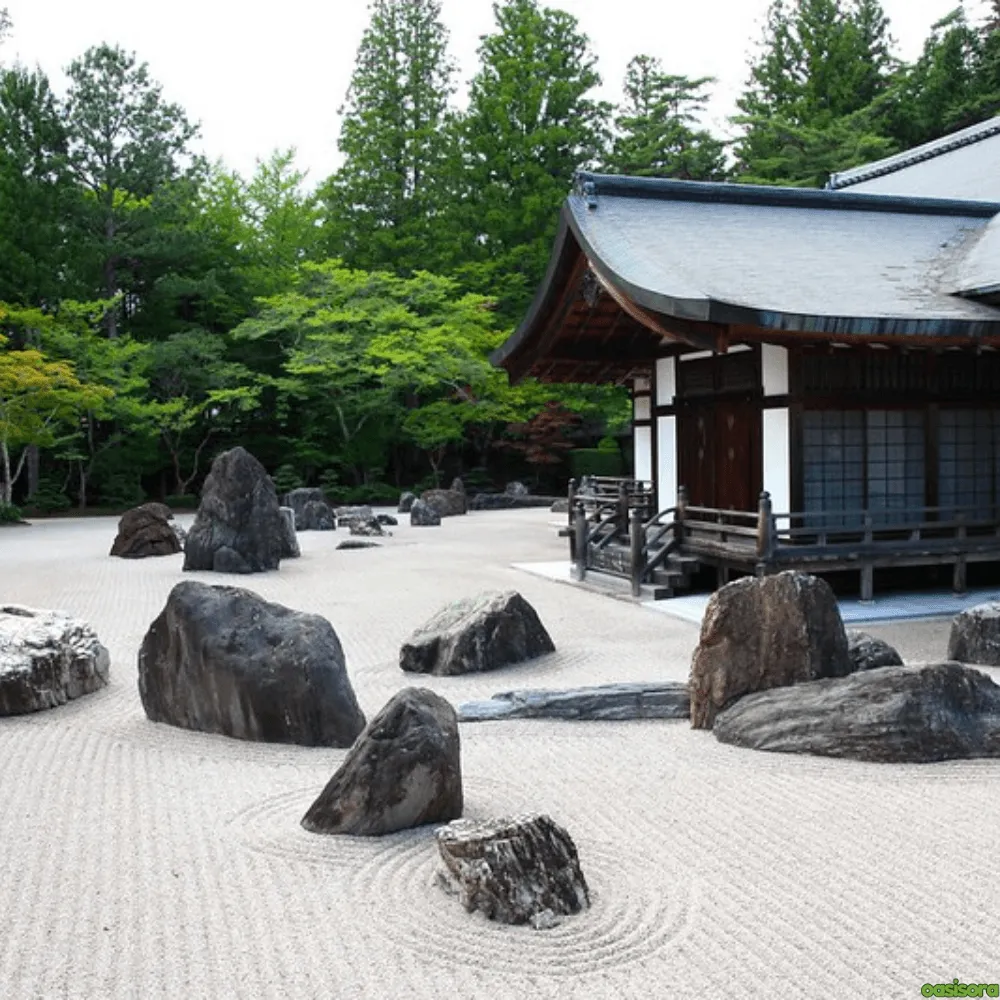
The name means “dry landscape.” No water, just raked gravel representing rivers and rocks standing in for mountains or islands.
Born in the 14th century through Zen Buddhism, it is unwalked upon. According to Japan Guide, Ryoan-ji in Kyoto is its finest example, where fifteen rocks are arranged so one is always hidden from view.
i. Among all types of Japanese gardens, this is the most minimal
ii. No water at all; gravel or sand represents the sea
iii. Rocks symbolize mountains, islands, or spiritual ideas
iv. Designed for meditation, viewed from a fixed point
Tsukiyama (Hill Garden)
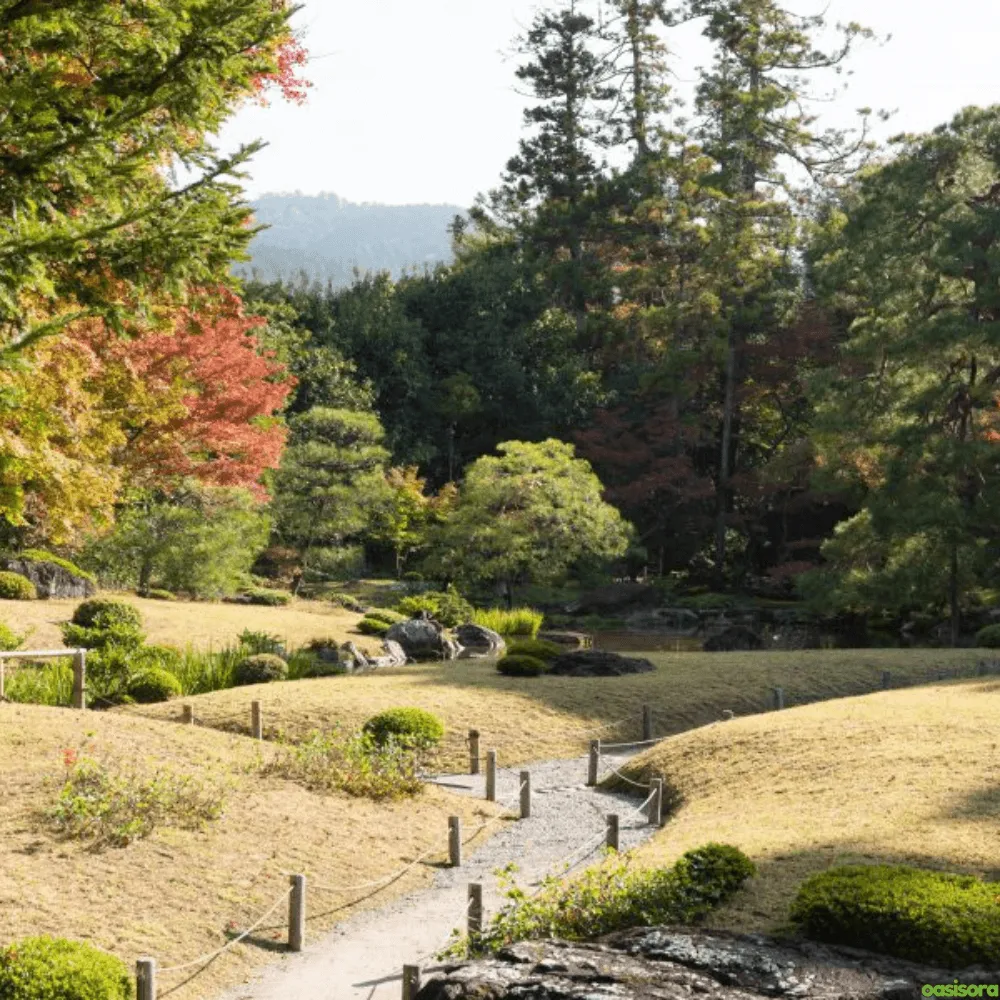
Tsukiyama means “artificial hill.” This style focuses on recreating a full natural landscape in miniature. Hills, ponds, streams, bridges, and winding paths all come together to mimic the Japanese countryside.
You can best appreciate these gardens, which are larger than Zen rock gardens, from one main viewpoint that captures the full scene. Purposefully, every hill, stone, and plant finds its place.
According to the World History Encyclopedia, Tsukiyama gardens became central to Japanese aristocratic culture during the Heian period, serving as a way to bring the grandeur of nature into a private, contemplative space.
Kaiyū-shiki Teien (Strolling Garden)
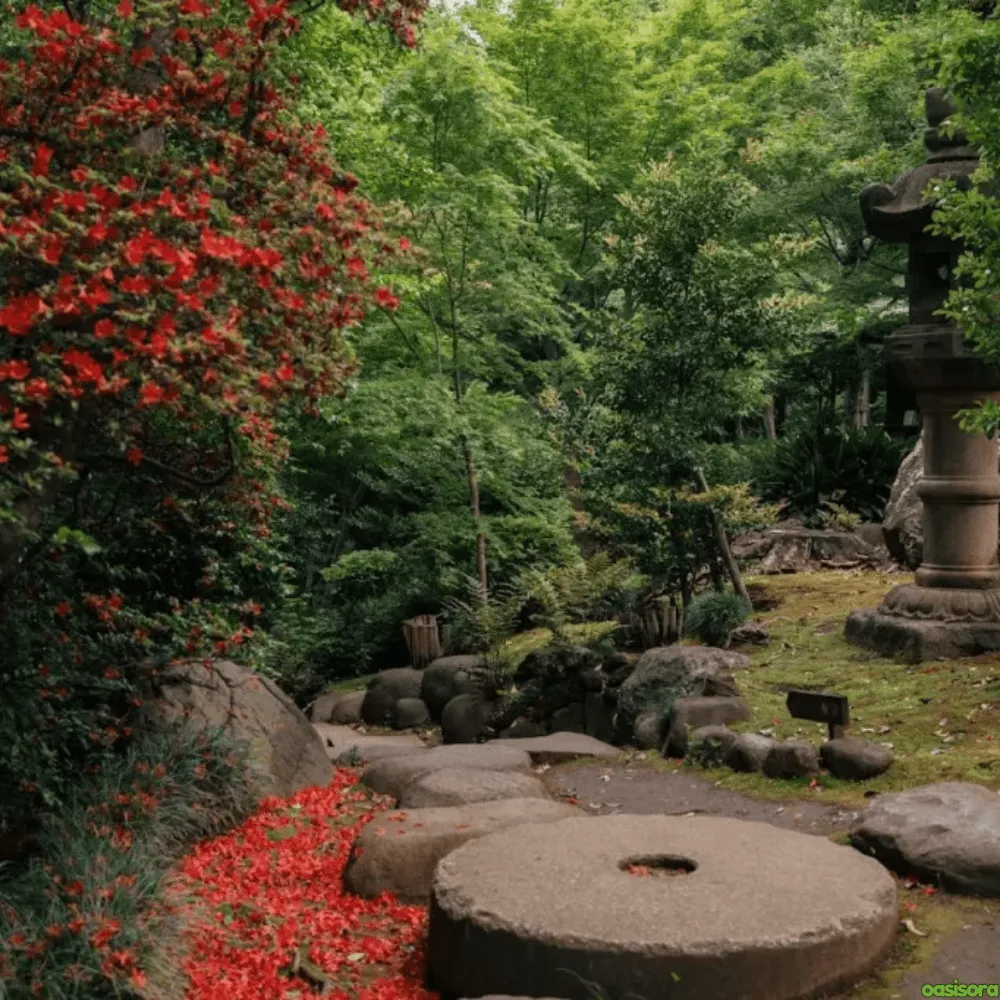
This is the garden style built around movement. A winding circular path takes you through the entire space, and the scenery changes with every turn. New views, new compositions, and new details reveal themselves as you walk.
The strolling garden tends to be the largest among all types. These emerged during the Edo period (1603 to 1867) and usually contain a central pond, islands, bridges, stone lanterns, and artificial hills.
Kenroku-en in Kanazawa is one of the finest examples and is considered one of Japan’s three outstanding gardens. The path is traditionally walked clockwise. When I tried to imagine designing a space where every single step reveals something new, I kept contemplating how much patience that takes.
Roji / Chaniwa (Tea Garden)
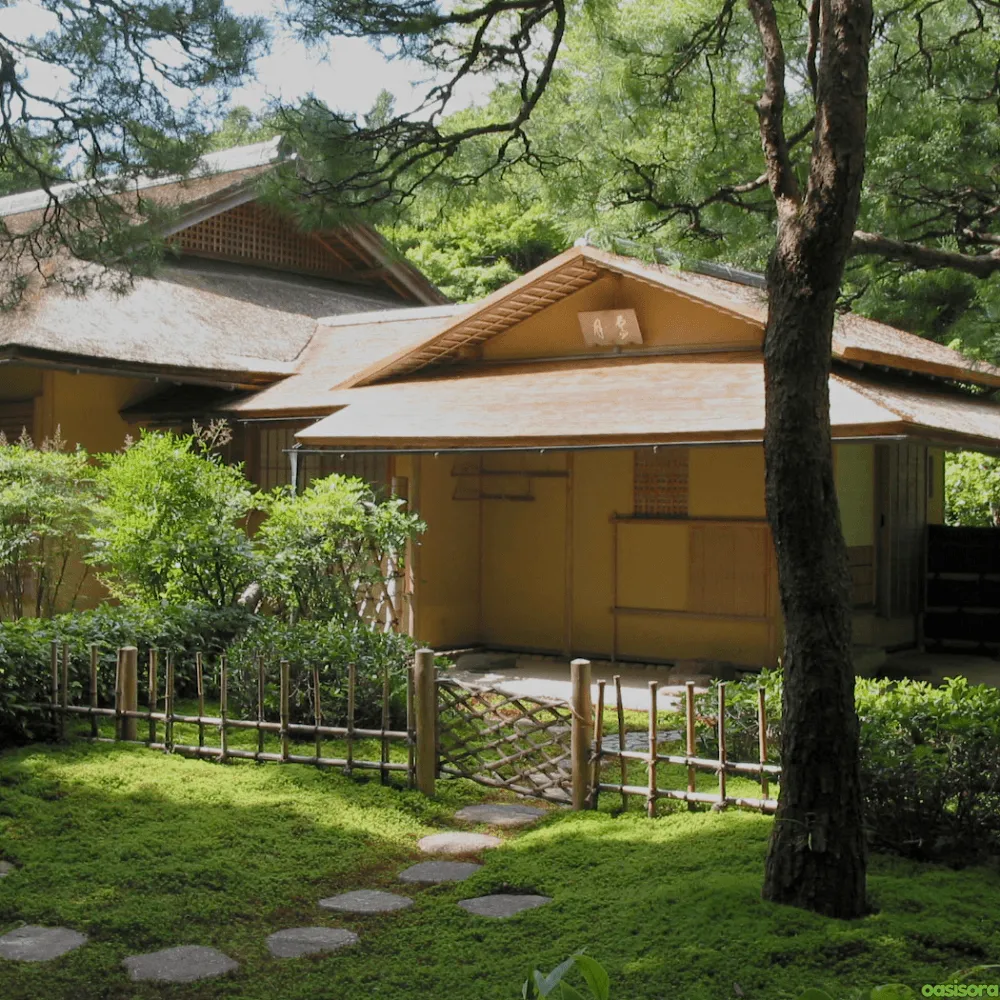
The tea garden prepares the visitor’s mind before the tea ceremony. Stepping stones, a stone lantern, a waiting bench, and a water basin all work together to slow you down and calm your thoughts.
Among the types of Japanese gardens, this one is the most ceremony-driven. Tea master Sen no Rikyu shaped this garden during the Azuchi-Momoyama period (1573 to 1603), dividing it into an outer and inner section. The Roji path itself is considered part of the ceremony.
Tsuboniwa (Courtyard Garden)
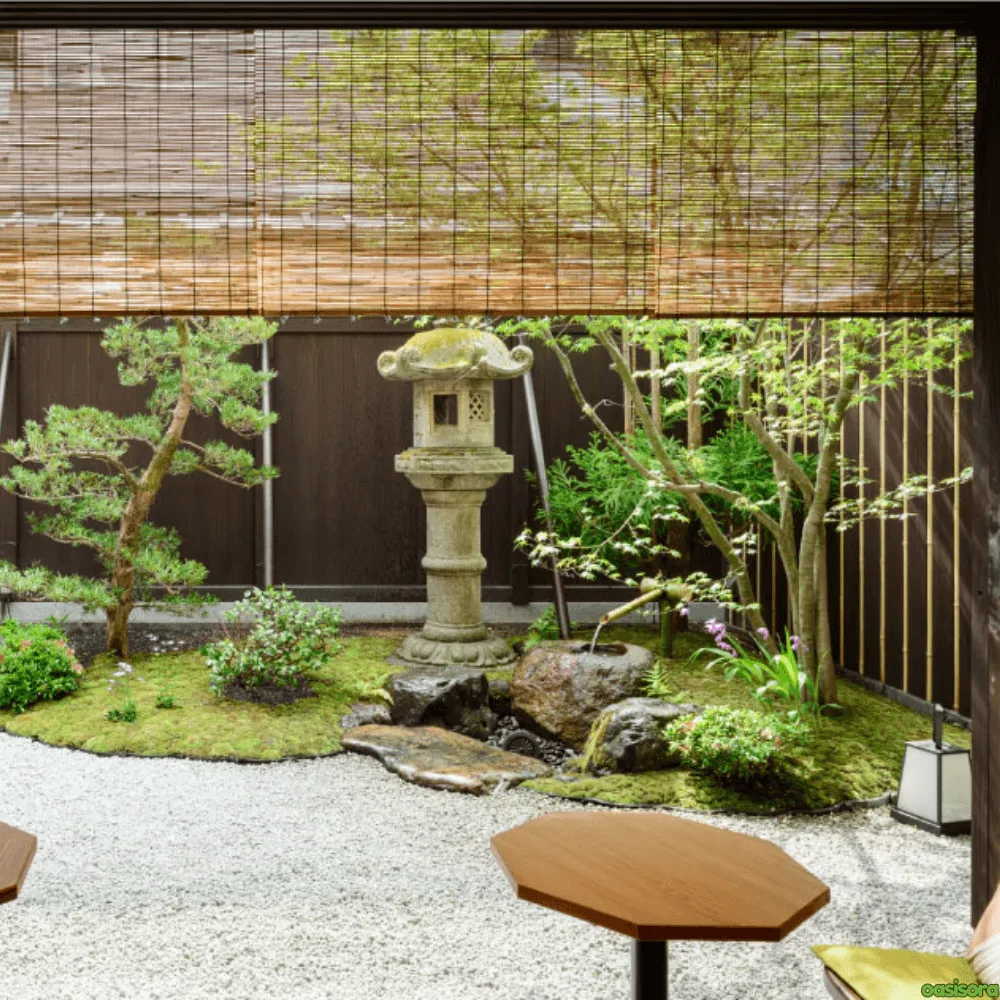
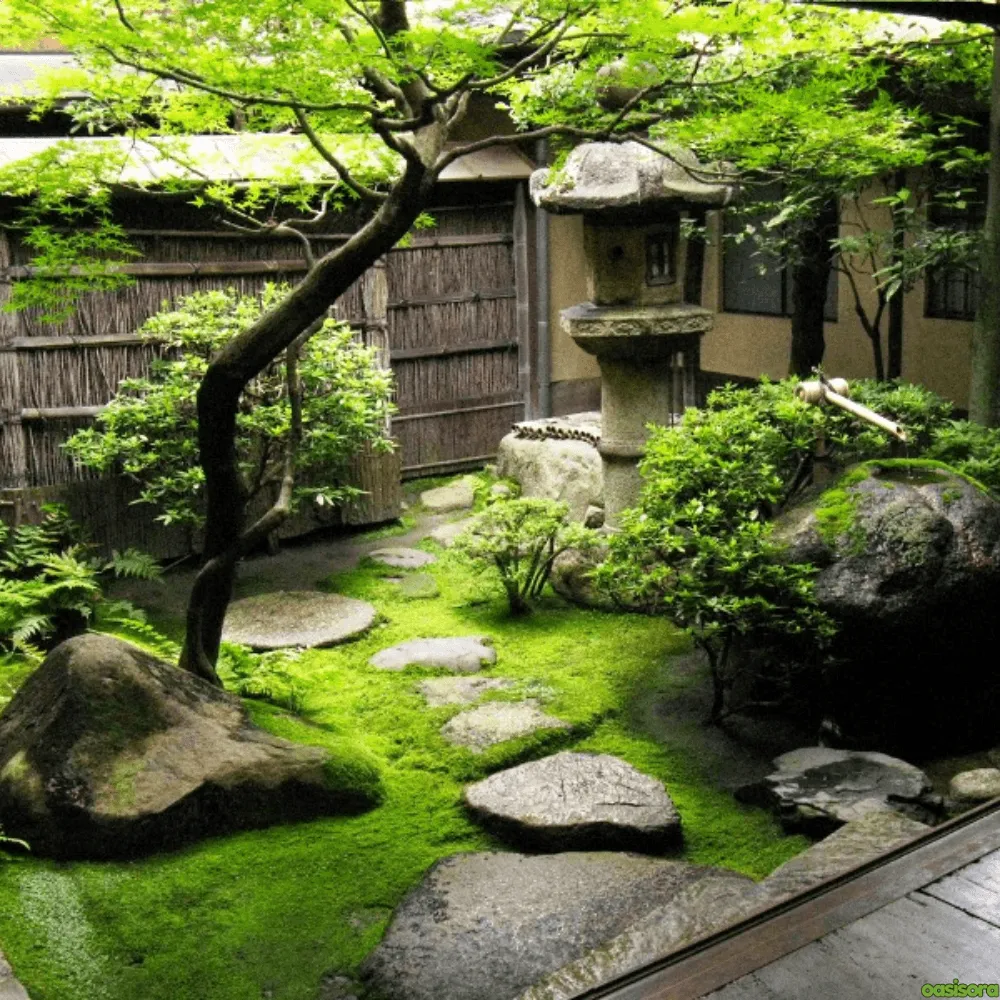
Not every Japanese garden needs a lot of space. The Tsuboniwa is designed specifically for the small enclosed areas found between buildings in traditional Japanese townhouses and temples.
This style proves that size does not determine beauty. Moss, a few stones, a lantern, and one or two plants are all it takes. The focus is on restraint. Nothing extra, nothing that does not belong.
I recommend this style to anyone working with a small outdoor space. I have personally seen tiny courtyard gardens that stopped me in my tracks. You do not need room to make something meaningful.
Paradise Garden (Jodo Garden)
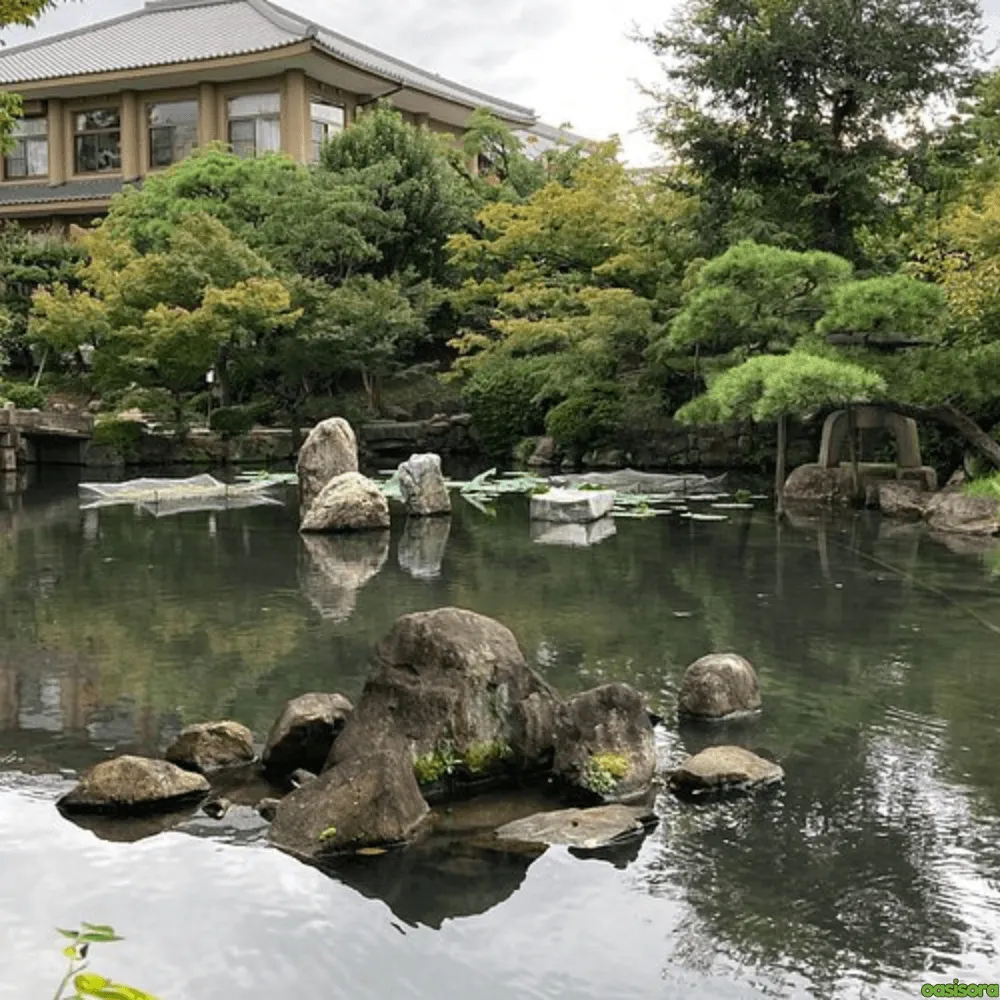
The Jodo garden, also called the Pure Land garden, is one of the oldest of all the types of Japanese gardens. Buddhist monks introduced it during the Heian period (794 to 1185) as a physical representation of paradise.
The centerpiece is always a large pond filled with lotus flowers, symbolizing purity. Islands, bridges, and a grand Buddhist pavilion complete the layout. The entire design represents the Buddha in meditation at the center of a sacred lotus pond.
Final Thoughts
FAQs
What are the main types of Japanese gardens?
Karesansui, Tsukiyama, Kaiyū-shiki Teien, Chaniwa, Tsuboniwa, and Jodo are the main types. Each style has its purpose rooted in Japanese history and Buddhism.
What is the most famous type of Japanese garden?
The Karesansui, or Zen rock garden. Ryoan-ji in Kyoto is its most famous example, known for its fifteen rocks and raked white gravel.
What is the difference between a strolling garden and a Zen rock garden?
A strolling garden is large and meant to be walked through along a circular path. A Zen rock garden is compact, has no water, and is viewed quietly from one fixed point.
Can I create a Japanese garden in a small space?
Yes. The Tsuboniwa style was made for exactly this purpose. Moss, a few stones, and a lantern are all you need to create something beautiful in a limited area.
What is the purpose of a tea garden?
A tea garden prepares the visitor’s mind before the tea ceremony. The path, stones, and water basin are designed to slow you down and bring you into a calm, focused state.