
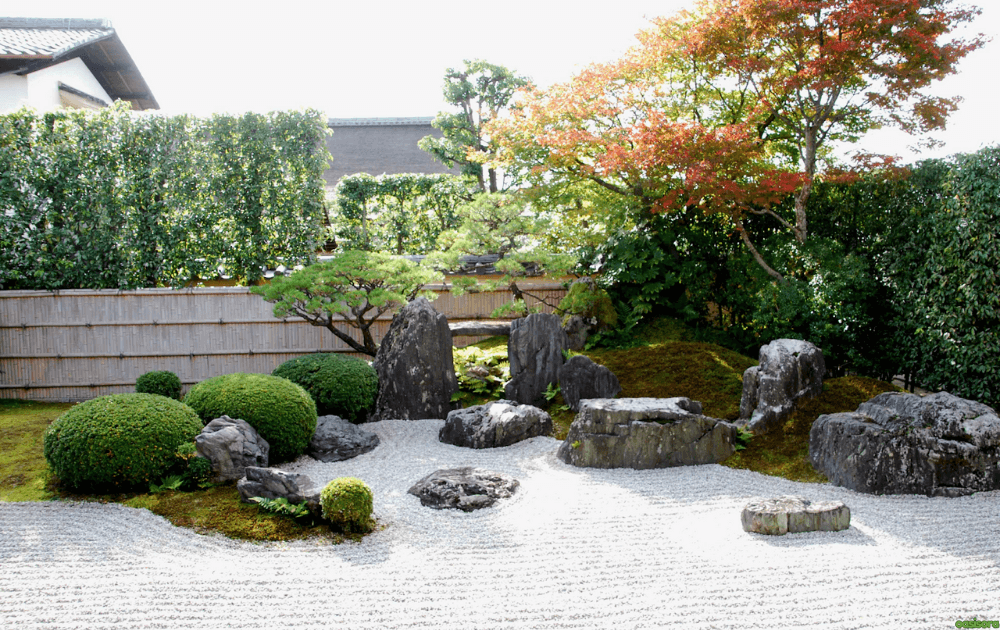
A garden can feel restless when stones sit without purpose or flow. I notice this often when the space has good elements but no calm connection between them. Zen garden stone arrangement ideas focus on balance, meaning, and quiet strength instead of decoration.
The following guide explains simple stone placement methods that help the garden feel settled and easy on the mind and eyes. Let’s find the stone arrangements that bring beauty and balance into your yard space.
Understanding Stone Arrangement in Zen Gardens
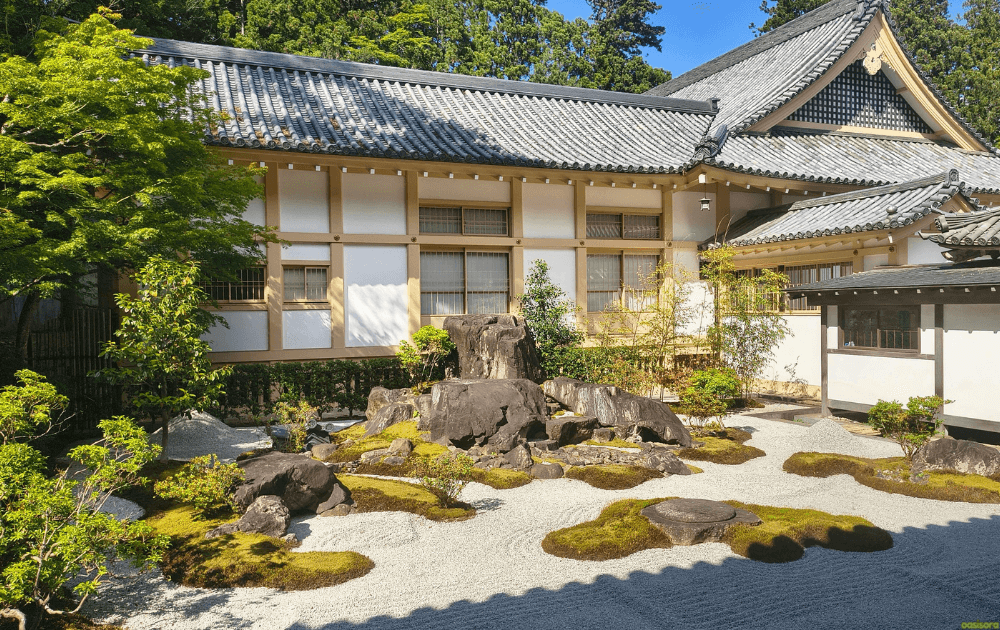
Stones are not placed in a garden just to fill space. I am saying this because even a simple layout feels complete. After all, each stone has a clear role. In zen garden stone arrangement ideas, natural rocks shape the structure and guide how the space is viewed and felt.
According to the Metropolitan Museum of Art, each stone carries meaning. Tall stones often stand for mountains, while flatter ones suggest islands resting in open space. Together, they express strength, balance, and steady presence without relying on extra decoration. Moreover, the relationship between the stones matters more than how each one looks on its own.
However, remember, abundant of stones does not make a better layout. In fact, too many pieces can disturb the entire flow. A thoughtful arrangement allows the eye to move slowly and stay and settle for a while. That is why placement, spacing, and direction are always more important than the quantity of stones.
Core Principles That Guide Stone Placement
Stone placement typically follows quite a few rules that shape the entire space brining calmness and serenity. The placement principles of the zen garden stone arrangement ideas help stones feel connected, balanced, and natural instead of forced or decorative.
1. Asymmetry & Natural Balance
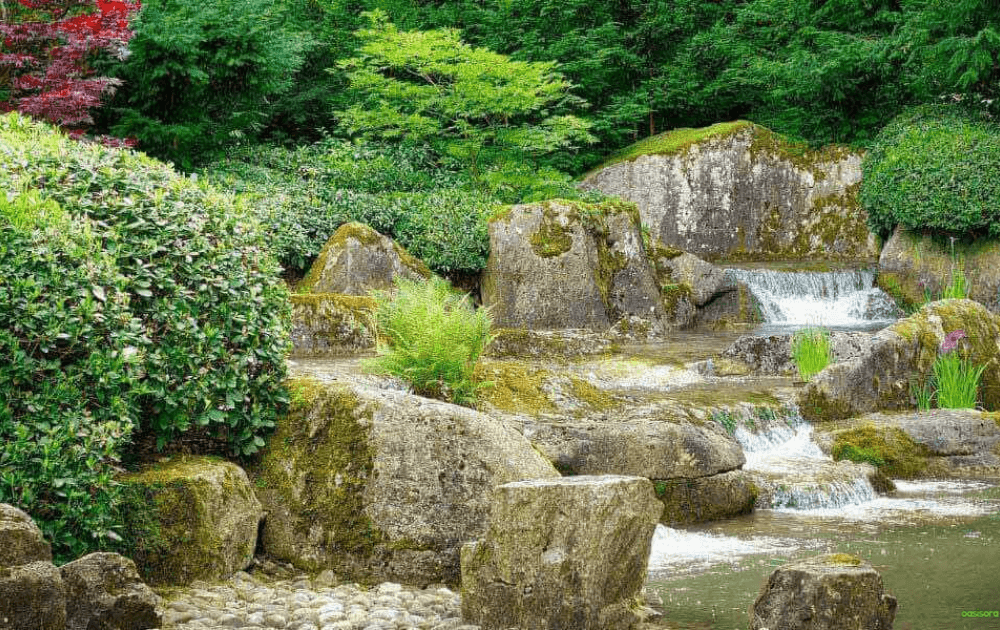
Nature does not rely on straight lines or perfect balance. Stones are slightly off-center, with varied height and angle, appearing more natural to the eye. You will notice this uneven placement creates a gentler flow, allowing the space to feel settled without looking specially staged.
2. Triangular Groupings
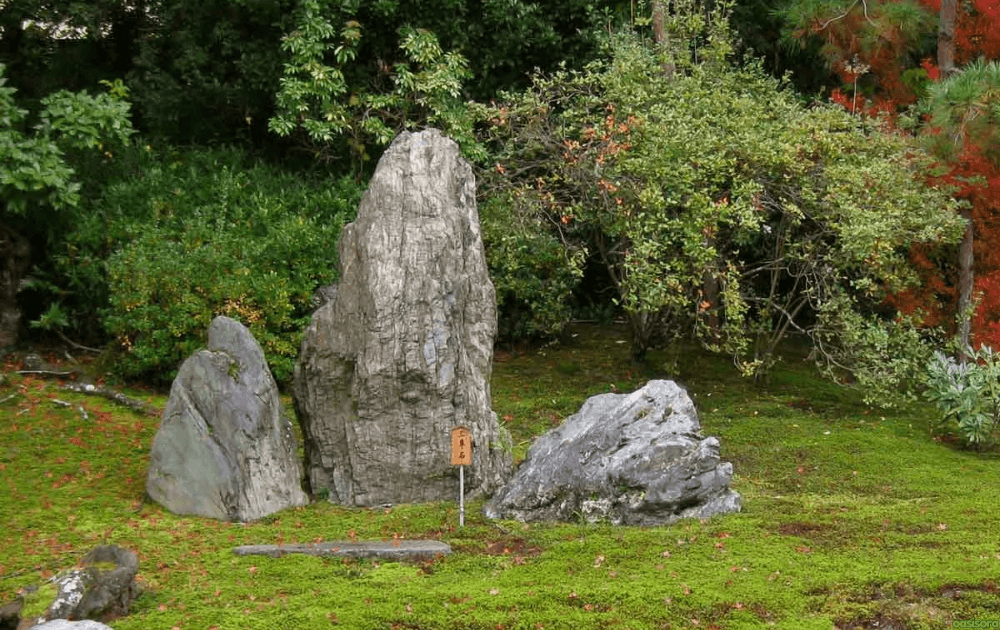
In the traditional Ishigumi style, three stones are placed in a loose triangular form. One stone leads the composition, while the other two support it from lower positions. This structure appears often in top trending zen garden stone arrangement ideas because it builds natural strength and clear direction without adding extra elements, allowing the layout to feel steady rather than rigid.
3. Using Negative Space for Calmness
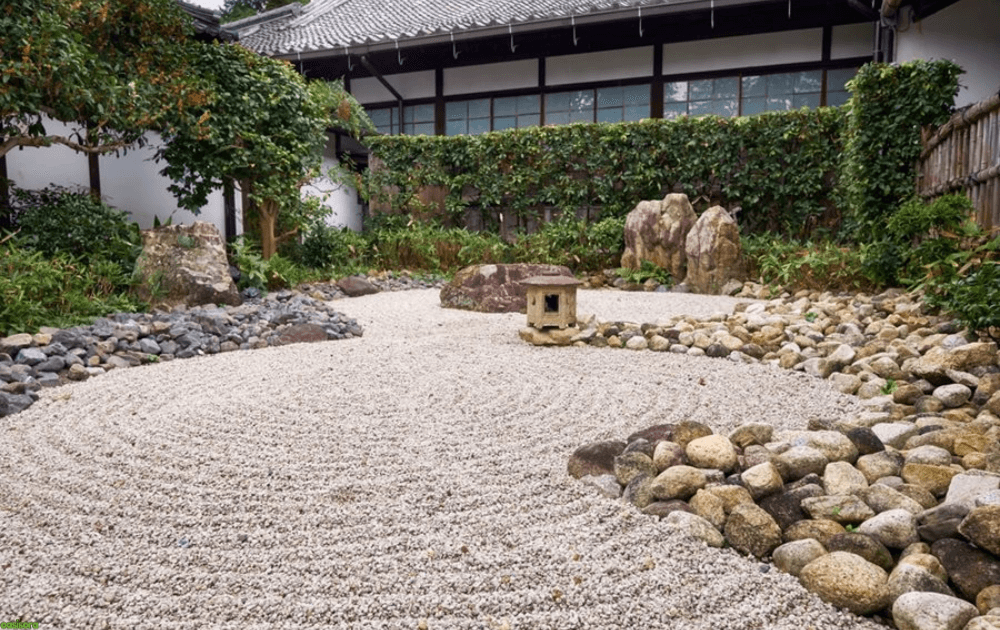
Undoubtedly, stones also look better when they are spaced apart. However, empty areas between them help keep the layout clear, without appearing crowded and rushed to the eyes.
4. Choosing Stones With Character
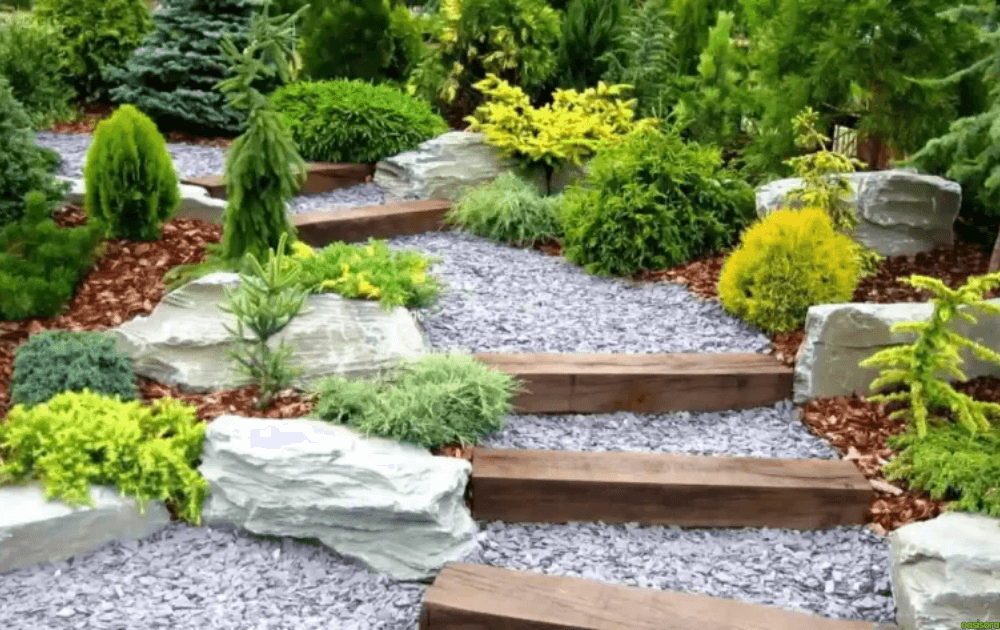
Stones that show natural wear through their shape and surface settle into the space more easily. They do not look newly placed or artificial, and this helps the layout feel deeper and more natural overall. Furthermore, stones that look too smooth or machine-cut often feel new and out of place, which breaks the flow and makes the layout feel flat.
Classic Stone Arrangement Ideas
Traditional layouts focus more on meaning, spacing, and quiet strength rather than decoration. However, in modern and latest zen garden stone arrangement ideas, classic arrangements show how stones can shape the mood of a space, even with very few elements, particularly when placed with care, precision, and accuracy. The Japan National Tourism Organization explains that stones in Japanese gardens are generally placed and meant for balance and meaning, not for decoration.
Three-Stone Composition
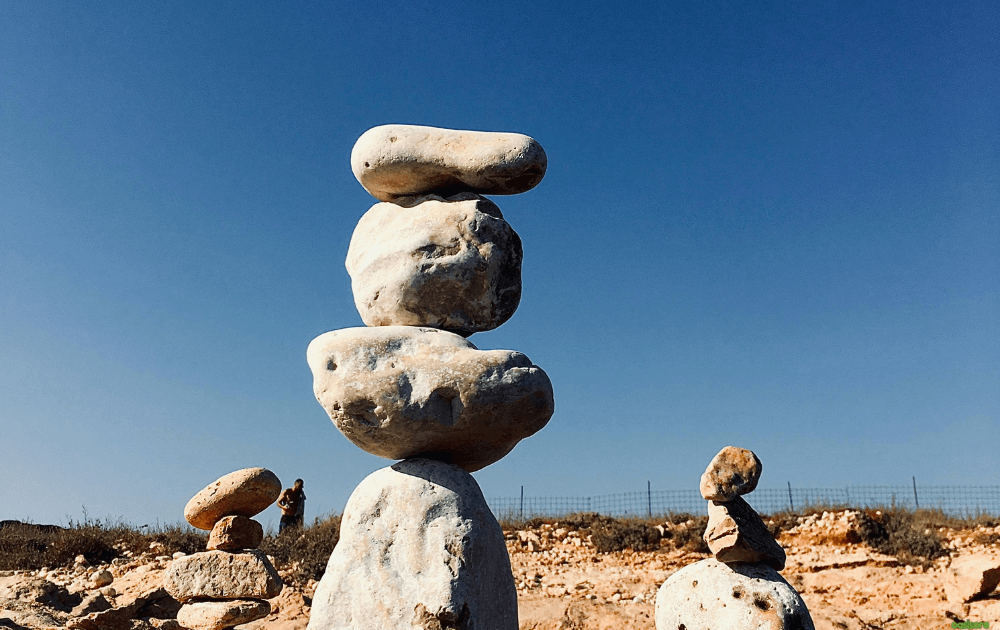
This arrangement uses three stones with different roles. A tall stone takes the lead, a flat stone gives support, and a smaller stone links them together. When placed this way, the layout feels balanced and guided without looking forced or stiff.
Island Stone Clusters for “Floating” Landscapes
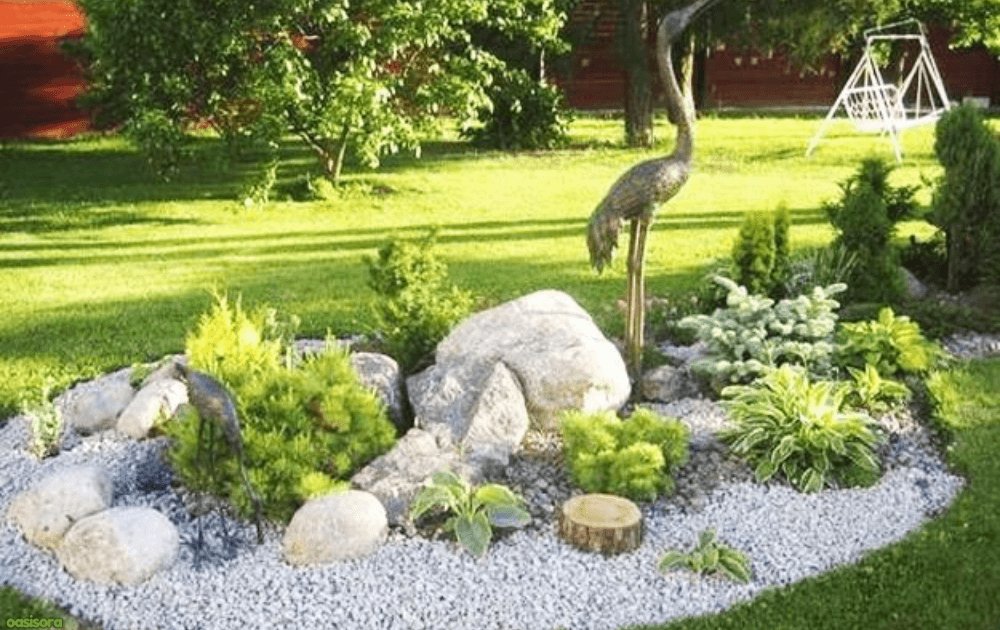
In this style, stone groups are placed with open ground around them, making each cluster feel like a separate small island. Impressively, the stones feel like they belong within the space instead of sitting on top of it. Overall, this gives the layout a lighter and more open feel.
Mountain Formations Using Large Anchor Stones
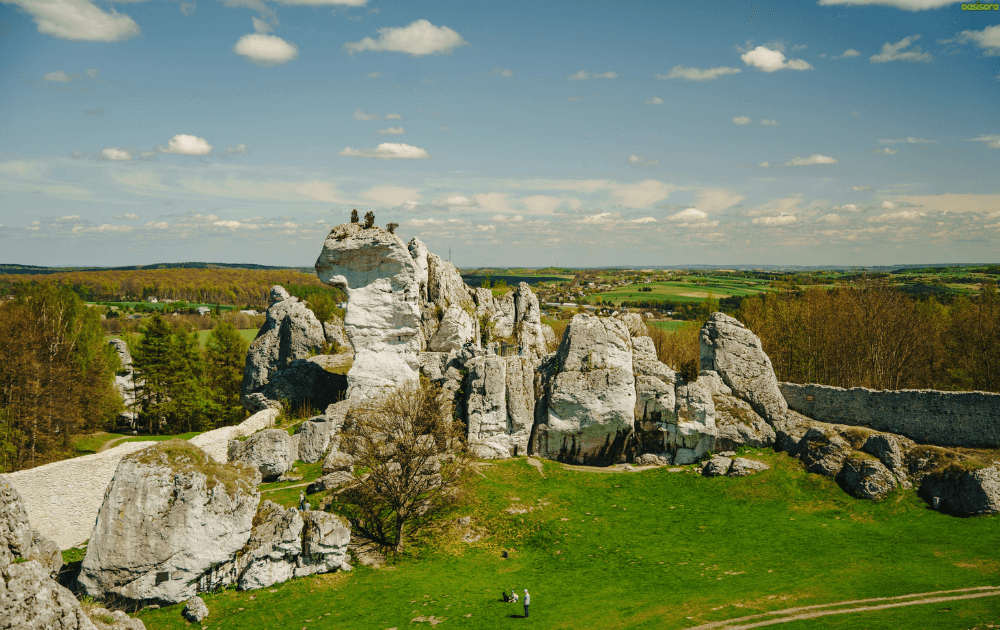
Large anchor stones typically act as the backbone of the layout, while smaller stones soften the edges and support the main form. I have experienced this myself when working with one strong lead stone; the space started to feel settled and complete without adding more pieces. This approach is common in creative zen garden stone arrangement ideas because it helps build strength and direction without making the layout feel busy and clumsy.
Stone “Rivers” Framed With Gravel Lines
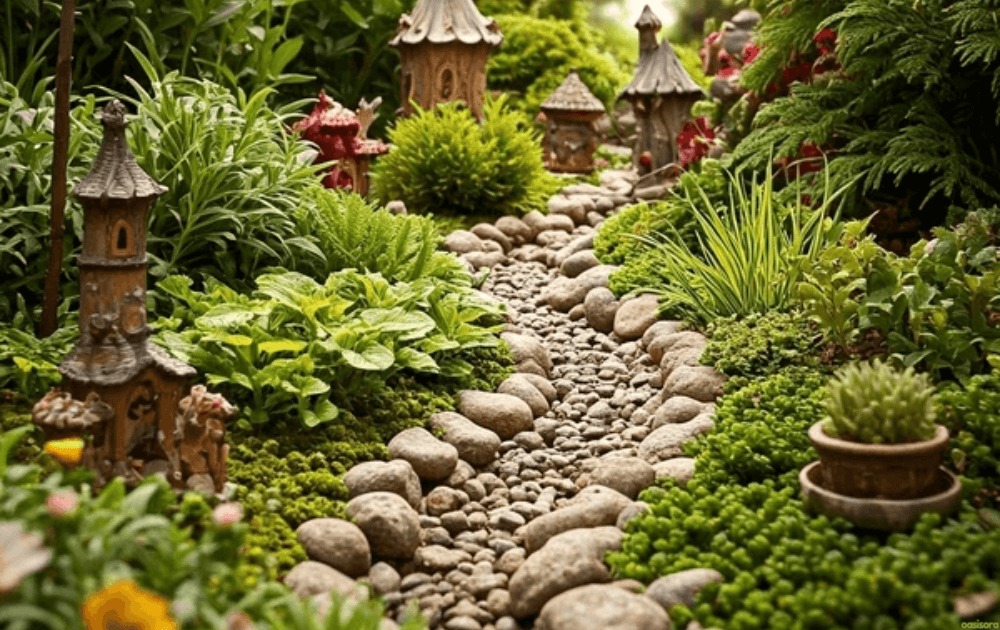
In this setup, stones lead the eye along a soft path, while gravel lines move around them. The mix of solid stone and raked ground adds a sense of movement without using water, making it a great choice for long or narrow areas.
Moss-Framed Stone Accents for Organic Softness
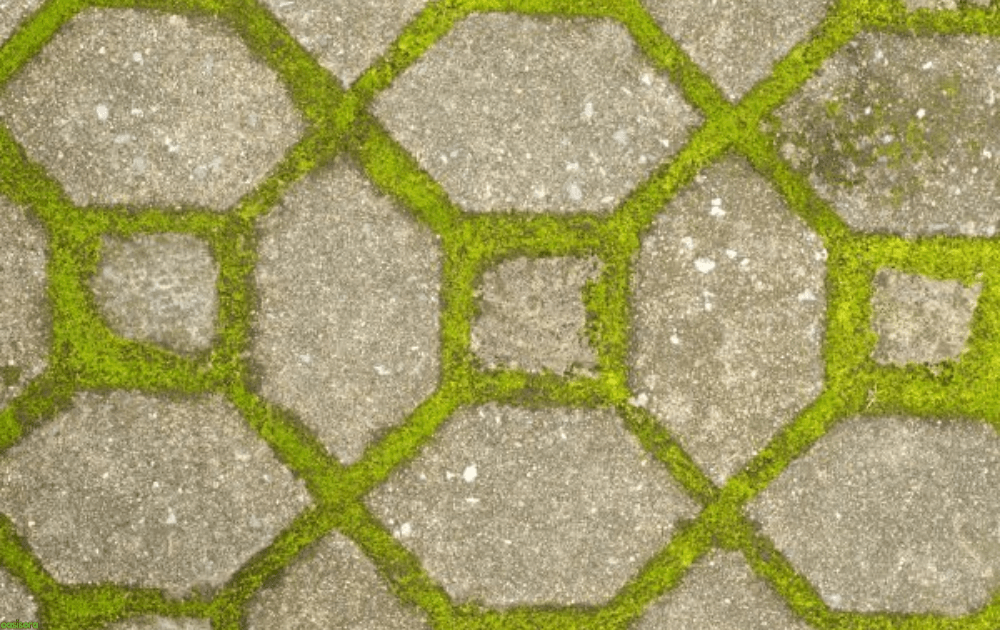
Moss placed around stone bases naturally adds quiet depth and color contrast. It softens hard edges and helps stones perfectly blend into their surroundings. When used sparingly, moss highlights age and character without taking focus away from the stones’ arrangement.
Modern & Minimal Zen Stone Arrangement Ideas
Interestingly, modern spaces work better with fewer elements. In zen garden stone arrangement ideas, simple layouts generally rely on open ground space, clear placement, and stones that stand in the right place instead of filling out the entire space.
(i) Single Monolithic Stone as a Focal Point
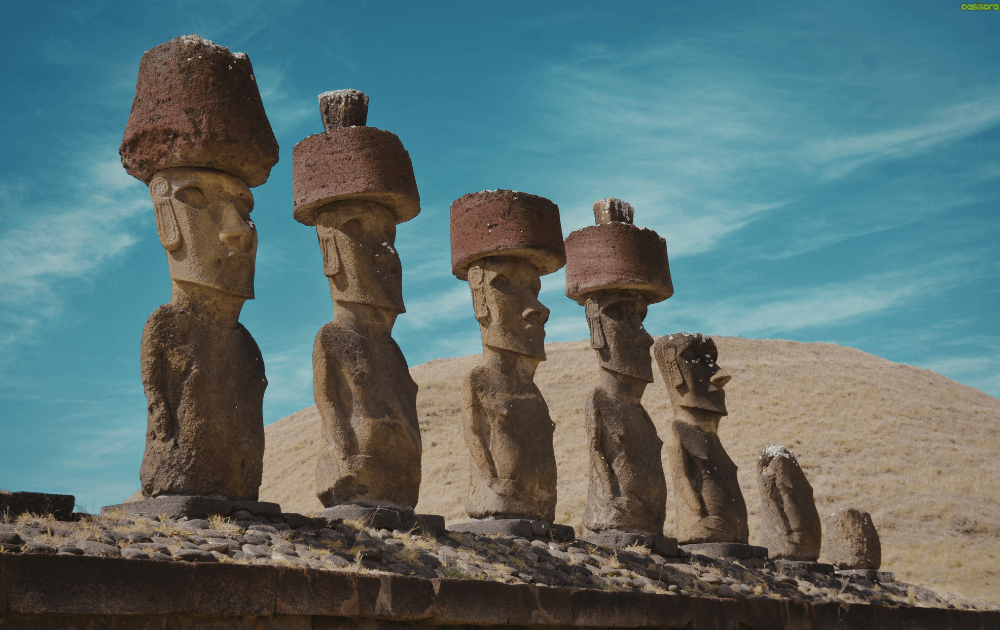
One strong stone can hold the entire layout together. When placed with space around it, the stone becomes a quiet center rather than a decoration. This approach works well in open yards and small courtyards where simplicity matters the most.
(ii) Linear Stone Lines for Contemporary Yards
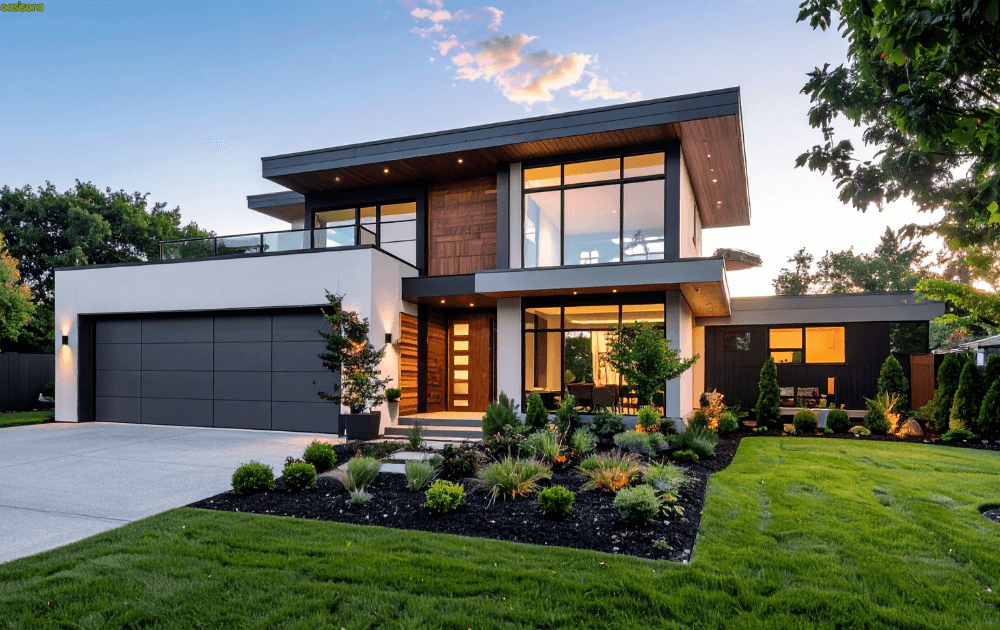
Straight or gently aligned stone lines suit modern outdoor designs. These layouts guide the eye forward and create order without feeling rigid. When kept loose and uneven, linear placement stays natural while fitting clean architectural spaces.
(iii) Subtle Buried Stones
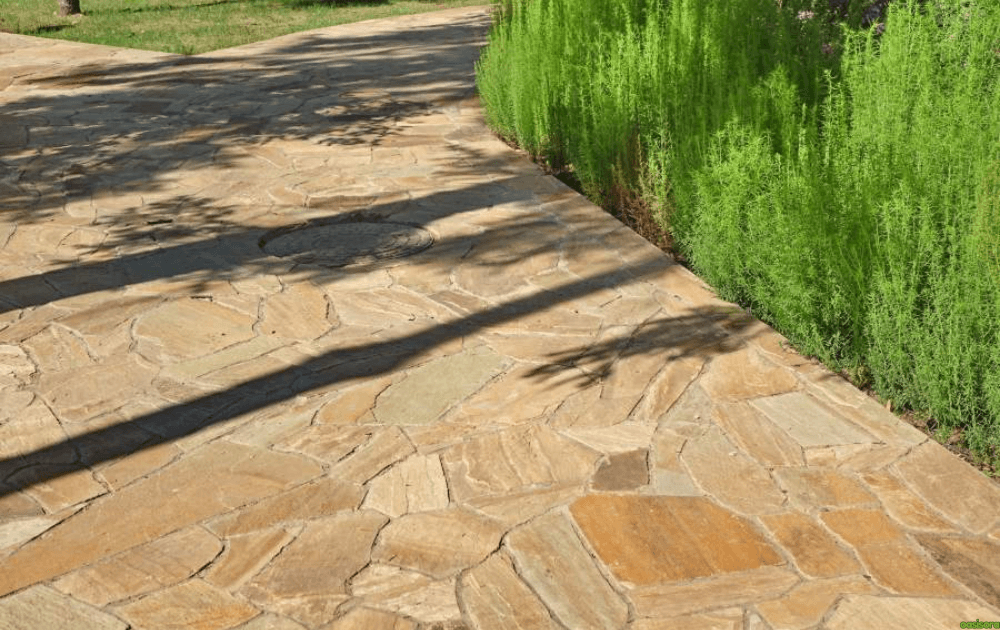
Partially buried stones add depth without drawing attention to themselves. According to my notice, those stones rise naturally from the ground, making the layout feel grounded and secure. Nevertheless, this hidden support is one of the most prevalent zen garden stone arrangement ideas that includes keeping the design strong without looking heavy.
(iv) Soft Curves vs. Sharp Geometric Stone Layouts
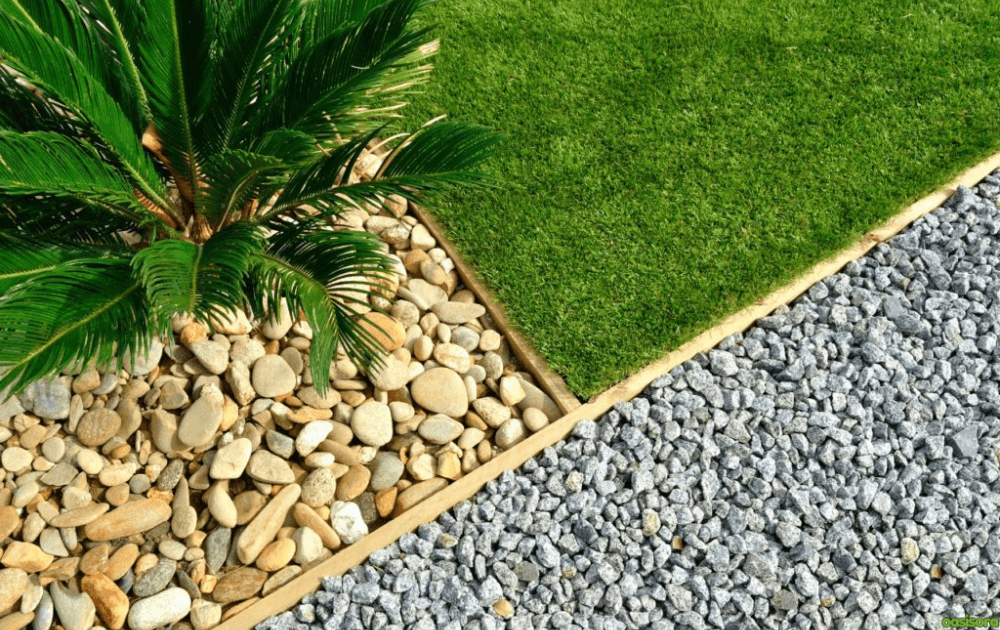
Curved stones usually suit softer spaces, while small rocks placed in straight lines suit more structured areas. The space itself decides which arrangement will work better in it. Curved layouts suit natural settings, while sharper forms fit modern homes with clean edges and defined paths.
Zen Garden Pathway Stone Ideas
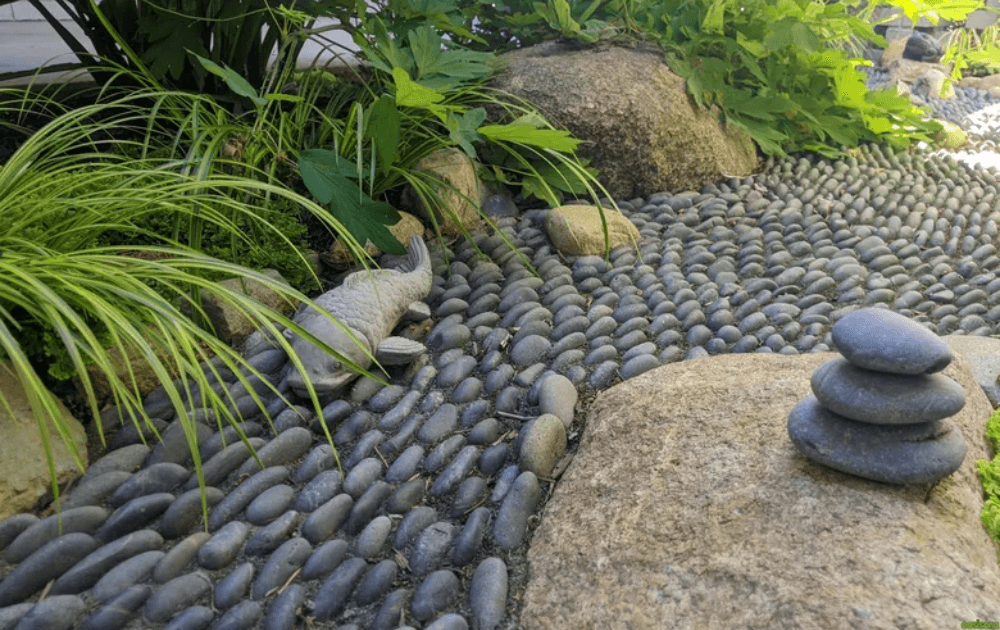
Pathways guide both movement and attention. In most zen garden stone arrangement ideas, stone paths are not made for speed or to show movement. Instead, they are designed to show direction and slow each step, creating a steady rhythm through the pathway.
1. Stepping-Stone Meditation Paths
When stepping stones are not evenly spaced, people walk more slowly. Each step feels intentional, helping the path become part of the overall layout rather than just a way through it.
2. Floating Slab Path on Gravel
Flat stone slabs set slightly above gravel give the feeling of floating. The contrast between solid stone and loose ground keeps the path light and open, especially in small or modern yards.
3. Stone Paths Leading to a Focal Point
Some paths lead attention toward a main feature, like a stone group or a quiet corner. Once, such a leading path drew my eyes forward and took me to the most peaceful point. Also, this way the space feels more connected and leading without adding anything extra.
4. Natural Irregular Stones for Slow Walking
Uneven stones slow people down as they walk. Because the shapes are different, the path feels more natural. Ultimately, an uneven surface does not allow a rushy movement.
Zen Rock & Gravel Combination Ideas
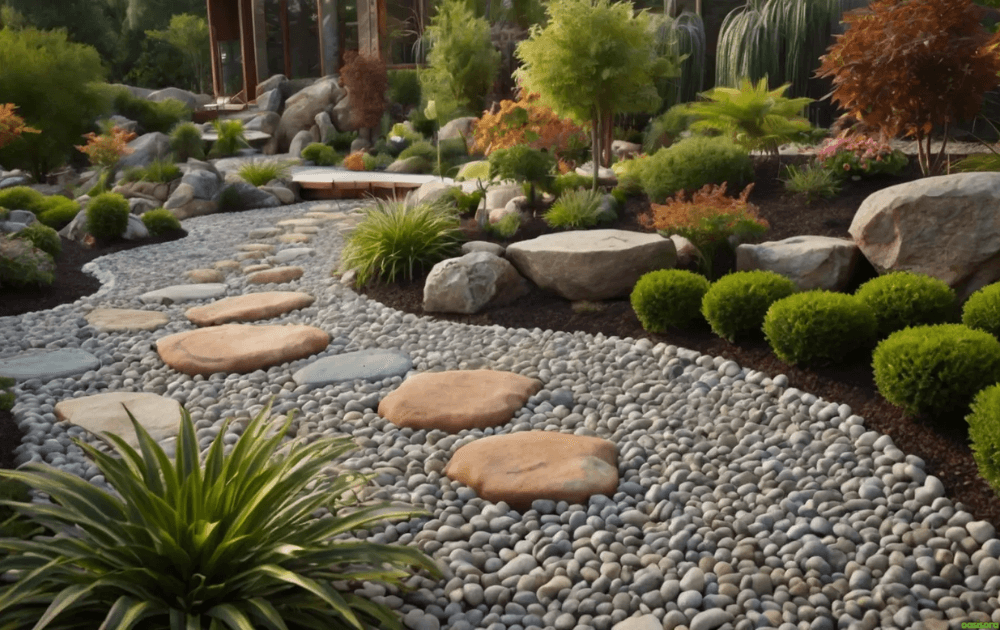
Stone and gravel naturally work together to shape meaning and movement. In most popular zen garden stone arrangement ideas, this pairing helps create contrast, depth, and a clear visual rhythm without adding extra elements.
Stones as Islands; Gravel as Water
Stones are placed as solid forms, while gravel surrounds them like open ground. This sharp contrast allows stones to stand out clearly and gives the layout a sense of separation and flow. Moreover, the spacing between stones matters as much as their placement.
Raked Lines Highlighting Stone Shadows
Raked lines are made around stones to show their shape. Once I saw these lines follow the stone’s edge. I noticed that shadows became more visible, and the overall layout felt more defined without looking heavy.
Contrasting Stone Color With Gravel for Depth
Light gravel and dark stones work well together and prevent the space from looking flat. This eye-catching contrast helps each element stay clear, avoiding the layout from blending into one flat surface. Trust me; subtle color differences work better than bold changes.
Small-Space Zen Stone Arrangement Ideas
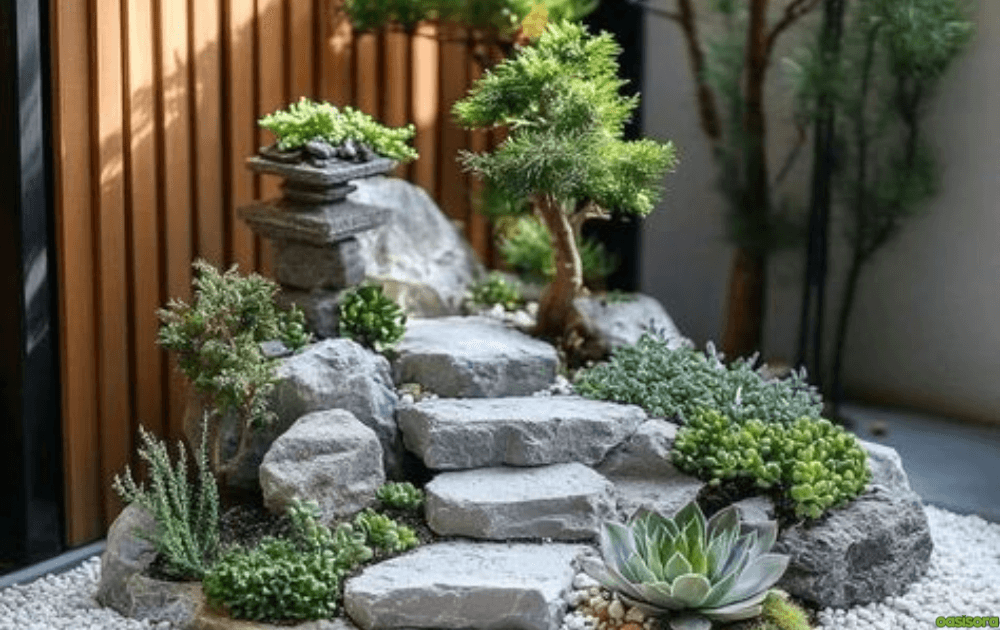
Limited space does not limit design. Even a small corner can feel settled when stones are placed with care and clear intention at the right points. What matters the most here is scale, spacing, and choosing arrangements that do not crowd the area.
Mini Rock Groupings for Balcony or Patio Corners
Small stone clusters work well in tight areas like balconies or patio edges. Two or three stones with space around them are enough to shape the entire region. Especially when stones are kept low and uneven, the corner feels defined without feeling closed in.
Tabletop Zen Sand Tray Stone Ideas
A shallow tray with sand and a few stones brings the same principles indoors. I once tried placing one lead stone and one supporting piece to help the tray feel balanced, not decorative, and luckily, the strategy worked out. This approach is often used in zen garden stone arrangement ideas, where space is limited, but its meaning is still important.
Vertical Stone Towers (Cairns) for Visual Focus
Vertical stone stacks draw the eye upward, which helps small spaces feel taller. However, remember, these towers should stay simple and slightly uneven. When kept modest in height, they add focus without taking over the area’s beauty.
Practical Tips for Arranging Stones Correctly
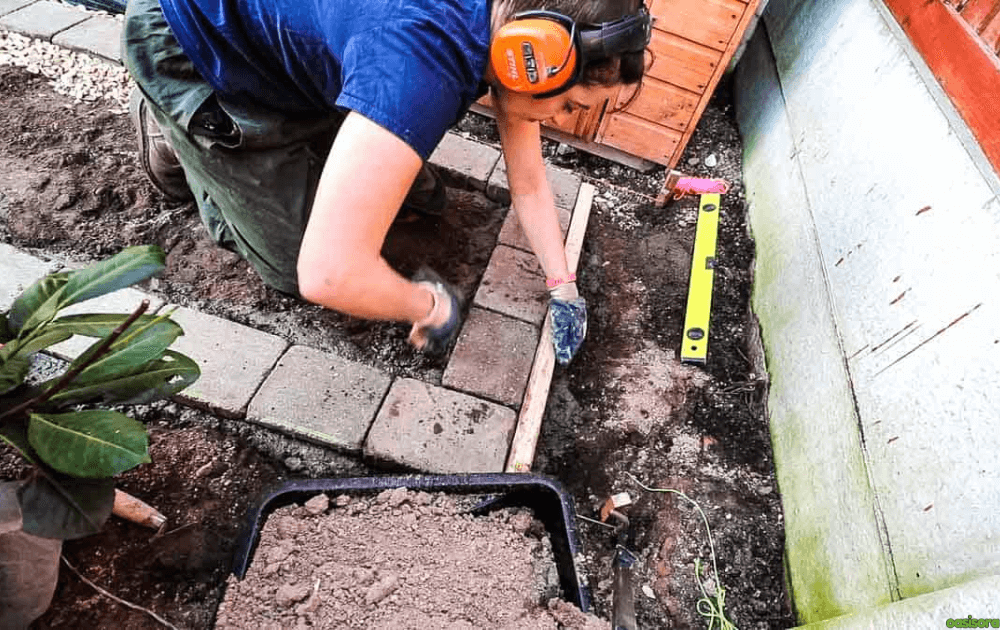
Good stone placement depends on simple decisions made early. The following tips and tricks work well to avoid mistakes. In most cases, even some small adjustments are enough to make significant differences.
1. Choosing the Right Size & Proportion
Choose stones that suit the size of the area. Big stones look out of place in small spaces, and very small stones can be hard to notice in larger ones. Using the right proportions keeps the layout clear, balanced, and well set.
2. Burying 1/3 of the Stone for a Natural Look
Partially burying stones keeps them from looking like they were just placed on top. I noticed that rocks that sit deeper into the ground feel more steady and better connected to the space. This trick is often applied in zen garden stone arrangement ideas to avoid a loose or artificial look.
3. Aligning Stones to Create Visual Flow
Stone placement should guide the eye in one clear direction. Aligning stones at slight angles instead of straight lines creates movement and helps the layout feel connected from one point to another.
4. Avoiding Symmetry & Overcrowding
Even spacing and mirrored layouts can make a space appear stiff. Leaving gaps and using fewer stones, however, keeps the arrangement open and approachable. When stones have room to stand apart, each one feels more meaningful.
Final Thoughts
Simplicity often leaves the strongest mark. When arranging stones, focus on placement before adding more pieces, because fewer elements usually create a stronger impact. My advice is to step back often while arranging and determine how the space feels beforehand from different angles. Then place the stones according to the tips and tricks given above. With the right zen garden stone arrangement ideas, any space, large or small, can feel balanced, thoughtful, and well-set without feeling heavy, rushed, or complexed.
FAQs
How many stones should a Zen garden have?
There is no fixed number. Most layouts work best with three to five stones, placed with enough space so each one feels intentional. This approach is often followed in zen garden stone arrangement ideas, where balance matters more than quantity.
What types of stones look most natural?
Stones with uneven shapes, rough texture, and signs of age blend better. Avoid stones that look polished or machine-cut.
Should stones be buried or placed on top?
Stones should be partially buried. Setting about one-third into the ground helps them look stable and naturally settled.
How to avoid a “forced” or artificial look?
Use fewer stones, avoid symmetry, and leave open space. Let the placement of rocks feel loose, free, and guided rather than perfectly planned.