
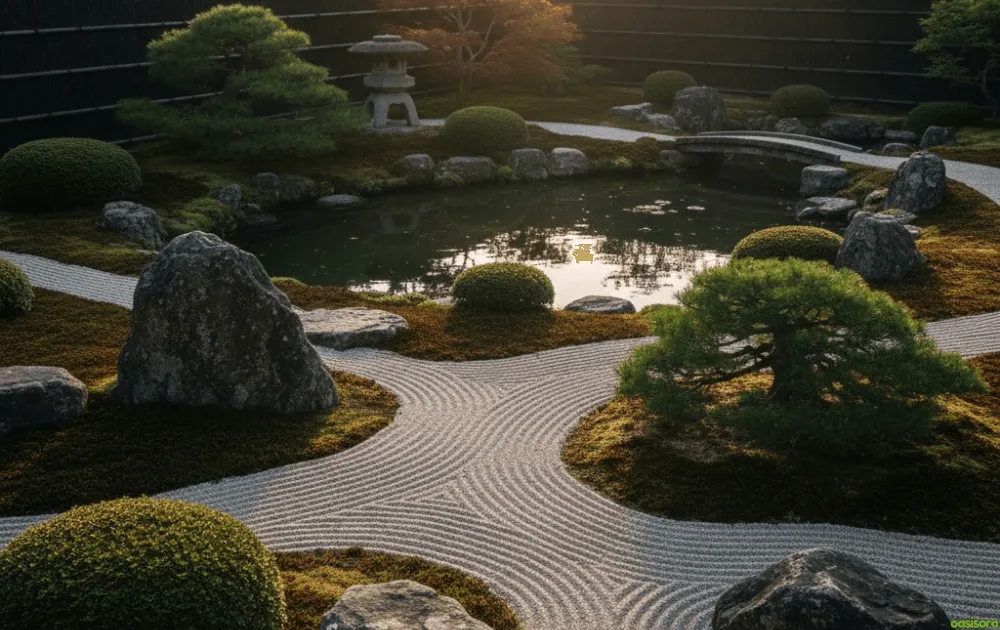
When you step into a traditional Japanese garden, everything appears perfectly arranged and well-connected. Moreover, the aesthetic visual effect typically comes from careful color choices taken directly from nature.
While visiting various Japanese-style gardens over time, I observed that their colors are never loud or random. Learning what colors dominate traditional Japanese gardens helps explain why these spaces feel ordered, thoughtful, and closely tied to the natural surroundings.
Today, let’s discover how each color plays its role and why these choices have been used in decorating and beautifying Japanese gardens for many years. Let’s get started.
Earth Tones as the Foundation of Japanese Gardens
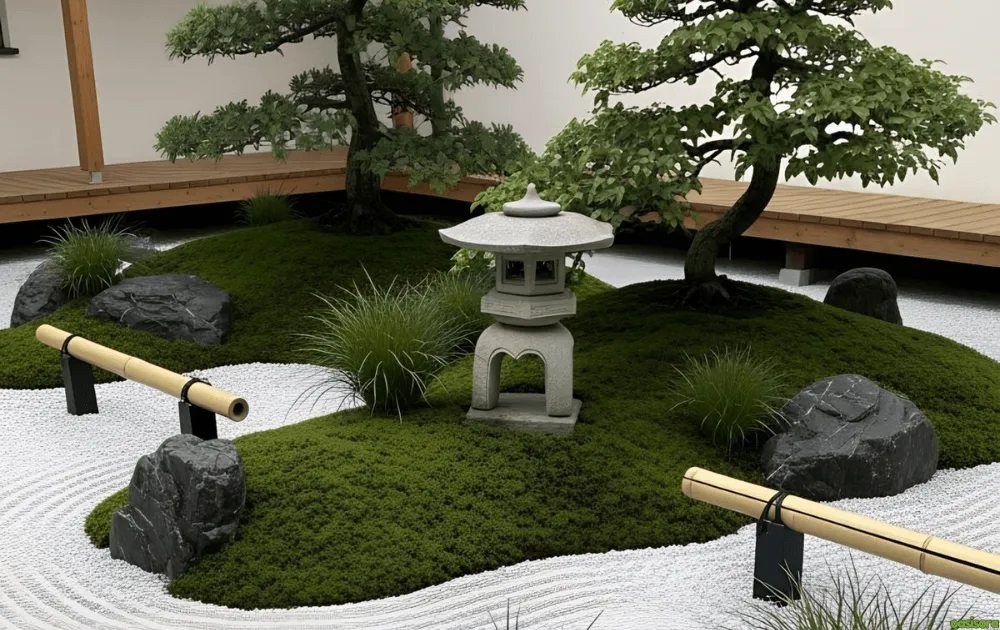
Earth tones sit at the base of traditional gardens. These shades usually come from the land and help the space feel connected. From my perspective, understanding what colors dominate traditional Japanese gardens often begins with these grounded shades because they quietly hold the entire design together in one place.
Browns and Tans

Browns and tans appear in soil, wood, tree bark, and garden paths. These shades help blend the various garden structures and plants into one natural flow. Additionally, these colors also prevent sharp visual breaks and keep everything feeling continuous throughout the land.
Stone Grays
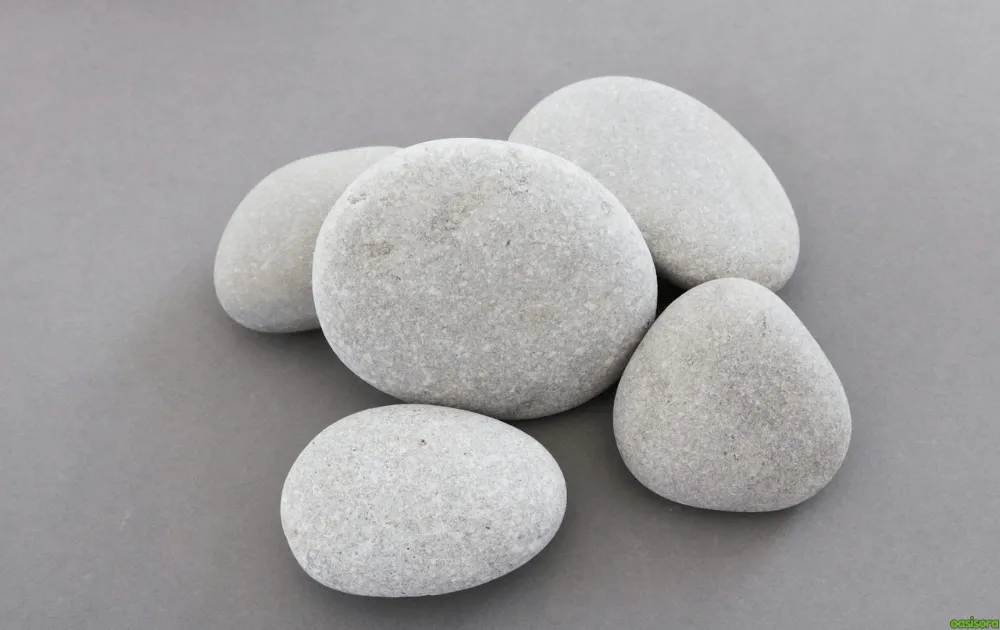
Stone grays are normally seen in gravel, rocks, and stepping stones. These tones help define paths and bring structure without pulling attention away. According to my observation, they give the garden a steady and lasting look while paving a way for the visitor to move through the right walkways.
Green — The Dominant Color in Traditional Japanese Gardens
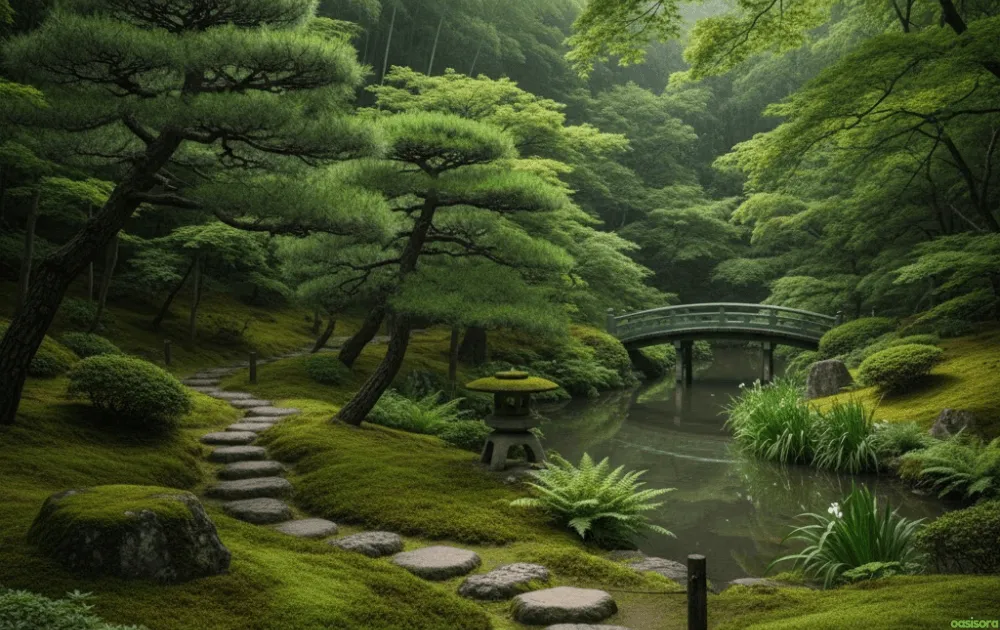
Green is the most visible color in most traditional Japanese gardens. It comes from plants that stay naturally healthy and fresh throughout the year. That is why green is used to create a sense of serenity and peacefulness rather than decoration.
According to the Japan National Tourism Organization, Japanese gardens are primarily designed to reflect nature using restrained colors, natural materials, and seasonal changes.
1. Moss Green

Moss green is seen in shaded spots, around stones, and near water. Mosses usually grow slowly and settle over surfaces in an even layer. Interestingly, this color shows age and depth, making time visible rather than hidden.
2. Evergreen Green
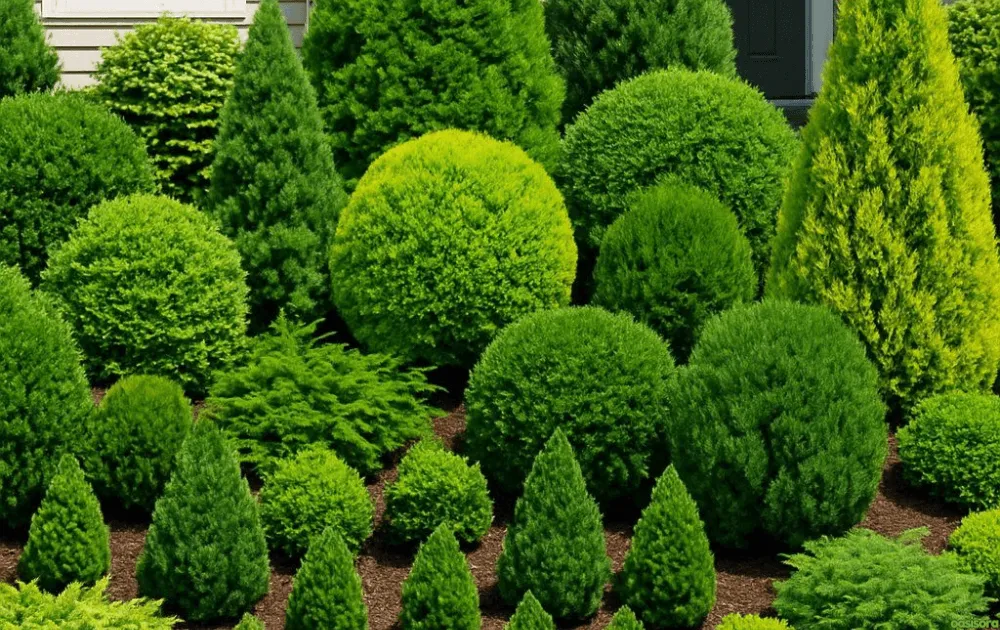
Evergreen green comes from pines, bamboo, and shaped shrubs. These plants retain the garden’s structure in every season. Moreover, evergreens help maintain balance all year, even when flowers and leaves change their shape and color. I found this while studying garden layouts.
White as a Symbol of Purity and Space
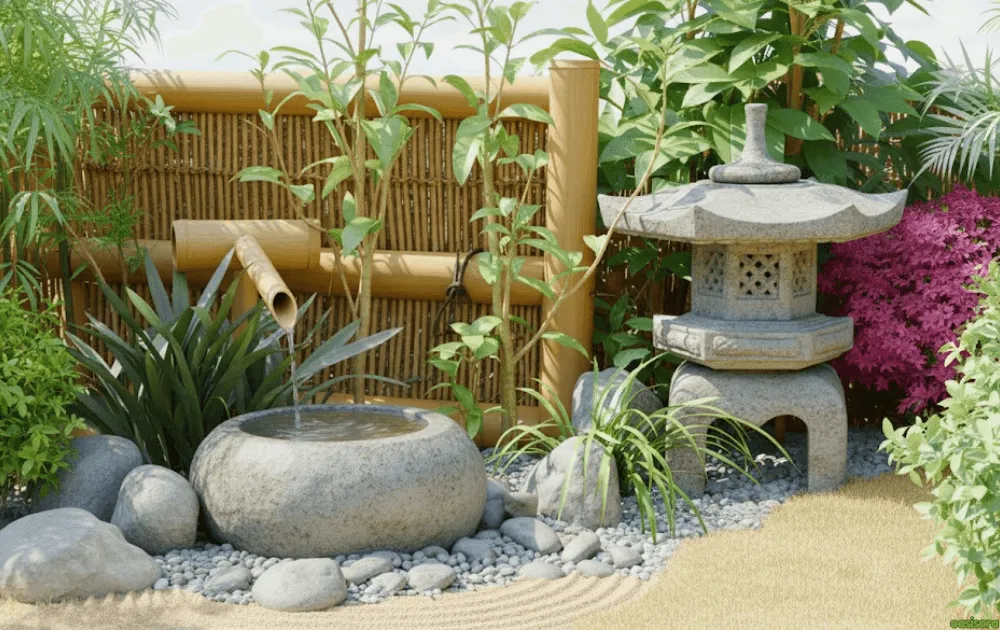
White is typically used with care in traditional gardens. Interestingly, it is not meant to stand out but to create space and clarity. While settling, white helps other colors breathe and exhibit their unique charm. When looking at what colors dominate traditional Japanese gardens, white plays a quiet yet important role.
1. White Gravel and Sand
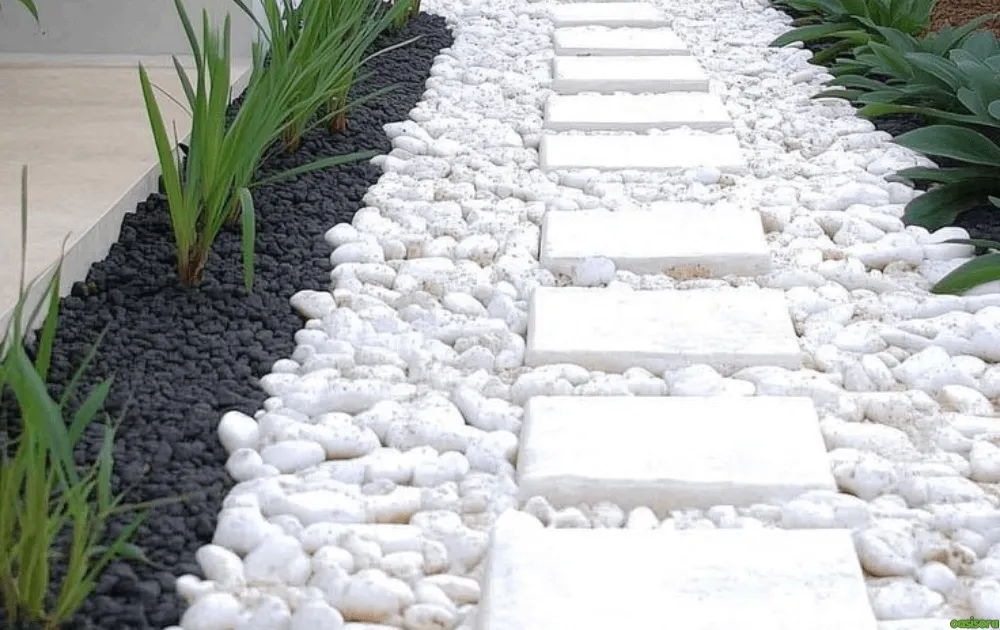
White gravel and sand are common in dry gardens, also called Karesansui. These surfaces are raked to suggest water and movement without using actual water. Once I used this white mixture, it created a feeling of openness and steady flow while keeping the space’s overall vibe simple and controlled.
2. White Flowers
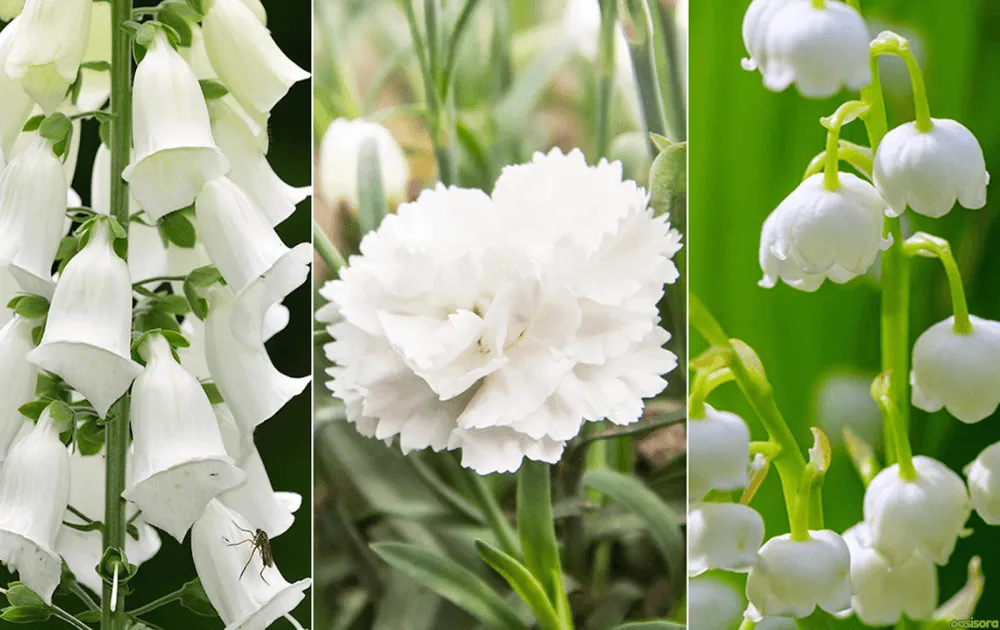
White flowers appear in limited amounts and only during certain seasons. They are never overused. When learning planting patterns, I got to know that white flowers are usually placed to highlight a moment in time, rather than to decorate and beautify any garden.
Red and Orange as Controlled Accents
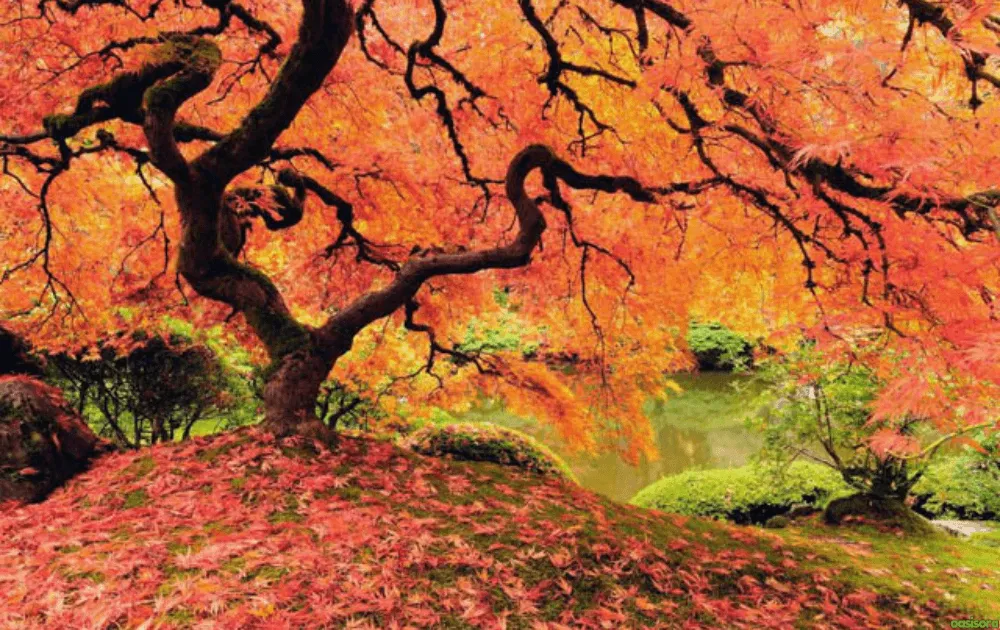
Red and orange are used sparingly in traditional Japanese gardens. Both these colors are meant to highlight moments and enhance their beauty, not to fill the space. From what I have noticed personally, their impact comes from restraint, not repetition.
Autumn Reds
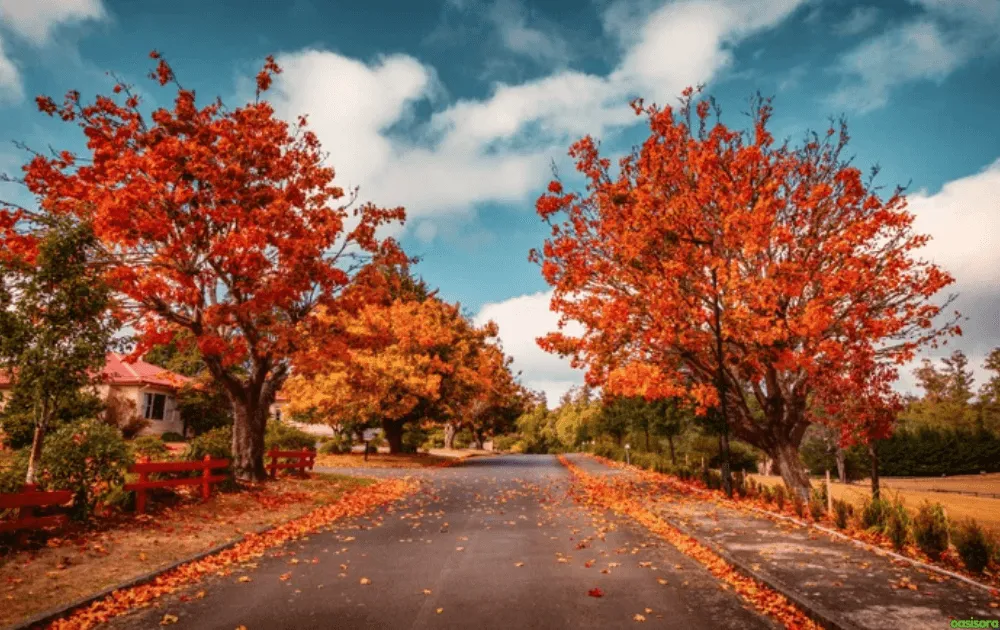
Autumn reds mostly appear through Japanese maple leaves. These tones show up briefly and then fade soon. I have seen how a small area of red foliage can draw away the eyes’ attention while still keeping the garden balanced. Moreover, this color also somehow reflects seasonal changes and impermanence.
Vermilion Elements
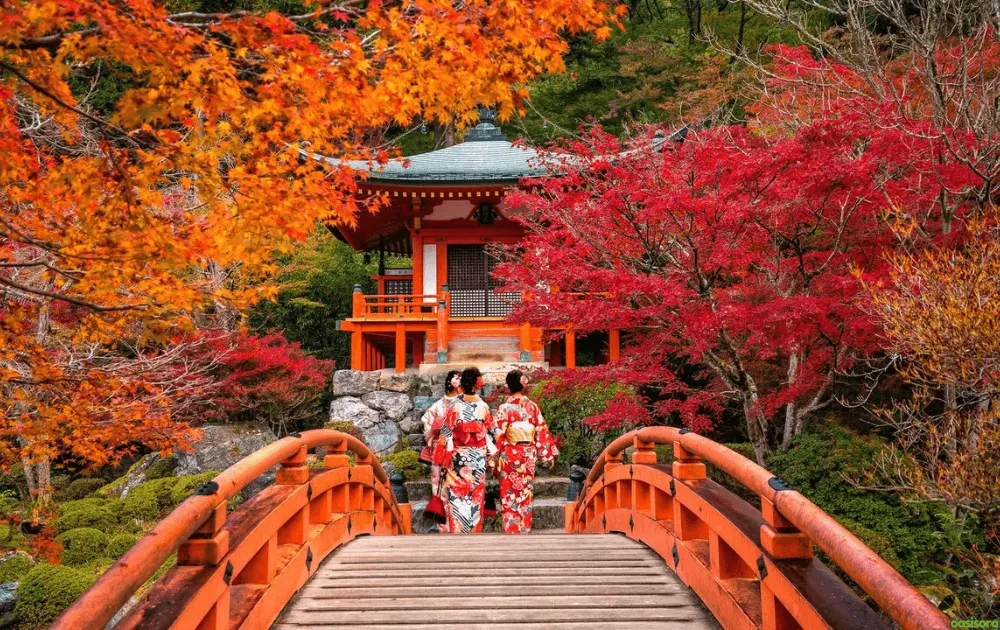
Vermilion red is used on torii gates, bridges, and lanterns. This color carries cultural and spiritual meaning. A neighbor of mine added a single vermilion lantern near a garden entrance after visiting Japan. That one element guided the eye without disturbing the rest of the space, showing how controlled accents support what colors dominate traditional Japanese gardens.
Subtle Use of Black and Dark Tones
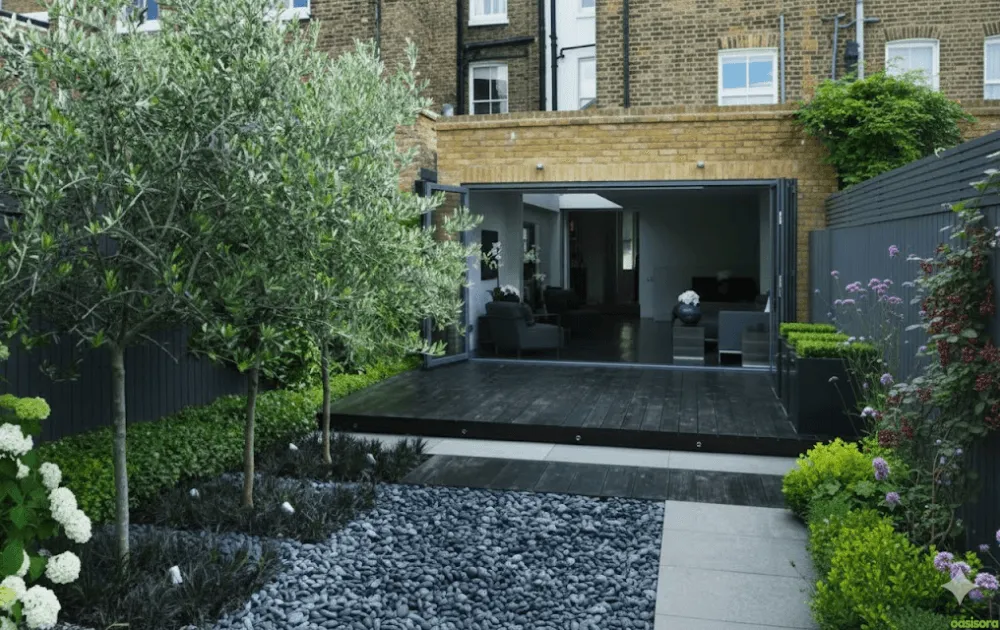
Black and dark tones are used quietly in traditional Japanese gardens. They are never the focus, yet they shape how other colors are seen. These darker shades help control color contrast and keep the layout clear. This balance is part of what colors dominate traditional Japanese gardens without adding visual weight.
(i) Dark Stones and Wood
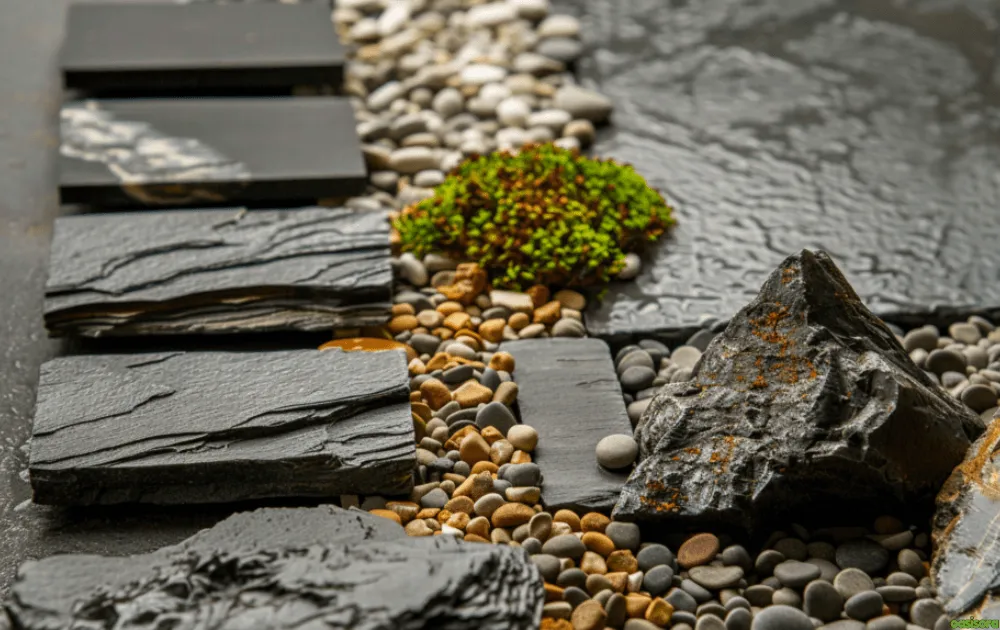
Dark stones and aged wood often appear in paths, fences, and garden edges. These tones add depth and help frame lighter elements like stones, gravel, or plants. When I placed stone for the first time, I observed that darker materials guided the eye through the walkway and defined a clear path in the space without needing strong color.
(ii) Shadow as a “Color.”
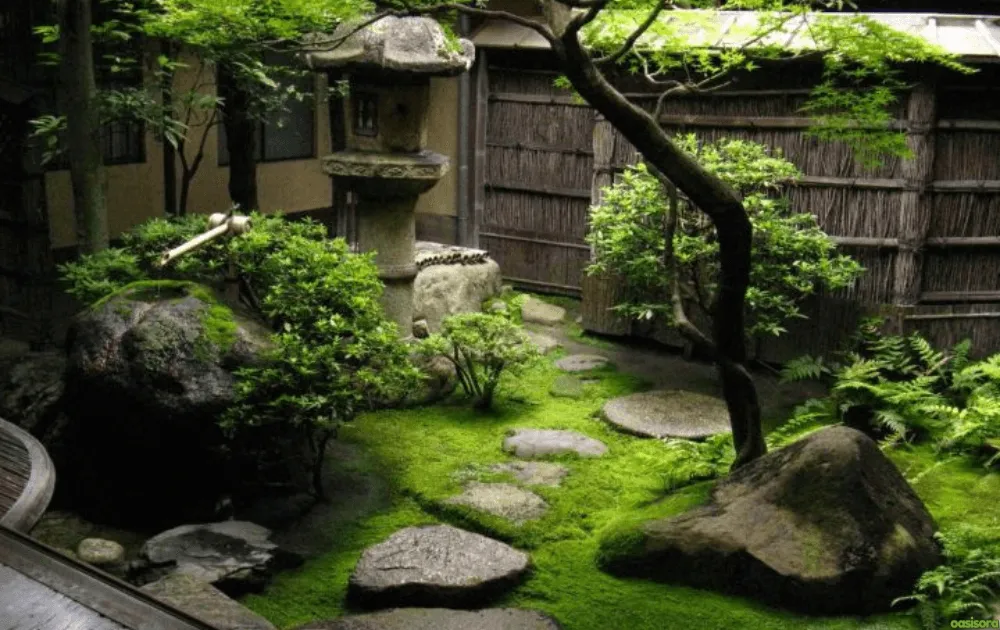
Interestingly, sometimes shadow is treated like a design tool too. Shade from trees, walls, and other structures defines how colors appear throughout the day. In most of the gardens I have spent time in, light and shadow worked together to keep the space balanced, proving that contrast matters as much as color itself.
Seasonal Color Changes in Japanese Gardens
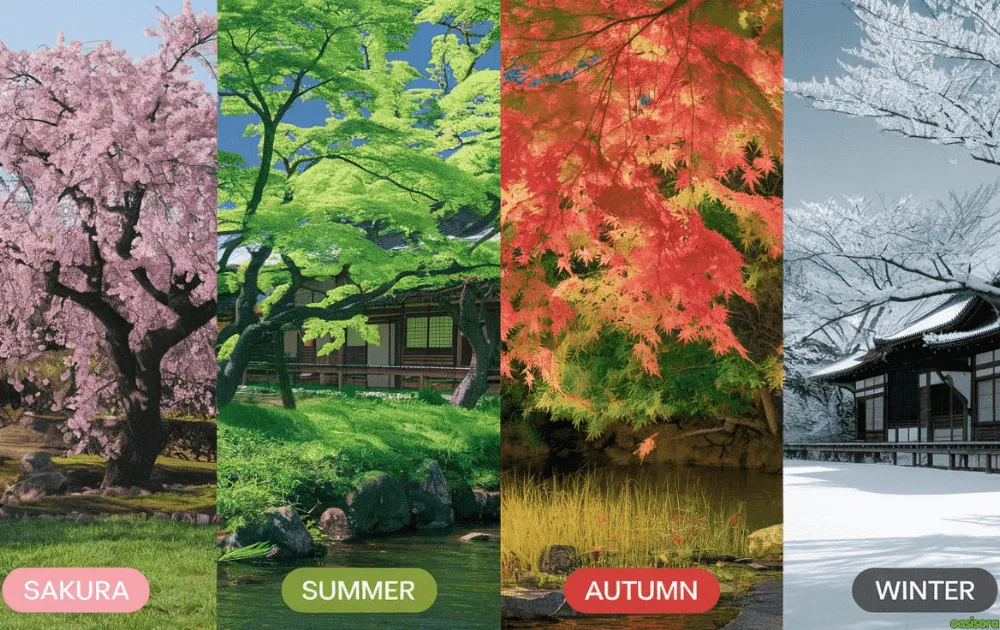
Seasonal change is a core part of these garden designs. Colors shift with time, not trends. From what I have seen across different seasons, this rhythm helps explain which colors predominate in traditional Japanese gardens. Let’s see the seasonal color changes below in detail:
1. Spring Pastels
Spring brings cherry blossoms and soft greens. Also, pale pinks appear briefly, supported by fresh foliage. During spring visits, I feel that lighter shades are spread gently, allowing the season to speak and stand out without taking over the garden’s view.
2. Summer Greens
Summer focuses more on the deeper greens of trees, shrubs, and ground cover. During this season, growth stays full yet carefully managed. Moreover, during warmer months, pruning frequently keeps the garden shaped and stops the space from feeling overgrown.
3. Autumn Warm Tones
Autumn introduces reds, oranges, and touches of gold, mainly through leaves. However, these colors appear only for a short period. In practice, these warm tones are more striking, reinforcing the sense of seasonal shift.
4. Winter Neutrals
Winter strips the garden back to stone, snow, and evergreens. Colors become quiet and minimal. I personally love how winter reveals the garden’s true structure, showing that balance matters and beautifies a space even when color is limited.
Why Are Bright Colors Rare in Traditional Japanese Gardens?

Strong shades usually pull away the eyes’ focus and disturb a peaceful balance. Maintaining restraint keeps the design clear while supporting what colors dominate traditional Japanese gardens.
Also, remember, natural ageing matters and plays a crucial role in a garden’s coloring. Wood fades, stone darkens, and plants’ colors change over time. According to my experience, gardens look better when all the different elements are allowed to weather naturally instead of staying bright and in the same shape and color.
Japanese gardens are different from many Western gardens, which rely on constant color. These gardens focus more on form, texture, and time rather than bold shades.
How Do These Colors Work Together Harmoniously?
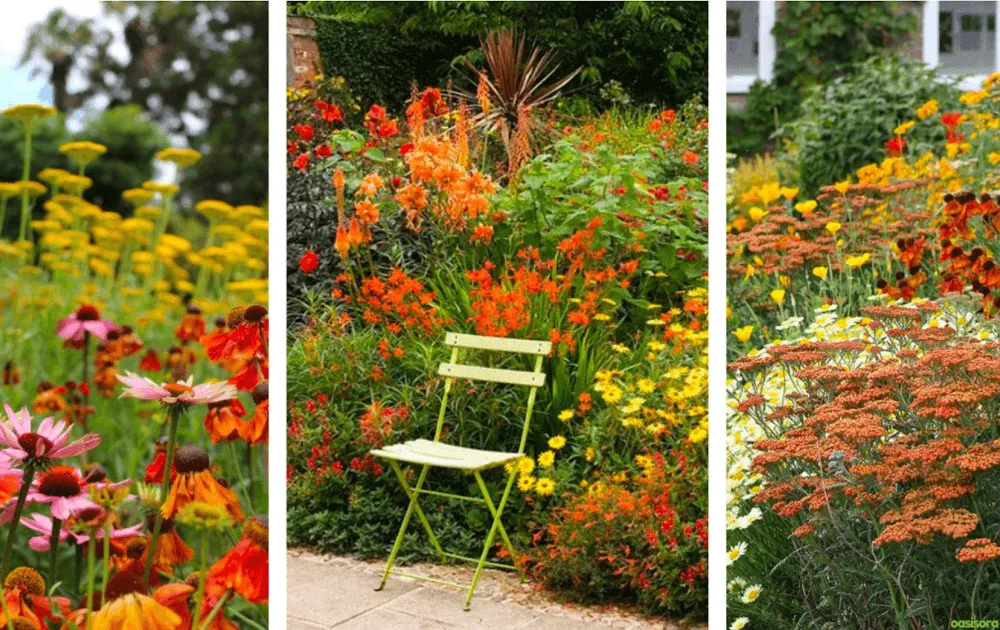
According to the Smithsonian National Museum of Asian Art, Japanese garden designs focus well on balance, space, and subtle color use rather than decoration. They rely on balance rather than variety. Even a small range of tones is repeated across the space to keep everything connected.
While observing different gardens, I found that restraint allows each element to support the next. This approach helps explain what colors dominate traditional Japanese gardens without needing strong contrast.
Furthermore, repetition brings a precise order. The same greens, stone grays, and earth tones appear again and again in different forms, showing an overall unity. Nature leads the palette, and the design follows naturally instead of forcing colors into a space.
Common Misconceptions About Japanese Garden Colors
Many people wrongly believe these gardens should be colorful and filled with bright flowers throughout the year. Also, they expect them to look like decorative flower gardens in all seasons. But nature doesn’t work that way.
In reality, traditional Japanese gardens rely mostly on greens, stones, and neutral tones. Flowers are used less on purpose, not because something is missing. In my opinion, fewer colors make texture, form, and space easier to notice than when they are cluttered.
In short, garden colors support balance and peacefulness, not just beauty and decoration.
Final Thoughts
Traditional Japanese gardens rely mostly on greens, grays, neutral tones, and short seasonal contrasts. Nothing is added without purpose. Over time, I have learned through close observation that a restraint is what gives these gardens their lasting appeal. Understanding what colors dominate traditional Japanese gardens makes it easier to see how subtle choices, symbolism, and balance work together to create an aesthetic and thoughtful garden view and a serene experience.
FAQs
What is the most common color in traditional Japanese gardens?
Green is the most common color in most Japanese gardens. It naturally comes from moss, evergreens, and shrubs that remain in place all year round.
Why are bright flowers limited in Japanese gardens?
Bright flowers can distract the eyes and attention from the main point. Japanese gardens focus more on structure, texture, and diverse seasonal changes.
Do Japanese gardens change color with the seasons?
Yes, colors shift naturally with spring blossoms, summer greens, autumn leaves, and winter neutrals all year round.
Can white be a main color in a Japanese garden?
White is used carefully, mainly in gravel, sand, or limited flowers, to create space and clarity rather than decoration.