
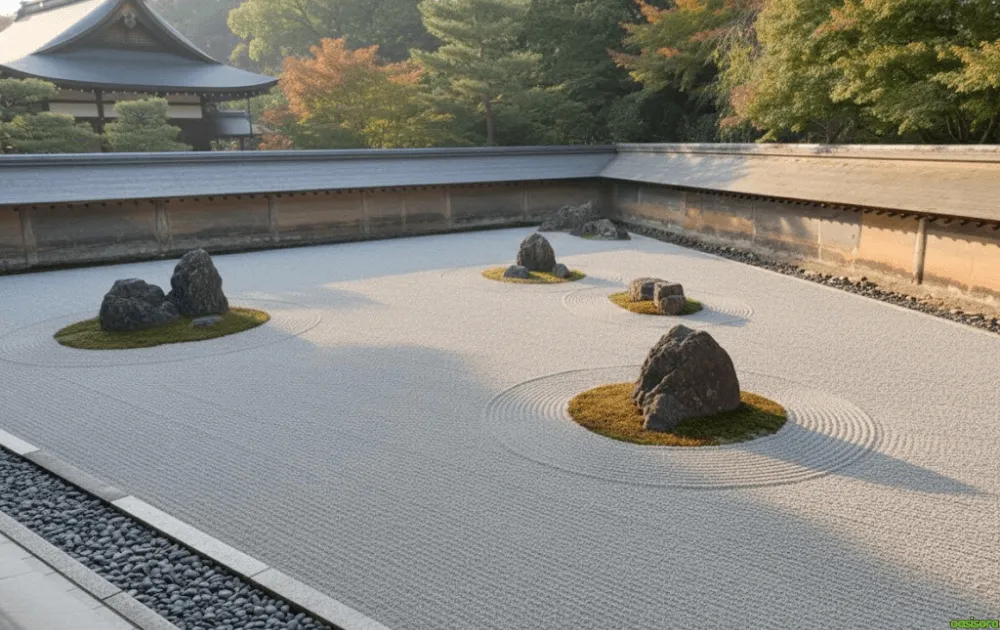
Many places look full, so they do not feel calm. When too many elements get added, the space loses its peace and purpose. Zen gardens are different because they give value to what is left open. The answer to the question of why is empty space important in Zen gardens becomes clear when you notice how silence, pause, and distance help the mind slow down and relax. I have experienced the significance of an empty space in an open yard or garden personally while spending time around Zen-style spaces, where less detail made the setting calmer, steadier, and easier to focus on.
What Does “Empty Space” Mean in Zen Gardens?
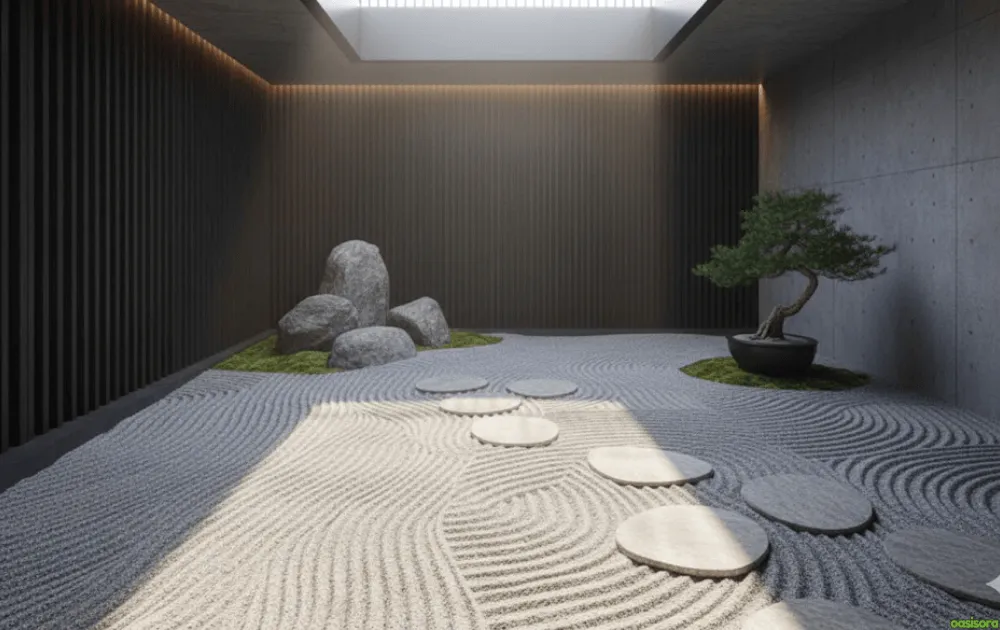
Empty space in Zen gardens is not left by accident. It is placed with care to maintain the balance that gives the garden its quiet strength. It shows why empty space is important in Zen gardens, where meaning is shaped as much by space as by objects.
In Zen design, open areas allow the eyes to rest and the mind to slow down. When fewer elements are present, stones, gravel, and moss become easier to notice. I have myself seen how this works in Zen-style spaces, where silence and distance make each detail feel clear instead of lost.
Concept of “Yohaku No Bi”
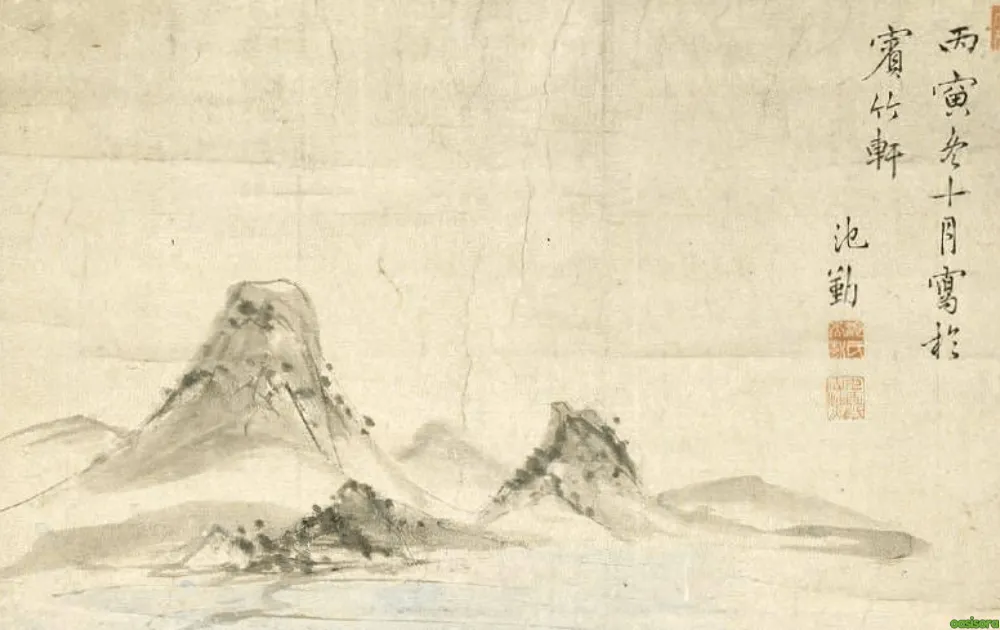
This idea is closely linked to Yohaku no bi, which refers to the “Beauty of emptiness.” It values what is left empty rather than what is filled. The space invites thought without demanding attention, giving the viewer room to feel and reflect in their own way.
Most importantly, this emptiness is intentional. Designers stop adding elements at the right moment, knowing that more would weaken the balance. By leaving space untouched and free, the garden stays calm, focused, and complete.
The Philosophical Roots of Emptiness in Zen
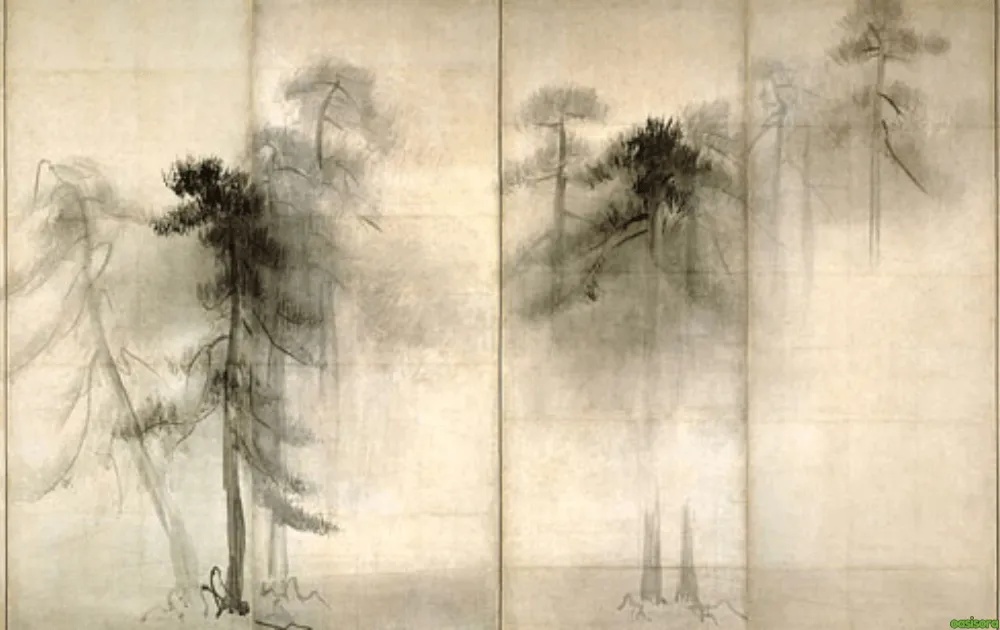
Traditionally, the idea of emptiness in Zen gardens comes from Zen Buddhism, where value is not placed on excess. At its core, Zen teaching encourages awareness and calm attention, while letting go of what is not needed.
Another key idea is Ma, which means the space between things. It is not a gap without meaning. It is the pause that gives shape to something according to what surrounds it. In Zen gardens, this spacing helps stones and gravel relate to each other in a clear and more natural way.
BBC Culture notes that silence and absence are meaningful in their own ways, especially in Zen thoughts. These gardens use space and silence to support reflection, clarity, and mindful observation rather than decoration. When nothing is trying to grab attention, the mind settles on a spot on its own.
I experienced this while sitting quietly near an open garden area, where the lack of sound and movement made it easier to stay present and enjoy the beauty of nature at the current moment. Typically, a Zen design uses silence to help people stay calm, peaceful, and focused enough.
Empty Space as a Tool for Mindfulness
How Open Space Calms the Mind
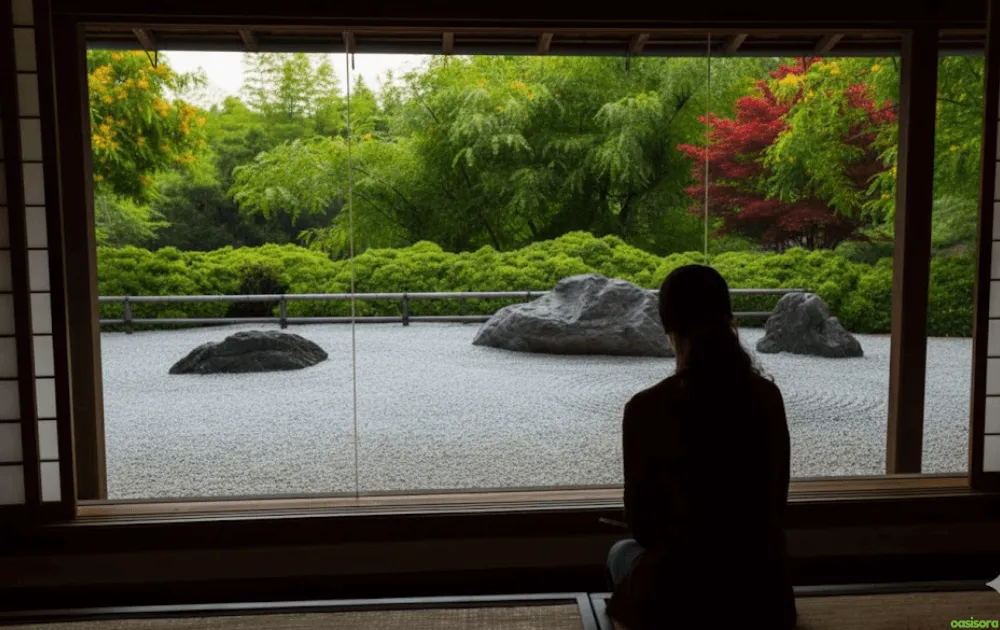
Undoubtedly, open space in Zen gardens helps the mind slow down. When the area is not crowded, the eyes move smoothly, and the brain feels less busy. This is one reason why empty space is important in Zen gardens. Indeed, a calm view makes it easier to think clearly and generate thoughtful ideas in less time.
Encouraging Stillness and Reflection
Stillness comes naturally when fewer things demand attention. With wide, open areas, it becomes easier to sit quietly and ponder on things while staying in the present moment. I felt this once while spending time near a Zen-style space, where the layout itself made my mind’s slowing down feel natural.
Reducing Mental Clutter
Simple visuals also reduce mental clutter. Clean lines, open ground, and quiet patterns somehow keep the mind from jumping between details. Zen gardens use this simplicity to help people feel focused without any effort.
How Does an Empty Space Enhance the Elements Around It?
Making Rocks, Moss, and Gravel More Expressive
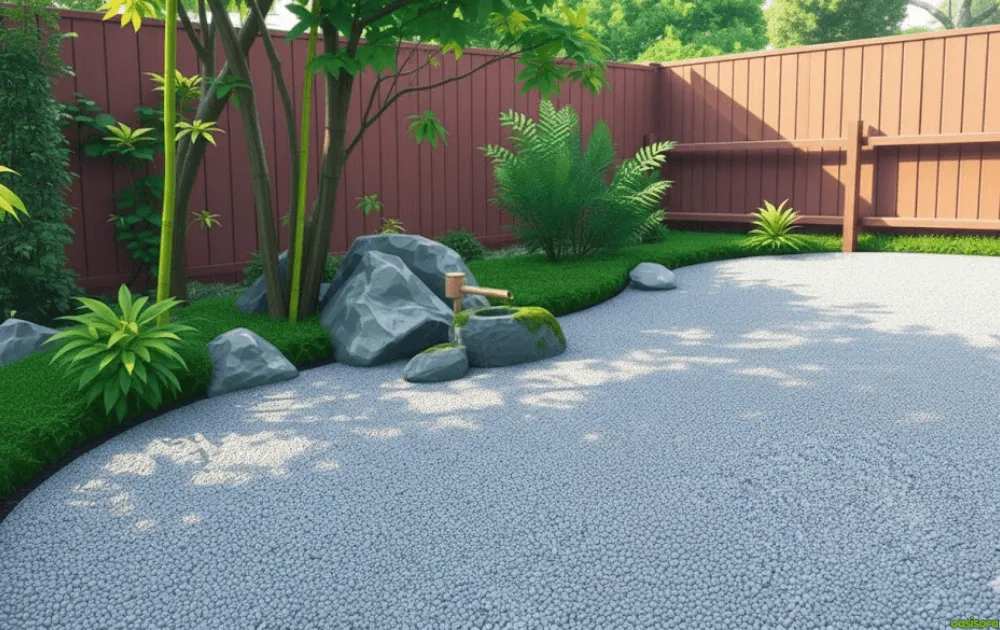
When space is left open, the visible parts become clearer. A single rock feels heavier. The texture of gravel becomes clearer. Even a small patch of moss feels important because nothing is pushing against it.
According to research on traditional Japanese gardens, open areas help stones and gravel stand out more clearly, so each element can get noticed on its own.
I remember standing near a simple Zen-style garden during a quiet afternoon. There were only a few stones and wide-open gravel. Interestingly, my eyes kept returning to the same rock. Although it was not special on its own, the space around it made it feel meaningful and the center of attraction.
Contrast and Balance
Secondly, contrast also plays a significant role. Light sand next to dark stone feels balanced when there is room between them. Ultimately, the eye can move slowly and rest without pressure.
You see, using fewer elements makes the entire scene feel calm and meaningful. This is where you understand: Why is empty space important in Zen gardens? The space actually gives strength to what remains instead of making the garden feel vacant.
Symbolism of Empty Space in Zen Gardens
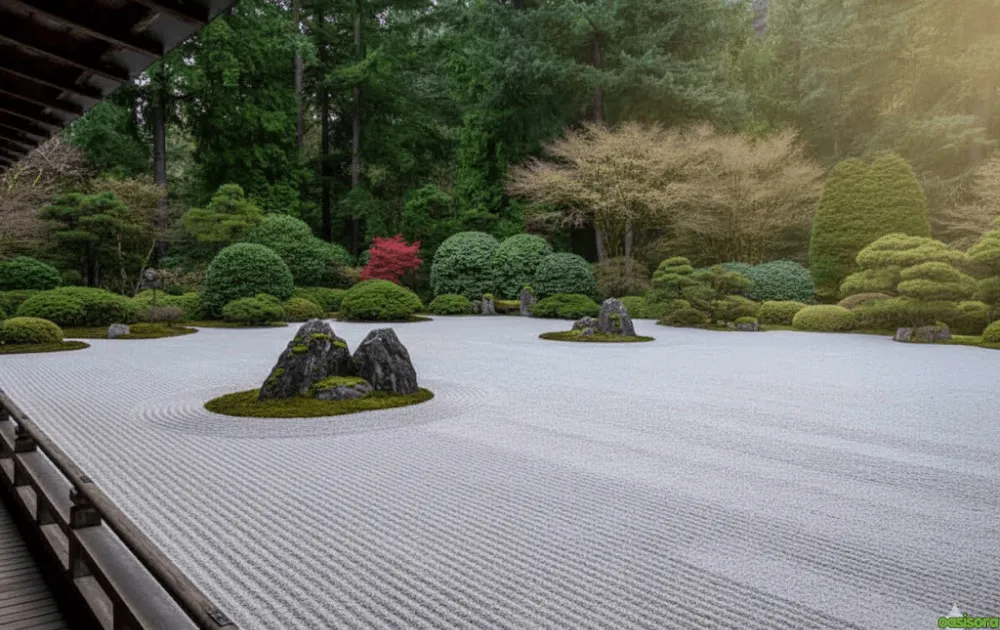
Open space in Zen gardens often represents things we cannot see or hold. Wide areas of gravel can feel like water, calm and flowing. Similarly, large open sections may also resemble the sky, giving a sense of openness and freedom.
This space can suggest infinity as well. When there is nothing blocking the view, the garden feels endless. At the same time, it reminds us that nothing stays the same. Raked lines fade, light shifts, and shadows move, showing how everything changes with time.
I once visited a Zen-style garden where most of the ground was left open. Different thoughts came to mind each time I looked around for something new. That is the beauty of this design. Meaning is not fixed. Each person is free to feel and understand it in their own way.
The Role of Empty Space in Karesansui (Dry Zen Gardens)
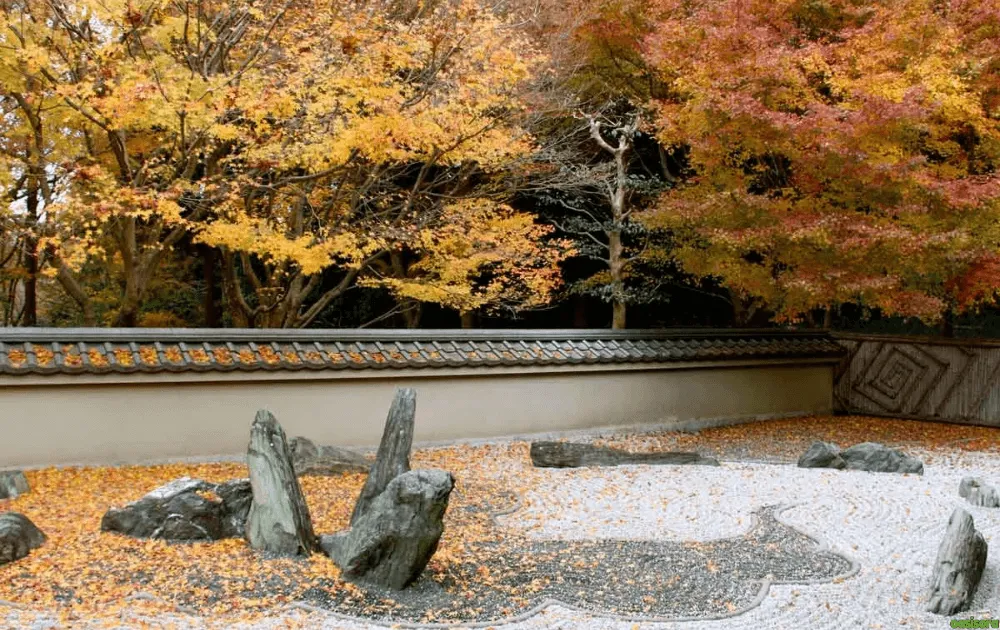
In karesansui gardens, raked gravel works as active emptiness. Even though the ground looks bare, the patterns give it purpose. The space is doing something, not sitting idle. There lies a feel of a movement within stillness. The gravel does not move, yet the lines guide the eyes gently from one area to another. Nevertheless, this quiet flow keeps the mind focused without noise or distraction.
Furthermore, large open areas are intentional, primarily in dry Zen gardens. They give space for balance and calm. When I first spent time in one such dry garden, I noticed how the wide empty ground felt powerful. Although the openness made the stones feel stronger, the whole space felt easier to sit in.
Empty Space vs. Western Garden Design
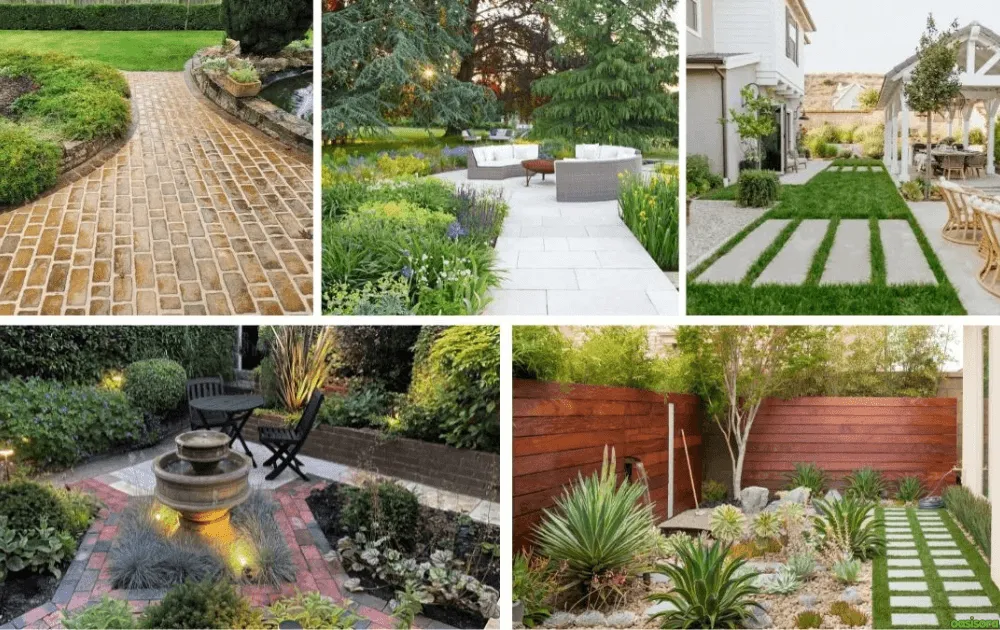
1. Decoration vs. contemplation
Western gardens are usually designed to look full. Flowers, colors, and objects are added everywhere to decorate every corner. Zen gardens follow a different path. They are created for a peaceful sitting, not for a beauty display.
2. Visual Fullness vs. Mental Openness
In many Western spaces, fullness is seen as beauty. Zen gardens value mental openness instead. When the view is simple, the mind feels lighter. I personally experienced this while spending time in a calm Zen-style area. With fewer things to look at, it was easier to stay present.
3. Why Do Zen Gardens Resist Excess?
Zen gardens avoid adding extra features on purpose. Too many elements can disturb the balance and tranquility of an area. Leaving space untouched keeps the space purely calm and natural, which is central to the way these gardens are designed.
How Empty Space Creates Balance and Harmony
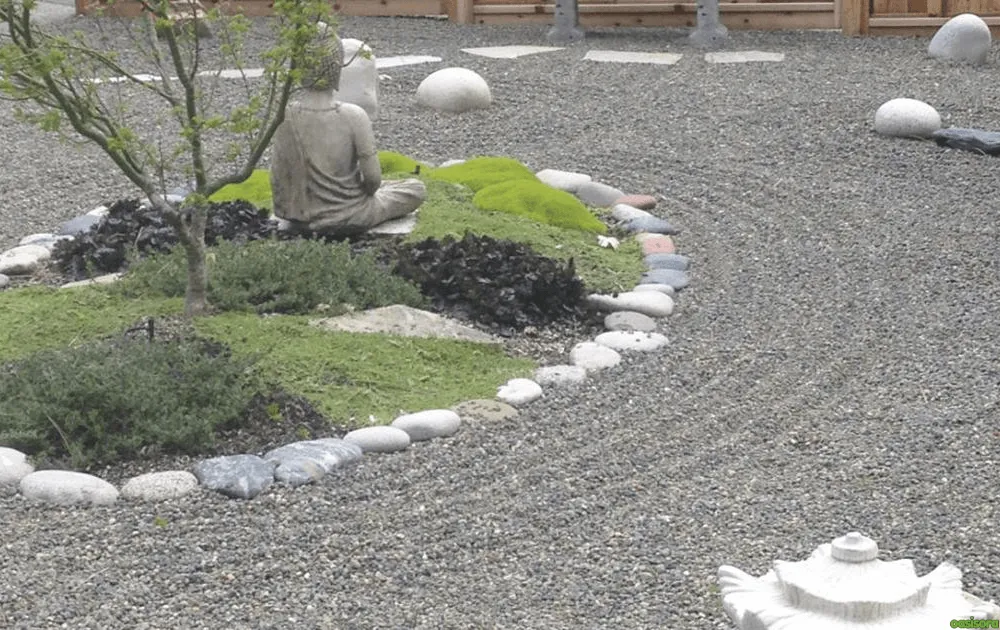
1. Asymmetry and Natural Flow
Zen gardens do not aim for perfect symmetry. Instead, elements are placed randomly and unevenly, so the space feels more settled and unoccupied. Empty areas guide the eye gently from one point to another.
A friend of mine once told me about a small Zen-style garden he visited. He said the open space felt serene to him because nothing was trying to grab attention. When there was less around him, he felt more relaxed and at peace.
2. Preventing Visual Chaos
Too many objects can make a space feel busy and tiring. Open areas stop this from happening. By leaving space between elements, the garden stays clear and easy to look at. This makes each stone or plant feel more meaningful and valuable to the space.
3. Allowing the Garden to Breathe
Empty space gives the garden room to breathe. It creates pauses between forms, much like silence does in music. Those pauses help the space feel relaxed, calm, and balanced enough.
Common Misunderstandings About Empty Space
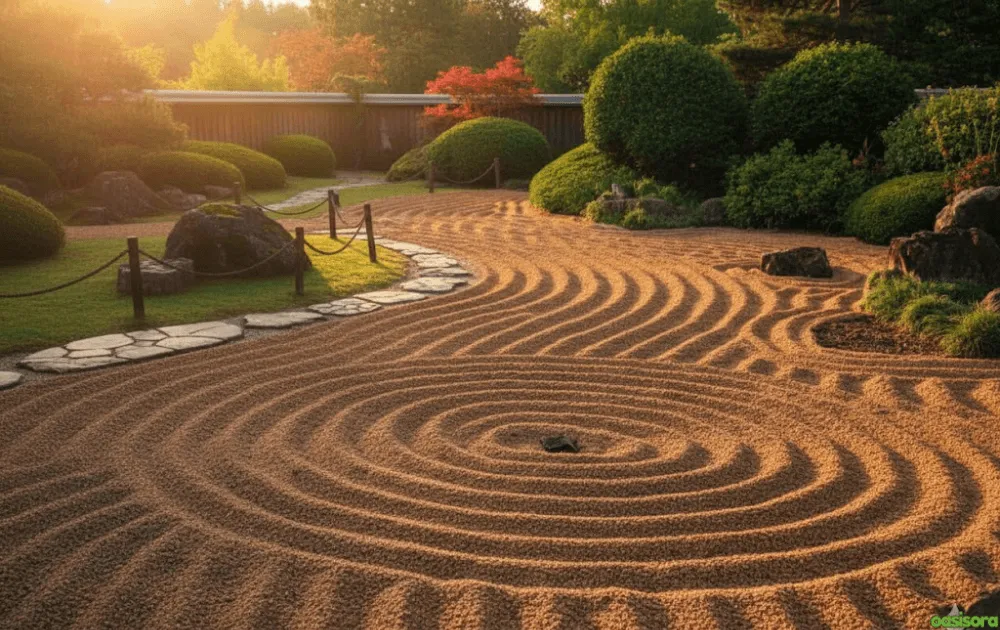
Many people think open areas mean the garden is not complete. In Zen design, this space is planned with care. Nothing is missing. The restfulness you feel comes from what is left open.
Some also believe minimal design means less work. In reality, it takes more thought. Every stone, line, and gap is chosen on purpose.
However, keeping things simple needs good control. It takes proper discipline to stop adding more than required. That restraint is what gives Zen gardens their strength and clear beauty.
Applying the Principle of Empty Space at Home
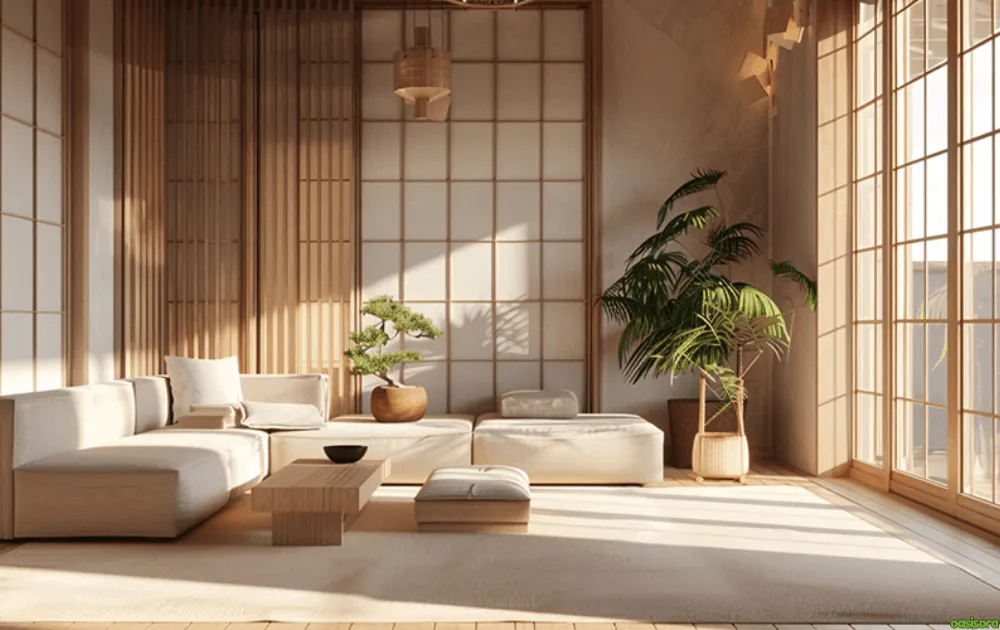
Knowing when to stop is the hardest part. When a space already feels at its best, adding more often breaks the perfect balance. This is why understanding why is empty space important in Zen gardens significantly helps, especially when shaping your own Zen place.
Leaving some areas open is not a mistake. Rather, those clear regions help the yard or garden feel light. They give the eyes and mind a place to rest.
Designing for serenity means choosing peace over decoration. Instead of filling every corner, focus on how the space feels when you sit there for a moment.
Why Empty Space Is the Heart of Zen Garden Design
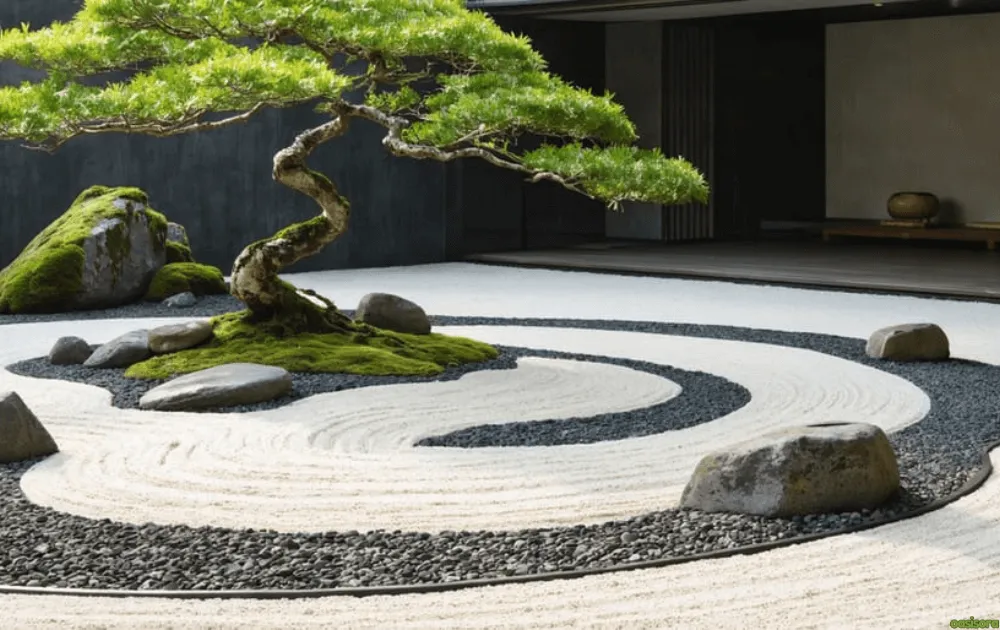
When open space is removed, the garden loses its true meaning and purpose. Too many objects distract the eyes and mind. Peace of mind typically comes from what is not added.
Empty space shapes the feeling more than stones or gravel ever can. The way an area feels depends on how much room each element gets. This thoughtful spacing guides attention and eyes without effort.
Moreover, emptiness also invites awareness. With fewer things to look at, the mind slows down naturally. That pause is where Zen gardens quietly work on you.
Final Thoughts
Empty space is not only a part of thoughtful decoration. It holds a message and feeling in itself. What stays open carries just as much value as what is placed. Zen gardens show that restraint creates depth. By holding back, the space becomes clear, calm, and even more meaningful.
While decorating, my best advice is to pause before adding more and place fewer elements thoughtfully. Sit with the space first, and notice how it feels and how many things it requires. Once you understand why is empty space important in Zen gardens, it becomes easier to choose what to place and where instead of cluttering. This balance is what stays with you long after you leave any Zen region.
FAQs
Why do Zen gardens leave so much space empty?
Open areas help the mind rest and stay focused on a specific purpose. They reduce distraction and support peacefulness along with beauty.
Does empty space mean the garden is unfinished?
No, the space is planned carefully and is a thoughtful part of the design.
Can this idea work in small home gardens?
Yes. Leaving even one area open can make a small space feel calmer and balanced.
Is empty space only used in Zen gardens?
It appears in much Japanese art, but Zen gardens use it most prominently.