
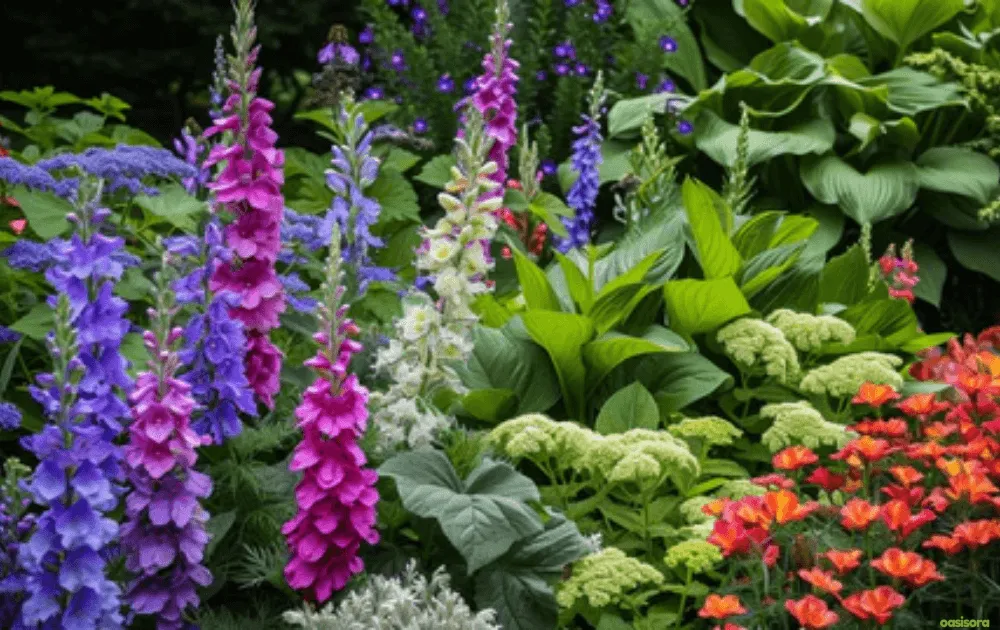
Florida wildflowers add a gentle, organic touch to any area as their bright colors give a garden life without delay. When I plant them in Florida, I notice how well they adapt to this state’s sun, rain, and sandy soil. Once they settle in, there is not much to worry about. Moreover, these flowers also help local bees, butterflies, and birds find food and shelter, which keeps your yard beautiful and warm welcoming.
With my simple notes in this guide, you can identify and get to know these plants in complete detail. So that next time you add them to your garden with confidence.
Why Florida Wildflowers Deserve a Place in Every Garden?
Florida Wildflowers
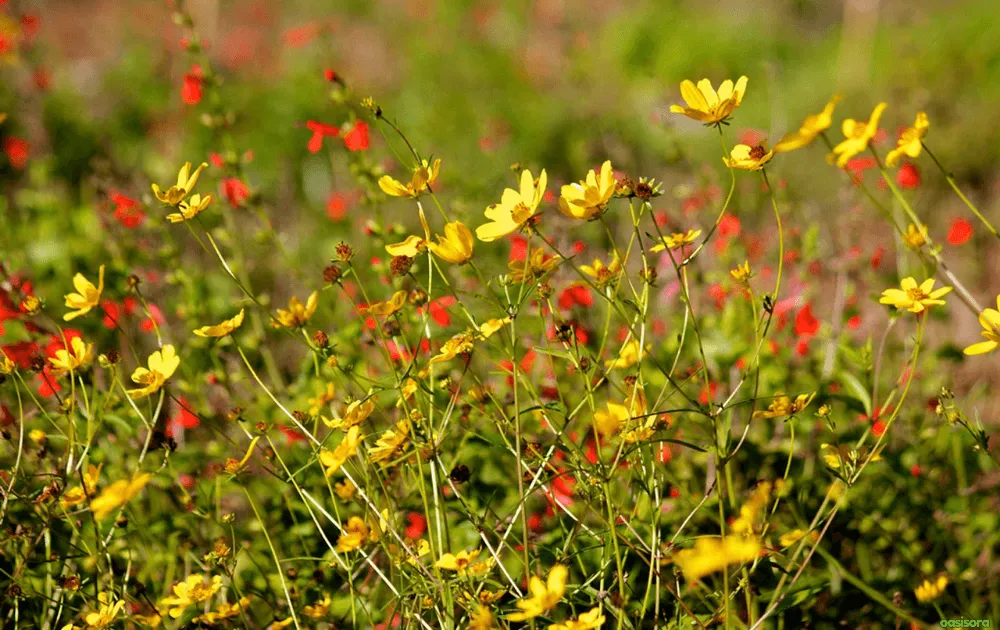
These wildflowers fit the land in a natural way because they add color without asking for much care. Secondly, these plants stay strong in the local weather and help your garden feel fresh and steady, full of soft movement. When you plant them in your yard, your space becomes easier to manage and kinder to nature.
Native Beauty That Thrives in Sunshine and Sand
These plants settle easily in bright sun and open, sandy soil because the kind of weather in Florida is already familiar to them. Once I also placed them in my own yard, I saw how fast they settled and how steady they stayed, even when the weather changed without warning. Additionally, I have noticed that their soft shades mix easily with the surroundings and give any garden a look that feels naturally connected to the native state.
Why Wildflowers Are Vital for Pollinators and Local Ecosystems?
When you add Florida wildflowers, you indirectly support bees, butterflies, and small birds that depend on native blooms. These flowers offer simple food, tiny shelters, and safe spots for them to rest. Nevertheless, this small help keeps the local ecosystem strong, steady, and alive in the region.
Easy-Care Color All Year Round
Thirdly, Florida wildflowers naturally bring soft shades throughout the different seasons of the year, so you enjoy a colorful garden and its natural beauty without heavy work and tiring efforts. Some open early, some bloom in summer, and others bloom into fall. However, once they settle in, they require very little care, making gardening simple while keeping your space bright, radiant, and eye-catching.
Colorful Garden & Natural Beauty
Understanding Native Florida Wildflowers
Indeed, it helps to know why some plants grow better in this state than others. Nevertheless, the right choice can make a garden easier to care for and enjoy the beauty of nature without any cost. With a little understanding, you can pick blooms that feel at home in this weather and soil.
What Makes a Flower “Native” to Florida?
A plant is native when it appears on its own in a specific region. These wildflowers are suitable for the land and environment of Florida because they form in the soil here, cope with the hot weather, and stay safe even when storms roll through. According to the Florida Native Plant Society, Florida wildflowers match the climate in their roots, shapes, and growth cycle, so they stay healthy without requiring extra maintenance or heavy care.
How Wildflowers Differ from Ornamental Garden Plants?
Many other garden plants look pretty, but they often need more care because they are not adapted to this land. While ornamentals may ask for steady water, rich soil, or strong shade, Florida wildflowers grow with simple needs.
When I compared both, I noticed that native blooms settle faster, handle weather swings better, and support more local wildlife better than all the other plants and flowers. However, ornamentals can still be used, but natives bring a balance that perfectly matches the natural environment of the state.
Native Plant Zones
Furthermore, I always keep zone differences in mind because the state is not the same from top to bottom. Florida wildflowers change with the area; some handle cool air in the north, while others prefer the warm and humid south.
For example:
- North Florida has mild winters.
- Central Florida stays warm most of the year.
- South Florida feels almost tropical.
When you pick plants that match your zone, they settle with more ease and ultimately grow stronger.
Identify Florida Wildflowers by Color
It typically becomes easier to choose the right plants when you sort them by color. This way, you can create the look you want while still keeping your garden close to its natural form and style.
1. Yellow & Orange Wildflowers
Florida wildflowers come in many warm shades. Especially, the yellow and orange types, given as follows, bring bright energy to any yard.
Dune Sunflower
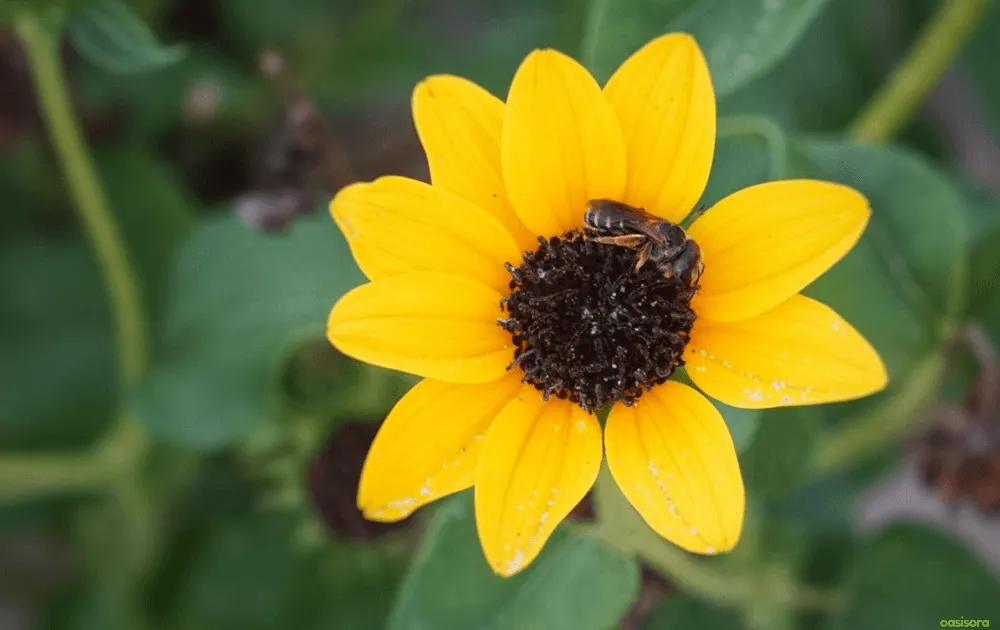
Dune sunflower grows close to the ground and spreads fast in warm, sandy areas. Its bright yellow blooms stay open in strong sun, bringing a soft coastal feel to any space.
Dune Sunflower
Lanceleaf Tickseed
Lanceleaf tickseed has thin leaves and sunny yellow petals. It stands on tall stems, due to which it does well even in dry soil. When I grow it, I see how easily it fills a space with warm color through most of the season.
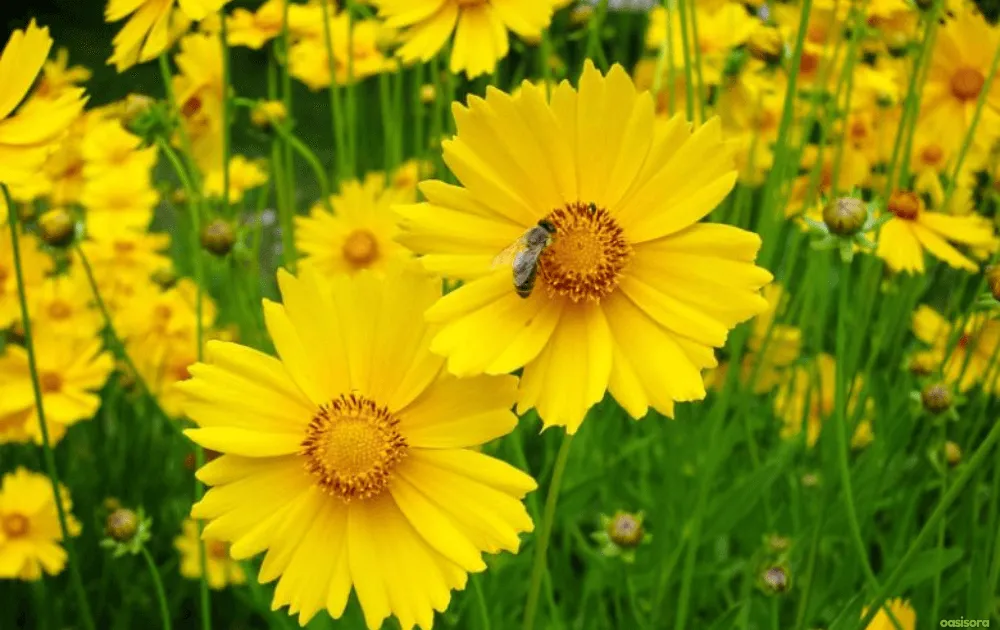
Lanceleaf Tickseed
Black-Eyed Susan
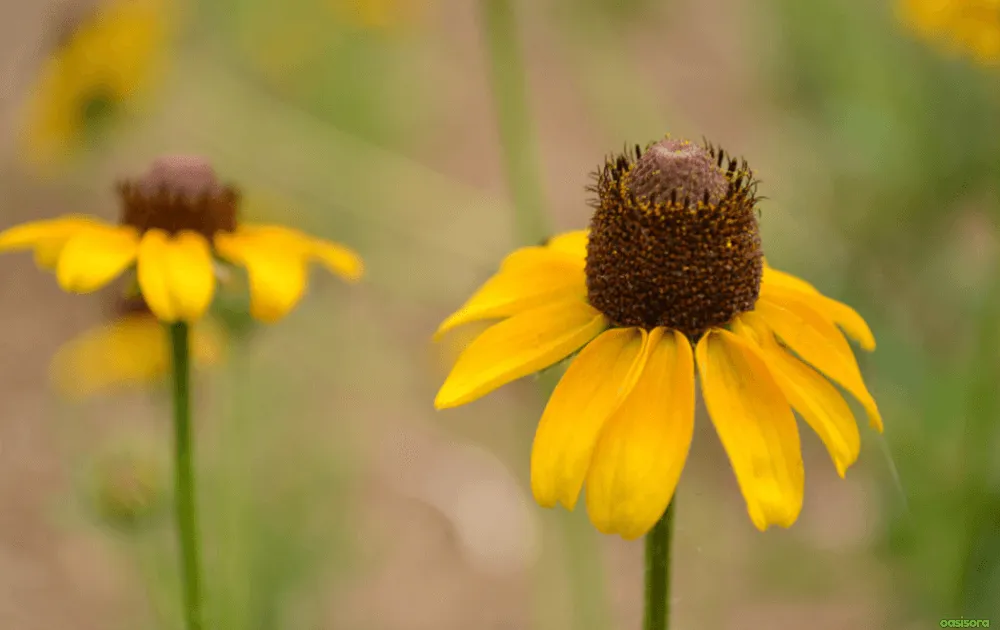
Black-Eyed susan
Black-eyed Susan makes bold yellow flowers with dark centers. It grows quickly, loves full sun, and keeps blooming even when the weather shifts from hot to rainy.
Seaside Goldenrod
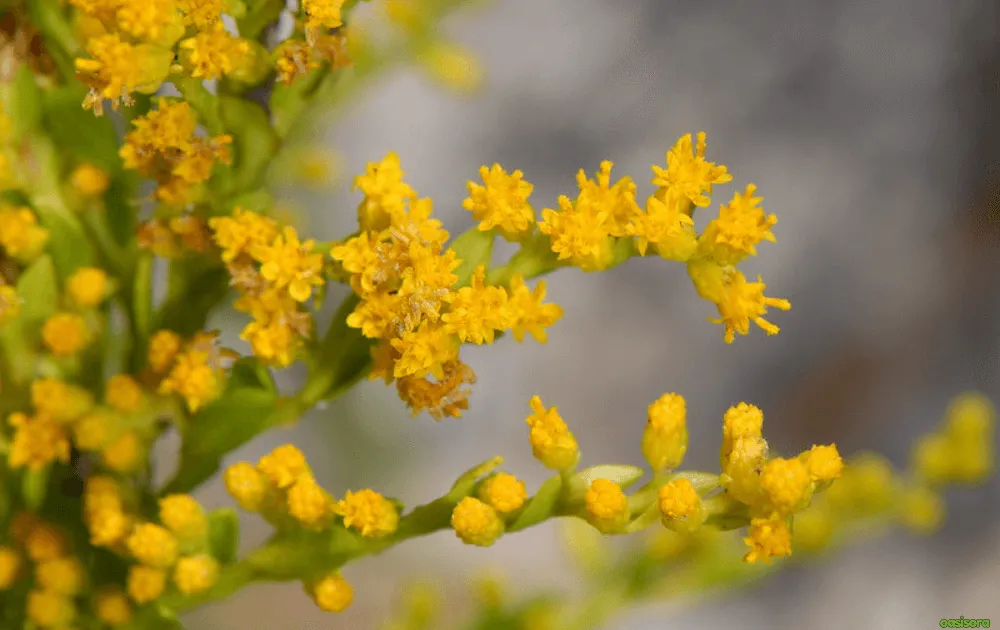
Seaside Goldenrod
Seaside goldenrod has tall stems covered in golden clusters. It handles salt, heat, and dry wind easily, making it a strong pick primarily near coastal areas.
2. Pink & Red Wildflowers
Florida wildflowers in pink and red tones bring a strong color contrast. They readily help your garden stand out with bright, warm colors.
Firebush
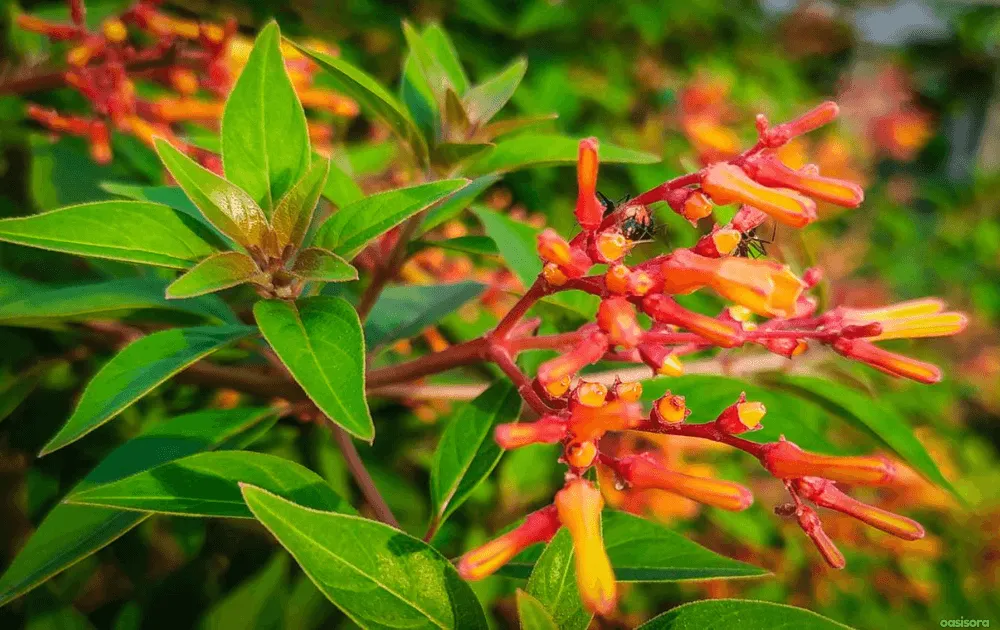
Firebush
Firebush forms thin, tubular red flowers that stay active for a long season. It grows well in heat and invites butterflies and hummingbirds with steady nectar.
Coral Honeysuckle
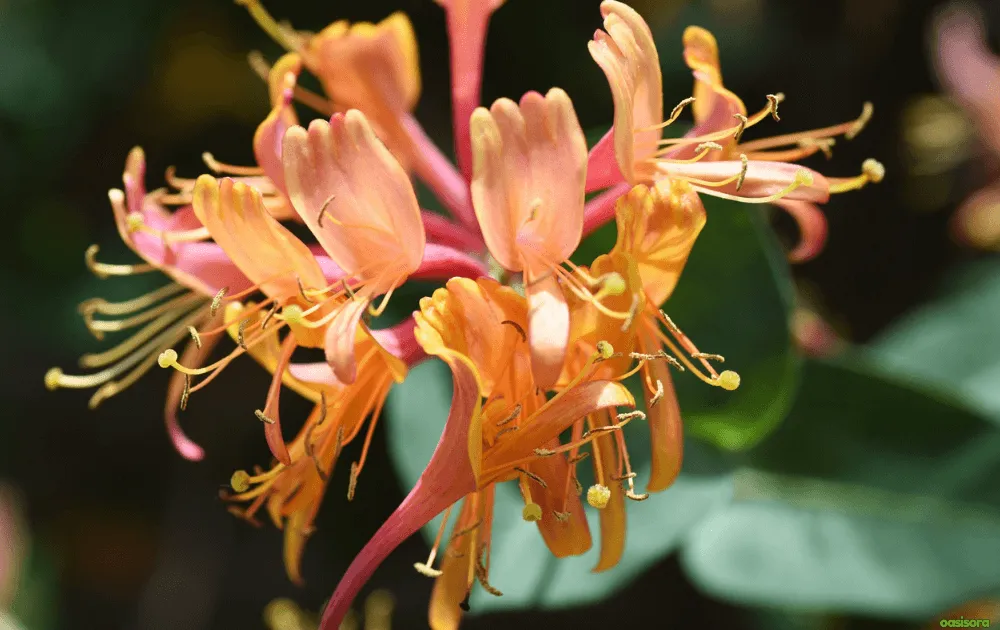
Coral Honeysuckle
Coral honeysuckle climbs gently and carries clusters of soft red tubes. It fits well on fences, arches, or walls. I often see it growing on my neighbor’s porch, where it brings steady color while requiring almost no care at all.
Scarlet Swamp Hibiscus
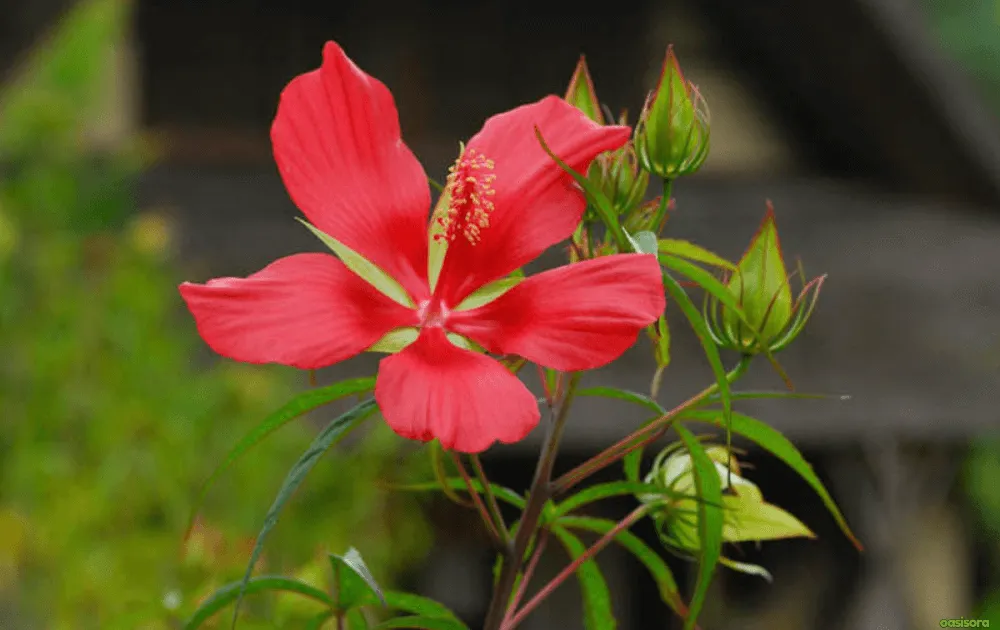
Scarlet Swamp Hibiscus
Scarlet swamp hibiscus has wide red petals that open in warm months. It stands tall and enjoys wet soil, making it a good fit, especially near ponds or low garden spots.
Trumpet Creeper
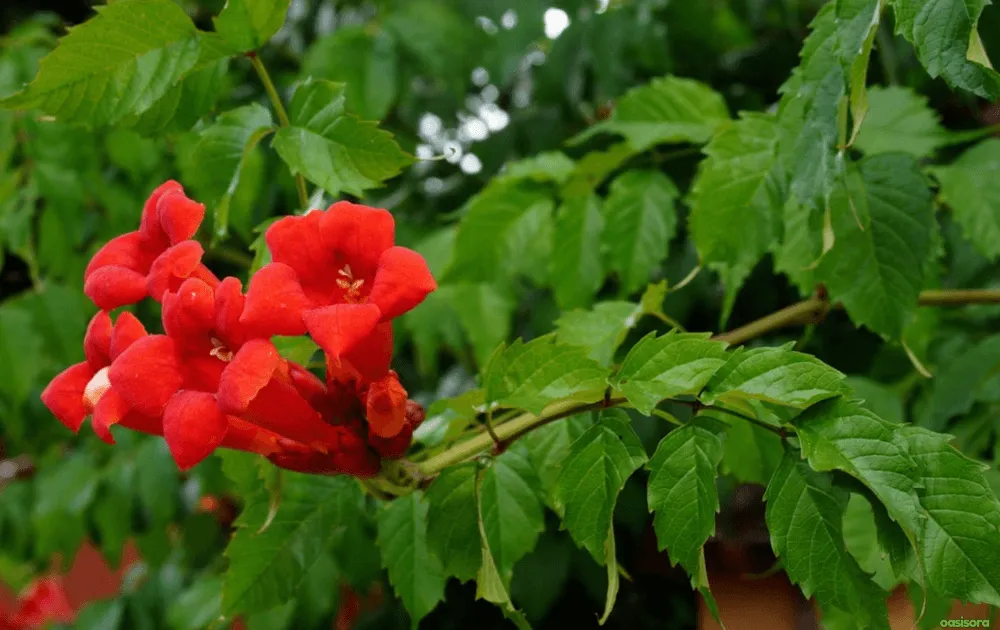
Trumpet Creeper
Trumpet creeper produces orange-red flowers shaped like small trumpets. It climbs fast, settles well in sun or light shade. Moreover, it adds incredible height to open spaces.
3. Blue & Purple Wildflowers
Florida wildflowers in blue and purple shades bring a calm, serene, cool look while helping balance other brighter tones in the garden.
Blue Porterweed
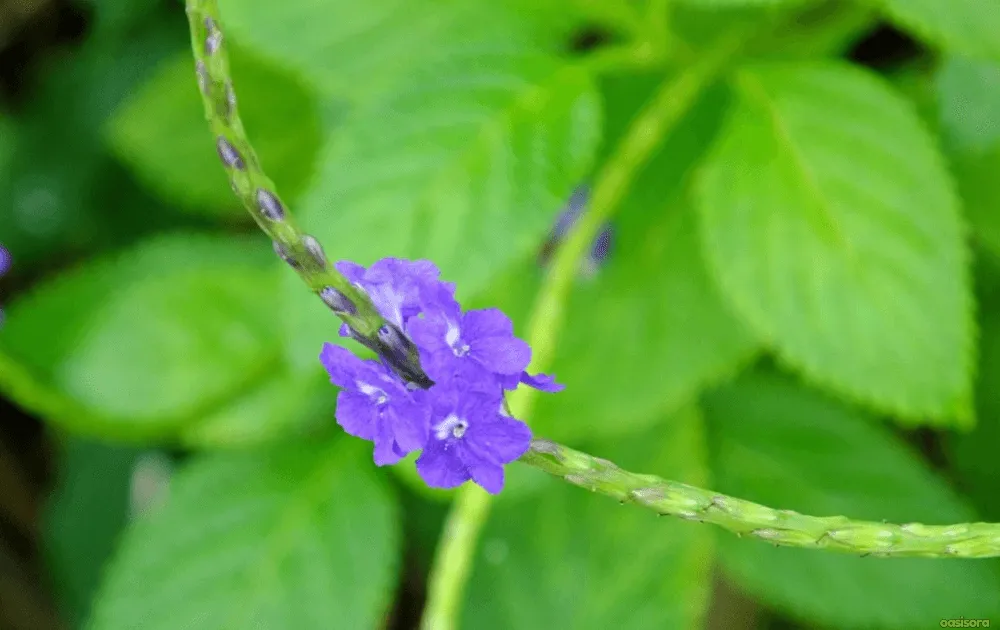
Blue Porterweed
Blue porterweed grows long stems topped with tiny blue flowers. It handles sun and light shade very well. Also, it keeps the color coming for a long time.
Spiderwort
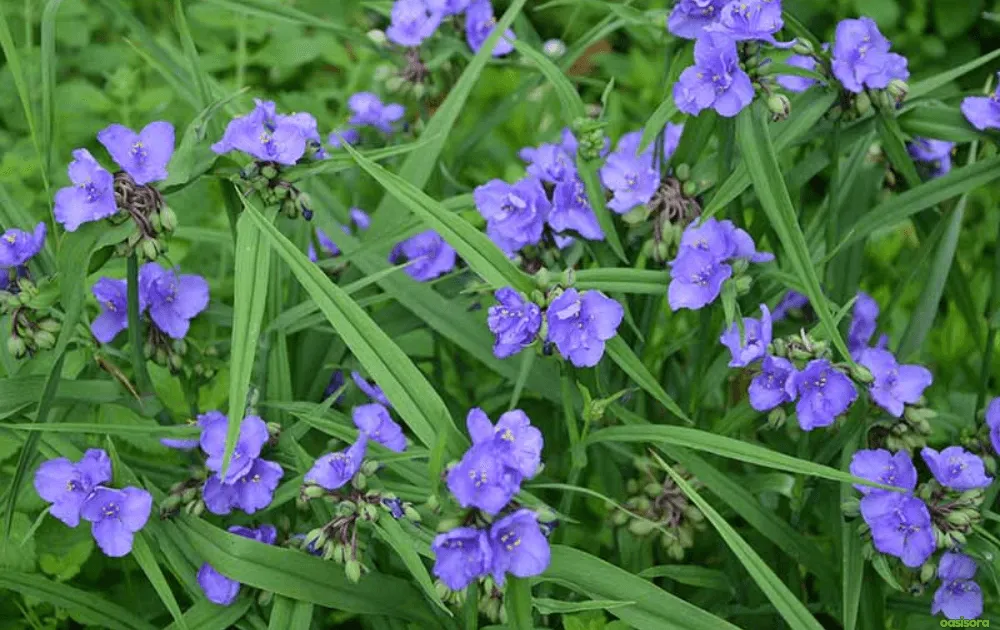
Spiderwort
Spiderwort has soft purple blooms that appear in the morning and close later in the day. It grows easily i almost any garden. When I plant it in open corners, it settles fast and adds gentle color to my yard without asking much from me.
Purple Coneflower
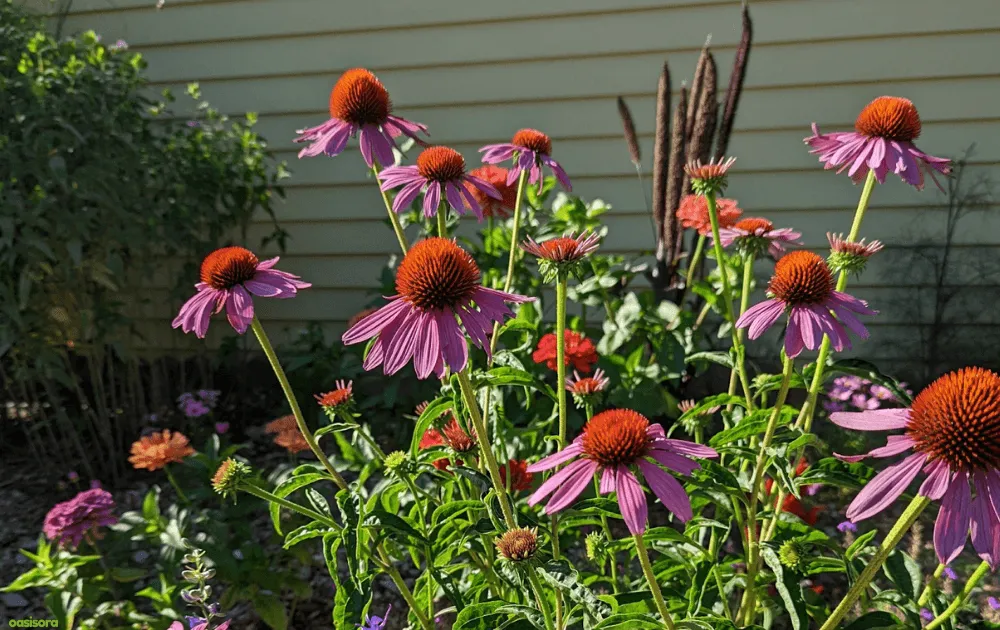
Purple Coneflower
Purple coneflower holds bright lavender petals around a raised center. It stays firm in heat and works well in sunny beds that typically require height and structure.
Wild Blue Phlox
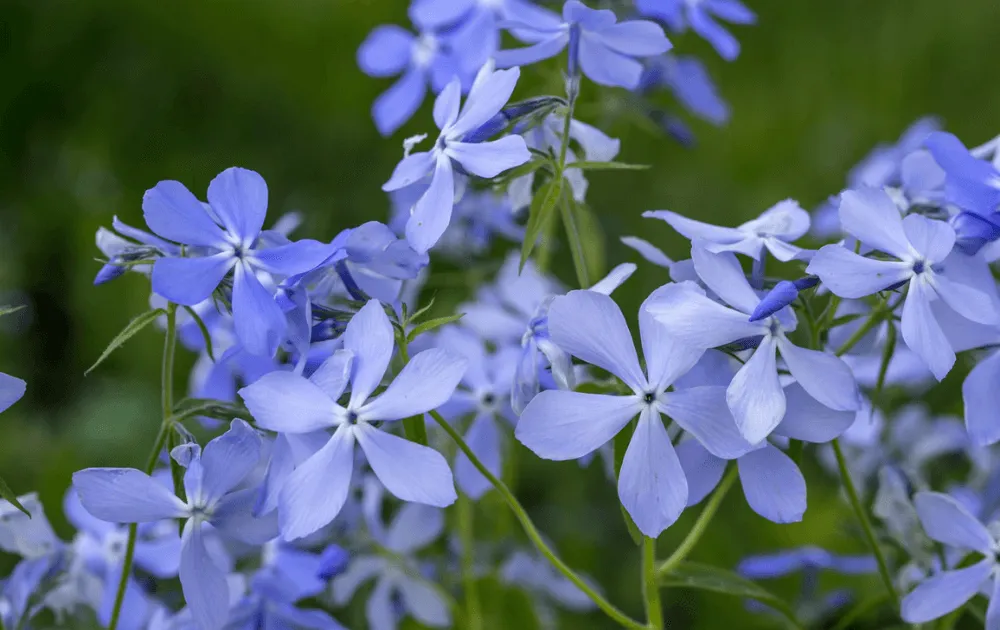
Wild Blue Phlox
Wild blue phlox makes small, soft-blue flowers that prefer light shade. It spreads slowly and adds calm color to cool, quiet areas of the yard.
4. White Florida Wildflowers
These white wildflowers bring a clean, fresh look that helps other plants and flowers’ colors shine in the garden.
Sweet Pinxter Azalea
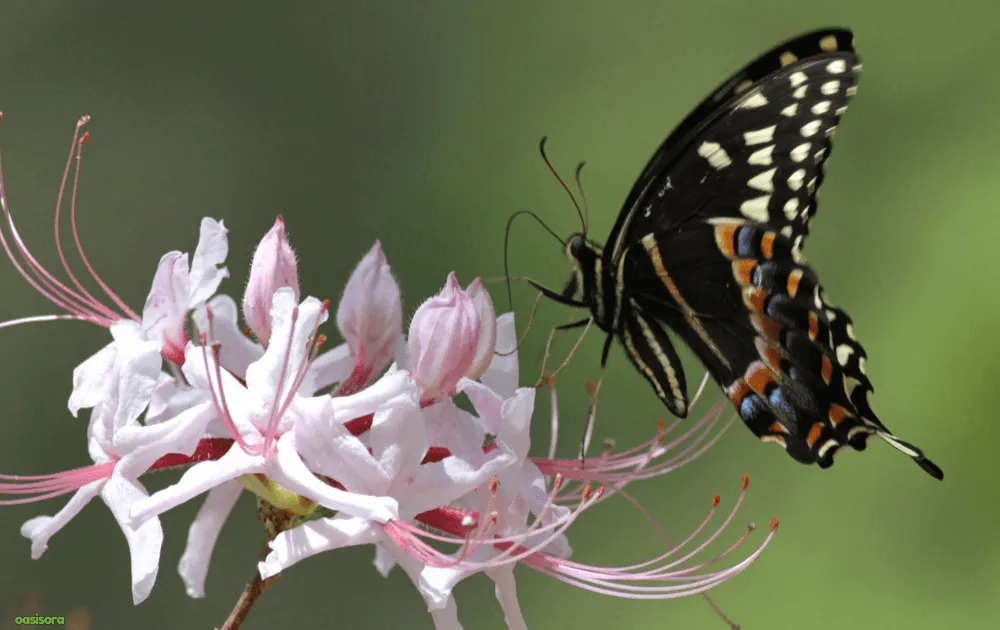
Sweet Pinxter Azalea
Sweet pinxter azalea forms white blooms touched with light pink. It usually grows well in shade and gives a soft, gentle look to the yard, mainly in early warm months.
Swamp Milkweed
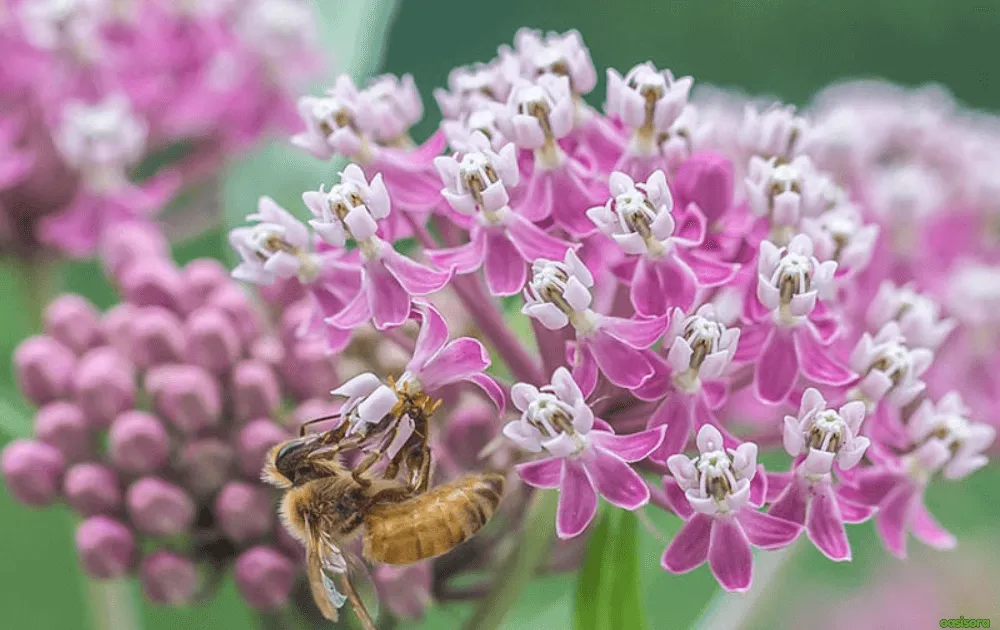
Swamp Milkweed
Swamp milkweed likes wet soil and has bunches that are white or pale pink. It stays upright and gives butterflies and other insects space to live and strong support. When I put it near wet spots, it settles quickly and attracts winged visitors on its own naturally, real quick.
Coastal Mock Vervain
Coastal mock vervain makes small white or pale flowers on low stems. It spreads gently and settles well near sunny paths or open sandy spots.
Types of Florida Wildflowers by Season
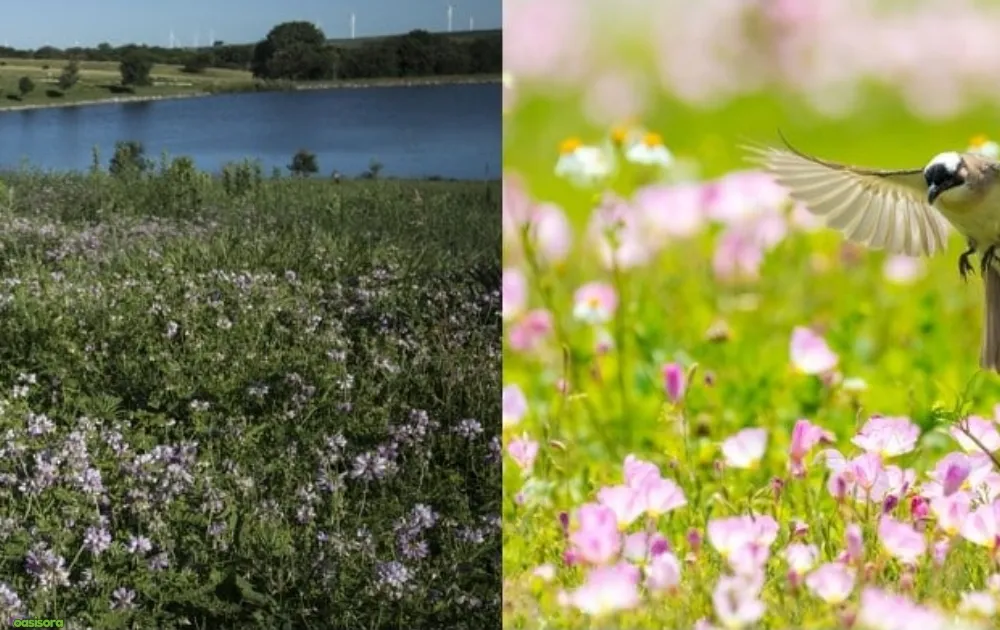
Wildflowers by Season
When you look at the year in small parts, it becomes clear that various plants grow and shine at different times according to their nature and required conditions. Learning this properly helps you keep color and charm in your yard whole year round, from early spring to the cooler months.
Now, let’s see which wildflowers grow well in which season in Florida:
Spring
Florida wildflowers typically begin their bright season in spring when the weather turns warm and soft rains return.
- Milkweeds open fresh clusters that help butterflies start their life cycle.
- Tickseed brings clear yellow tones to light stems.
- Coneflowers rise with wide purple heads.
When I plant these together, they give early strength to the garden and make the initial months feel alive and active.
Summer
Summer heat is strong, but Florida wildflowers love warm air. They start showing their best colors during this part of the year.
- Hibiscus opens wide, bold flowers that stand tall in sun or wet places.
- Ironweed adds sharp purple tones that stay bright in deep heat.
- Firebush keeps red tubes coming through long days.
These plants hold their shape even when the sun stays high for hours.
Fall
Fall brings a softer wind, turning Florida wildflowers to golden shades.
- Goldenrod lifts tall yellow plumes that help bees find nectar before cooler days arrive.
- Sunflowers follow with bright, round faces that fill any open spot with vibrant energy.
I like using these plants to keep the garden looking warm as other blooms start to fade during the autumn season.
Winter
Some Florida wildflowers stay active even in winter, especially in the central and southern parts of the state. These tough perennial plants perfectly hold their small flowers both through cool mornings and warm nights. Additionally, they make sure the garden doesn’t look empty at all, even in the winter season. So, they go well with evergreens, making the yard look calm and steady during the off-season.
Growing Wildflowers in Florida — Tips for Success
When you know what these plants need, they grow strong and settle fast in the state’s warm and sunny weather. Florida wildflowers respond well to small steps that match the land and the surrounding environment.
1. Choosing the Right Spot (Full Sun vs. Partial Shade)
Most native blooms love full sun, and they show their best color when they get at least six hours of light. On the other hand, some other plants accept light shade, but deep shade slows their growth. When I plan a flower bed, I always check how the light moves through the day beforehand so each plant gets the spot that fits its needs the best.
2. Soil and Watering Preferences
UF/IFAS Extension notes that Florida has loose sand in many areas, and native flowers handle it well. These plants prefer soil that drains fast, and they stay healthy with light, steady watering in the beginning. However, once they settle in well, they handle even the dry weeks and other harsh conditions with ease. Wet-loving types, like swamp plants, do better near low, moist spots.
3. Native Seed Mixes for Easy Planting
Seed mixes made for the state give you a simple way to fill open spaces. They blend species that grow well together and match the state’s climate. I like using them when I need quick coverage because the seeds spread evenly and start showing shoots without much effort.
4. How to Attract Butterflies, Bees & Hummingbirds?
When wild animals find food, shelter, and safe places to land, they come to stay automatically. Tubular flowers usually help hummingbirds, open clusters help bees, and milkweeds line up the way for butterflies.
However, to keep the yard busy and welcoming all year:
- Put clean water close by.
- Stay away from harsh sprays.
- Keep a mix of different colored flowers.
Where to Find Florida Wildflowers?
You can see these plants in many places across the state. However, it helps to know where they grow naturally and where you can buy them with confidence. In general, these wildflowers can be found in parks, on trails, and at trusted nurseries specializing in native plants.
1. State Parks and Nature Trails
Many state parks keep wide areas of land in their natural form, so you can see wild blooms in the same soil and light they grew in for years. Trails often show large patches of yellow, pink, or blue flowers during warm months. When I walk these paths, I get a clear idea of how different species look when they grow freely without any restrictions.
2. Native Plant Nurseries & Online Sources
Native plant nurseries offer strong, healthy plants that readily match Florida’s climatic zones. These nurseries raise their plants in local soil, so they settle more quickly when you bring them home. In addition to that, some trusted online shops that work with native species also offer good seeds and small starter plants to get started. Many gardeners choose these sources for pure varieties that support local wildlife.
3. Florida Wildflowers Foundation Resources
The Florida Wildflower Foundation shares guides, plant lists, and seasonal bloom maps that help you choose the right species. Additionally, this website also highlights safe planting tips and local events, guiding when to get started with which plants and how. These resources make it easy to learn what grows best in your area and how to build a native-friendly space without too much manual effort.
Common Mistakes to Avoid
Undoubtedly, small errors can slow growth or weaken your plants. Keep the following few simple points in mind beforehand, and be cautious of them when working with Florida wildflowers.
1. Planting Non-Native Lookalikes
Some flowers look similar to native types but do not belong to this region. These lookalikes may grow fast at first, but they often need more care and may not support local insects. I always check labels and plant lists carefully so the garden stays true to local needs.
2. Overwatering or Fertilizing Wildflowers
Many natural plants don’t like heavy water or rich food and grow best in sandy soil. Their roots can be weakened by too much moisture. Also, high fertilizer can make fewer flowers grow. A little water at first and simple soil are typically enough for wildflowers’ strong and steady growth.
3. Neglecting Seasonal Maintenance
Every season, there is a small job that keeps a garden healthy over time. Some plants do better when old roots are removed before new growth starts, while others need a little trim after they bloom. These simple maintenance steps help keep the garden open, neat, and ready for color and charm, the whole year.
Florida Wildflowers Inspiration Gallery
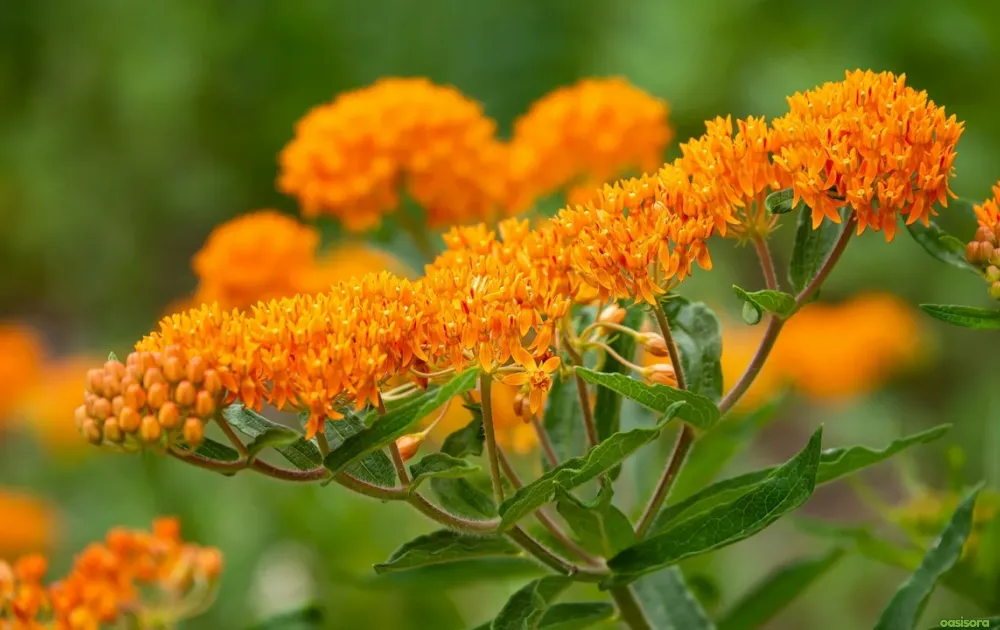
Wildflowers Inspiration Gallery
The following gallery images and growing ideas show how native wildflowers can create calm, colorful spaces in different types of gardens in Florida.
Coastal Gardens with Native Blooms
Native plants typically do well in the presence of wind, salt, and bright sunlight along the coast. Light purples, warm oranges, and gentle yellows cover open dunes and sandy beds. When I group hardy coastal plants, the garden maintains its structure and lively appeal, even on windy days.
Pollinator-Friendly Backyard Spaces
All day long, butterflies, bees, and small birds are drawn to a backyard full of nectar-rich blossoms. When different colors flowers are grouped in small clusters, pollinators can easily identify them from a distance. By adding attractive flowers and a few native bushes, the area remains vibrant throughout the year without requiring much maintenance.
Lawn-to-Wildflower Transformations
Indeed, replacing a piece of lawn with native flowers changes the look of a yard right away. The area becomes softer, more colorful, and easier to maintain. Even a small patch can grow into a healthy corner that supports wildlife and reduces the weekly work of watering and trimming.
Final Thoughts – Bring Florida’s Wild Beauty Home
Adding Florida wildflowers to your yard isn’t just about color; it also supports the land around you and gives bees, insects, butterflies, and birds a place to feed, pollinate, and space to stay. These plants match the sun, soil, and seasons of the state, so they grow with ease and bring steady color to almost any garden.
When I place native plants in my own yard, I see how quickly the space turns calm and full of small life. Start with a handful of the right plants, and your garden will slowly turn into a soft, natural space carrying the aesthetic charm of Florida’s wild beauty.
So, now that you know all the different kinds of wildflowers along with their featured characteristics, choose them according to your choice and your yard’s suitable environmental conditions. Start with a few species, and your garden will soon become a living showcase of Florida’s native beauty.
FAQs
1. Which Florida wildflowers are easiest to grow?1. Which Florida wildflowers are easiest to grow?
Reliable blooms like dune sunflower, tickseed, and black-eyed Susan sprout early and stay healthy with minimal care.
2. Do these native plants return each year?
Yes. Many of them do return, especially long-lasting perennials such as coneflowers, milkweed, and firebush.
3. What is the best time to plant wildflower seeds in Florida?
Late fall or early winter works well because the cooler days help seeds settle in well before the spring season arrives.
4. Do these blooms help pollinators?
Yes, these wildflowers provide food and small hiding places, which is why bees, butterflies, and hummingbirds visit them again and again.