
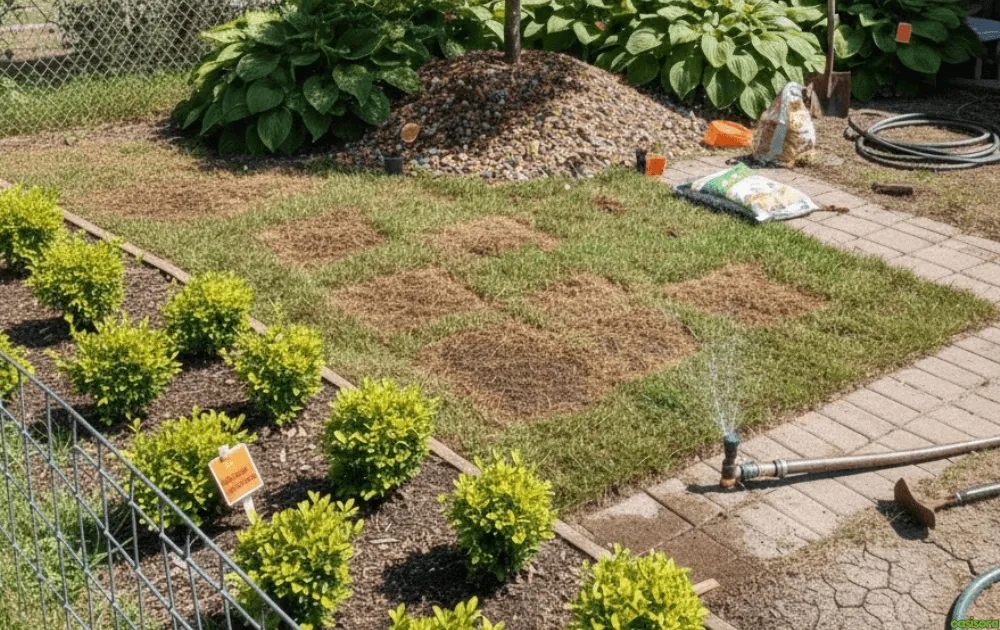
When I first worked on my own yard, I learned how easy it is to make beginner landscaping mistakes to avoid without noticing them at first. I rushed into planting, skipped small planning steps, and trusted guesswork more than observation. Over time, those choices created extra work and unnecessary stress.
This guide comes from real experience and is written to help you build a well-balanced outdoor space without repeating the same early errors. Today, let’s create a healthy yard together, knowing what is right and what you should not do at all! Let’s get started.
Skipping a Landscaping Plan
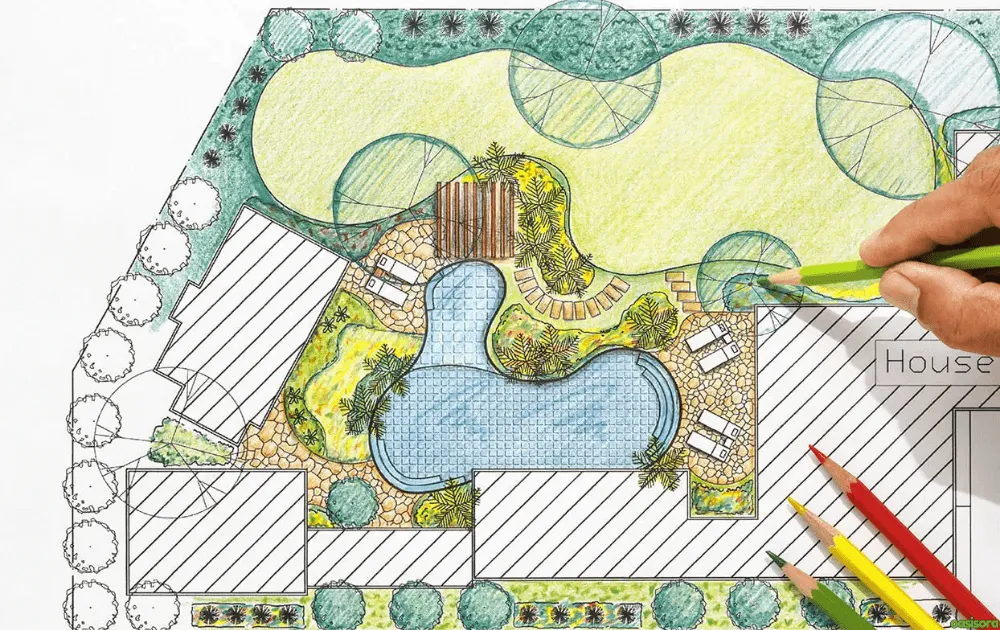
Starting without a plan feels fast, but it slowly creates problems. Many beginners plant in empty spots and later find it hard to fix what went wrong. This is one of the most common beginner landscaping mistakes to avoid, as problems usually show up due to this after some time when money is already spent.
Why Is This a Common Beginner Mistake?
Excitement plays a big role here. Garden centers show many items that feel easy to choose. When planning is skipped, people keep buying small things without thinking ahead. I have personally seen how skipping this step leads to reworking the same areas again and again.
How to Avoid It?
Typically, a basic plan is enough to prevent most issues. You do not need professional software or detailed drawings.
Simple sketching
A simple, hand-drawn sketch to determine where plants, paths, and open space will be before work starts is usually enough pre-gardening.
Defining purpose
Decide what each area is meant for, such as relaxing, playing, or improving curb appeal. When the purpose is clear, the design naturally falls into place.
Nevertheless, taking time to plan early helps the yard feel more organized, balanced, and easier to manage in the long run.
Choosing the Wrong Plants for Your Climate
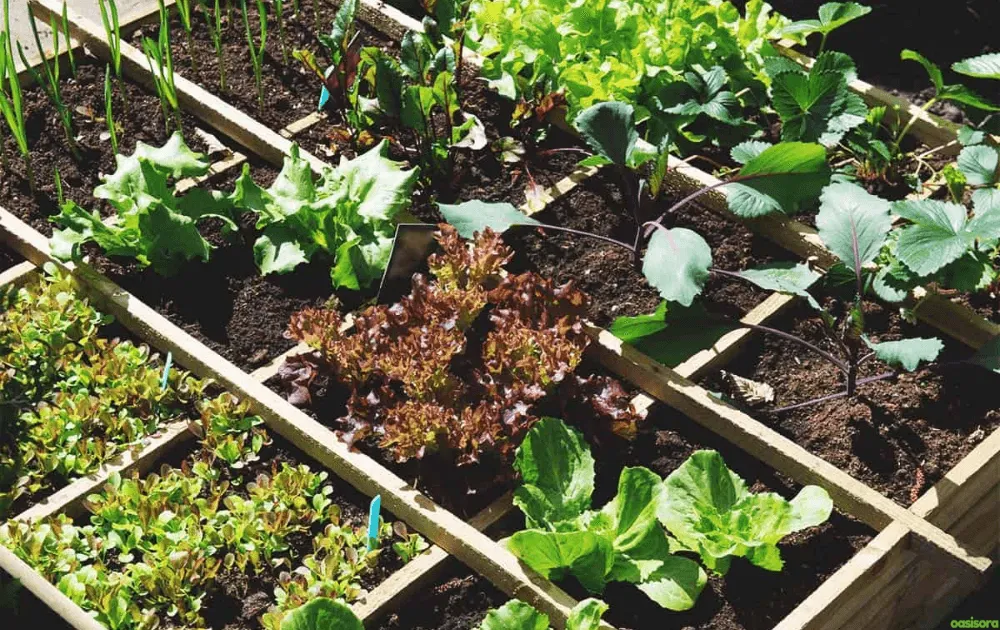
Plant selection looks simple at first because many plants appear healthy in stores. However, the climate strongly affects how they grow. I learned it when well-watered plants still weakened over time, showing that care alone cannot fix the wrong planting choice due to the area’s climate or surrounding environmental conditions.
Why Does This Cause Plant Failure?
Every plant has specific needs for temperature and moisture. Whenever those needs are not met, growth weakens, and plants suffer. I saw this myself and learned why understanding beginner landscaping mistakes to avoid is crucial to moving on with seasonal changes.
How to Avoid It?
Understanding a few basics can help prevent this issue.
Climate Zones
Check which plants suit your local climate zone before buying. Plants adapted to your region need less care and adapt faster to the weather changes. According to the USDA Plant Hardiness Zone Map, knowing your local climate zone better helps you select plants that can handle seasonal temperature changes of that area.
Sun vs Shade Basics
Observe how sunlight moves across your yard. Some areas get full sun, while others stay shaded most of the day. Choosing plants based on light helps them stay healthy and need less care.
Ignoring Soil Quality
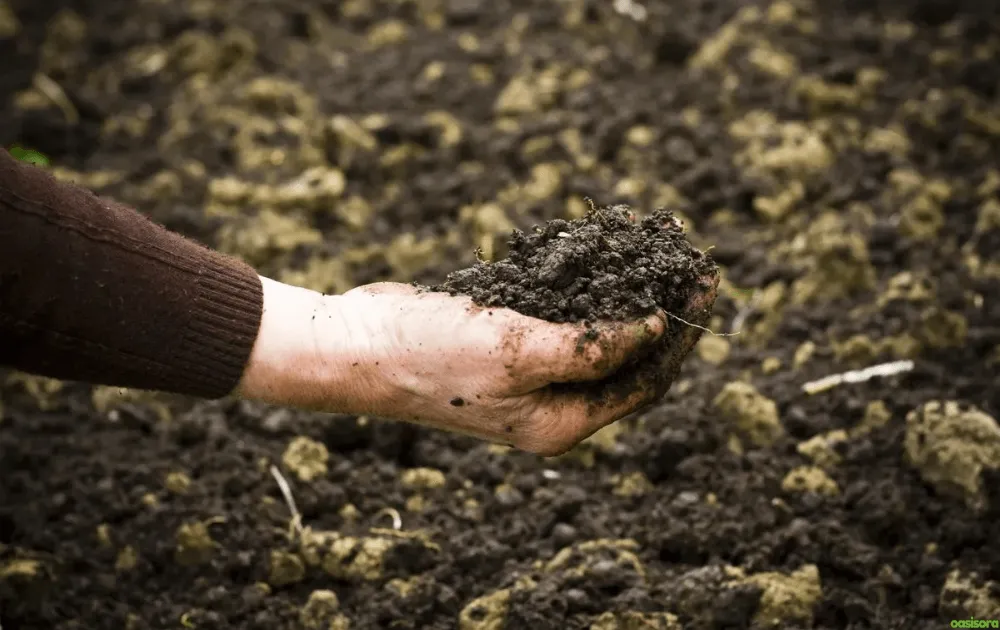
Soil is often overlooked, even though it supports everything above it. Many beginners care about plants but forget the soil. Unfortunately, bad soil makes plants weak. And this is one of the beginner landscaping mistakes to avoid, because plants essentially need good, healthy soil to grow well.
Why Plants Struggle in Poor Soil?
Hard, sandy, or weak soil does not let roots grow well. Water either drains too fast or stays trapped, both of which cause plants to stress out. I noticed this myself when some of my plants stayed small and unhealthy despite regular care and watering. When I changed the soil, growth rates improved.
How to Avoid It?
Fixing soil does not require expert tools.
Basic soil prep
Loosen the soil before planting and mix in compost or organic matter to improve its structure and moisture balance.
Simple soil testing tips
A basic home test or a simple squeeze test can reveal if the soil holds too much water or breaks apart too easily.
According to the Penn State Extension, simple soil tests can show drainage and different kinds of nutrient problems in soil.
Planting Without Considering Mature Size
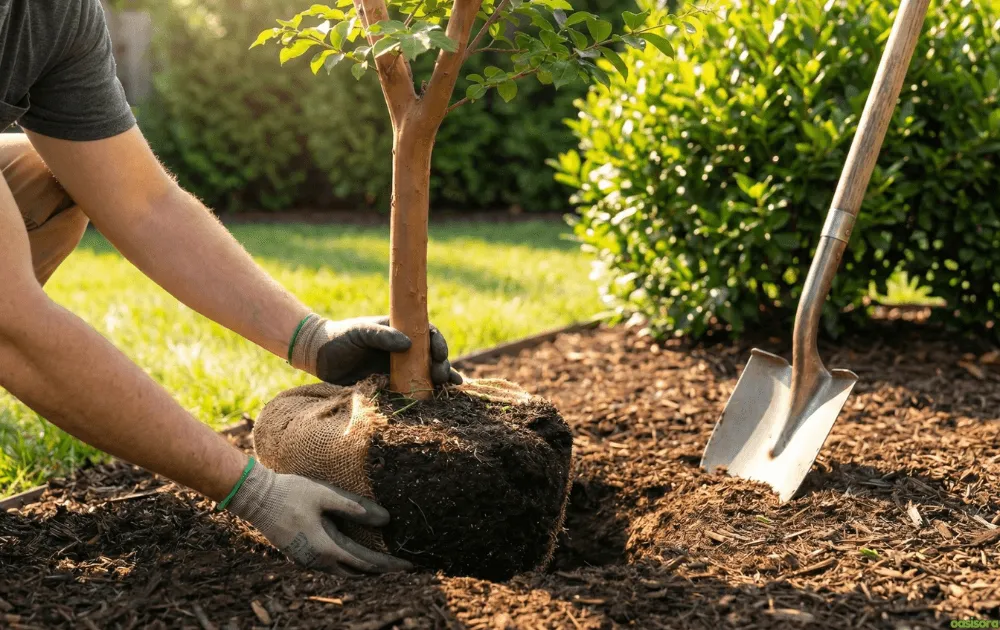
Plants often look small and manageable at the time of purchase. Beginners place them close together to fill the empty space quickly. As time passes, those plants grow larger than expected, ultimately leading to crowding and poor airflow. This is another one of the most common beginner landscaping mistakes to avoid. Fixing it later usually means removing healthy plants.
Why Does Overcrowding Happen?
Overcrowding usually comes from focusing on how the yard looks, apparently, instead of how it will be later. I noticed this myself when plants that seemed well spaced at first started competing for light and nutrients within a single season.
How to Avoid It?
Planning ahead keeps growth balanced.
Spacing rules
Always check the mature width of a plant and leave enough room for it to grow without touching others.
Thinking long-term
Imagine how the space will look in two or three years. Open areas will fill in naturally as plants mature. Giving plants enough space early keeps them healthy, lowering future care needs.
Poor Watering and Drainage Decisions
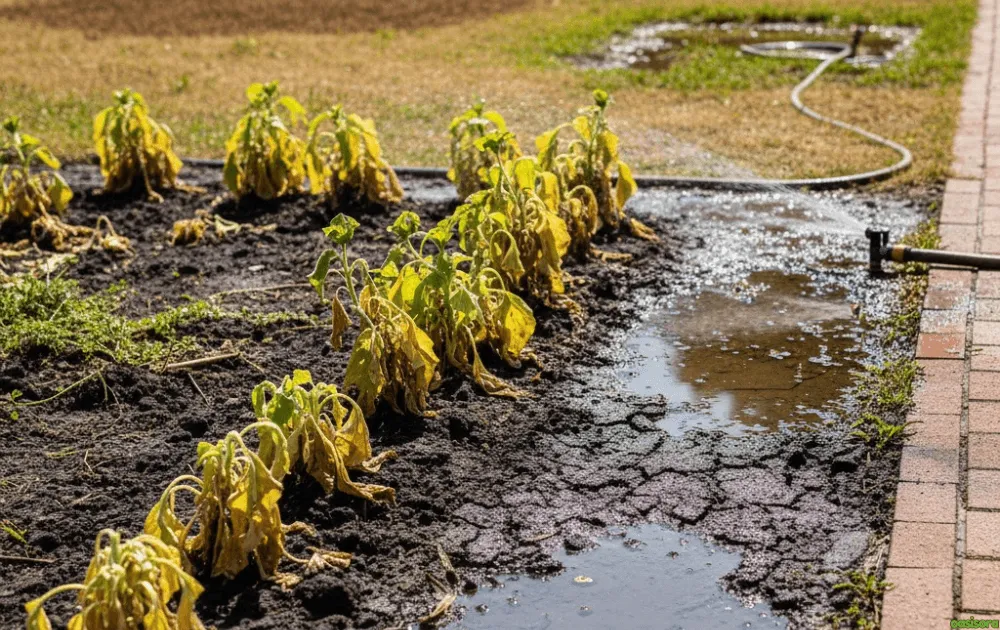
Watering looks easy, but it often creates early problems. Some parts stay wet, while others dry very fast. This is another one of the prevalent beginner landscaping mistakes to avoid, because poor water control affects the whole yard.
Overwatering vs Underwatering
Too much water can rot roots, while too little causes plants to weaken and stop growing. I have dealt with both; neither shows results right away. Damage builds slowly until plants suddenly decline.
Drainage Mistakes Beginners Make
Drainage problems usually happen when the soil is hard or when water gathers in one spot. Water around roots causes various diseases over time.
How to Avoid Water Problems?
Some simple adjustments can help control moisture.
- Water deeply, but not too often, to help roots grow strong.
- Watch how water moves after rain.
- Improve drainage by loosening soil or adding organic matter.
Neglecting Maintenance Requirements
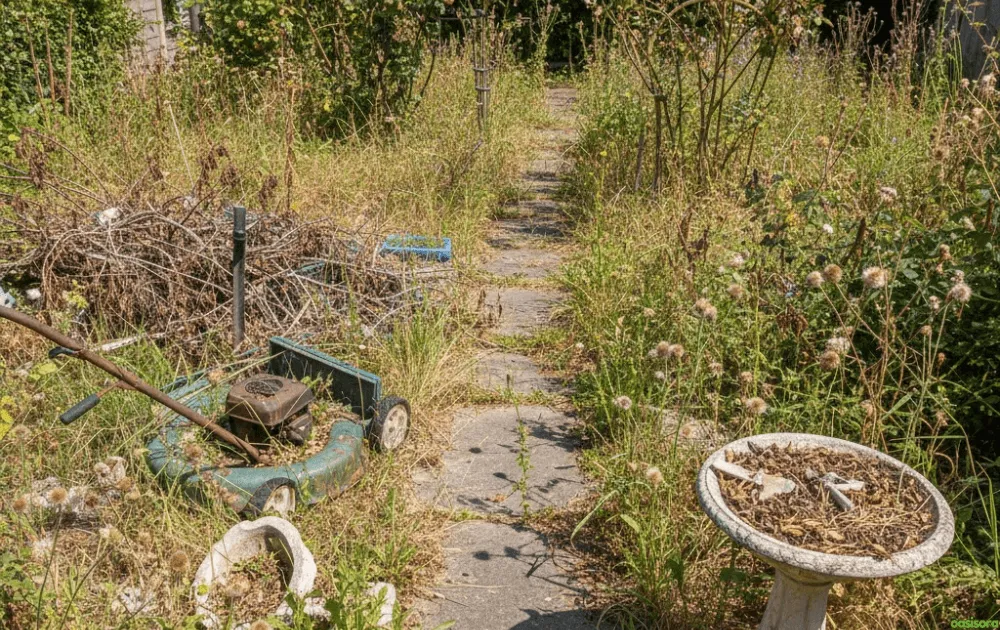
Many yards start with good intentions but become difficult to manage over time. Beginners often choose plants and features based on looks, not care needs. Somehow, this is one of the beginner landscaping mistakes to avoid, because high-maintenance choices slowly turn the yard into a stress and a burden for the carer.
Why Low-Maintenance Yards Become High-Stress?
Plants that need regular trimming, watering, or cleaning require constant care. I experienced this myself when simple tasks began taking more time than expected, making the yard feel overwhelming instead of relaxing.
How to Choose Easy-Care Plants and Features?
Indeed, choosing low-maintenance plants wisely reduces the bulk of manual effort.
- Select plants that suit your climate and soil
- Use ground covers to reduce weeds
- Limit features that need regular cleaning or repairs
Forgetting About Scale and Proportion
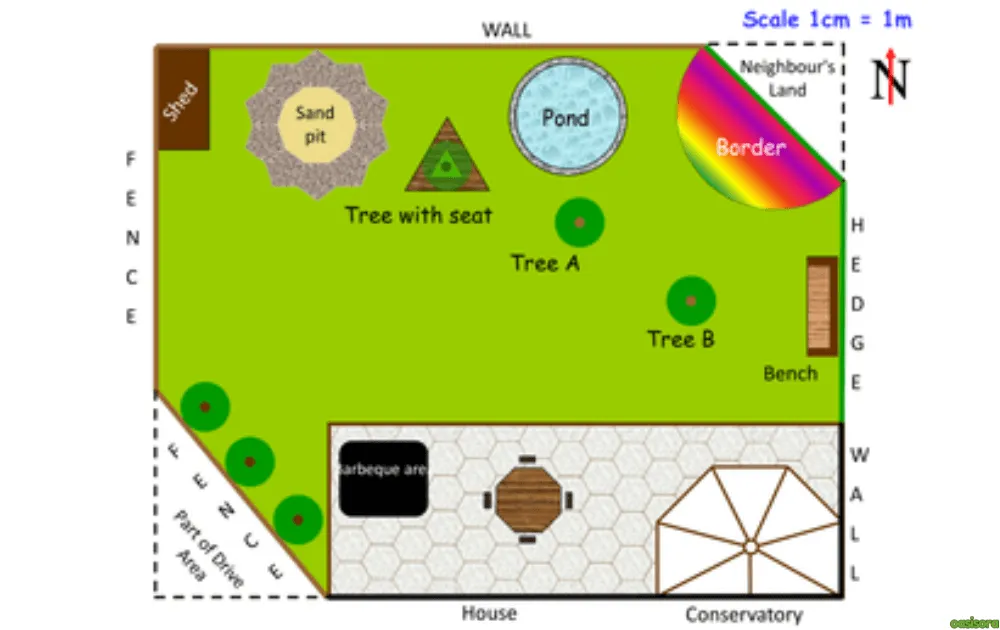
A yard can sometimes feel uncomfortable even when plants are healthy. This happens when items do not fit the space properly. Some feel too big, others too small. This is one of the beginner landscaping mistakes to avoid, because poor balance affects how the entire area feels overall.
When Plants, Paths, or Features Look “Off”?
Design problems usually come from choosing items without considering their size together. I noticed this when walkways felt cramped, and plants looked lost in open areas, even though nothing was technically wrong.
How to Create Visual Balance?
A few small changes can bring natural balance.
- Avoid planting anything that will grow too large, taking up much space.
- Leave enough room so paths feel comfortable to walk.
- Keep plant and feature sizes in sync so nothing feels awkward.
Overloading the Yard With Too Many Features
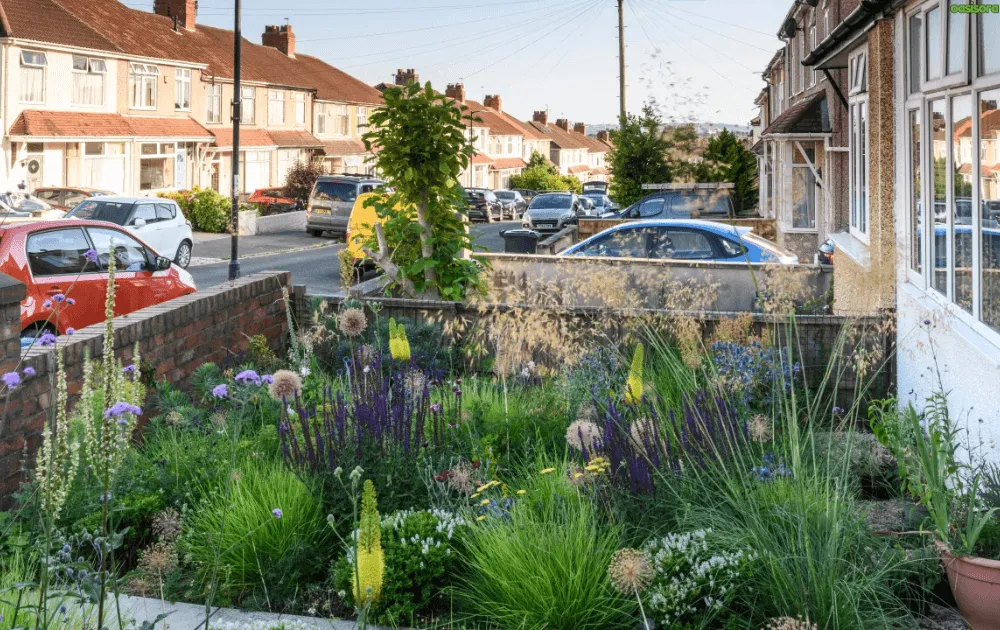
Adding features feels exciting at first, but too many at once can make a yard feel crowded. This is one of the beginner landscaping mistakes to avoid, as simple layouts often create the most comfortable spaces.
Why Do Beginners Overdecorate?
Without a clear focus, features compete for attention. Many beginners try to include everything they like in one space. I have done this myself. Unfortunately, it made the yard feel busy instead of relaxing.
How to Keep Landscaping Simple and Cohesive?
Indeed, keeping things simple brings clarity. For this, try the following tips:
- Keep one main thing in each area.
- Do not mix too many colors or materials.
- Leave empty space so the area does not feel full.
Simple layouts feel easier and take less work.
Ignoring Lighting Until the End
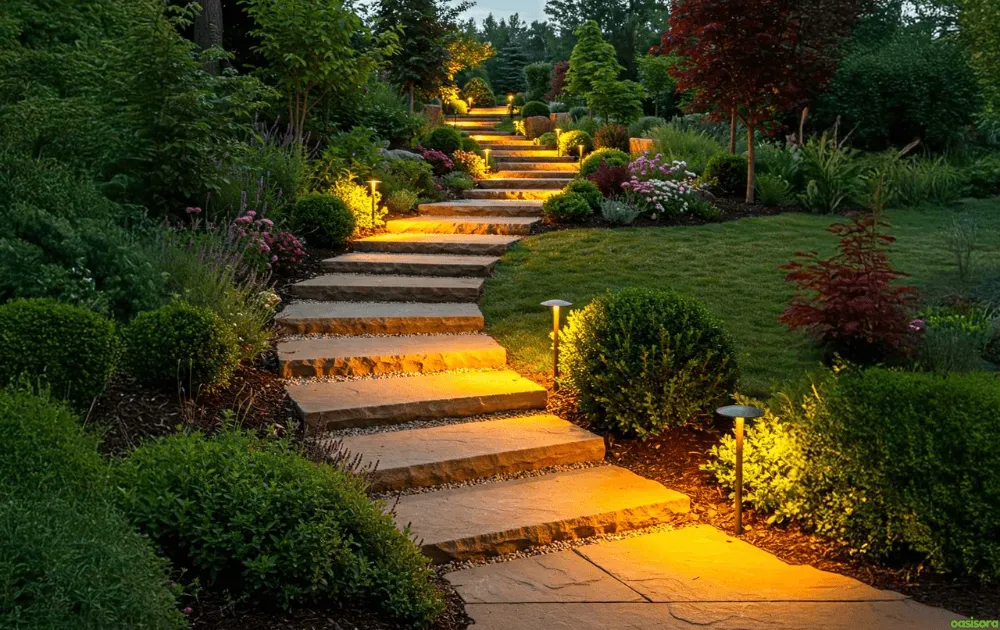
Lighting is often left for the end, which can make a yard feel dull or unsafe at night. This is another of the most prevalent beginner landscaping mistakes to avoid. No doubt, lighting greatly affects how a space looks and feels, especially after sunset.
Why Does Lighting Matter in Landscaping?
Good lighting adds comfort, safety, and mood. There seems to be a clear difference when a garden looks great during the day but feels empty and dark in the evening. Without light, paths are hard to see, and seating areas stay unused.
Beginner-Friendly Outdoor Lighting Tips
For lighting, start simple and plan ahead.
- Use solar lights along walkways
- Add soft lights near seating areas
- Highlight one feature, not everything
Undoubtedly, small lighting choices make a big difference without adding much stress or cost.
Failing to Plan for All Seasons
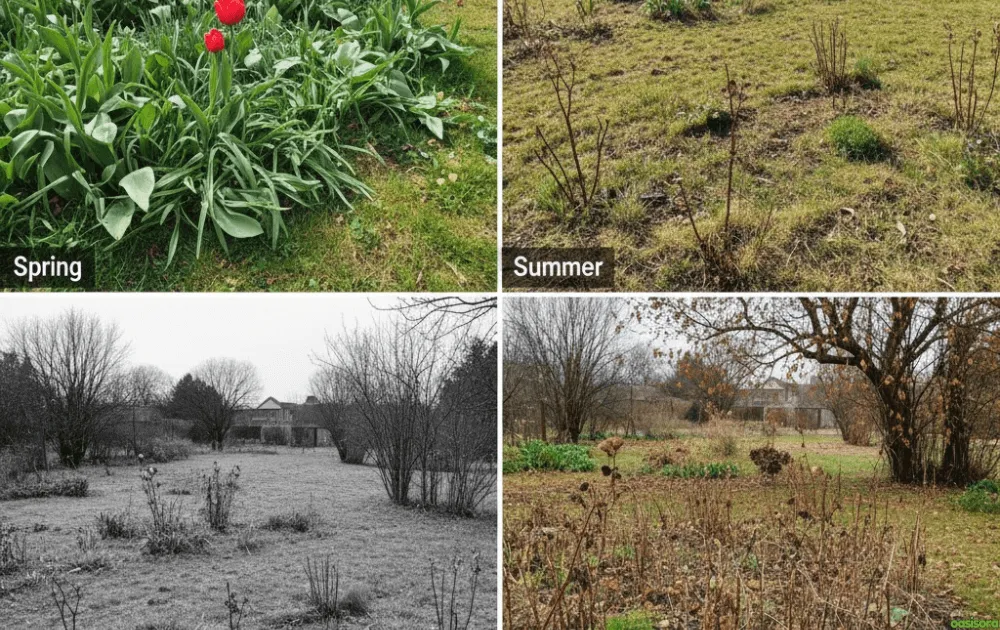
Many yards look great for a short time, then feel empty once the season changes. This happens when planting choices focus on only one period of the year. It is one of the primary beginner landscaping mistakes to avoid because a yard should feel welcoming in every season, not just one.
Why Do Yards Look Empty Half the Year?
Most beginners usually choose plants that bloom at the same time. I noticed this in my own yard when everything looked lively in spring but lifeless by late summer. Without variety, the space loses interest and beauty quickly.
How to Add Year-Round Interest?
Interestingly, a unique mix of plants keeps the yard interesting. Follow these tips for year-round yard beauty and life:
- Blend flowers with shrubs and evergreens
- Pick plants that bloom at different times
- Use leaf shapes and structure for variety
Planning for all seasons helps the space feel balanced and lived in throughout the year.
Going Over Budget Too Early
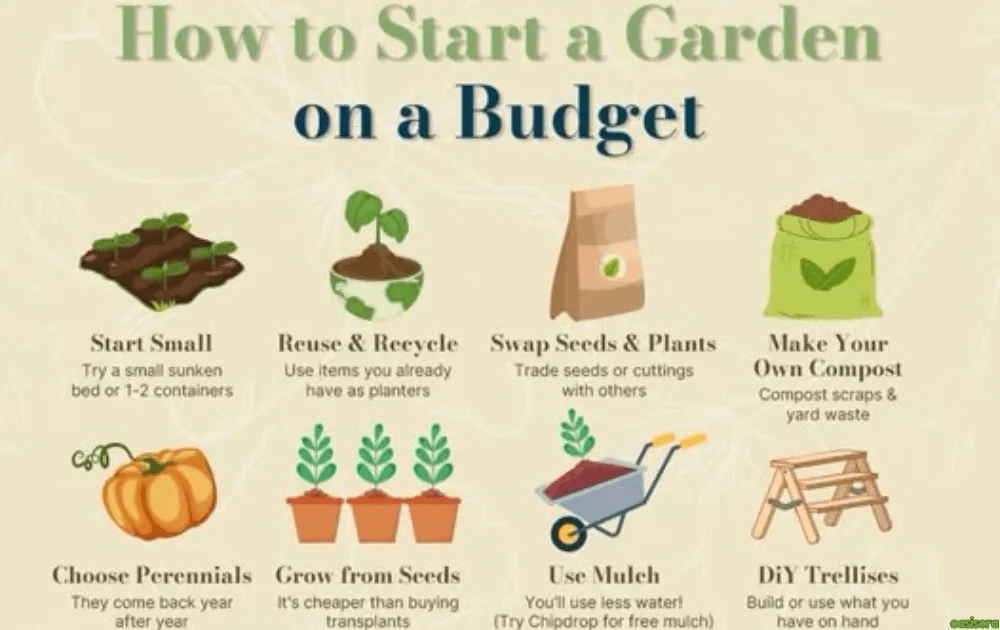
Why Beginners Overspend?
Spending too much at the start happens when excitement takes over. Beginners often buy everything at once, and budgets disappear quickly. This is one of the beginner landscaping mistakes to avoid. I learned this lately after buying items that looked good alone but did not fit the space altogether.
How to Landscape in Phases?
Breaking the work into stages significantly helps control costs. Follow the below-given tips to get started within your budget range:
- Begin with the area that matters most
- Complete one section before starting another
- Make changes as the space takes shape
Working in phases helps you learn and grow your garden well without wasting money.
Trying to Do Everything at Once
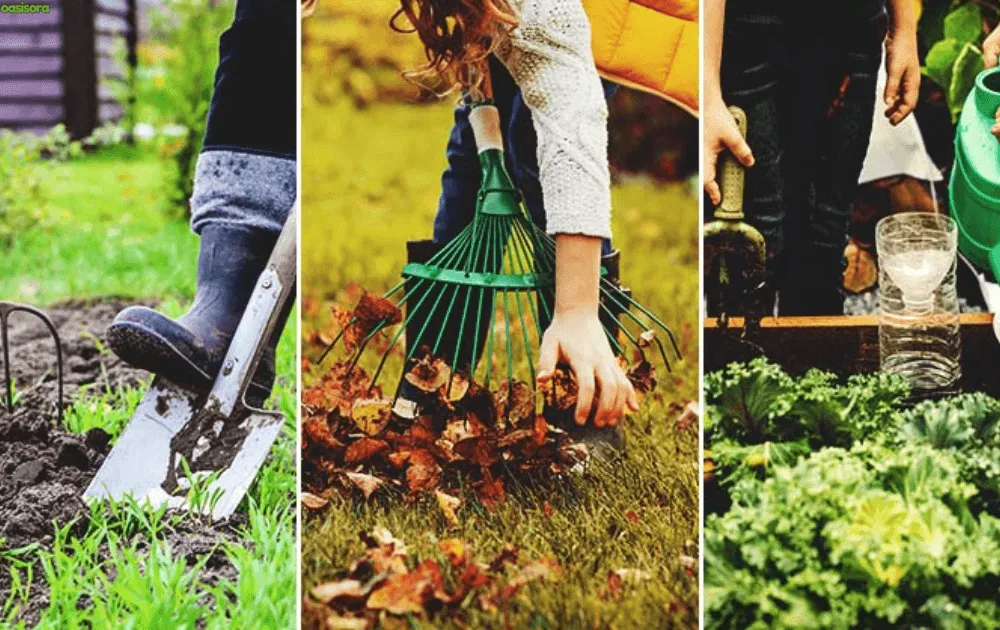
Rushing to finish the whole yard in less time can typically create stress and poor results. Landscaping needs time to settle and improve naturally. When patience is ignored, these are some of the other most common beginner landscaping mistakes to avoid.
Why Rushing Leads to Mistakes?
When everything is done at once, small problems are easy to miss. I learned this when early planting errors became harder to fix later. Remember, fast and hasty decisions often lead to rework and tiring effort, repeatedly.
How to Take a Step-by-Step Approach?
Slow progress normally brings in better results.
- Focus on one task at a time
- Observe how plants respond
- Make small changes as needed
Nevertheless, a steady approach builds confidence and leads to a healthier outdoor space.
Quick Checklist: Beginner Landscaping Mistakes to Avoid
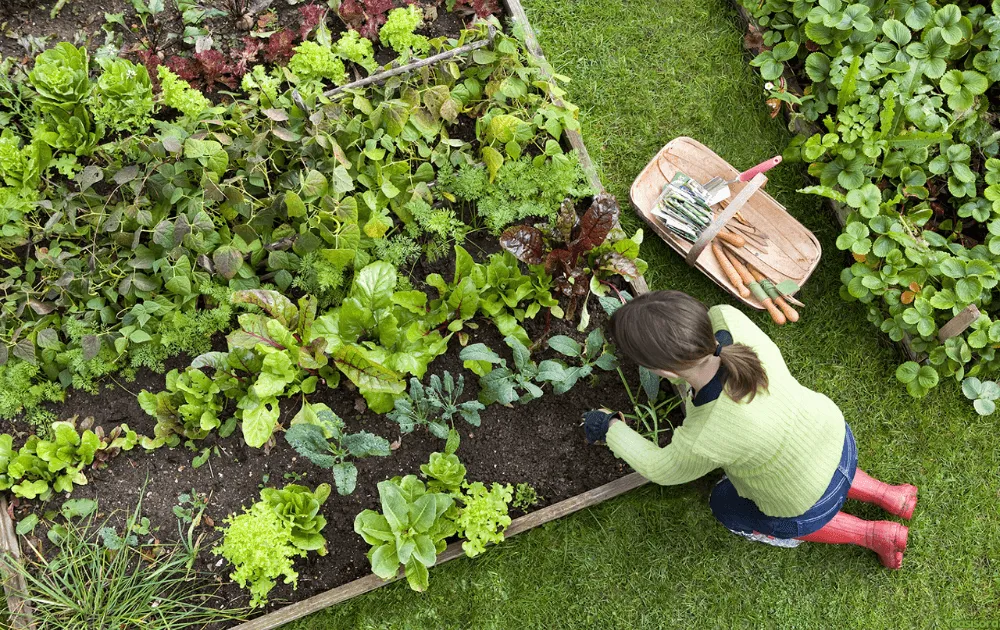
This list shows problems early so they do not become bigger and unmanageable later. You can use it as a quick, easy reference while planning or updating your yard.
- Skipping a clear landscaping plan
- Choosing plants that do not suit the climate
- Ignoring soil condition and preparation
- Planting too close without thinking long-term
- Making poor watering and drainage choices
- Forgetting about maintenance needs
- Adding too many features at once
- Leaving lighting until the very end
- Planning for only one season
- Spending too much too early
- Rushing the entire project
Indeed, keeping these beginner landscaping mistakes to avoid in mind makes decision-making and garden maintenance much easier.
Final Thoughts
Landscaping always improves with patience. According to my experience, the best results came when I slowed down and let the space grow naturally. Remember, the most common beginner landscaping mistakes to avoid, as mentioned above in the article, can be reduced just by planning a little and watching how the yard responds in return.
Start small, learn with each step, and over time adjust as needed. Take one step at a time, and your outdoor space will improve at a whole new level with every season passing by.
FAQs
How long does it take to fix beginner landscaping mistakes?
Typically, the time frame depends on the mistake, but many issues improve within one season when small changes are made consistently.
Can beginner landscaping mistakes be fixed without redoing everything?
Yes, most problems can be corrected gradually by adjusting spacing, care routines, or plant choices.
Is it better to hire help or learn landscaping on your own?
Learning on your own works best on small projects when you start simple and take things slowly.
Do beginner landscaping mistakes cost a lot to fix?
They can stay affordable when handled early and in phases instead of all at once.