
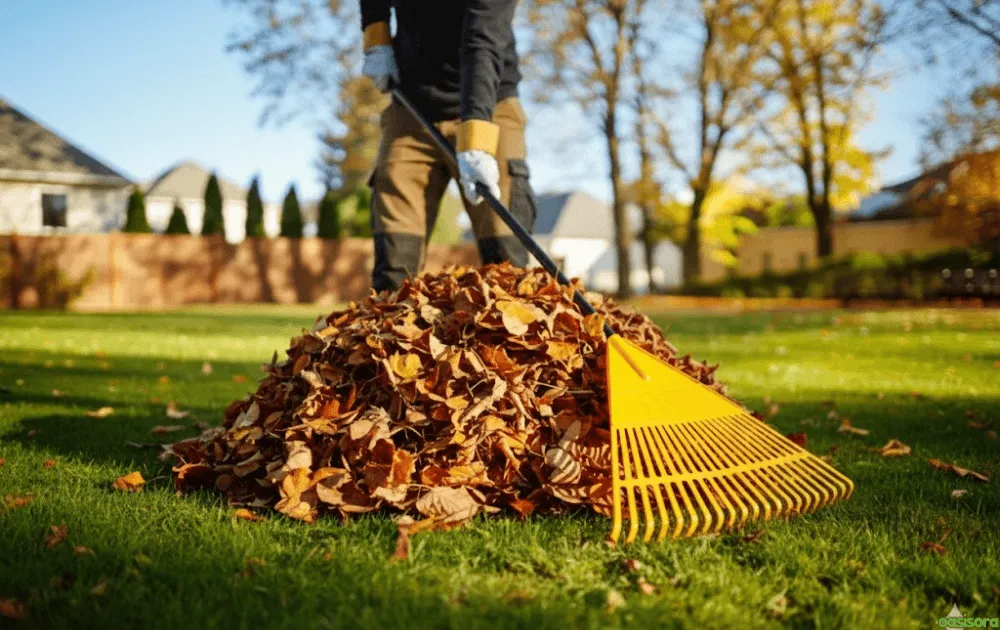
Undoubtedly, it feels frustrating when spring arrives, and your grass looks patchy or brown while the neighbor’s yard is already lush and green. That difference usually comes down to the work put in right now, before the snow falls and the ground freezes. I have noticed that homeowners who commit to a few specific tasks in the fall enjoy a much healthier yard with far less effort required in April.
Get ready to transform your lawn this fall! In this guide, we’ll cover all the essential tips for autumn lawn care, from soil prep and weed control to fertilizing and leaf care, so your grass thrives come spring. Let’s explore these essential steps.
A Simple Autumn Lawn Care Checklist You Can Follow
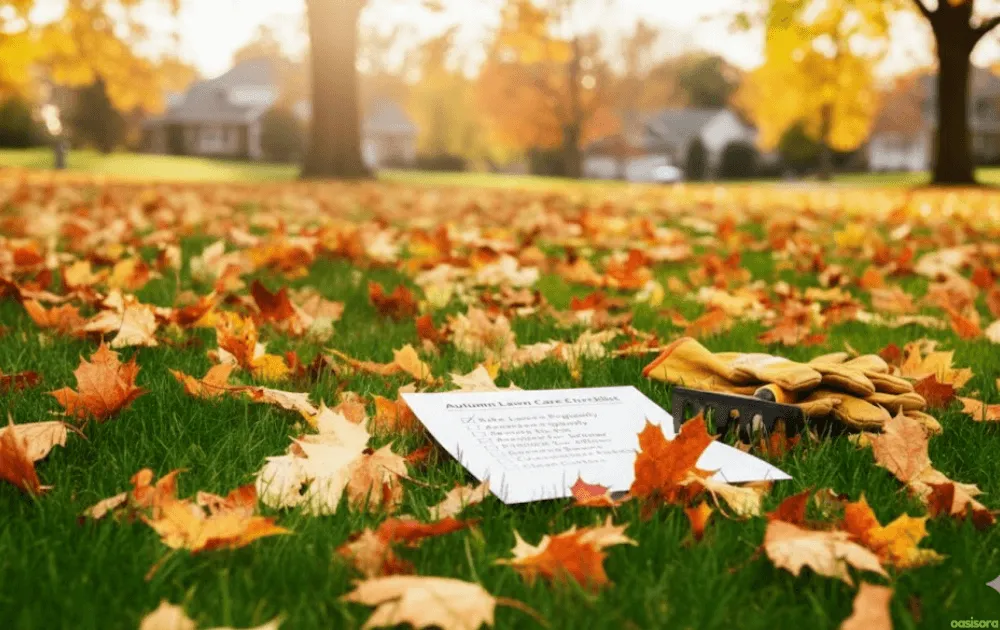
For many people, seeing leaves covering the entire yard feels like a difficult task ahead. To make it easier, I like to break things down into manageable chunks. Here is a simple checklist to keep you on track.
Weekly tasks
- Mowing: Continue mowing your lawn until the grass stops growing.
- Watering: Keep watering if your area is receiving less than 1 inch of rain per week.
- Raking: Remove heavy leaf cover to prevent smothering the grass.
One-time fall tasks
- Aerating: If your soil is compacted, fall is the best time to aerate.
- Fertilizing: Apply a fall-specific fertilizer to feed the roots.
- Overseeding: Fill in those bare patches while the soil is still warm.
Before-first-frost checklist
- Final Mow: Cut the grass slightly shorter (about 2 inches) for the last mow of the season.
- Drain Hoses: Disconnect and drain garden hoses to prevent freezing.
- Winterize Sprinklers: Blow out irrigation systems to avoid pipe bursts.
First Things You Should Check Before Starting Autumn Lawn Care
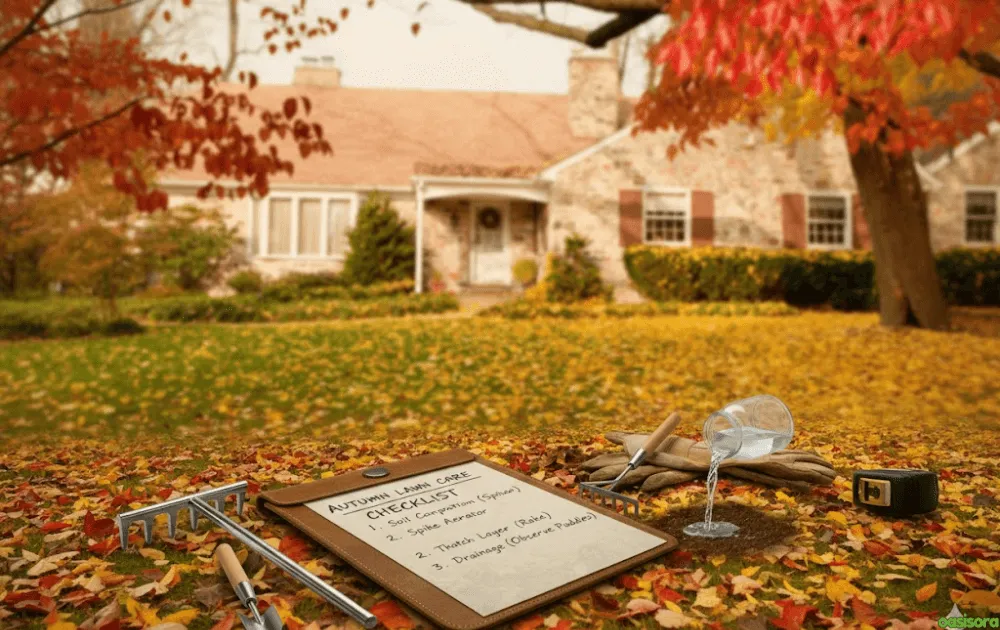
Before you run out and buy bags of fertilizer, you need to know exactly what you are working with. Based on my past experience, neglecting this assessment phase typically results in wasted time and effort.
1. What type of grass do you have
Know your grass type: cool-season grasses need active fall care, while warm-season grasses go dormant and require gentler attention.
2. Current lawn condition
Walk around your yard. Dense soil requires aeration, and thin spots need overseeding. Always tailor your lawn care to its specific needs.
3. Local climate considerations
Watch the forecast seed immediately before an early frost for root growth, and delay fertilizing if heavy rains are expected to prevent nutrient washaway.
How Should You Deal With Falling Leaves and Lawn Debris?

While leaves adorn trees, they can pose a significant threat to your grass. I recommend addressing them promptly, as a thick layer of wet leaves creates a barrier; they block sunlight and trap moisture.
Why leaves can damage your grass
When wet leaves mat down on your turf, they suffocate the grass blades and create a breeding ground for fungal diseases. It effectively blocks the photosynthesis process right when your grass is trying to store energy for winter.
When raking is better than mulching.
Lightly scattered leaves can be mulched to return nutrients, but thick layers must be raked or blown away to prevent damaging thatch.
When overseeding makes sense for your lawn
If your lawn looked worn this summer, autumn lawn care is your chance to fix it. The soil is warm, and the air is cool, creating perfect conditions for germination. According to the University of Minnesota Extension, early fall is ideal for new grass because there is less weed competition.
Why fall weed control is more effective.
Tackle weeds in autumn; herbicide now reaches roots as weeds store nutrients, making removal easier than in spring.
Types of weeds to target in autumn
Focus on perennial broadleaf weeds like dandelions, clover, and plantain. Dealing with them during your autumn lawn care routine ensures they won’t pop up the moment the snow melts.
Common Autumn Lawn Problems You Might Notice
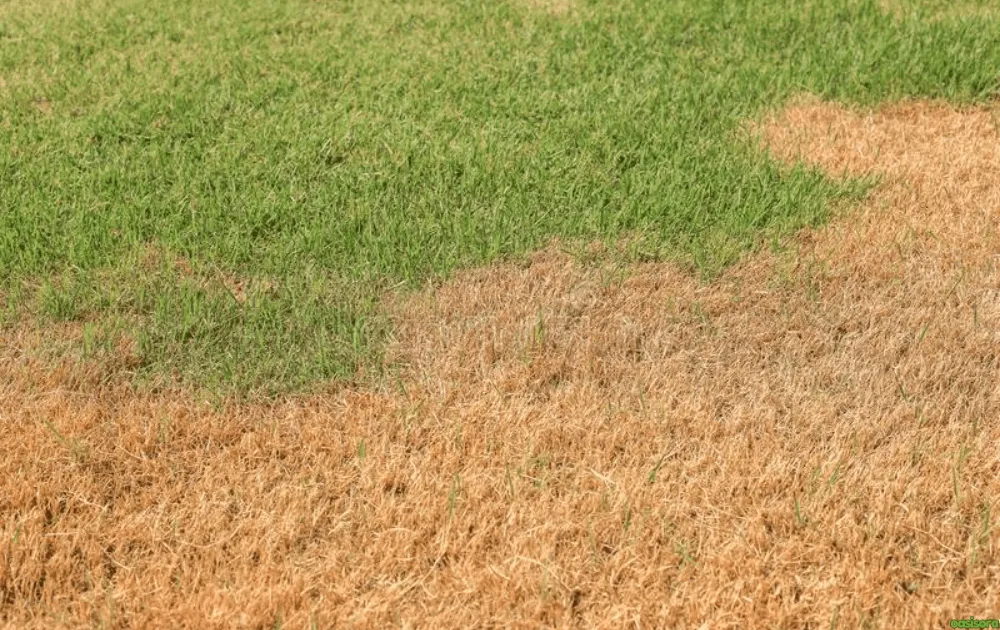
Despite your best efforts, problems can still occur. Identifying them early saves your lawn.
1. How Can You Spot and Prevent Fungal Diseases?

Have you ever noticed circular patches of dead grass or a powdery substance on the blades, That is likely fungus. Cooler nights and morning dew create damp conditions that fungi love. To prevent this, avoid watering in the evening. Water early in the morning so the grass has all day to dry out.
2. What to Do If Pests Are Still Active in Fall?
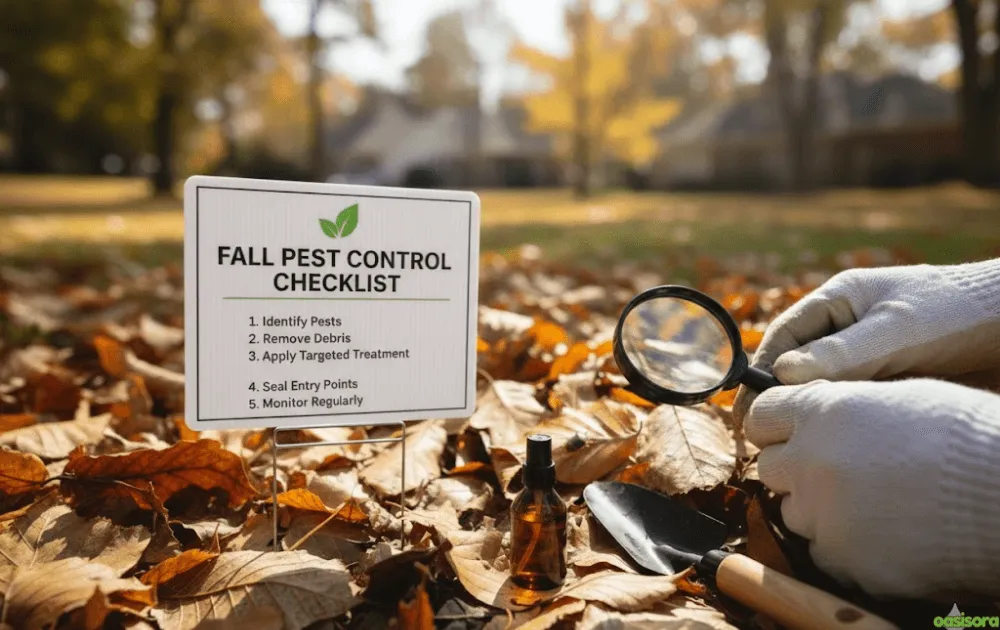
Grubs can still be active in early fall, feeding on grass roots. If you pull on a patch of grass and it lifts up like a carpet, you likely have a grub problem. Experts recommend treating grubs in late summer or early fall to prevent extensive damage before winter sets in.
How Should You Prepare Your Lawn Equipment for Winter?

After completing the yard work, remember to keep the tools that assisted you. I made this mistake once, leaving gas in the mower all winter, and it wouldn’t start in the spring.
Cleaning blades
Scrape off any caked-on grass from the underside of your mower deck. Clean blades prevent rust and ensure a sharp cut next season. Get the dull blade sharpened now for the first spring cut.
Fuel and storage tips
Gasoline degrades over time and can gum up the carburetor. You should either run the engine until the tank is dry or add a fuel stabilizer to the remaining gas. Store your equipment in a dry place, covered if possible, to protect it from the elements.
Why Autumn Lawn Care Matters More Than You Think?
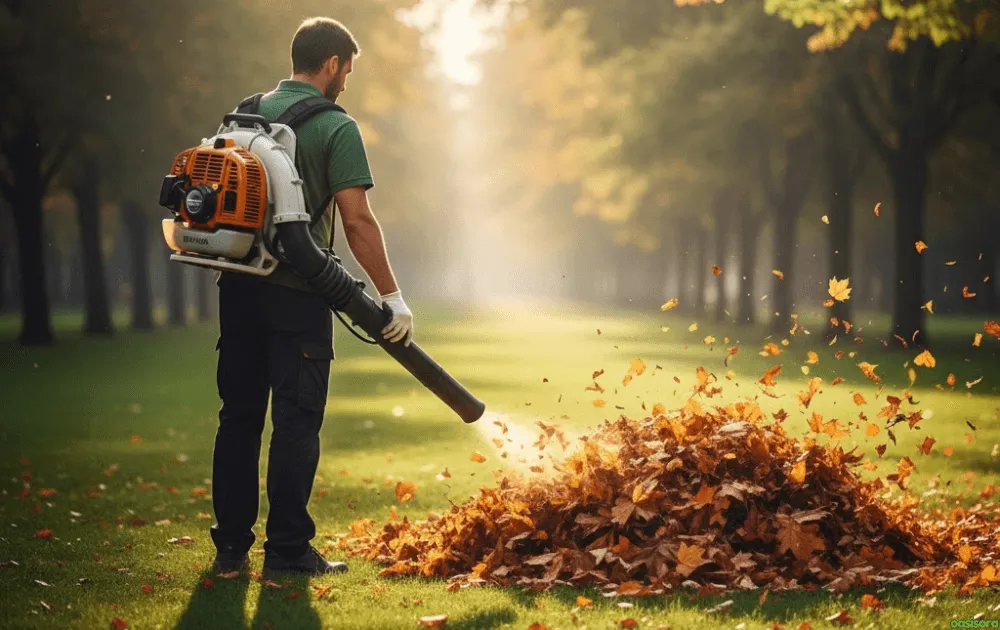
It is easy to check out mentally when the patio furniture gets put away, but what you do now dictates the health of your lawn for the next six months.
1. How does fall care directly affect spring growth?
Think of autumn lawn care as charging a battery. The root system stores the fertilizer and care you provide now. When spring arrives, the grass uses that stored energy to green up faster and thicker than untreated lawns.
2. What happens if you ignore autumn lawn care?
If you ignore it, your lawn goes through winter weak and hungry. It will be more susceptible to snow mold, winter desiccation, and weed invasion. You will likely spend more money and time in the spring trying to fix damage that could have been prevented.
3. Why is grass most receptive during autumn?
During the fall, shoot growth slows down, but root growth increases. This means the plant is focusing all its energy underground. By feeding and aerating now, you are supporting the most critical part of the plant structure.
Final Thoughts:
How Autumn Lawn Care Sets You Up for a Healthy Spring
Putting in the effort for autumn lawn care pays off dividends. I am saying this because I have seen this transformation in my yard; a little work in October means a stunning lawn in May. By following these steps, clearing leaves, fertilizing, and protecting your roots, you are ensuring your grass survives the winter and thrives when the sun returns.
FAQs
When should I start my autumn lawn care?
Start as temperatures drop and summer heat fades, usually early to mid-September, depending on your climate.
Is it too late to fertilize my lawn in November?
If the ground isn’t frozen, you can still apply winterizing fertilizer to help roots store energy.
Should I cut my grass short for winter?
Yes, lower your mower blade to about 2 inches for the final cut to prevent matting and snow mold, but avoid scalping.
Can I leave some leavs on the lawn?
Yes, a light layer mulched into small pieces returns nutrients as it breaks down, according to the United States Department of Agriculture (USDA).