
You already know what happens when you ignore your lawn in autumn. Usually, the answer lies in how your lawn was managed in autumn. From my experience, even small changes in how you mow can make a big difference in spring lawn quality. Knowing how you should adjust mowing during autumn is the single biggest thing you can do to protect your lawn before winter. The way you mow right now directly affects how well your grass survives dormancy.
In this guide, we’ll cover the right height, frequency, mistakes to avoid, and all the essentials you need for autumn lawn care. So let’s discuss it.
Final Autumn Lawn Checklist
Before we get into the details, here is a quick checklist on how you should adjust mowing during autumn. Save it and refer back throughout the season:
Raise Mower Height Slightly
Bump up your mower deck by one or two notches compared to your summer setting. Taller grass means better root insulation as soil temperatures drop.
Reduce Frequency
As growth slows in autumn, mowing every 2 to 4 weeks is usually enough, depending on your grass type. There is no need to keep the weekly schedule going once growth drops off.
Don’t Scalp
Never cut more than one-third of the blade at once. Scalping in autumn is one of the most damaging things you can do, and your lawn will struggle to recover before winter sets in.
Prepare For Dormancy
Your last autumn mow should leave the grass at a height that protects roots but does not trap excess moisture. Think of it as tucking your lawn in before it goes to sleep.
When Should You Stop Mowing in Autumn?
This is one of the most common questions people ask, and the answer is simple: stop mowing when your lawn stops growing.
(I) When Growth Stops
Watch your lawn, not the calendar. When growth has clearly slowed, and you are no longer seeing much new leaf growth, it is usually time for the final mow. For most warm-season grasses in Australia, this event often happens in May or June, depending on the region and weather.
(II) Before First Frost
If you are in a cooler region like Victoria, Tasmania, or parts of NSW, time your last mow before the first frost hits. Mowing frost-stressed grass causes serious damage to leaf cells and can leave brown, dead patches that take weeks to recover.
According to Lawn Solutions Australia, lowering your mowing height in autumn and winter is best avoided, as the grass cannot recover as quickly during cooler months.
(III) Why Does Autumn Mowing Affect Winter Survival?
Grass uses its leaf blades to absorb sunlight and carry out photosynthesis. Cut too short going into winter, and the plant does not have enough leaf surface to store energy. That stored energy is what the grass draws on to survive dormancy and kick back into growth in spring.
(IV) Immediate Actionable Takeaway
Stop mowing when growth stops, not when the calendar says winter starts. Every lawn and every region is different.
The Ideal Mowing Height During Autumn
https://share.google/F7TXBwNQp3TPDWgGk
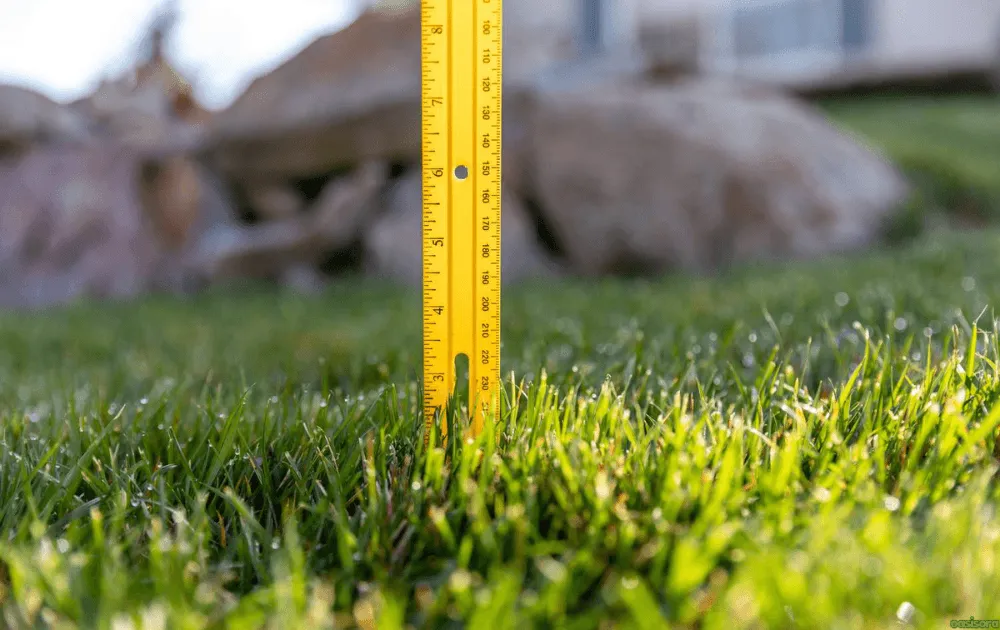
Understanding how you should adjust mowing during autumn for your specific grass type is what separates a lawn that thrives in spring from one that struggles. Here is the breakdown:
| Grass Type | Summer Height | Autumn Heights | Autumn Mow Frequency |
| Buffalo | 35-50mm | 50-70mm | Every 3-4 weeks |
| Zoysia | 10-50mm | 40-50mm | Every 3-5 weeks |
| Couch | 10-30mm | 25-35mm | Every 2-3 weeks |
| Kikuyu | 25-40mm | 40-50mm | Every 2-3 weeks |
I have personally found that erring on the taller end of these ranges in autumn gives the lawn noticeably better color when spring arrives. For a useful grass-type reference, Agland Turf Supplies’ mowing height explains that most lawns should generally be kept a little higher in cooler months.
How You Should Adjust Mowing Frequency in Autumn?
1. Reduce Frequency Gradually
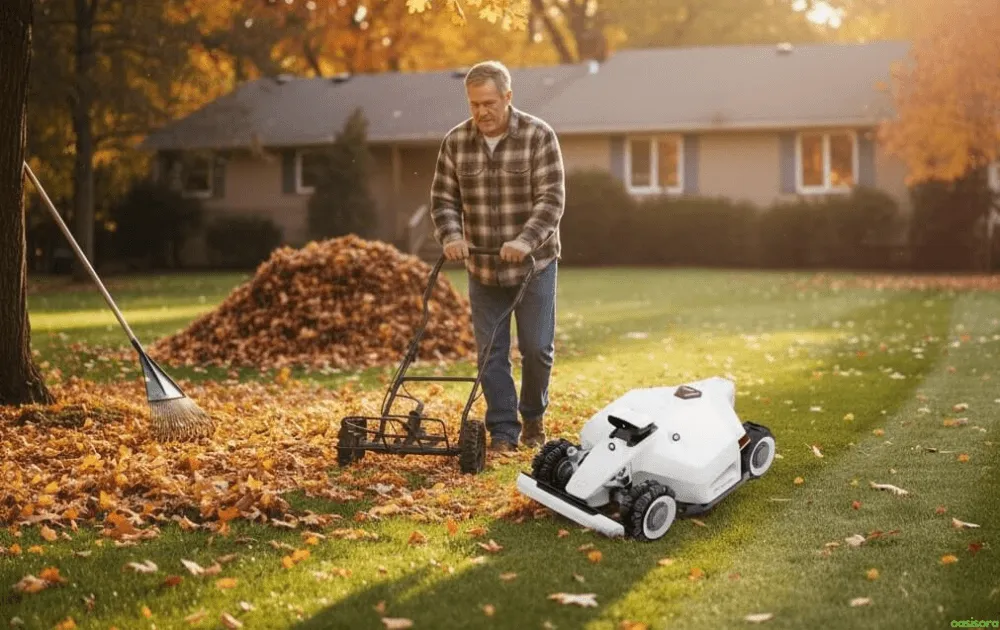
Most guides focus on height and skip frequency entirely, but this variable is one of the most important parts of how you should adjust mowing during autumn. Mow too often, and you stress the roots. Stopping too suddenly, the lawn becomes uneven as it goes into winter.
2. Don’t Suddenly Stop Mowing
Stretch the gaps slowly, weekly to every ten days, then every two to three weeks as growth continues to drop. Sudden changes put the lawn under unnecessary stress.
3. Watch Growth Rate, Not The Calendar
A warm April can keep buffalograss or kikuyu growing, while an early cold snap can slow growth much sooner. Check your lawn before each mowing instead of relying on the calendar.
I once stopped mowing too early because it felt cold enough, and by May, the lawn was uneven, going into winter. From my experience, keep mowing as long as the grass is still growing, just less often.
Should You Cut Short Before Winter?
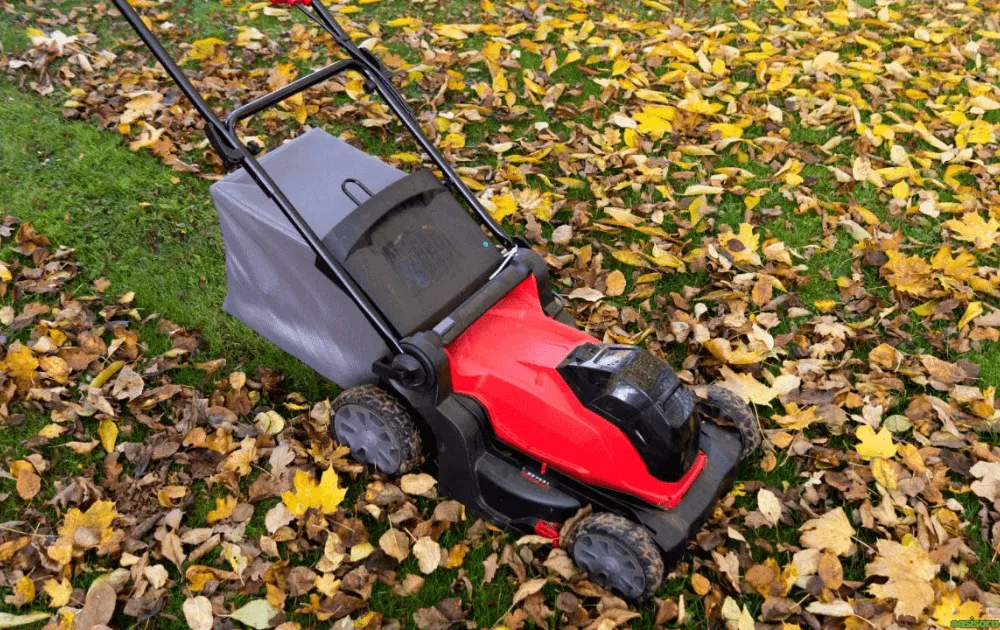
Yes and no. There is a right way and a very wrong way to do this.
1. Slightly lower Final Mow
For warm-season grasses like Couch and Kikuyu, a slightly lower final mow going into winter is fine. It can reduce thatch buildup and help prevent fungal issues that develop when long, damp grass clippings sit on the surface through winter.
2. But Never Scalp
Scalping means cutting so low that you expose the brown stem below the green leaf. Do not do this in autumn under any circumstances. The lawn cannot grow back fast enough before dormancy sets in, and those bare patches will sit exposed through winter and into spring.
3. Leave Enough Leaves for Photosynthesis
Your grass needs its leaf surface to keep producing and storing energy right up until it goes dormant. The one-third rule applies here as always: never remove more than one-third of the total blade height in a single mow. If you want a lower final height, drop the deck gradually over two or three mows rather than all at once.
Common Autumn Mowing Mistakes You Should Avoid
Here are the most common mistakes people make when they do not understand how you should adjust mowing during autumn properly:
Cutting Too Short
According to my experience, lawns that head into winter at the right height come out of dormancy weeks ahead of those that were scalped in autumn. It is a simple thing that makes a big difference.
Stopping Mowing Too Early
If growth is still happening, keep mowing. A lawn that is left long and uncut going into winter traps moisture and invites fungal disease.
Ignoring Mower Blade Sharpness
A dull blade tears the grass rather than cutting it. Torn tips go brown and leave the plant more exposed to disease. Sharpen your blades at the start and end of each season.
Leaving Heavy Clippings
Thick clumps of clippings do not break down quickly in cooler autumn temperatures. They smother the grass below and create a perfect environment for fungal problems. Use a catcher or rake them up.
Overwatering While Mowing less
As mowing frequency drops, so should your watering. Overwatering a slow-growing lawn in autumn leads to waterlogged soil and shallow roots. Water deeply but less often to push roots deeper before winter.
Remember Mower Maintenance Before Winter

Once the last mow is done, take 30 minutes to service the mower before storing it. Trust me, skipping this step always comes back to bite you on the first warm morning in spring.
Tips for Maintaining Your Mower
Here are some useful tips:
- Clean the deck. Clippings and moisture left sitting cause rust over winter. Scrape it clean, rinse, and let it dry fully.
- Sharpen the blades so you start spring with a clean cut from the first mow.
- Drain the fuel or run the engine dry. Old fuel gums up the carburetor and causes starting problems.
- Check the air filter, oil, and spark plug. A fresh spark plug takes five minutes and saves a lot of frustration in the spring.
- Store it somewhere dry and sheltered to protect the engine and deck over the cold months.
Final Thoughts
FAQs
When should I stop mowing my lawn in autumn?
The key to knowing when and how you should adjust mowing during autumn is watching your lawn, not the calendar. Stop when growth has clearly stalled. For most warm-season grasses in Australia, it’s between May and June, but it depends on your region and the season.
How high should I set my mower in autumn?
Raise the height compared to summer. Buffalo and Kikuyu do well at 50 mm or above, while Couch sits around 25 to 35 mm. Leave enough leaves to protect the roots without letting the lawn grow too overgrown.
Should I fertilize my lawn in autumn?
Yes. A slow-release fertilizer in early autumn helps build root strength before winter. A granular fertilizer is often a beneficial choice to support root development through the cooler months.
Is it bad to leave grass clippings on the lawn in autumn?
Light clippings are fine and add nutrients back to the soil. Heavy clumps should be removed. In cooler temperatures, they break down slowly and can smother the grass below, creating conditions for fungal problems.