
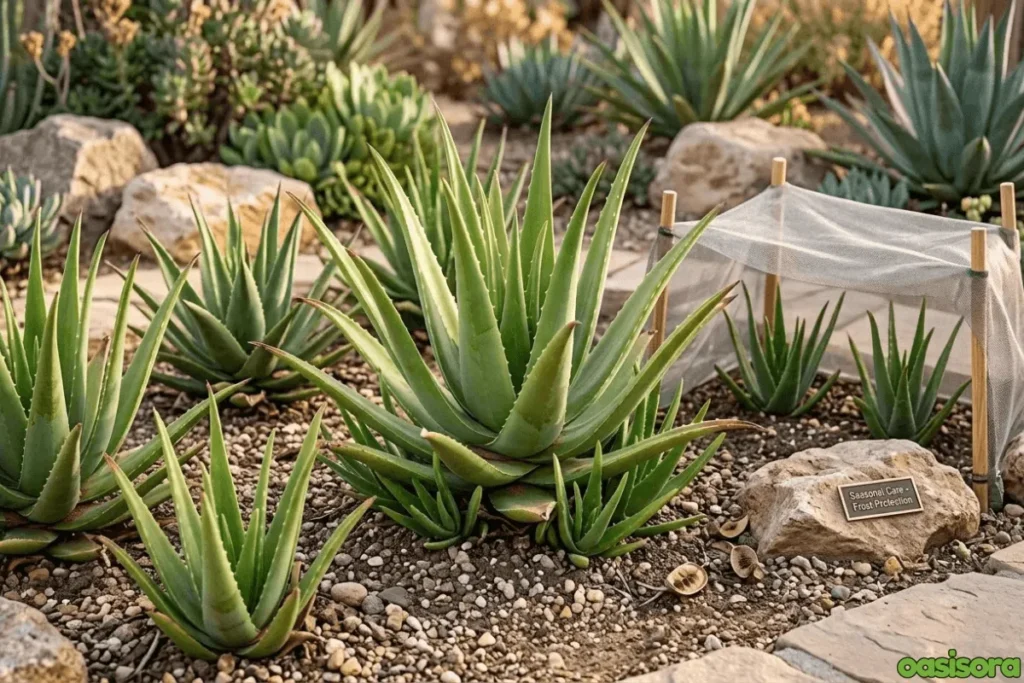
Interestingly, growing aloes is simple, rewarding, and perfect for plant lovers. These fleshy, sculptural plants look lovely on a windowsill or in a garden and need very little care. I remember my first aloe; it turned yellow because I didn’t know the basics. Once I learned what it truly needed, it thrived and even produced baby plants. Aloes are tolerant, yet a few basic practices significantly impact their growth.
The truth is, growing them successfully is not difficult. You just need to understand a few basic things. In this guide, we’ll cover types, indoor and outdoor gardening, propagation, and tips to keep them healthy. Let’s dive into the world of aloes.
What Should You Know About Aloe Before You Start Growing It?
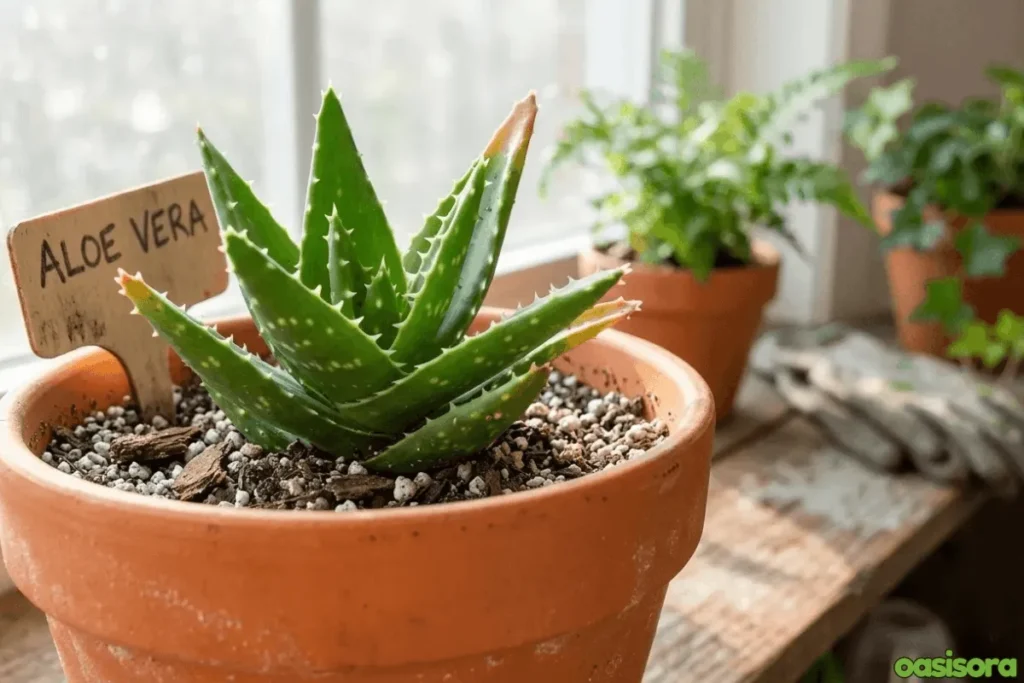
Before you start growing aloes, it helps to understand what kind of plant you are actually dealing with. Knowing the basics saves you from the most common early mistakes.
1. Difference Between Aloe Vera and Other Aloe Varieties
Aloe vera is the most widely grown species, known for its clear medicinal gel and grey-green leaves. But there are over 500 aloe species, from compact desktop plants to towering tree aloes. Some flowers bloom brilliantly in winter; others are grown purely for their sculptural shape.
2. Why Are Aloes Succulents?
Aloe stores water in its thick leaves. This is exactly what makes growing aloes so forgiving for busy people. They can go weeks without water, and they would rather be bone dry than sit in soggy soil. Once you grasp this concept, you will cease overwatering, which is when aloes truly begin to thrive.
3. Indoor Vs Outdoor Growing Basics
Growing aloes indoors means managing light carefully since most indoor spaces do not get the intense sun aloes love. Outdoors, aloes tend to grow faster and produce more offsets, but they need protection from frost in colder climates. Both approaches work well; you just need to match your method to your conditions.
How Can You Choose the Right Aloe for Your Space?
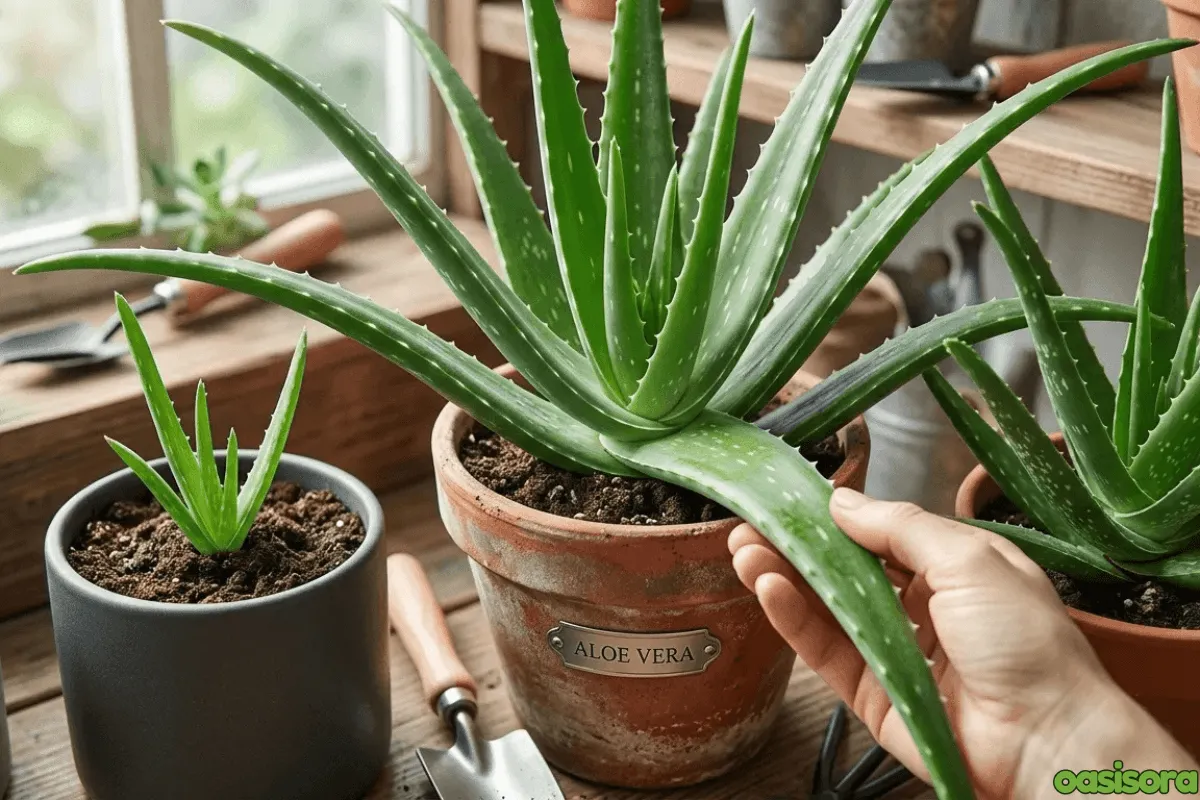
Choosing the right variety is the first step to growing aloes well. If you pick the wrong plant for your space, you are already working against yourself.
(a) Best Aloes For Indoor Growing
- Aloe vera: Classic, medicinal, stays manageable in a pot
- Aloe aristata (lace aloe): Tolerates lower light better than most varieties
- Aloe brevifolia: Compact rosette, great for beginners
(b) Best Aloes For Outdoor Gardens
- Aloe ferox: Bold and architectural, produces vivid orange flowers
- Aloe arborescens: Fast-growing, works well as a border or hedge plant
- Aloe vera: Thrives outdoors in warm, frost-free climates
(c) Tree Aloes Vs Small Container Aloes
Tree aloes, like Aloe barberae, can grow up to 18 meters in ideal conditions. They are stunning landscape plants, completely impractical in a pot. For most people growing aloes at home, compact container varieties are the smart choice. I went with Aloe ferox for my garden bed, and honestly, it has been the easiest plant I have ever grown outdoors.
How Can You Propagate Aloes From Offsets?
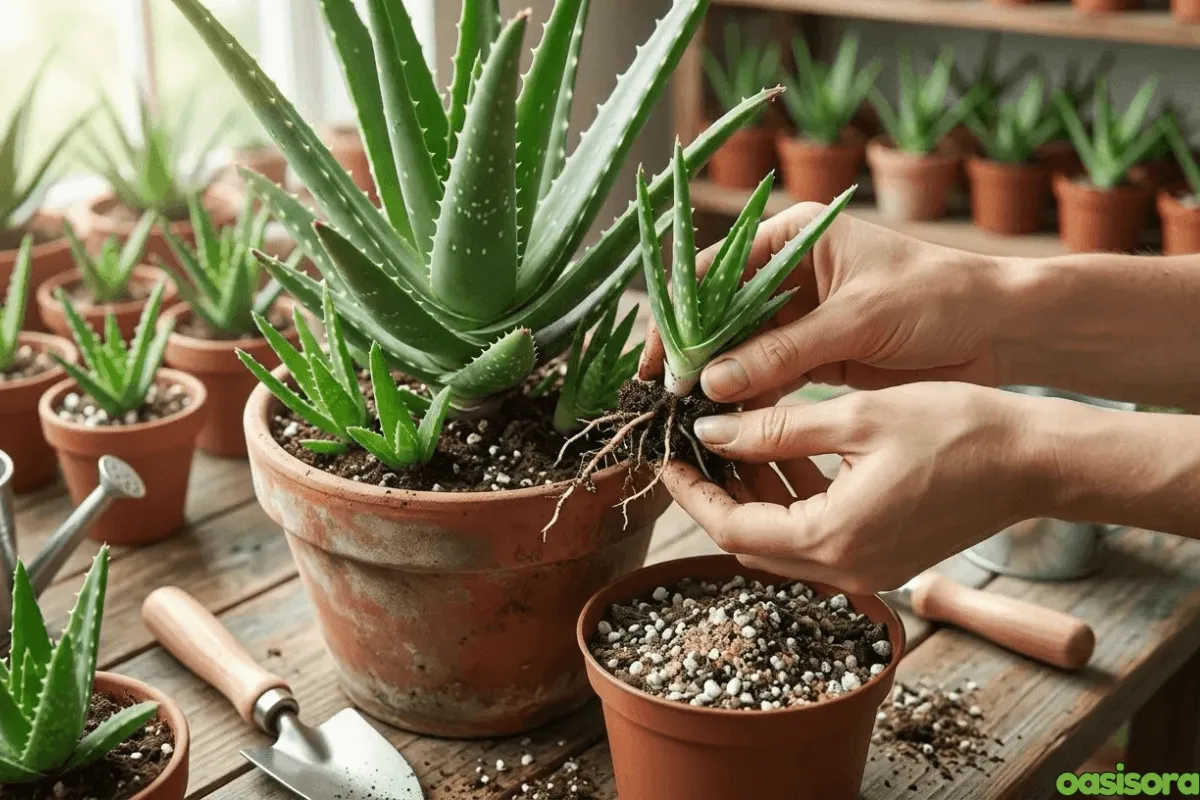
One of the best parts of growing aloes is that a single healthy plant will eventually produce offsets, also called pups or chicks. These are small baby plants that grow from the base of the mother plant. Once you learn to propagate from pups, you will never need to buy aloe plants again.
When Are Pups Ready to Be Removed?
Wait until your pup has grown to at least one-fifth the size of the mother plant. Removing a pup too early, before it has developed its own root system, almost always results in the pup dying. When the pup reaches a height of two to three inches and exhibits visible roots, it is ready for planting.
How Can You Replant Them Successfully?
Gently remove the pup from the mother plant by digging around its base. If it has no roots yet, let it sit on a dry surface for two to three days until the cut end calluses over. Then pot it in a well-draining succusix hours of bright lightlent or cactus mix. The biggest mistake here is watering too soon. When I tried the procedure for the first time, I waited five days before watering, and every single pup survived.
Do not water for the first week after replanting. This gives the roots time to establish and reduces the risk of rot. Once you notice new growth, it means the plant has settled in properly.
Can You Grow Aloes Outdoors Year-Round?
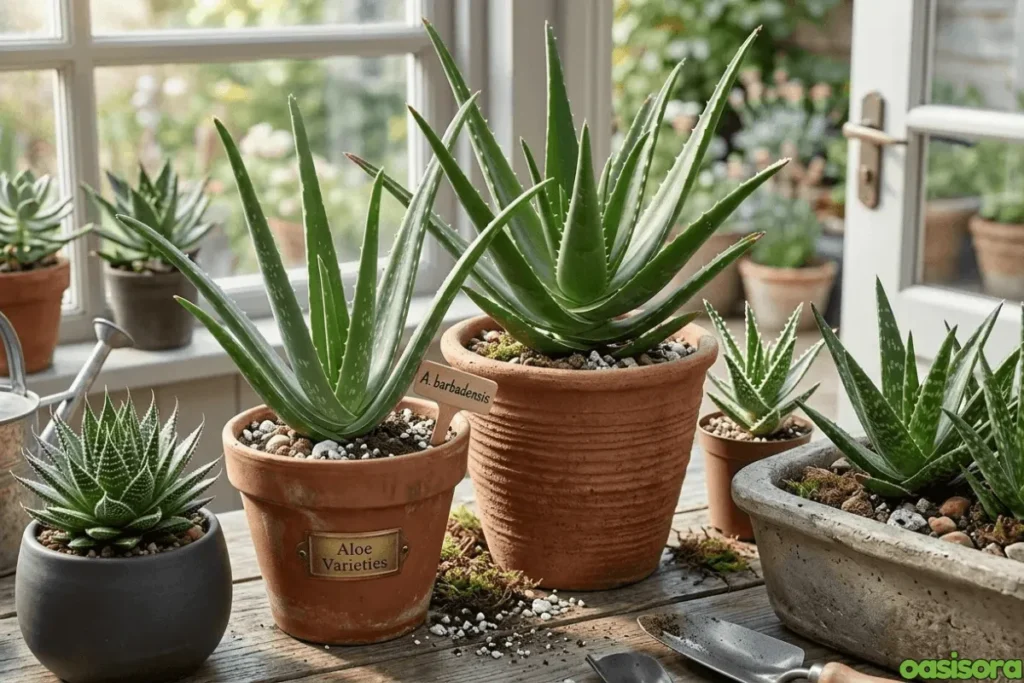
Growing aloes outdoors year-round is entirely possible in the right climate. Your location determines how much extra care your plants will need through the colder months.
1. Climate Considerations
Aloes prefer USDA zones 9 to 11. In zone 8 and below, most varieties need indoor protection during winter.
According to the Royal Horticultural Society, aloe vera is not frost-hardy and can be damaged at temperatures below 10 degrees Celsius.
2. Cold Protection Tips
- Move potted aloes indoors before the first frost.
- Use a frost cloth to protect in-ground plants on cold nights.
- Avoid spots where water pools, as wet and cold together are lethal for aloes.
3. When Outdoor Growing Makes Sense
If you are in a warm region, growing aloes outdoors is genuinely the easiest approach. They get more sun, produce more pups, and need far less attention than indoor plants. Once I moved my aloe vera from a pot on the windowsill to a sunny garden bed, it doubled in size within a year.
Did You Ever Wonder Why Some Aloes Thrive While Others Struggle?
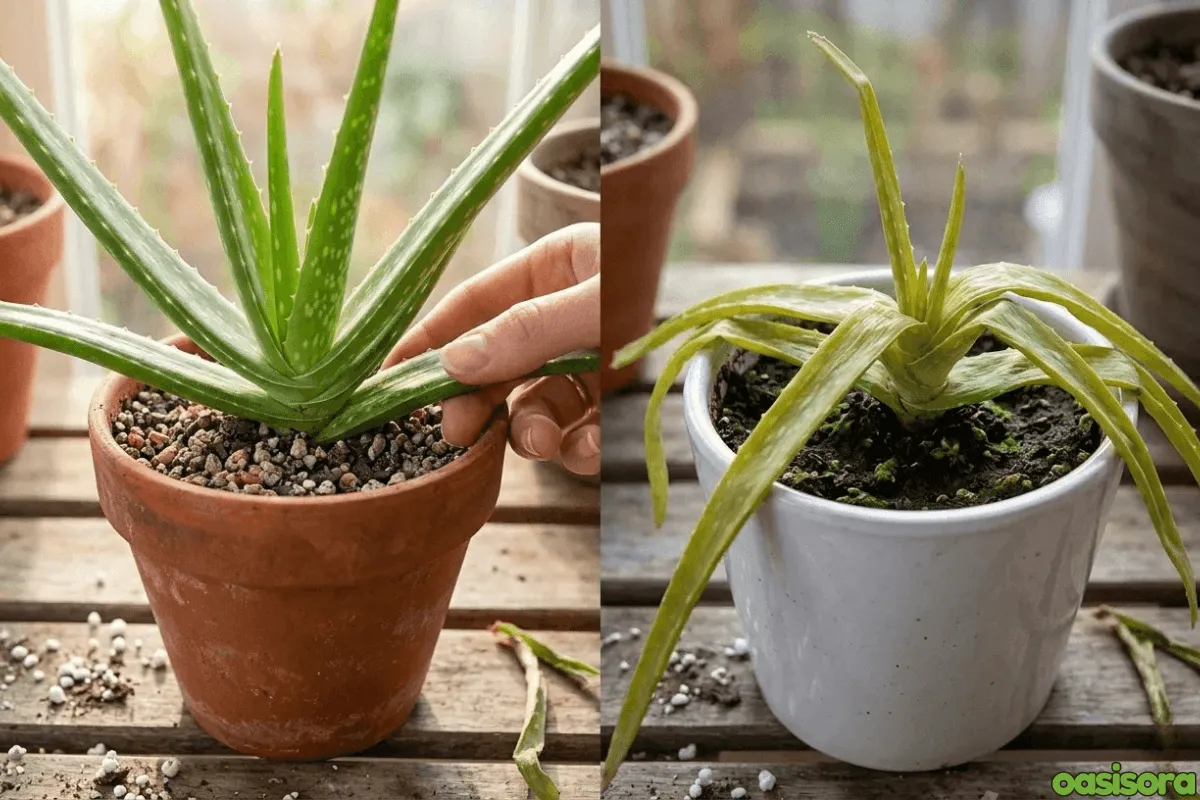
Growing aloes looks effortless in pictures. With a beautiful pot and a sunny corner, the process appears effortless. But in reality, many people end up with yellowing leaves, mushy stems, or plants that just refuse to grow. Fortunately, most of these issues stem from just a few common mistakes.
Why Are Aloes Easy in Theory but Tricky in Practice?
Aloes are sold as nearly unkillable plants, and while that is mostly true, they do have one major weakness: too much water. Most people come from a background of caring for plants that need regular watering. With aloes, that instinct works against you.
Overwatering is the single most common cause of aloe decline, especially in indoor growing conditions.
Common Mistakes People Make When Growing Aloes
- Overwatering: Water only when the soil is completely dry, every two to three weeks in summer
- Wrong soil: Regular potting mix holds too much moisture. Use a cactus or succulent blend.
- Too little light: Aloes need at least six hours of bright light daily.
- No drainage: Always use a pot with drainage holes. Standing water causes rot fast.
Final Thoughts
That Help You Grow Aloes Successfully Long-Term
Fertilizer is often skipped or overdone. A diluted, balanced feed once in spring and once in early summer is enough. According to the University of Florida IFAS Extension, aloes grown in well-draining soil with adequate sun are highly resilient and need only minimal fertilizing.
Simple Habits That Keep Aloes Healthy
- Always check soil moisture before watering. If it is still damp, wait.
- Remove dead or damaged leaves from the base to reduce disease risk.
- Give outdoor plants a light feed in spring to encourage new growth.
When to Repot or Divide Your Plants
Repot when roots appear through the drainage holes or when the plant outgrows its container. Spring is the best time. Shake off old soil, trim dead roots, and pot fresh into succulent mix. Separate any pups while you are at it.
In Short:
Growing aloes comes down to three things:
- The right soil
- Right light
- Restraint with water.
Get those right, and the plants take care of themselves for a long time.
FAQs
How often should you water an aloe plant?
You should water them every two to three weeks in the summer and once a month in the winter. Always wait until the soil is completely dry before watering again.
Can you grow aloes indoors without direct sunlight?
They can survive in bright indirect light, but growth will be slow, and leaves may become pale or lean. A south- or east-facing window is ideal.
How long does it take for an aloe pup to grow into a full plant?
Under good growing conditions, an aloe pup can grow into a mature plant in three to four years. This depends on the variety, the amount of light it receives, and how well it is cared for in those early months.
Is aloe vera the same as other aloe plants?
No. Aloe vera is one species within a family of over 500. Other varieties differ in size, cold hardiness, leaf shape, and growing needs