
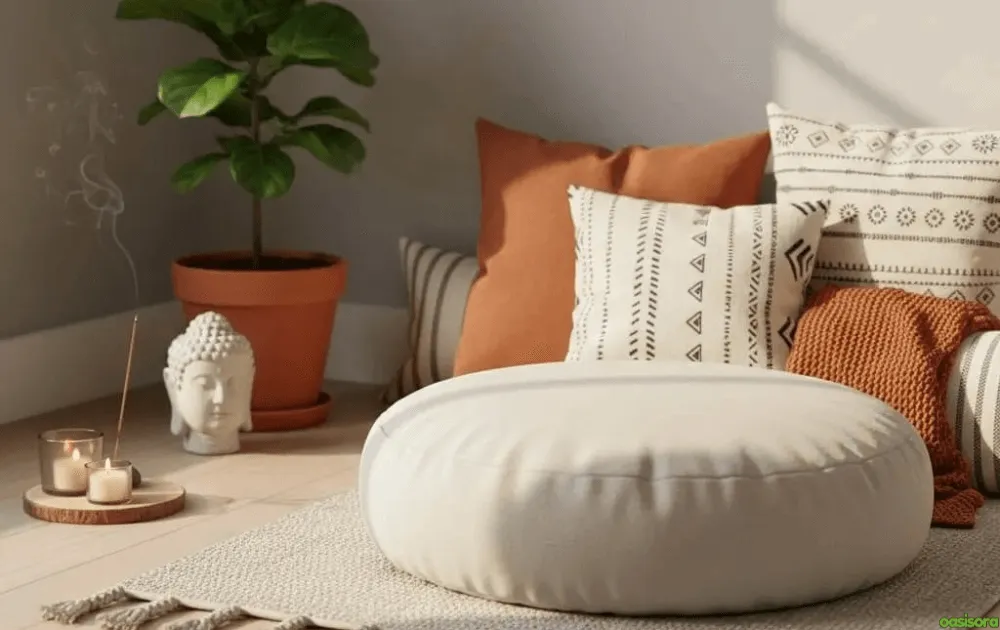
Finding a quiet place at home can be difficult when space is limited and life is busy. However, learning how to build a Zen meditation space on a budget makes it possible to create peace without spending much money or changing your home completely.
I also believe that a meditation space works best when it feels simple, personal, and easy to return to each day. This guide shares simple ideas to help you create a space that feels balanced, focused, and easy to relax in every day.
Let’s explore the wonderful ideas.
What a Zen Meditation Space Really Needs and What It Doesn’t?
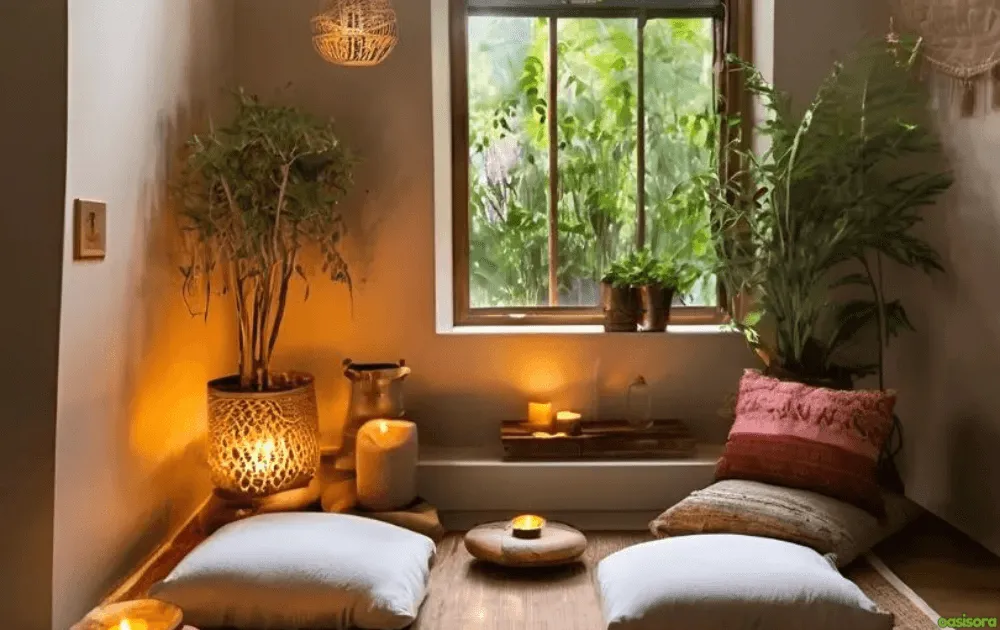
A Zen meditation space has one simple purpose: to support focus and stillness. It does not need to look perfect or follow any specific design trend. Rather, a space usually feels right when it lets you sit quietly without visual or mental clutter. Even a small, simple area can work well when it feels clear and well-arranged.
Indeed, peace comes from simplicity, not from spending money. Fewer items make it easier to settle the mind and stay present. The National Center for Complementary and Integrative Health states that regular meditation supports stress relief and mental clarity in a quiet environment. This is why building a Zen meditation space on a budget starts with removing extras instead of adding new things.
Buying decor that looks nice but creates clutter is a common mistake; extra colors, scents, and gadgets often become eye and mental distractions. When the space stays minimal and purposeful, it naturally supports a better daily practice and a healthy life.
Choosing the Right Spot Without Spending Anything

The place you choose matters more than the size of the space. A meditation area works best when it feels separate from daily movement and noise. According to me, choosing the right spot is often the easiest step in learning how to build a zen meditation space on a budget. That is because it usually costs nothing.
Using a Small Corner, Nook, or Unused Area
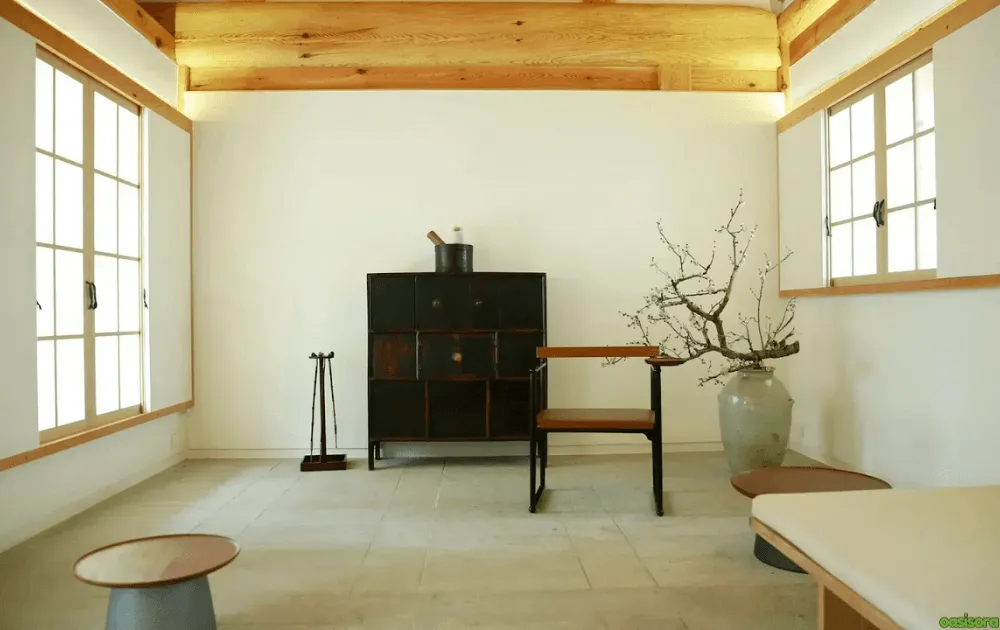
A quiet corner, an empty nook, or an unused part of a room can be enough. These areas already exist in most homes but only need a clear boundary to feel intentional. Even a space beside a window or behind a chair can become a calm meditation spot when it is kept simple.
Bedroom, Living Room, Balcony, or Closet Options
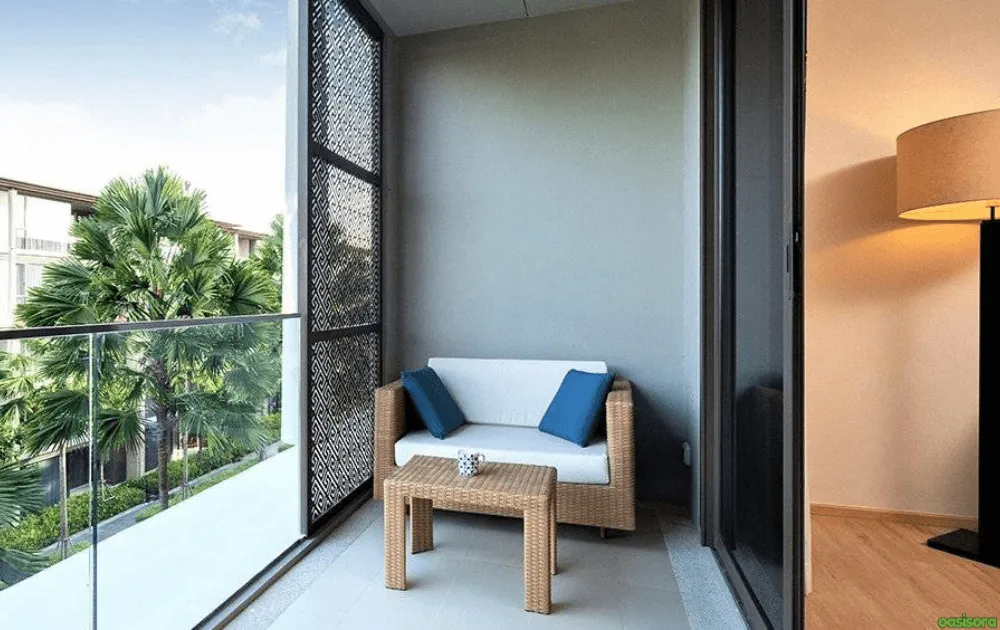
- Bedrooms work well because they are usually quieter.
- On the other hand, living rooms can work well when you pick a less active corner.
- Moreover, a clean, private balcony can also feel refreshing.
- Some people even use a small closet after clearing it out.
All such spaces create a naturally enclosed and peaceful feeling.
What to Avoid?
Avoid places where people walk often or where noise is constant.
- Areas near televisions, doors, or work desks usually pull attention away from meditation.
- Also, bright screens, clutter, and frequent interruptions make it harder to settle eyes in one place.
Undoubtedly, a good spot feels steady, quiet, and easy to return to each day.
Declutter First—The Cheapest Zen Upgrade
Clutter quietly pulls attention in different directions, even when you are not aware of it. Too many objects make the mind feel busy and restless, which works against meditation. A close friend of mine once cleared a small corner in her room by removing old books and unused items, and she noticed the space felt lighter and easier to sit in right away.
Resetting a space does not take long. In under 30 minutes, you can remove items that do not belong, wipe surfaces, and leave only what supports quiet sitting. This simple reset is one of the most effective parts of how to build a zen meditation space on a budget. It changes the feel of the space without costing anything.
Minimalism is a core part of Zen thinking. Keeping fewer items helps the space feel open and intentional. When the area is clear, the mind finds it easier to slow down and stay present during daily meditation practice.
Budget Seating Options for Comfortable Meditation
Comfort matters more than style when setting up a meditation space. Undoubtedly, the body relaxes faster when it feels supported, and that support does not need to come from expensive seating. I once saw a neighbor meditate daily using nothing more than a folded blanket in a quiet corner, and it worked just as well as any store-bought cushion.
Floor Cushion Alternatives
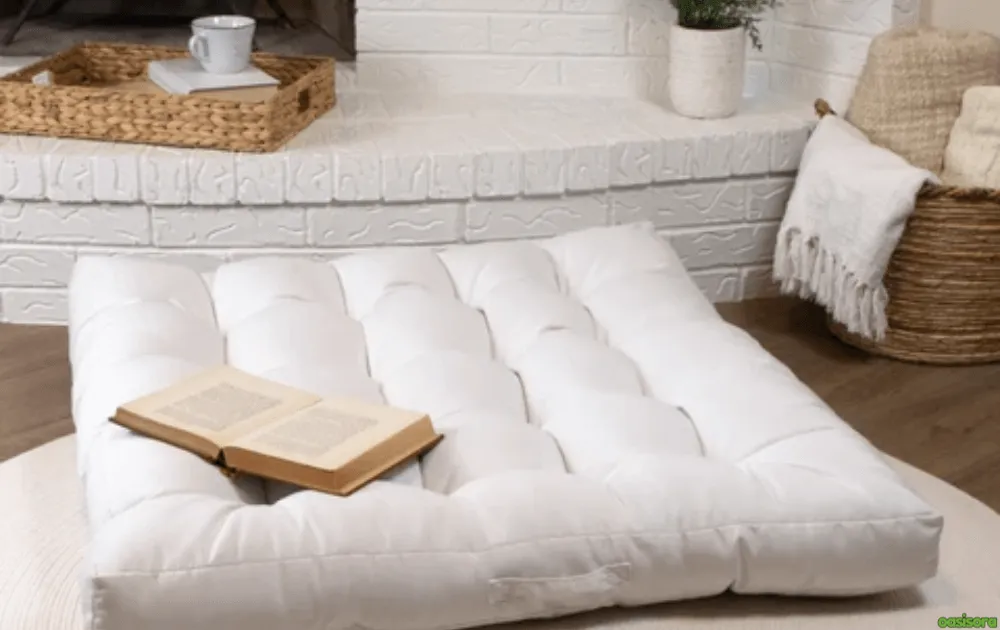
DIY pillows are an easy place to start. Old throw pillows or even tightly folded clothes inside a pillowcase can create enough height to support the hips. Folded blankets work just as well when you layer them slowly until the seat feels stable and comfortable.
Additionally, a yoga mat setup is another simple option. You can place the mat on the floor for grip, then add a blanket or pillow on top. This keeps the body stable and reduces pressure on the knees and ankles while sitting.
Low-Cost Chairs or Benches
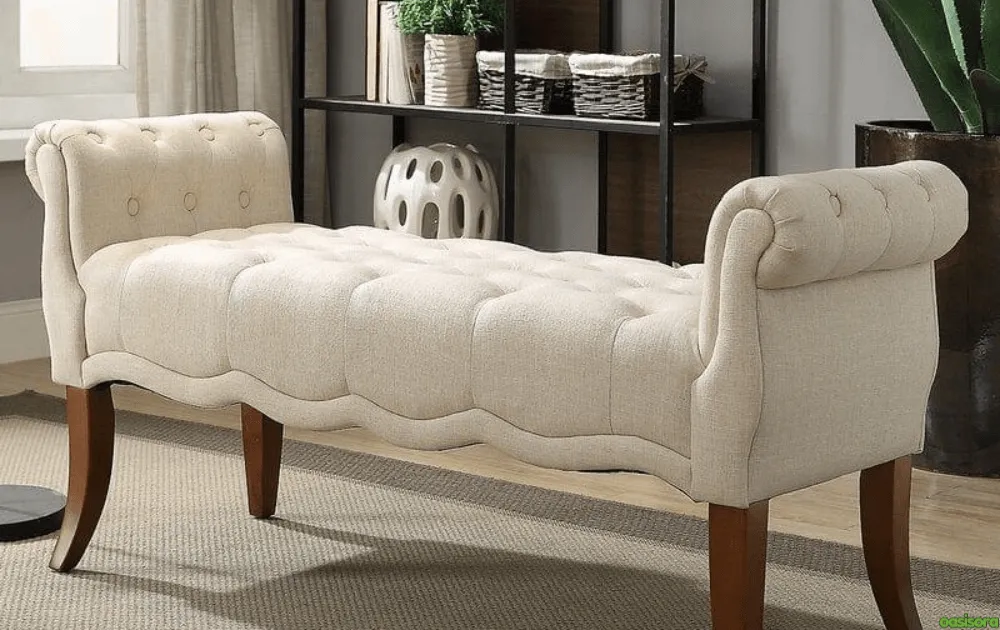
Using what you already own often gives the best results. A sturdy dining chair, a low stool, or even the edge of a couch can support meditation if the feet rest flat and the back stays upright.
Indeed, body posture makes a big difference in one’s comfort. Sit tall without stiffness, let the shoulders drop, and keep the chin level. Small adjustments like placing a cushion under the hips or behind the lower back can turn ordinary seating into a peaceful support if you know how to build a Zen meditation space on a budget.
Creating a Calm Zen Atmosphere on a Budget
The atmosphere of a meditation space shapes how easily the mind settles. Small, thoughtful choices often have a stronger effect than buying new decor. I noticed this at a friend’s place, where she changed nothing except the lighting and window use. Interestingly, the room felt completely different instantly.
Natural Light & Window Positioning
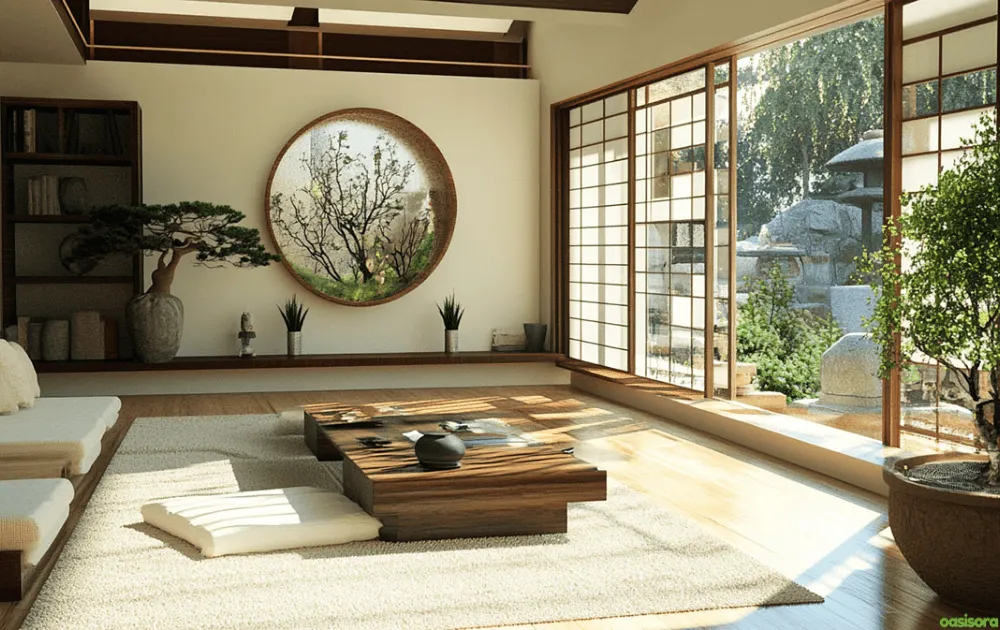
Natural light helps the space feel open and gentle. Sitting near a window during morning or late afternoon hours allows soft light to enter without glare. If the light feels too strong, a thin curtain or fabric can soften it without blocking it fully.
Affordable Lighting Ideas
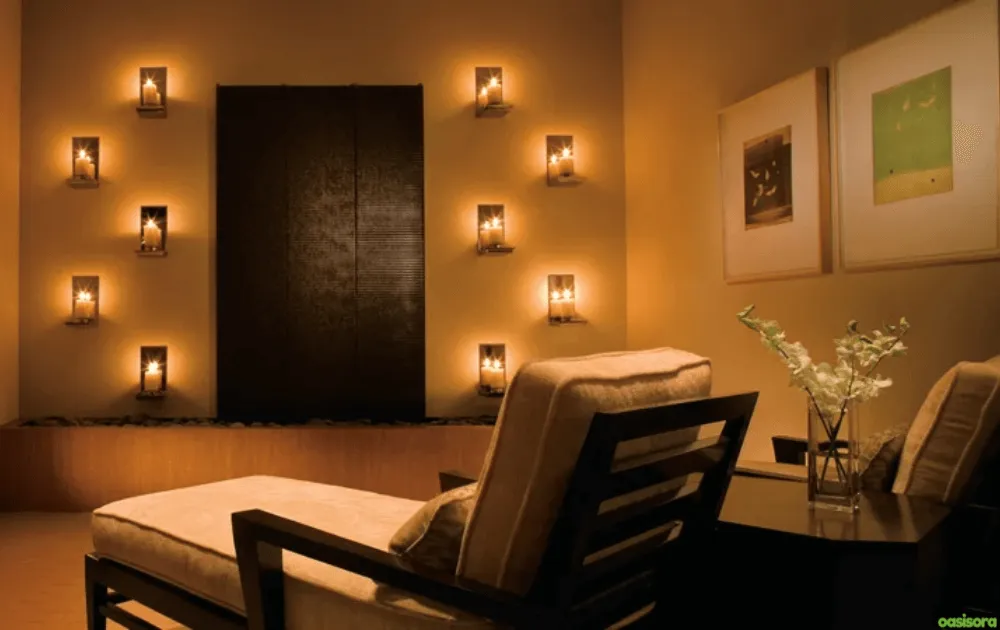
Lamps with warm bulbs are a simple way to replace harsh overhead lights. Even one small table lamp can change the mood of a room. Candles also work well for short sessions, adding a steady glow that feels grounding. Warm bulbs do not cost much and feel softer on the eyes, which helps more when meditating later in the day.
Simple Color Choices That Feel Zen

When learning how to build a Zen meditation space on a budget, keep color choices in mind:
Neutral shades such as beige, soft white, or light grey help make a space feel steady and relaxed.
Earth tones like gentle green or warm brown add comfort without pulling focus.
Strong reds, bright oranges, and sharp contrasts are better left out, as they can feel too active and make it harder to settle eyes.
Adding Natural Elements Without Buying Decor
Harvard Health Publishin notes that nature has a grounding effect that supports meditation, and it does not require shopping. Many useful elements are already around you if you notice. Everyday items often feel more natural and personal than decorative pieces purchased from a store.
(i) Stones, Pebbles, or Sand from Nature
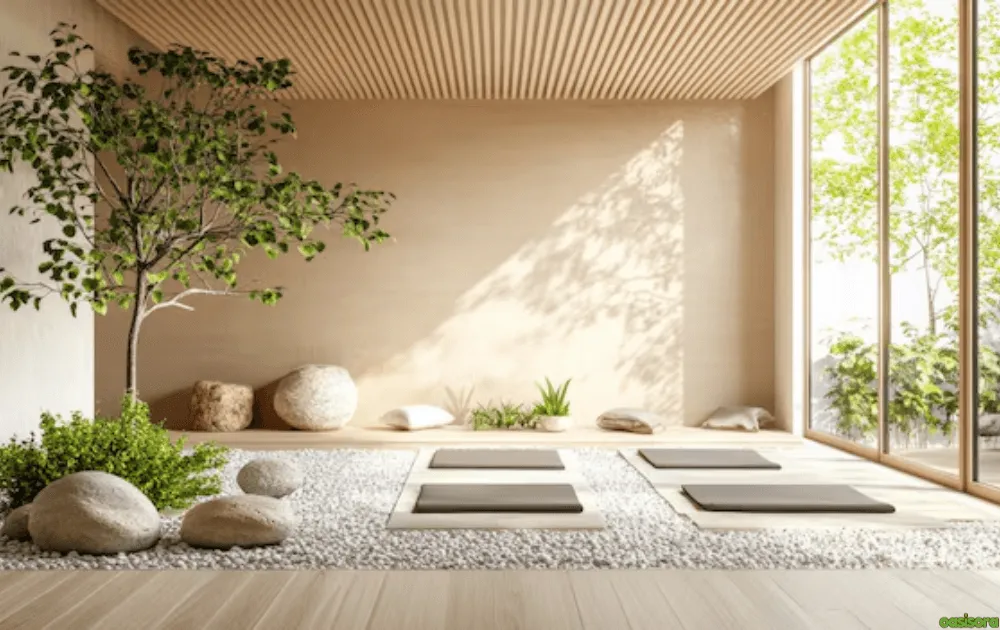
Small stones or pebbles picked from a garden or pathway can become simple focus pieces. A bowl of sand or a small tray holding a few stones adds texture and stillness without any extra effort. Placing them slowly can turn into a quiet moment on its own, which fits naturally well when learning how to build a Zen meditation space on a budget using simple, no-cost, everyday elements.
(ii) Low-Maintenance Plants or Cuttings
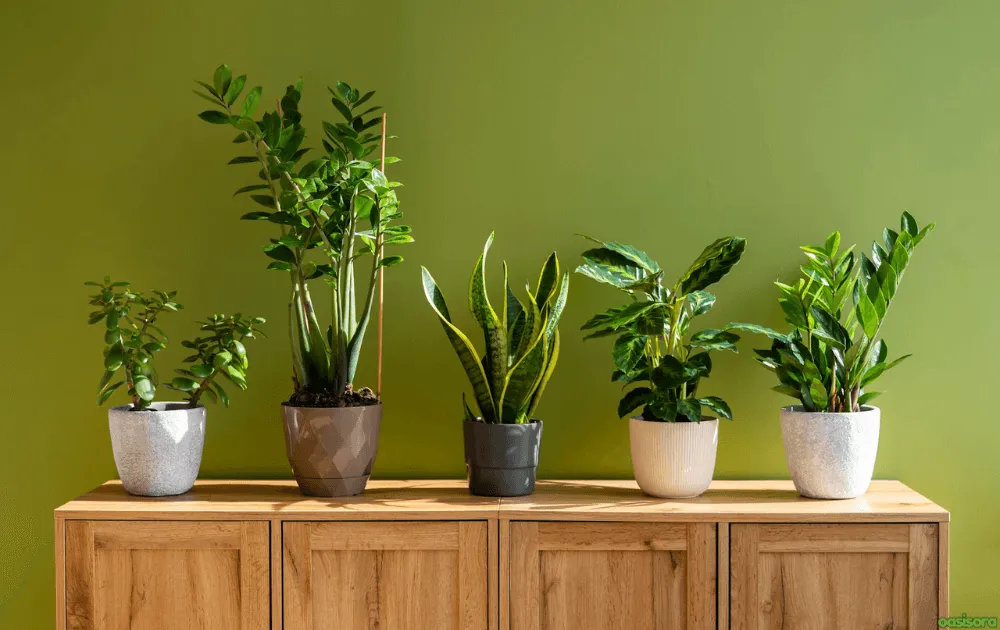
Plants bring life into a space, even in small amounts. Cuttings from a friend’s plant, a small indoor pot, or a hardy option such as a snake plant work well indoors. I noticed this personally when I added a single cutting to my own setup, and the space immediately felt lighter and more welcoming. However, these choices need little care to create a sense of freshness and perfect balance.
(iii) Wood, Bamboo, or Fabric You Already Have
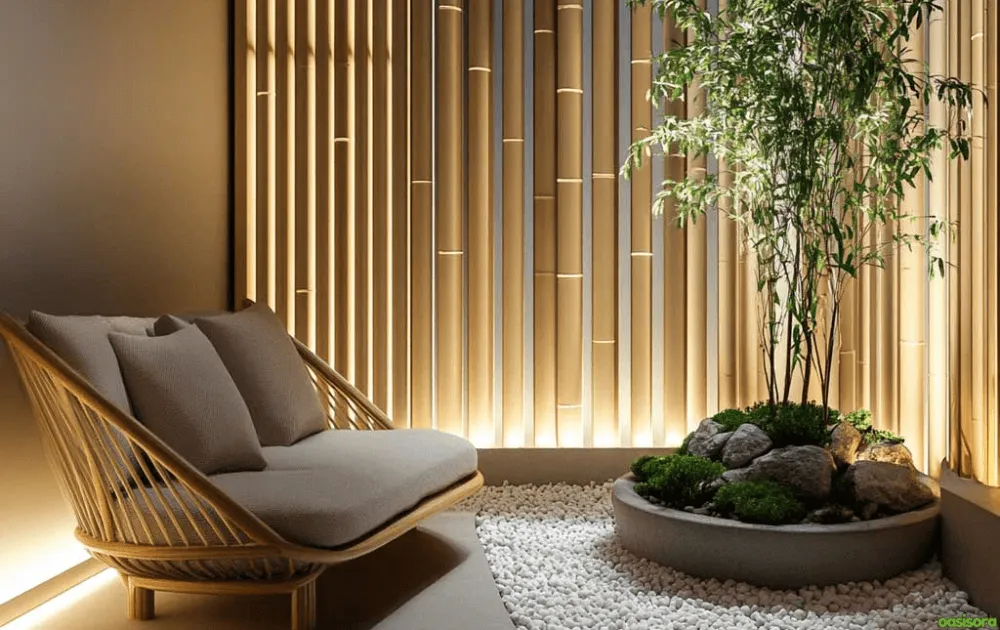
Wooden trays, stools, or shelves quietly warm up the Zen space without trying too hard. Bamboo mats or simple cotton fabric can work as floor coverings or be hung lightly on a wall. When you use what is already at home, the space stays clean, simple, and cost-free.
DIY Zen Touches That Cost Almost Nothing
Small, thoughtful details often bring the strongest sense of balance to a meditation space. These simple additions are easy to create and feel more personal than decorative items bought in a hurry.
Mini Zen Garden (Under $5)
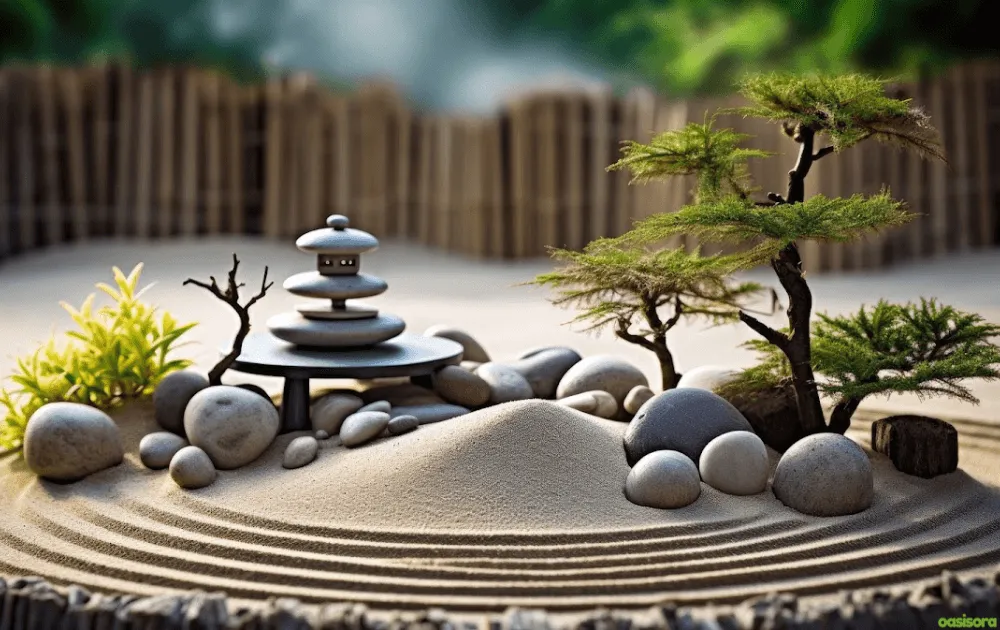
A mini zen garden can be made with a shallow tray, a bit of sand, and a few small stones. Many people even use leftover containers or old plates at home. Raking patterns in the sand or adjusting the stones slowly can become a quiet, grounding part of daily practice and fit naturally into how to build a Zen meditation space on a budget.
Simple Altar or Focus Point
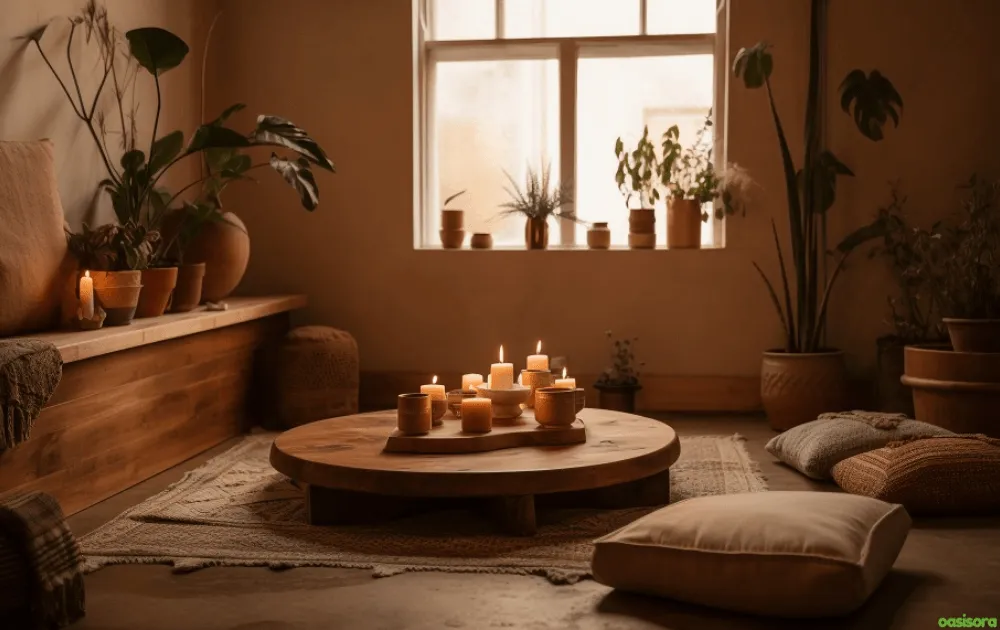
A focus point helps the mind settle at its best. This does not need to be religious or decorative. Even a candle, a stone, or a small object placed at eye level works well. I found that keeping just one item there. I noticed it avoided distraction, making the entire space feel intentional.
Meaningful Personal Objects vs Store-Bought Decor
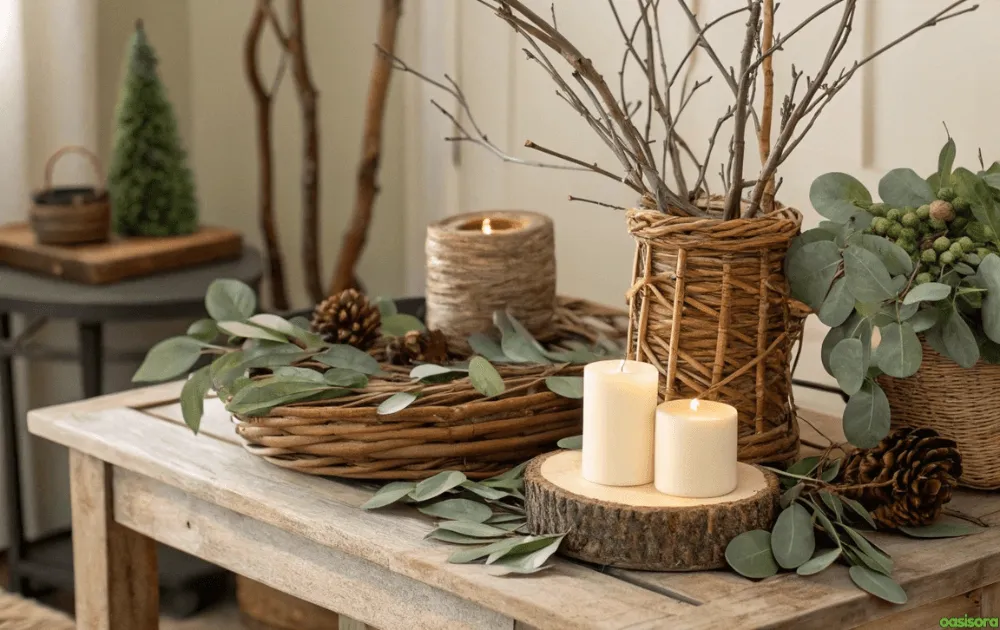
Personal items often matter more than anything bought for display. A photo, a handwritten note, or a small gift tied to a memory can quietly support reflection. When items are chosen for what they mean to you, the space feels more natural without extra spending.
Sound, Scent & Sensory Calm on a Budget
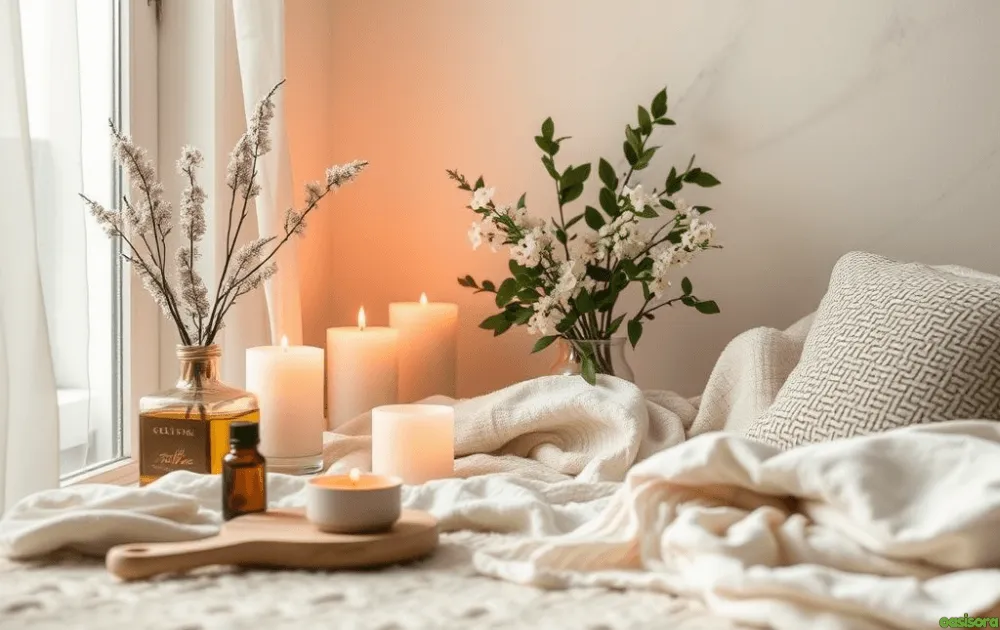
The senses play a quiet but powerful role during meditation. When sound and scent stay light, it becomes easier for the mind to slow down. This balance can come together without buying any special tools or extra gadgets.
Free or Low-Cost Sound Options
Silence is often the easiest and most helpful choice. Early mornings or late evenings usually feel quieter on their own. Free meditation apps can also support the practice by offering guided sessions or soft background sounds at no cost.
Natural sounds work well, too. Open windows can let in birds or distant wind, and simple recordings of rain or flowing water can support focus. These small choices make knowing how to build a Zen meditation space on a budget feel natural and effortless.
Affordable Aromatherapy
Incense is another one of the easiest ways to introduce a scent that lasts a long time. For those who prefer alternatives, a few drops of essential oil on a cloth or cotton ball can work just as well.
Natural ventilation also matters. Fresh air helps prevent scents from feeling heavy and keeps the space comfortable. Even a few minutes of airflow before meditation can refresh the room and the mind.
Keeping the Space Tech-Free & Distraction-Free
Meditation works best when the mind feels safe from interruptions. Phones, screens, and alerts quietly pull attention away, even when they are not being used. Keeping technology out of the space helps the body relax faster and supports more relaxation.
Why Phones Break Meditation Focus?
A phone brings urgency into the room. Even in silence, it pulls the mind toward work and unfinished tasks. Leaving my phone in another room instantly changes the quality of practice. A friend of mine noticed the same shift when she stopped bringing her smartwatch into her quiet corner.
Simple Rules to Protect the Space
Set clear habits instead of strict rules. Place devices outside the room, turn notifications off, or keep the space reserved only for stillness. Using the same spot daily trains the mind to slow down as soon as you sit.
Creating Boundaries Without Renovation
No walls are needed. A folded screen, curtain, or even a mat placed on the floor signals that this area has a different purpose. These small boundaries quietly support how to build a Zen meditation space on a budget, without changing anything in your home.
Sample Budget Breakdown (Realistic & Practical)
Creating a peaceful meditation setup does not depend on money. What matters most is intention and consistency.
$0 setup
Use an empty corner, folded blankets for seating, natural light, silence, and a clutter-free floor. Many people start here and find it more than enough.
$10 setup
Add a candle, incense, or a warm light bulb. A small plant cutting or a simple cloth can also enhance comfort without excess.
$25 setup
Moreover, you can also include a floor cushion, a soft lamp, or even a basic yoga mat to keep the setup comfortable. These items improve physical comfort but are still optional.
What actually matters most?
The space should feel inviting and easy to return to. Regular use matters more than decoration. When the space supports stillness, learning how to build a Zen meditation space on a budget becomes a natural process rather than a project.
How to Maintain a Zen Meditation Space Long-term?
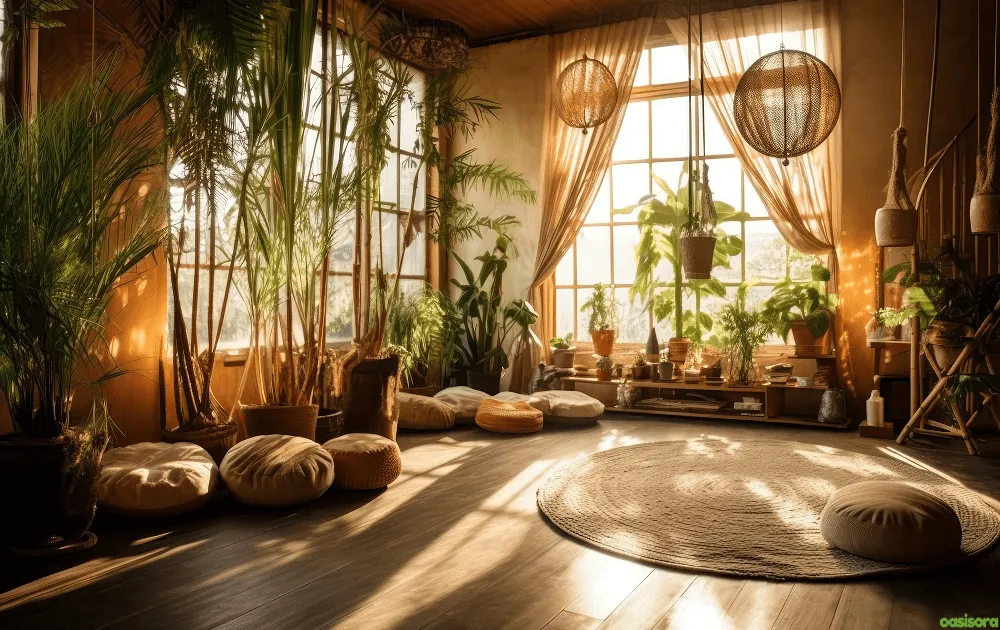
Keeping the space peaceful is easier than it sounds. The goal is not to preserve perfection but to keep the area feeling clear and welcoming.
Simple Cleaning Routine
A quick reset once or twice a week is enough. Shake out cushions, fold blankets, and wipe the floor or nearby surface. I usually spend five minutes after a session putting things back in place, which helps the space stay calm without effort.
Seasonal Refresh Ideas (free)
Small changes can renew the feeling of the space. Open windows more often in warmer months, switch to softer fabrics in colder seasons, or rotate a natural object like a stone or plant cutting. A small shift in the mat or cushion can quietly change how the space feels.
Turning the Space into a Daily Habit
Consistency matters more than duration. Sitting in the same place at the same time each day helps the practice turn into a steady habit. Over time, the body begins to relax as soon as you enter the area, which quietly supports how to build a zen meditation space on a budget that lasts.
Final Thoughts
A meditation space does not need to look perfect to be effective. What matters is how the space makes you feel when you sit down. Calmness and focus come more often from how you use the space, not from costly items or a big room. When you understand how to build a zen meditation space on a budget, you realize that small, thoughtful choices are enough. Start with what you have, keep the setup simple, and return to the space often. Over time, sticking with it makes even a basic corner feel peaceful.
FAQs
Can I meditate without a separate room?
Yes, a small corner, balcony, or quiet spot in any room works well if it feels calm and distraction-free.
How much money do I need to start?
You can begin with no cost at all. Many people use items they already have and still build a meaningful practice.
Do I need special meditation furniture?
No, folded blankets, cushions, or a simple mat provide enough comfort for most people.
How often should I use the space?
Even a few minutes daily helps. Regular use matters more than long sessions.
1 thought on “How to Build a Zen Meditation Space on a Budget at Home”
Comments are closed.