
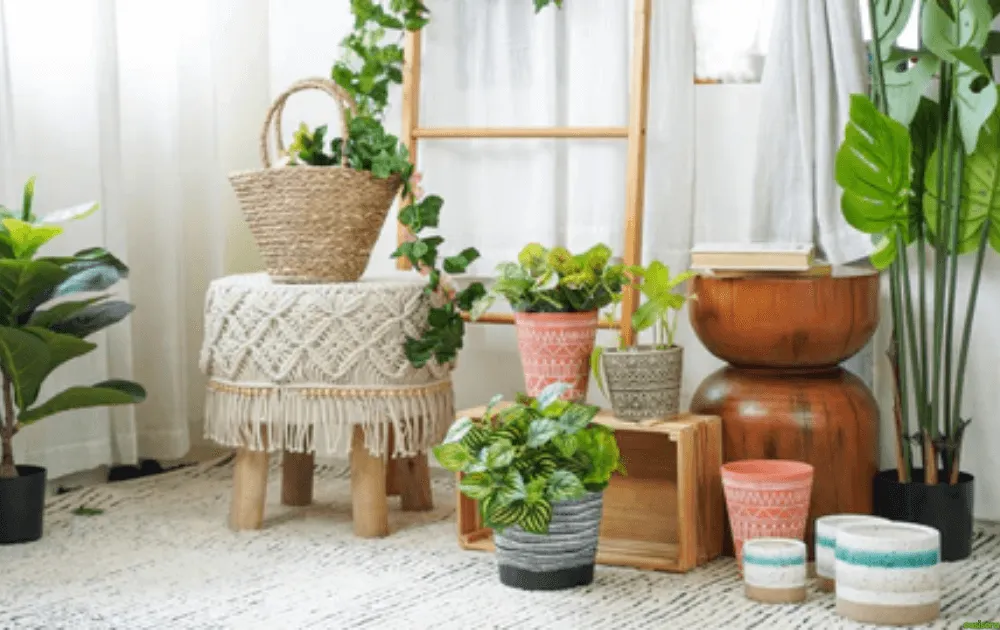
Busy days often leave the mind tired and the body restless, even after getting home. I have experienced this myself due to my own hectic routine.
Learning how to create a simple Zen corner can bring steady ease into everyday life. It is like a small, quiet space that allows you to slow your pace, breathe with comfort, and regain balance without needing a complicated setup.
The following guide is written to help you establish that peaceful corner in your home in a simple, natural way that feels easy and welcoming. Let’s get to know how to create a space that adds beauty to everyday living by bringing natural peace to your home.
Choose a Quiet, Low-Traffic Spot
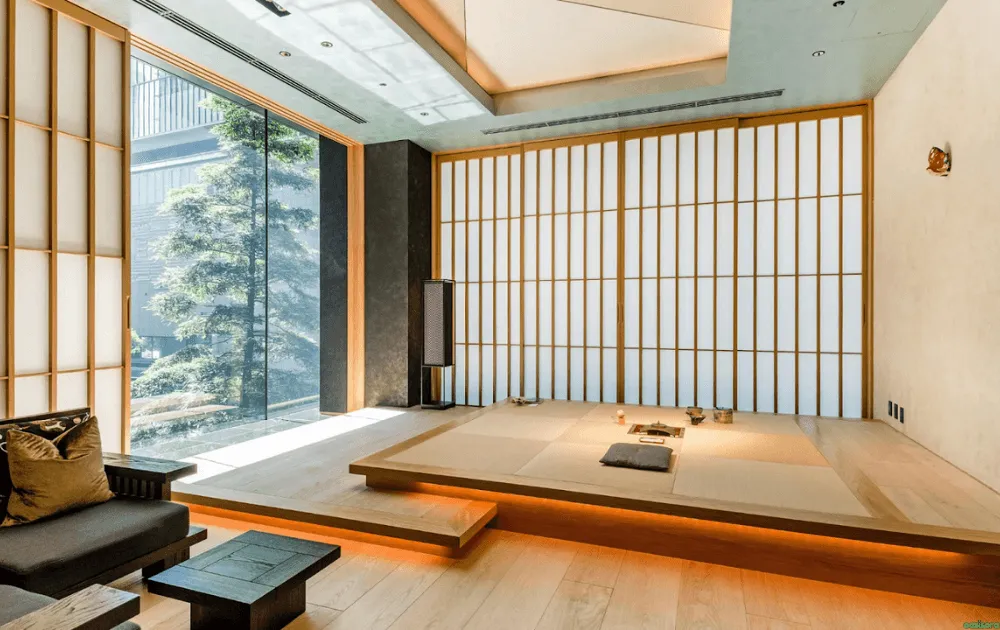
Start by picking a corner that stays undisturbed for most of the day. Indeed, a place away from noise and constant movement helps the mind settle faster. It is like a spot that feels smooth due to calmness, making it easier to build any habit and stay consistent in maintaining a proper lifestyle.
Fresh air and daylight matter more than people think. A nearby window lets light come in and keeps the air moving, which makes the space easier to stay in for a while. Moreover, morning or late-afternoon light works well and does not strain the eyes.
When learning how to create a simple Zen corner, remember that even small areas can work well, such as:
- a corner close to the bed
- a calm balcony spot
- a side space in the living room
What matters most is not how big the space is, but whether it stays quiet and gives you a moment without interruptions or not.
Clear the Space & Keep It Minimal
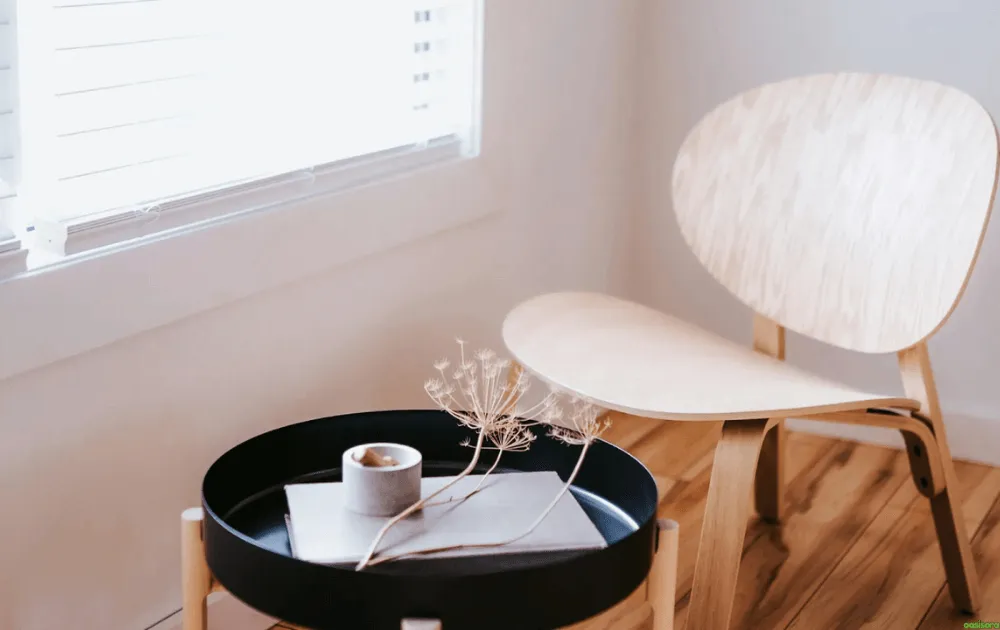
Once the spot is chosen, clear out whatever does not belong there. Extra things catch the eye again and again and make the space feel loaded. When the surface is clear, the eyes settle, and the mind processes naturally at a slow and easy pace.
Keep only a few things that truly matter. In most cases, three to five essential items are enough. This could be:
A mat
A cushion
Any indoor plant
A Table or chair
Or, any meaningful object.
When practicing how to create a simple Zen corner, know that each item has a purpose. Careful and smart placement of items makes the space feel more open and easier to use.
Remember, simplicity supports mindfulness because it removes choice and distraction. With less to look at, it becomes easier to focus, breathe, and stay present in the moment without effort.
Use Natural Elements for Instant Ease
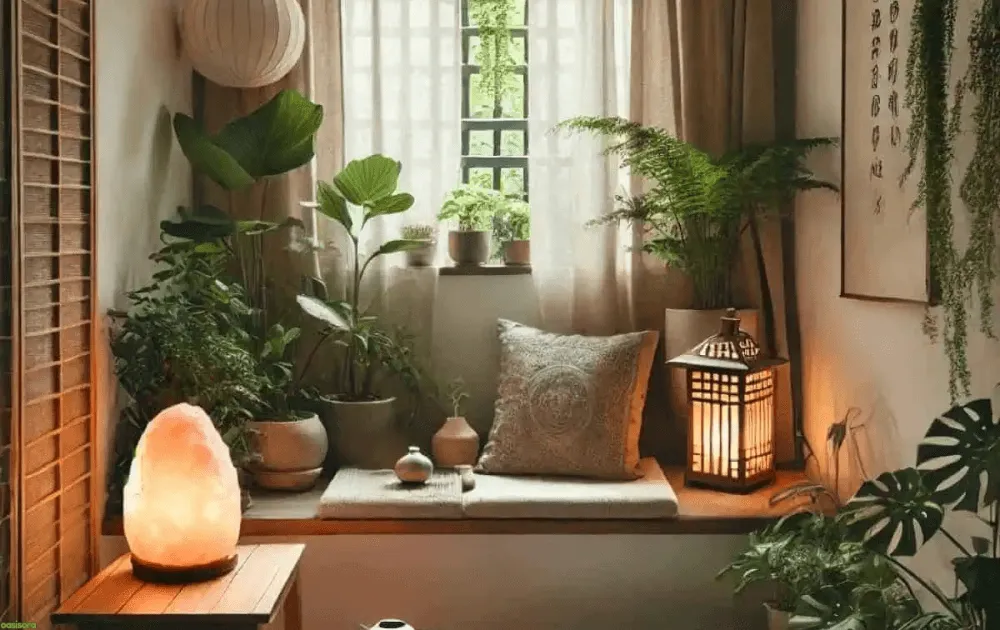
Undoubtedly, natural elements give the space a steady feel. They bring a bit of the outdoors inside together, making the corner feel calmer and more settled in place. While you are learning how to create a simple Zen corner, I suggest adding more natural elements. Trust me, even a few natural touches can change how the space feels when you sit there.
Small Stones or a Mini Zen Tray
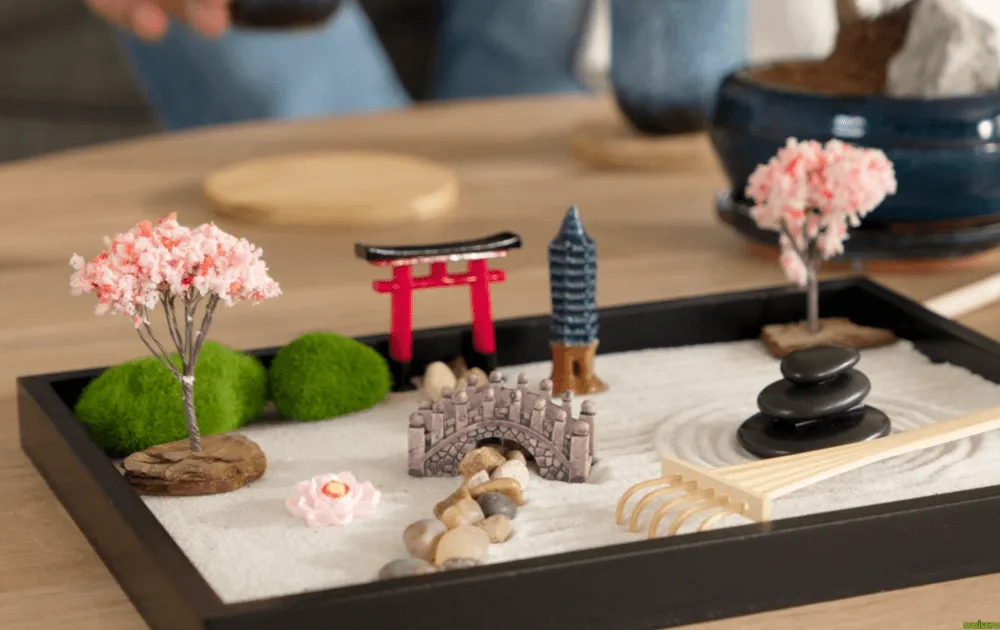
Stones create a quiet focus point . A small bowl of pebbles or a simple Zen tray with sand gives the hands something gentle to work with. Raking lines or arranging stones slows your thoughts and brings attention to the present moment. However, remember to keep it small so it does not take over the space. Healthline notes that indoor plants can improve focus and help support emotional balance at a greater level.
Plants or Moss for a Living Touch
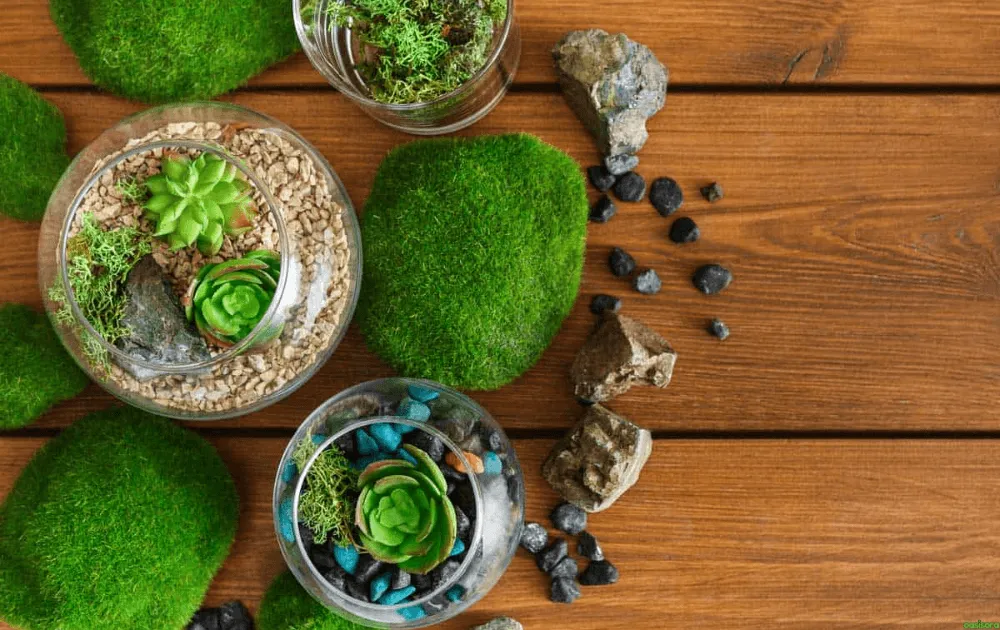
Green elements add life to any area without effort. Even a small plant, some moss in a bowl, or a single leaf in water can freshen up the space. From what I have learned, caring for one living item builds a balanced routine and supports creating a simple Zen corner that feels welcoming each day. Choose low-care options so the space stays easy to maintain in the long run.
Soft Natural Materials
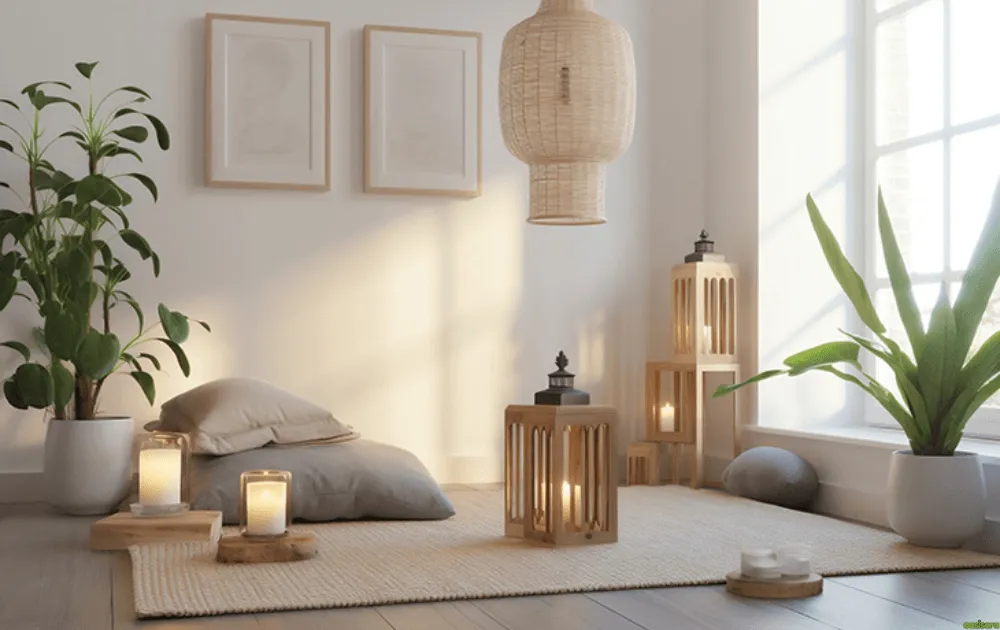
Textures matter more than decoration. Wood, bamboo, and linen feel gentle to the touch and look soft to the eyes. A bamboo mat, a wooden tray, or a linen cover adds warmth without clutter. Also, these materials keep the area feeling light, helping you stay present in the moment and space without distraction.
Add One Comfortable Seating Option
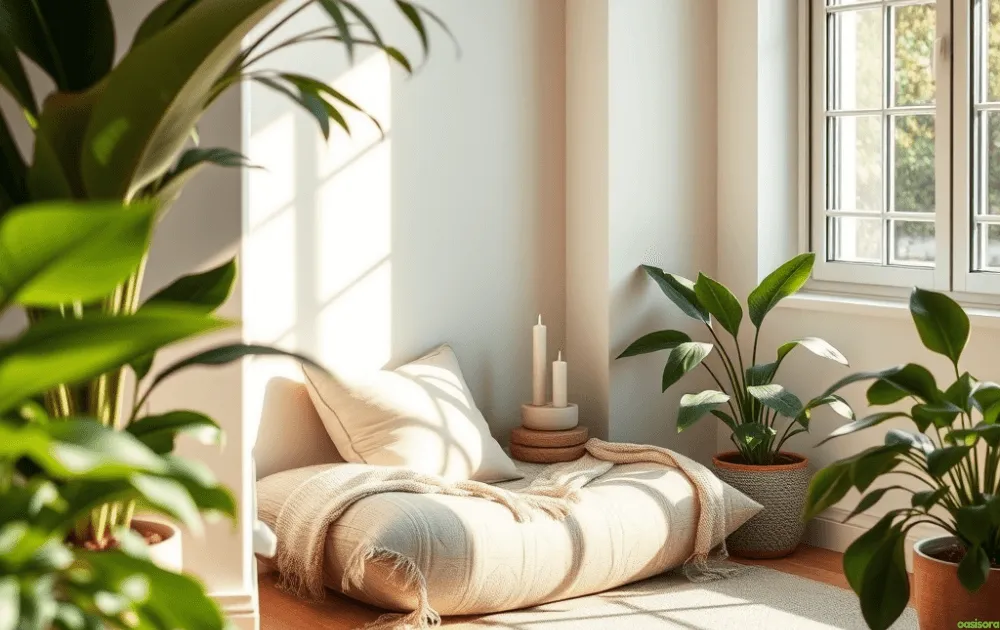
Nevertheless, a Zen corner works best when the body and mind feel supported being present there. You only need one seating choice that feels right and allows you to stay there for some time without any strain. While learning how to create a simple Zen corner, I have noticed that the right seat makes a big difference when trying to settle the mind and follow a calm daily life.
A meditation cushion helps keep the spine upright and stable.
A floor mat suits you well if you like sitting closer to the ground.
A low bench or a soft pouf can also work, especially when you want a more relaxed sitting position.
Remember, posture and comfort are naturally linked to each other. When the body is aligned in a perfect posture, being at ease, it becomes easier to stay present in the moment without any discomfort.
Set the Mood With Light and Color
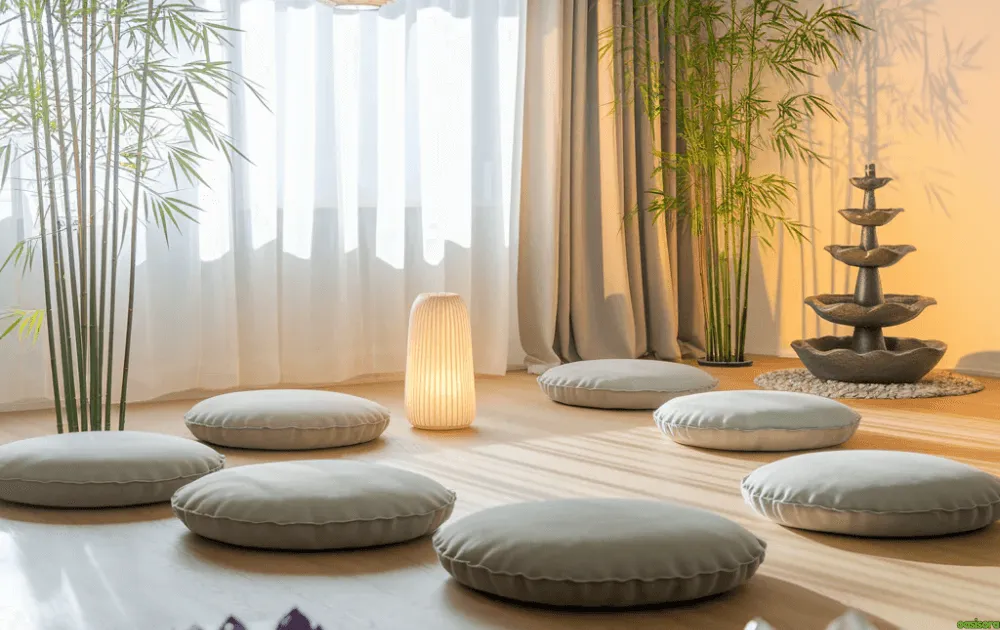
Light and color quietly shape how a space feels. When balanced smartly, they help the area feel steady and welcoming. While working on how to create a simple Zen corner, I observed one thing: gentle lighting and soft shades make it easier for the eye to slow down and settle for a moment to have a wonderful view.
Soft Warm Lighting (Lamp, Candles)
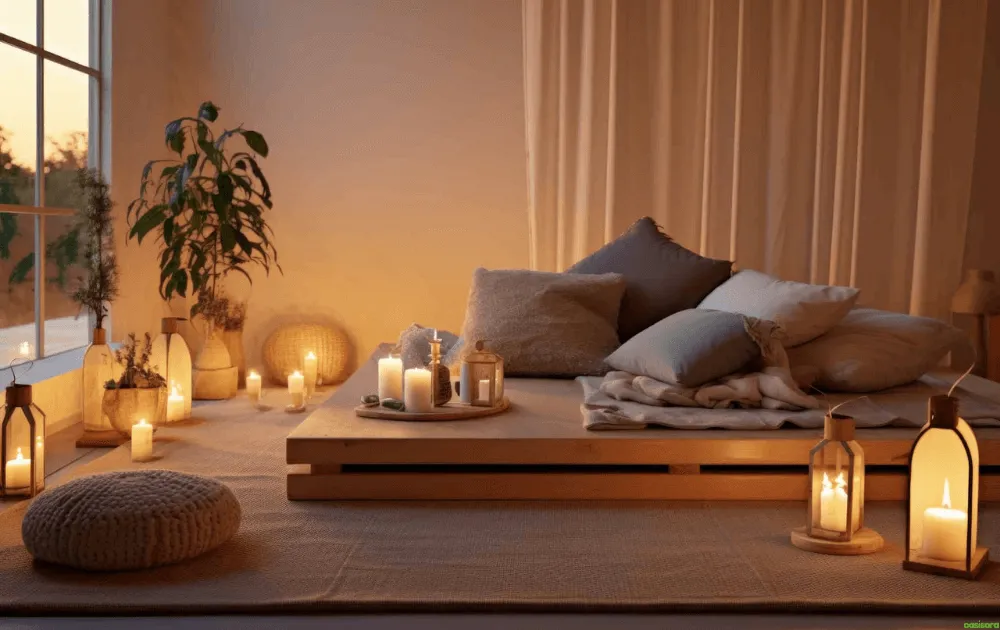
Bright ceiling lights can feel harsh. A small lamp or a couple of candles give softer light that does not bother the eyes. This especially works well in the evening when you want the space to stay quiet and serene.
Neutral or Earth-Tone Color Palette
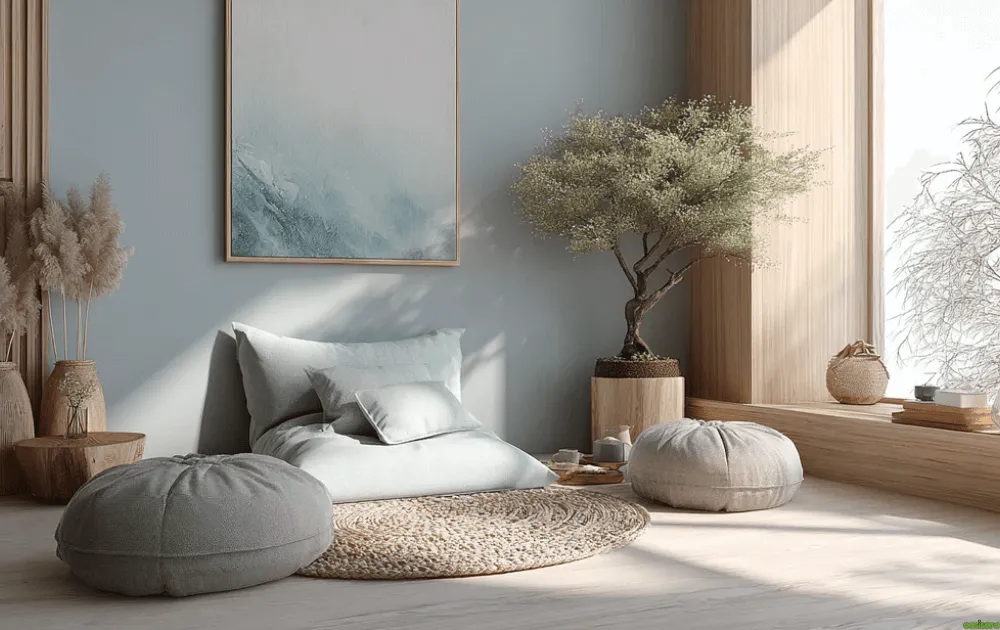
Light colors work better here. Beige, off-white, light brown, or soft green keep the corner open. Also, these shades work best with other natural items in the surroundings.
Avoid Bright or Overwhelming Tones
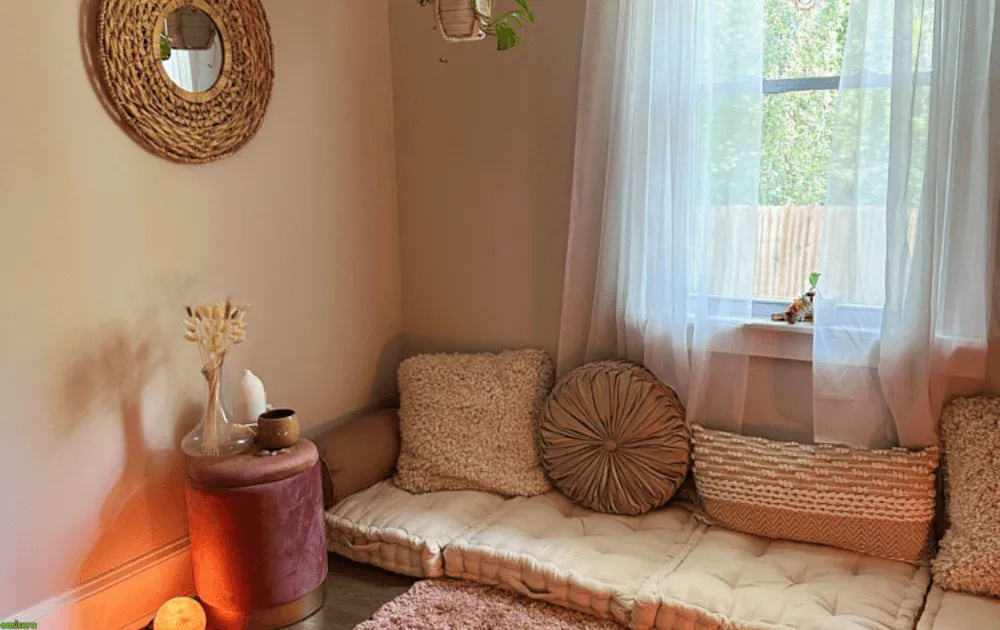
Strong colors can feel busy and distracting. Bright reds, strong yellows, or sharp contrasts pull attention away. On the other hand, simple, gentle colors make the space easier to settle eyes on and enjoy natural beauty.
Engage the Senses (Optional Enhancements)
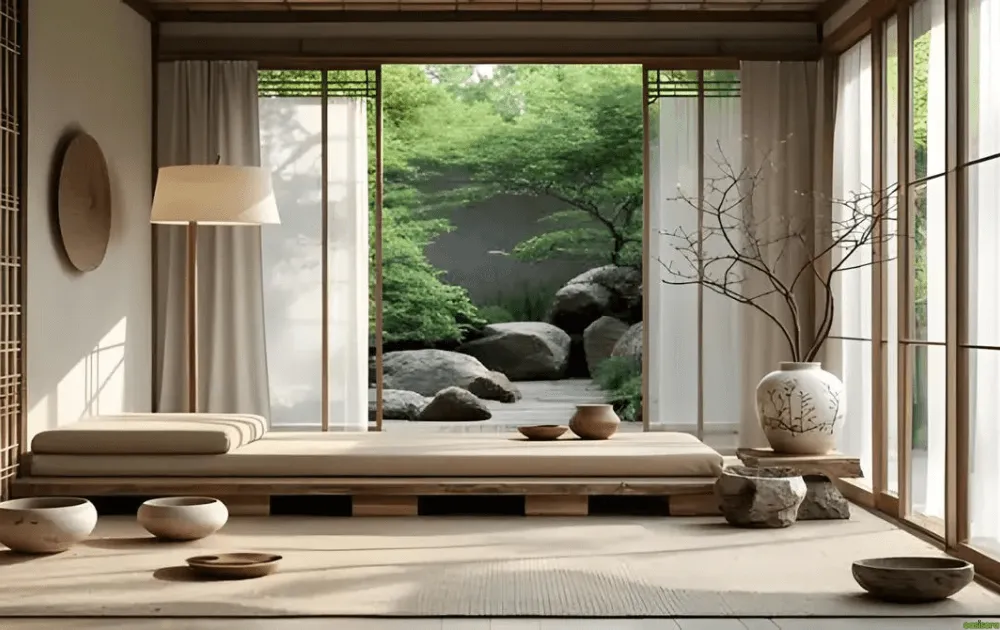
Small sensory elements can deepen the experience of staying in a Zen corner. These elements are optional, but when used lightly, they help the space feel more complete. When I added just one or two sensory touches, it noted the support it provided to the overall space. This way, I learnt how to create a simple Zen corner without making the area feel busy and burdened.
Gentle Scents
Light scents help enhance the space more gently. An incense or a simple oil diffuser is enough as long as the smell stays mild.
Calm Sounds
Quiet background sounds help mask outside noise. A small wind chime or a tabletop water fountain adds a gentle rhythm to any Zen corner that sounds soft to the ears and brings peace of mind to all. However, keep in mind that the sound should stay smooth and steady to support stillness and hold.
Texture Elements
Textures help the space feel steady and comfortable. A mat underfoot, a small rug, or a light blanket adds a warm, welcoming touch without adding clutter. These simple additions let the body settle on its own and make it stay a little longer.
Add a Focal Element for Mindfulness
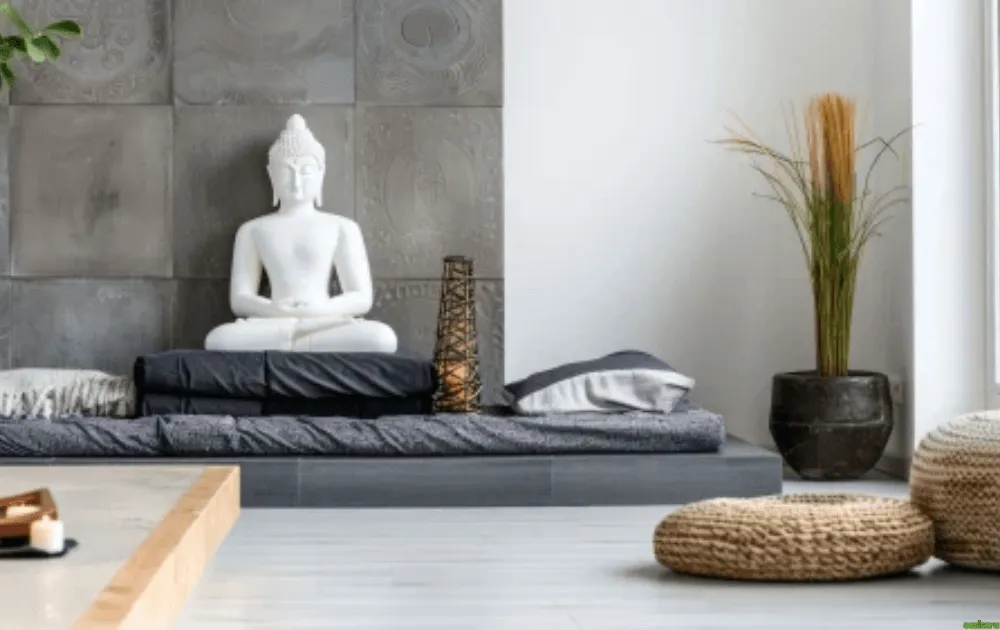
A focal element gives the eyes one quiet place to rest. It guides attention without pulling focus in different directions. When learning how to create a simple Zen corner, I experimented with one clear focus point. I noticed that the mind settled faster in it than in a space filled with many objects.
This focal element can be very simple:
- a small statue
- a single natural rock
- one piece of soft artwork
- a meaningful personal item, or many more options.
The key is intention, not decoration. Choose one item that carries meaning or reminds you to slow down. Avoid adding too many items, as too many items to look at pulls attention away from the purpose of the space. One thoughtful element is enough to hold the focus in place.
Keep the Area Tech-Free
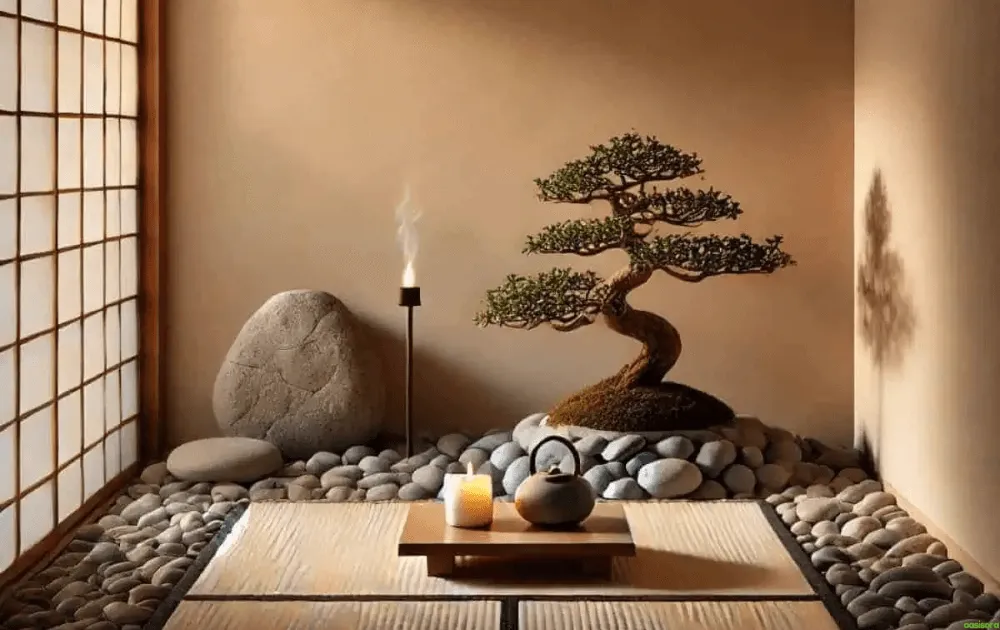
When practicing how to create a simple Zen corner, keep screens out of sight. Phones, tablets, and other devices pull attention away and keep the mind hyperactive. I myself have experienced that even a silent phone nearby can break the entire focus of any area, making it harder to stay settled.
Removing technology encourages real silence and presence. Research shared by Harvard Health Publishing shows that quiet time without screens helps improve focus and mental balance. Also, this allows you to breathe more slowly, enjoy your surroundings, and stay fully in the moment without distraction.
Maintain and Use the Space Daily
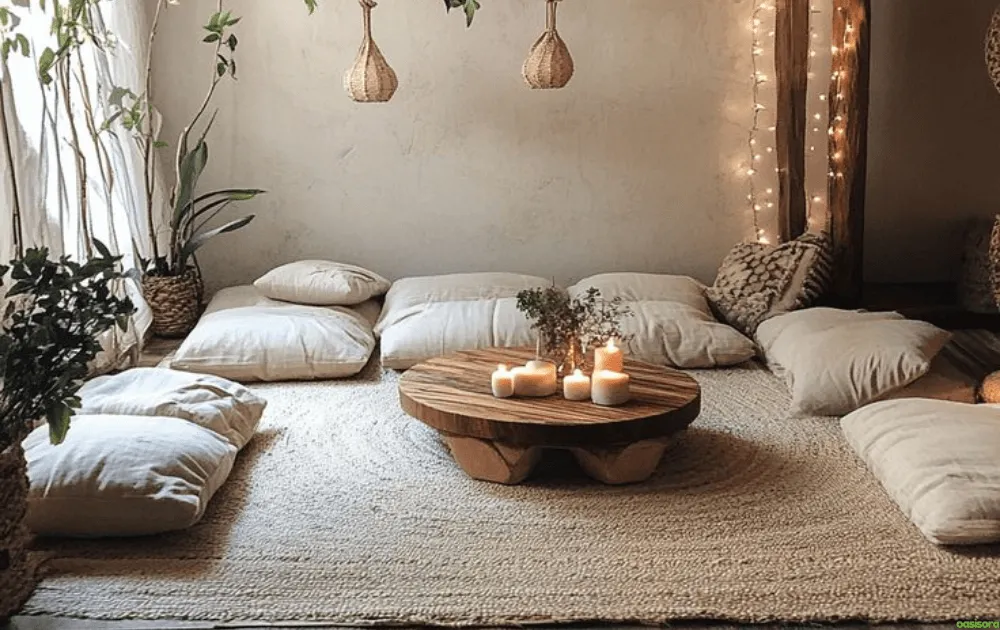
Remember, a Zen corner stays at its best when it is kept clean and used often. A simple cleaning routine works best.
Wipe the area
Straighten the mat or cushion.
Remove anything that does not belong there.
No doubt, this takes very little time and keeps the space ready whenever you need it.
Turning taking care of the corner into a habit is about consistency, not effort. Try visiting the space at the same time, such as early morning or before sleep, each day. I have experienced that keeping the routine short makes it easier to stay regular and consistent for a long time.
Even five minutes a day can count and make a significant difference. Sitting quietly, breathing slowly, or simply resting in the space helps release tension and brings a steady sense of a balanced life over time.
Final Thoughts
A Zen corner does not need money or a large room to make a difference. What matters most is how often you use it and how present you stay in that space. When learning how to create a simple Zen corner that truly supports daily life, I have learnt that consistency matters more than perfection. Start with a few simple choices, keep the space easy to manage, and let it improve slowly over time. This steady approach helps the corner become a natural part of your routine rather than a one-time setup.
FAQs
How much space do I need for a Zen corner?
Only a small corner is enough. Even a quiet spot near a window or beside the bed can work well.
Can I create a Zen corner without buying new items?
Yes, a mat, cushion, or one plant you already own is enough.
How often should I use my Zen corner?
Using it daily is helpful, even for five minutes. Regular use builds a steady maintenance habit.
Is a Zen corner only for meditation?
No, it can also be used for quiet sitting, reading, light stretching, or simple breathing.