
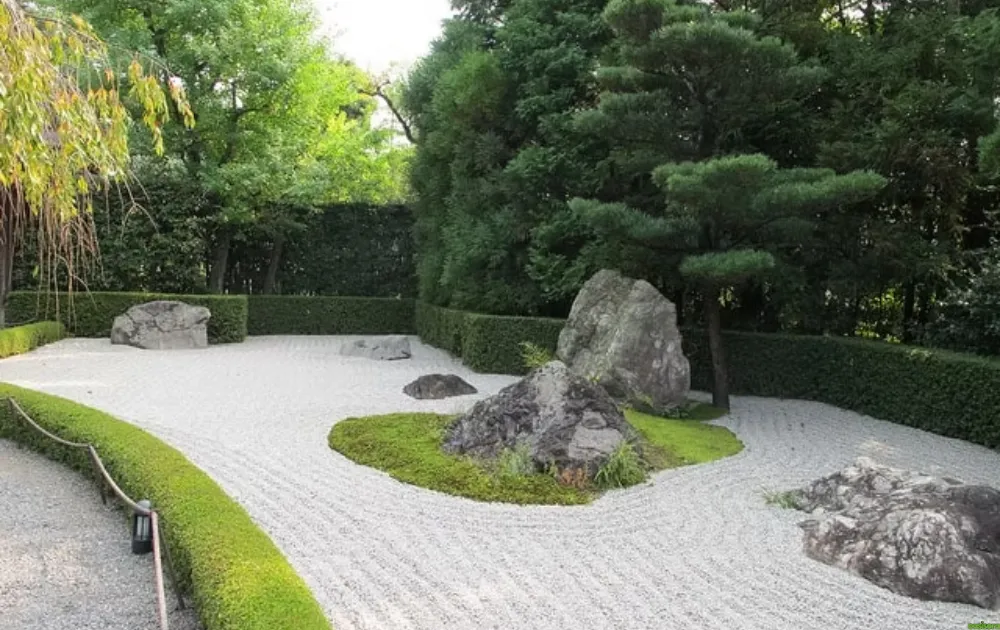
People often start thinking about what stones work best in zen gardens when the space they have does not feel right. Nevertheless, the wrong stones can make a garden look crowded or heavy, even when everything else seems fine. You should know the space should feel peaceful, natural, and easy on the eyes, not complex or artificial.
From my experience, the right stones quietly shape the mood and help the garden feel settled and meaningful. This guide keeps things simple and shows how good choices can support flow and visual harmony in nature. So, today, let’s learn how simple stone choices and their smart arrangement can change the overall appeal and vibe of your zen garden.
Understanding the Role of Stones in Zen Gardens
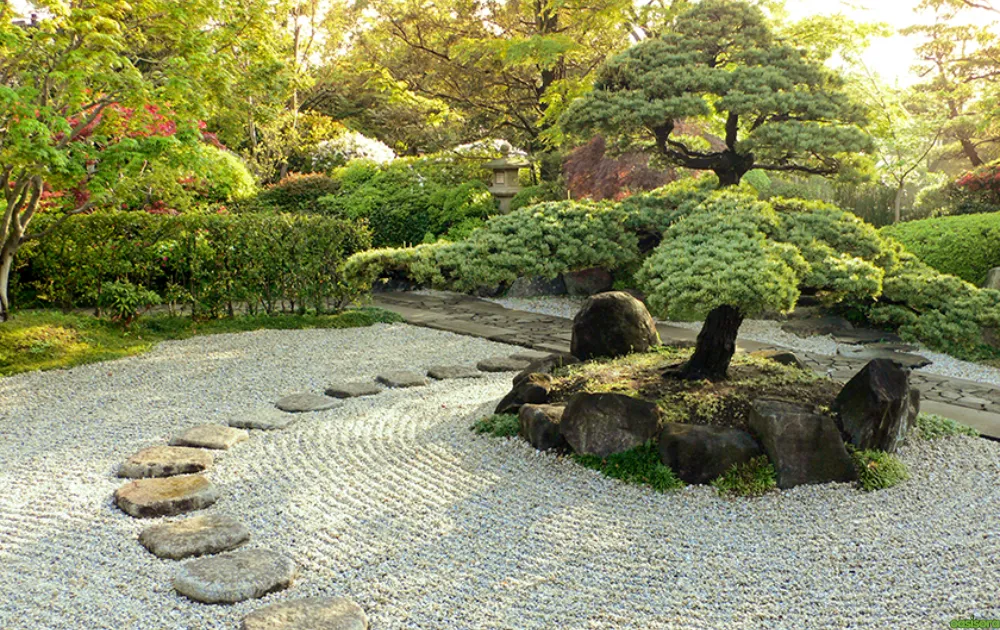
Indeed, stones are the heart of a Zen garden. In traditional Japanese design, they are placed first because everything else depends on them. The space, the flow, and even the silence of the garden start with how the stones sit on the ground. I have personally observed that when stones are placed correctly, the whole garden looks wonderful without trying too hard.
Symbolism
Each stone carries meaning. Tall stones often stand for mountains, while flat ones suggest land or quiet islands. According to Japan Guide, when stones are grouped smartly according to the space around them, they create a perfect balance and gentle movement in the environment, even though nothing is actually moving in actual. At the same time, stillness is created through weight, grounding, and natural shapes that let the eyes rest and enjoy a peaceful sight to view.
Why Stone Choice Matters?
Stone choice matters because it shapes both beauty and meaning. A stone that feels too sharp, shiny, or artificial can break the calm. On the other hand, natural stones with soft edges help the garden look settled and thoughtful. Thus, choosing the right ones is not just about looks; it is about how the garden makes you feel when you stop and observe.
Types of Stones Used in Zen Gardens (Most Recommended)
When people ask what stones work best in zen gardens, the answer usually depends on feeling, balance, and how natural the stones look in a particular space.
Below are some of the most prevalent stone types used in both traditional and modern Zen designs. No doubt, each one brings a different mood and meaning, so choosing carefully makes a clear difference.
Now, let’s explore all the different types of stones for the ultimate choices to be placed in your Zen garden.
1. Weathered Stones
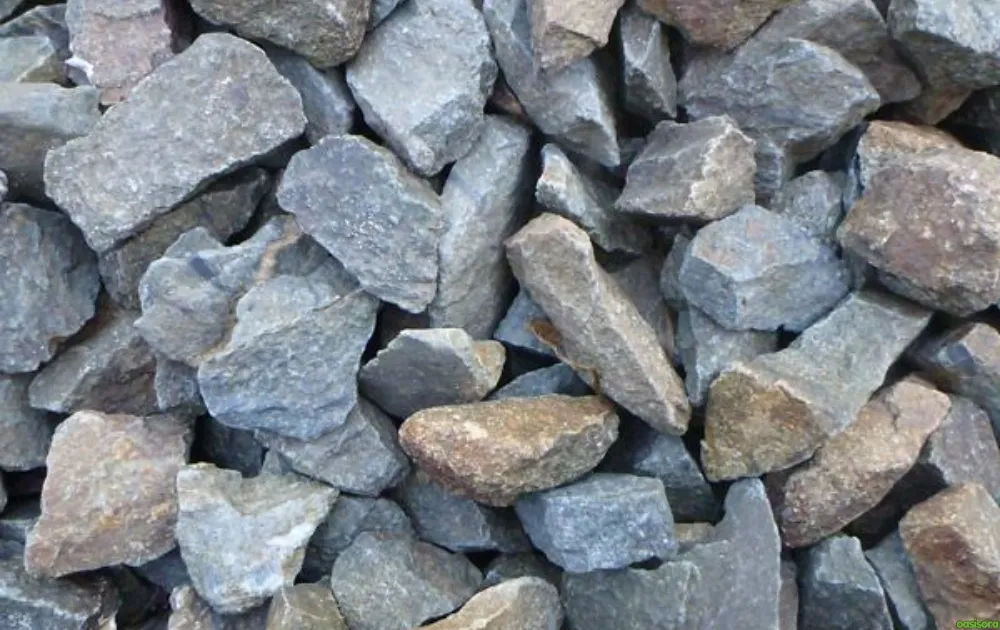
Most Zen gardens rely on weathered stones since they already carry a natural, lived-in look. These stones look worn in a natural way, as though they have been sitting there for years. Their uneven shape and soft edges make them feel honest and grounded. Additionally, because of their organic shape, they are perfect for showing mountains or quiet islands. According to me, these stones help the garden feel settled and timeless rather than newly built.
2. Basalt
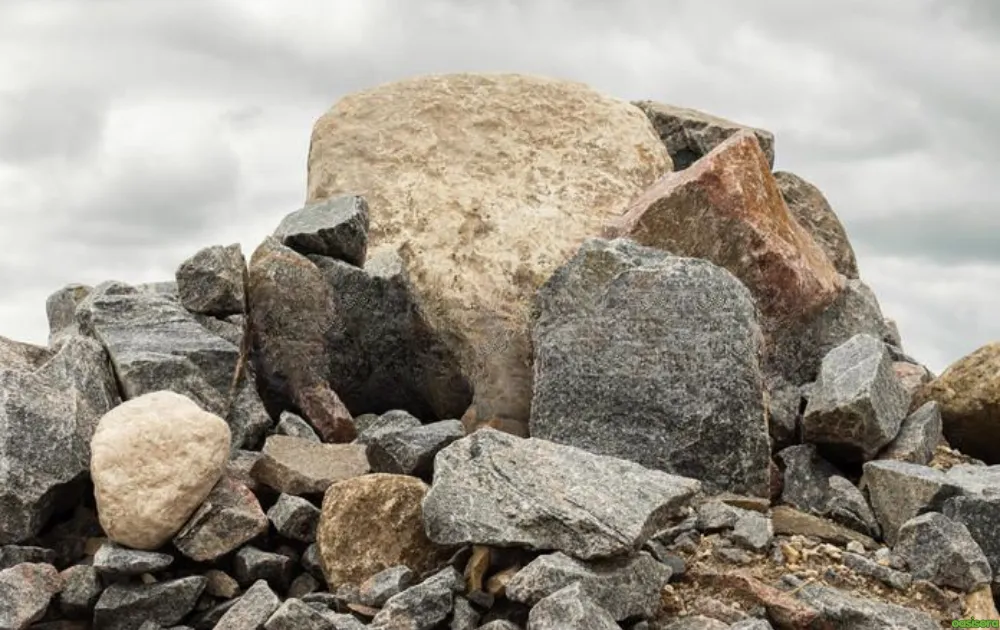
Basalt has a dark and grounding tone that adds strength to any Zen garden. It stands out clearly against white or light-colored gravel, which makes patterns easier to notice. At the same time, basalt feels solid but not harsh. This is why it is often used in modern Japanese gardens where contrast is needed without losing peace.
3. Granite
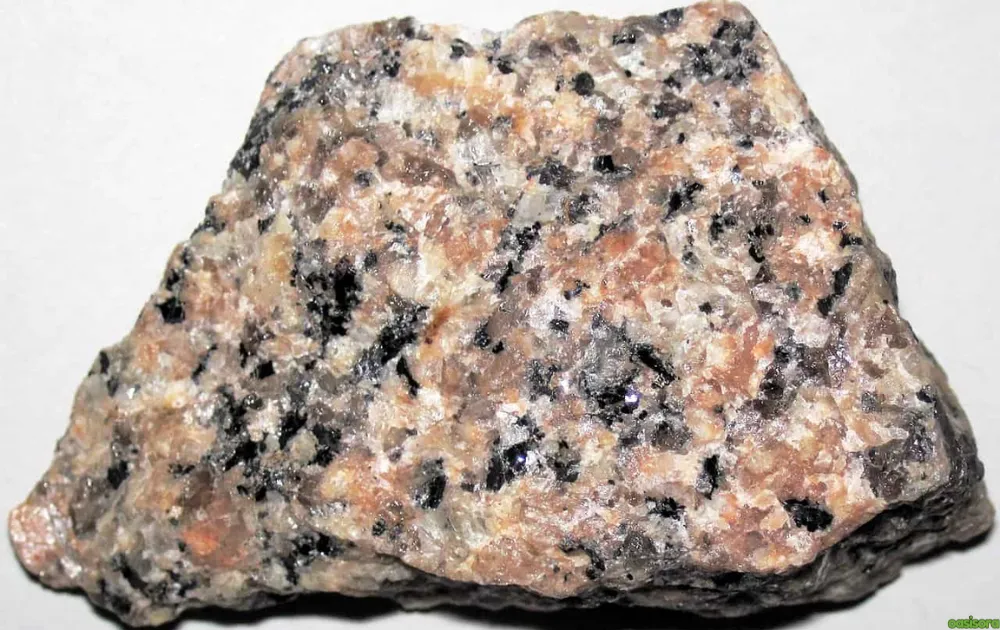
Granite is known for its durability and sturdy appearance. It does not distract the eye, which makes it a safe and popular option, especially for structural layouts. Additionally, this stone works well for main arrangements and supporting stones. I have noticed that granite helps keep the garden appearing visually gentle, even when used in larger pieces.
4. River Stones or Smooth Pebbles
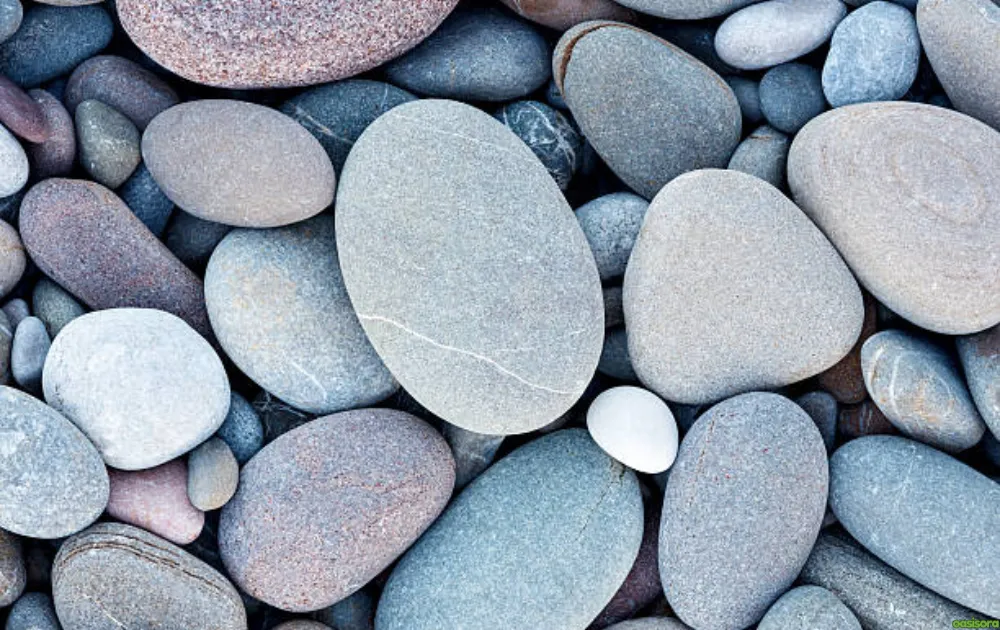
River stones are rounded and smooth, which makes them easy to place in any Zen garden. Since water shapes them slowly, they sit well and do not feel harsh or forced. You can often see these cutest stones near paths, dry stream areas, or small sections of gardens. They do not grab attention, but they help maintain the layout’s feel composed and well-joined.
5. Sandstone
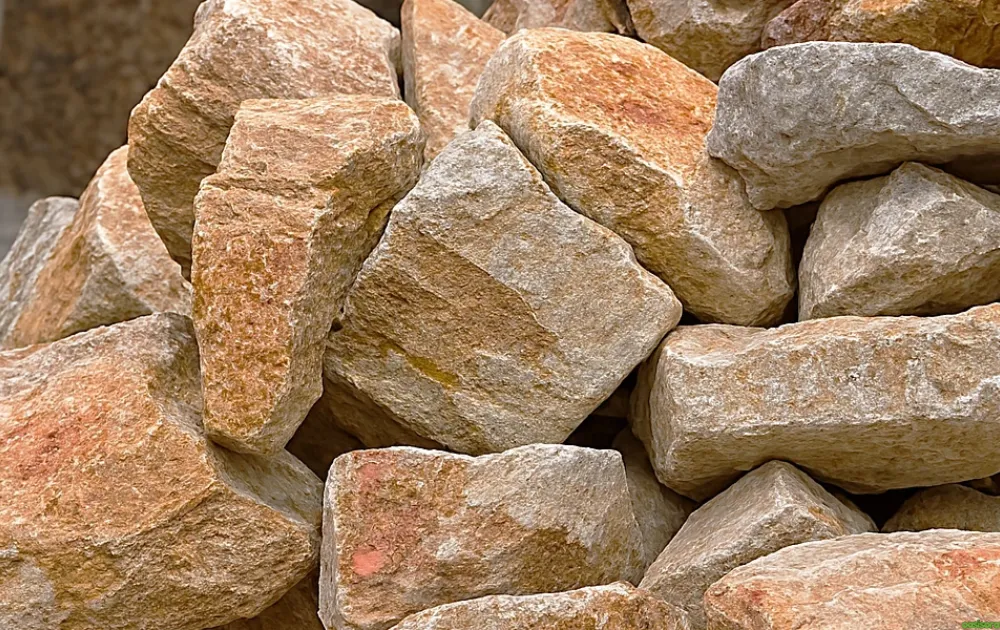
Sandstone has a light and warm color that blends well with raked gravel. It makes the garden feel softer and more inviting. Moreover, this stone works well when the design leans toward warmth instead of strong contrast. However, due to its softer nature, it works best in areas with less foot traffic.
6. Limestone
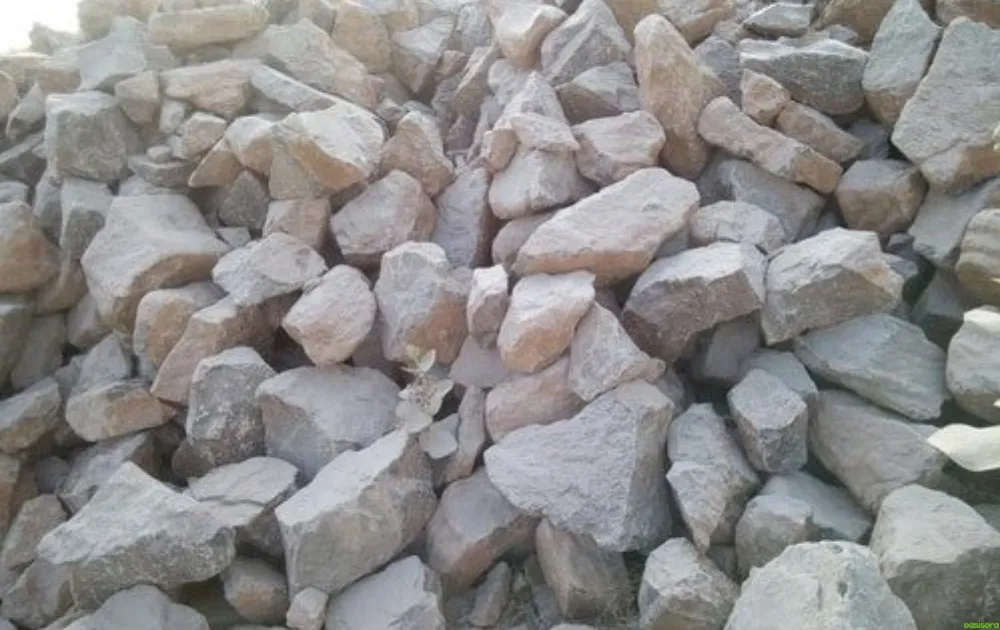
Limestone fits well in minimalist or contemporary Zen designs. Its clean look supports simple layouts without adding any visual noise. Over time, it develops a natural surface that adds character. When used with restraint, limestone helps the garden feel modern yet peaceful.
Stone Sizes and Their Meaning in Zen Design
The next important thing, stone size plays the most powerful role in any garden. When wondering what stones work best in zen gardens, size matters just as much as type. When large and small stones are put together in perfect symmetry, they readily guide the layout while preventing the space from feeling too packed or heavy.
1. Boulders (Primary Features)
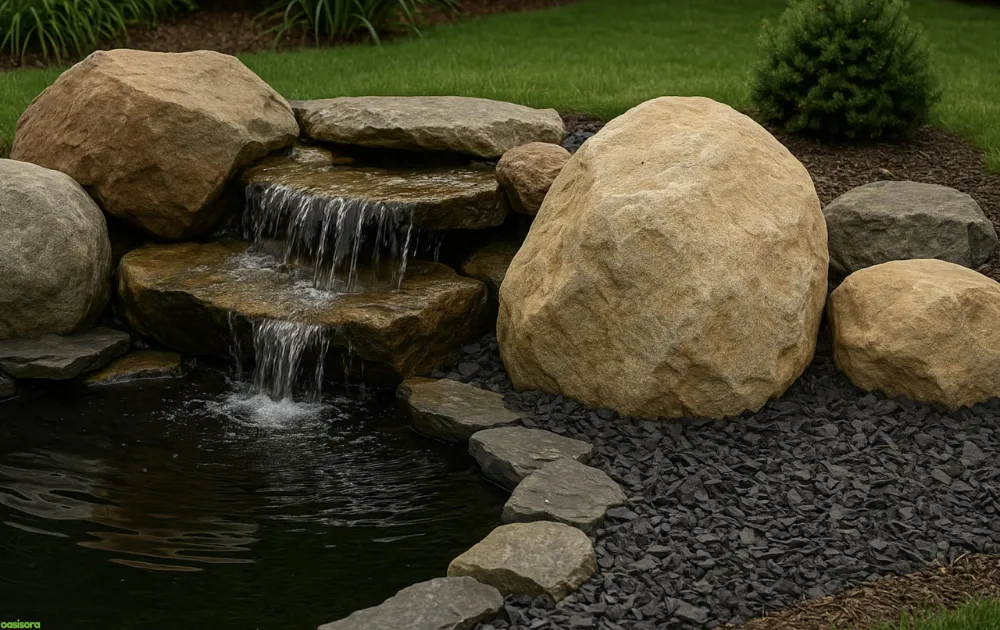
Boulders are the main focus in any Zen garden. They often represent mountains, strength, and a sense of permanence. These stones shape the layout and gently lead the eye across the garden pathway.
Traditionally, boulders are placed in groups of 1, 3, or 5 to keep the layout natural. When I placed stones and stepped back for a moment, I saw how that setting part of it into the ground made the entire garden feel more welcoming than ever before.
2.Medium Stones (Supporting Elements)
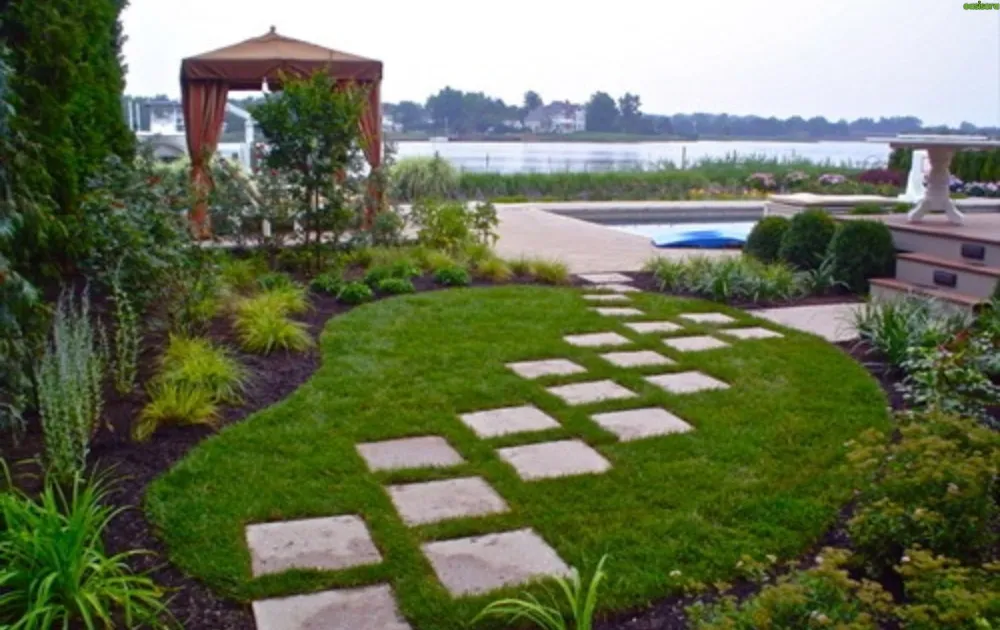
Medium-sized stones support the larger ones and help create a serene balance. They link the main features and make the overall layout feel less rigid. These stones are often used in small clusters or symbolic shapes. When placed well, they keep the garden from looking heavy while still adding depth and flow.
3. Small Stones and Pebbles
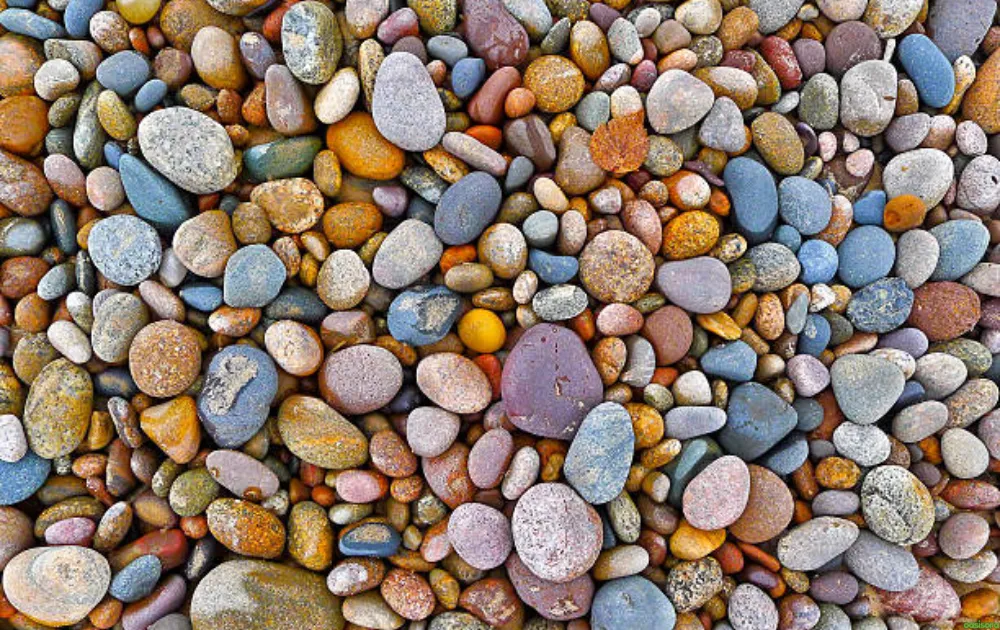
Small stones and pebbles fill empty spots. They are usually placed around sand areas, along paths, or near the edges of the garden. When placed carefully, they add texture without distracting from the garden’s freshness.
How to Choose the Best Stones for Your Zen Garden?
Choosing stones is not about picking what looks fancy. It is about choosing what feels right for the space.
Match the Stone to Your Garden’s Purpose
Every Zen garden has a reason behind it, and the stone choice should support that goal.
- Meditation spaces need calm, steady stones that do not pull attention.
- Minimalist landscaping works best with fewer stone types and simple forms.
- Indoor tabletop Zen gardens work best with smaller stones that sit well and look balanced in limited space.
- Symbolic miniature landscapes look better when stones of different sizes are used to show depth and meaning.
Undoubtedly, when stones match the purpose, the garden feels eye-catching and more peaceful to sit in.
Complement Your Sand or Gravel Color
Stone color and gravel color should work together, not compete. Light gravel feels calm with darker stones, while soft-toned stones sit well with warm sand and help rake lines stand out. A friend of mine tried pairing bright stones with white gravel, but his garden kept looking busy even when the raking was done neatly. Later, when those stones were swapped for softer, natural tones, the garden started to feel more settled and easier to live with.
Choose Stones With Natural Imperfections
Japanese gardens value natural form over perfection. Stones with rough edges or small marks often look better in a Zen garden than stones that look too perfect. Very smooth or polished rocks usually do not sit well in a garden. They shine too much and keep stealing attention from everything else. On the other hand, stones with rough, natural shapes stay in place visually and make the whole area more real and attractive.
Consider Local vs Imported Stones
Research shared by the Royal Horticultural Society (RHS) points out that imported stones may look traditional, but they often come at a higher cost and are not easy to source. Stones found locally are easier to get and tend to age better in the same climate.
Many gardeners learn that locally sourced stones create strong Zen designs while being more practical and sustainable. When chosen carefully, they feel meaningful and balanced even more than outsourced ones.
Stones to Avoid in a Zen Garden
Not every stone works well in a Japanese rock garden. Some choices pull the eye away and make the space feel unsettled. That is why knowing what to avoid matters just as much as understanding what stones work best in zen gardens.
Let’s see which ones you should avoid placing in your yard or garden.
i) Overly Bright Colors
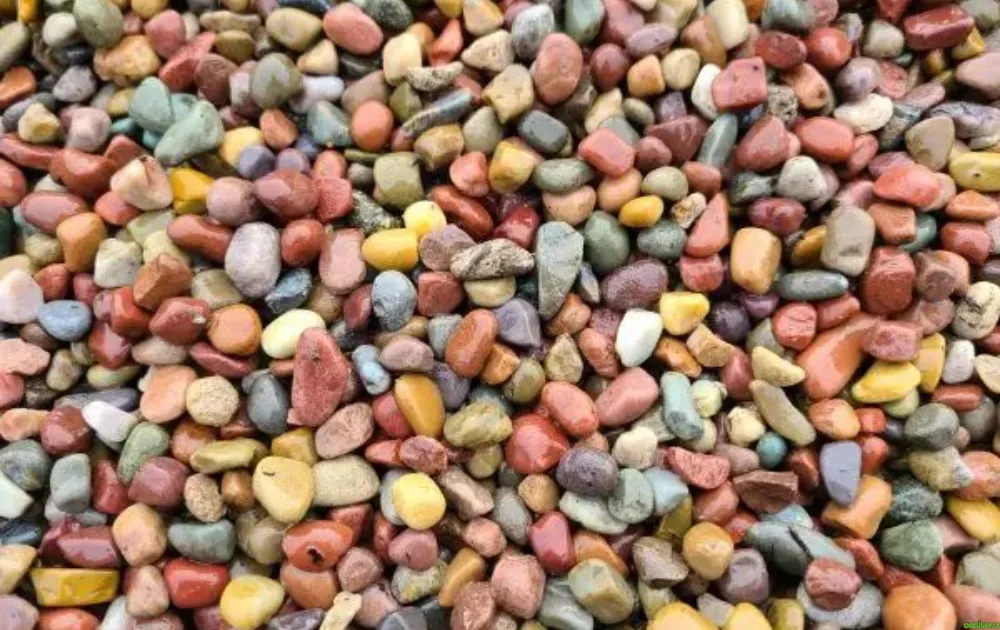
Stones in strong reds, blues, or shiny whites draw too much attention. These colors break the serene balance and make the garden feel busy instead of settled.
ii) Highly Polished Decorative Stones
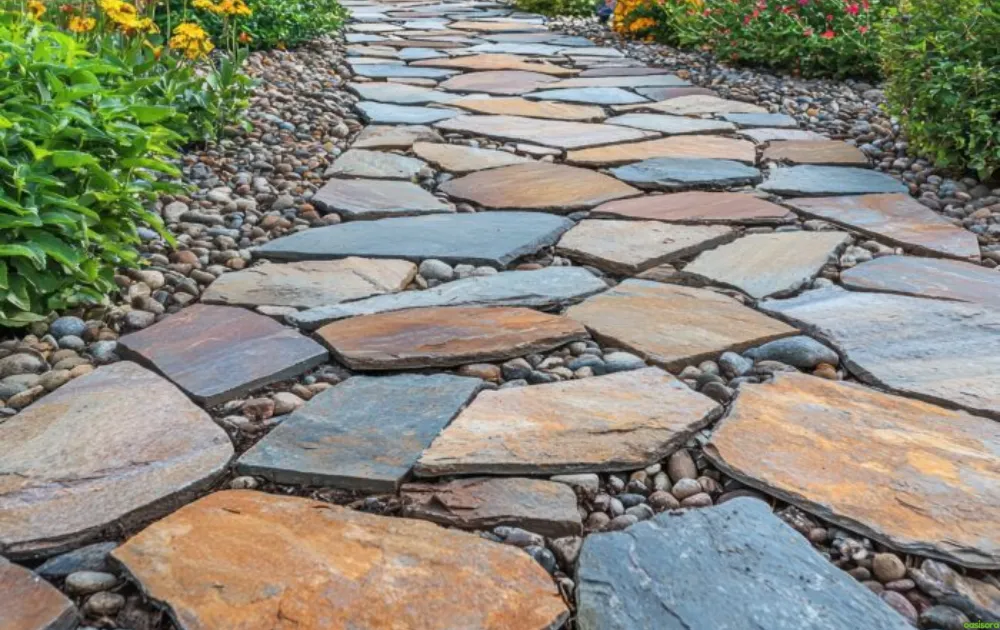
Shiny stones do not sit right in a stone garden. They glare and pull attention. My gardener used polished stones once, and no matter how neat the rest of the garden looked, those stones always felt wrong.
iii) Stones with Unnatural Symmetry
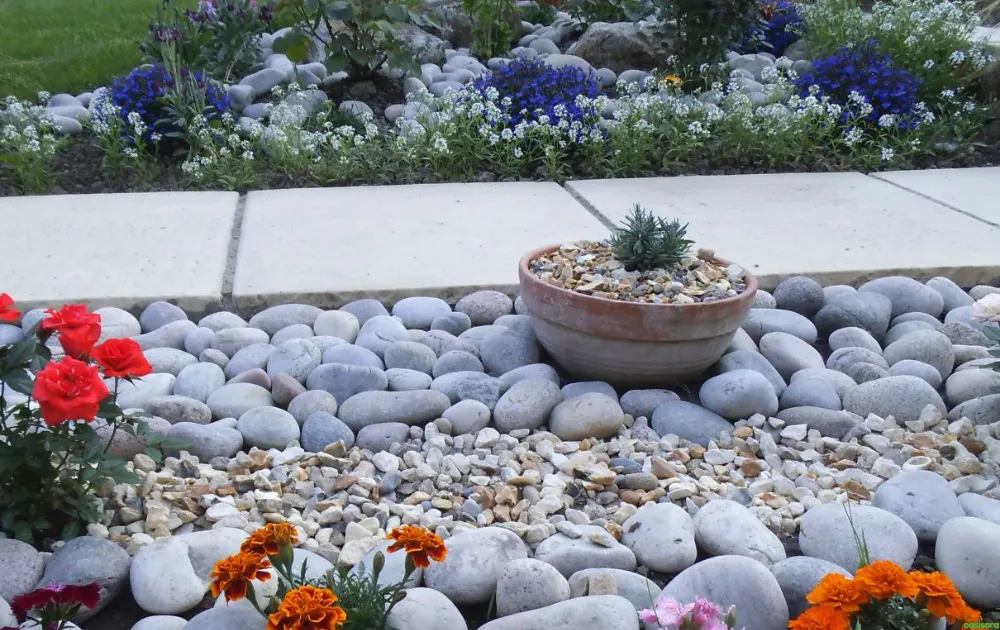
Perfect stones do not work well in Zen gardens normally. Straight lines and even shapes feel forced in their setting. Rather, stones with natural forms settle in better and do not stand out for the wrong reasons.
iv) Mismatched Stone Types that Break Harmony
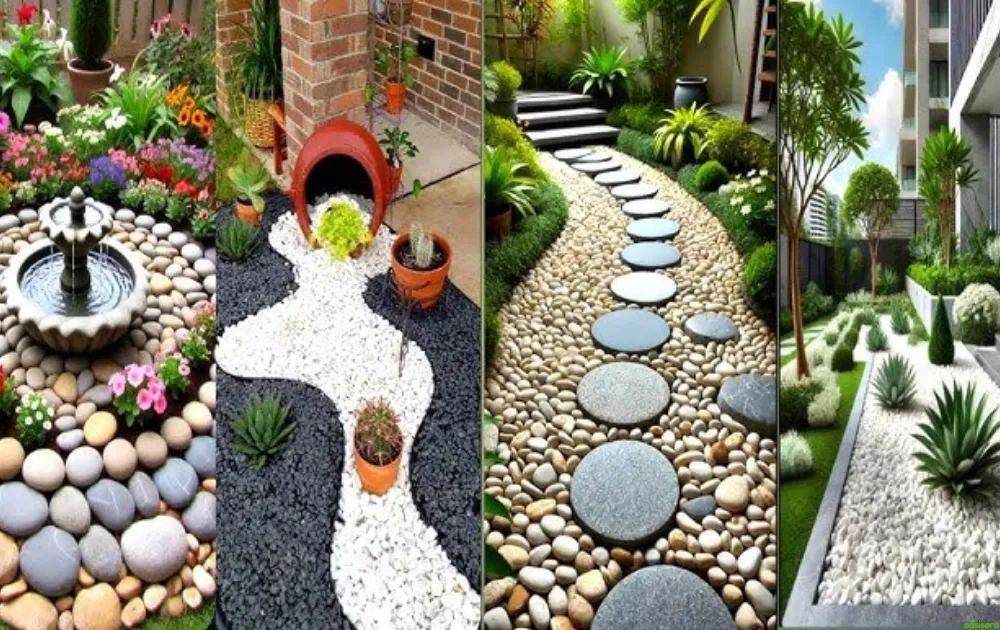
Using too many different stone styles in one space creates visual noise. When shapes, textures, and colors do not relate to each other, the garden loses its sense of flow.
Avoiding these stones helps the garden feel more natural, balanced, and easy to spend time in.
Final Thoughts
Choosing the right stone shapes how a Zen garden seems, feels, and gives off its true meaning. Weathered stones, basalt, granite, river stones, sandstone, and limestone are all strong options when used in perfect symmetry. No doubt, different stones give different looks, but using too many never helps. Simple shapes that look natural always work better than a cluster of mismatched ones.
Symbolism plays a quiet role. Stones suggest mountains, land, and balance, while a space gives the eyes room to rest. When stones match the purpose of the garden, whether it is for reflection, a small indoor setup, or a clean outdoor layout, everything feels more settled.
Over time, you will understand what stones work best in zen gardens for you. Normally, they are the ones that belong naturally to the space, not the ones that are placed forcefully to settle in.
FAQs
What size stones look best in a Zen garden?
Typically, a mix works the best. Large stones act as focal points, medium stones support them, and small pebbles help define space.
Are river rocks good for Zen gardens?
Yes, their smooth shape works well for paths, borders, and dry streams, adding gentle flow without distraction.
Can I use gravel instead of sand?
Yes, fine gravel is often preferred because it holds rake lines better and is easier to maintain.
What stones are best for beginners building a small Zen garden?
Granite, basalt, and river stones are easy to place, widely available, and work well in both small and simple designs.
Do stone colors matter in Japanese garden design?
Yes, stone color matters a lot. Soft, natural shades sit well together, while bright or mixed colors can pull attention and disturb the overall appeal and view of any Zen garden.