
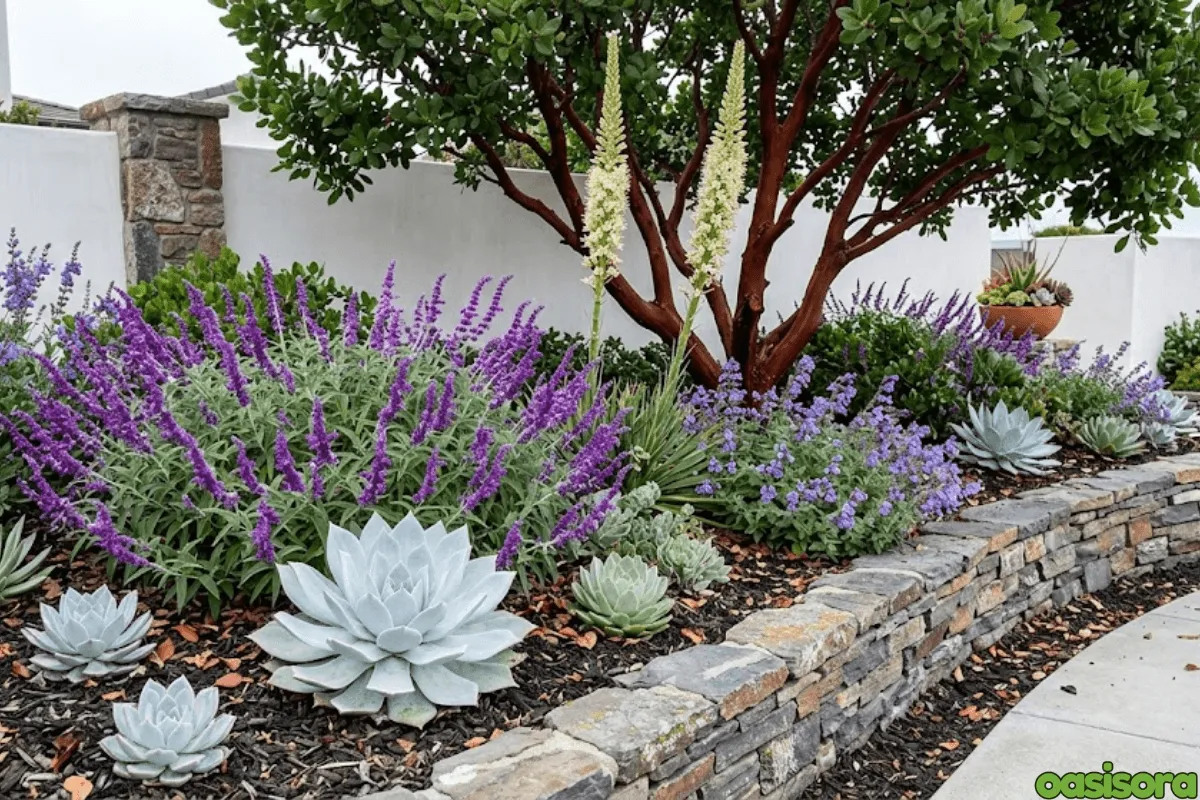
After working in many California yards, I see one thing very clearly: The land responds best to plants that belong here. This is why I often choose California native plants in my projects. They settle into the soil with ease, stay steady in heat, and use less water while still looking healthy. Also, like small birds and quiet bees, they bring gentle life back to the space. With these plants, a garden slowly turns into a peaceful, natural place that is easy to care for.
If you want your space to share and experience the same feel, the following guide will take you through the steps in a clear way. Let’s get started.
Why Choose California Native Plants?
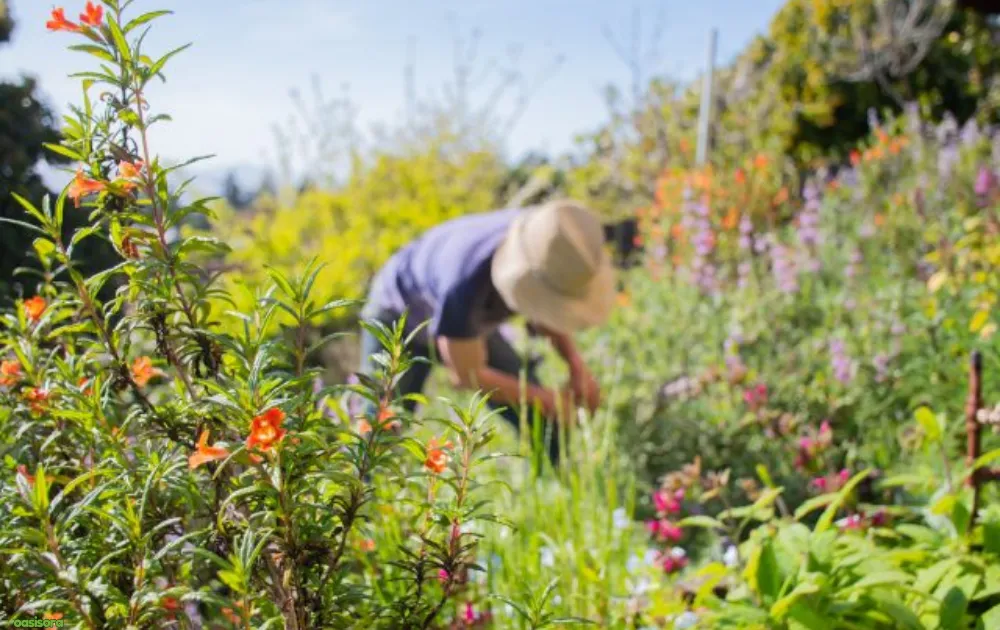
California Local Yards
I learned over time that native plants primarily work better in local yards because the land and the surrounding environmental conditions there match their growth needs. According to research from the University of California Agriculture & Natural Resources, native species support stronger soil health and long-term garden stability.
Here are the simple reasons why many people choose them every day:
Designed by Nature for California’s Climate
The California native plants settle fast because they already understand this land. They know and tolerate the warm sun, dry air, and little rain. That is why they stay strong even during long, hot days when many other plants struggle. Additionally, when you add them to your lawn, they adjust on their own and hold their shape without much help.
Save Water, Time, and Maintenance Costs
No doubt, the biggest change comes from lower water use. These plants need slow and steady watering. Also, they stay healthy even when the soil dries. This means less time with hoses, less stress in summer, and fewer bills. Moreover, they also don’t need extra feeding or heavy pruning, so their long-term care is effortless.
Create a Thriving Habitat for Pollinators & Wildlife
When these greens start growing, natural life returns. I often see bees, little birds, and helpful insects show up within a short time. They find food and shelter in these plants, and this makes the yard feel alive. A space that once felt empty slowly turns into a beautiful place full of life and little movements.
Add Authentic California Beauty to Your Yard
Thirdly, these plants carry the soft colors and shapes seen across the state. They give the garden a gentle look that feels real and connected to the place. With them, the yard gains a refreshing, simple beauty that perfectly fits California’s outdoor beauty and style.
Understanding California’s Natives
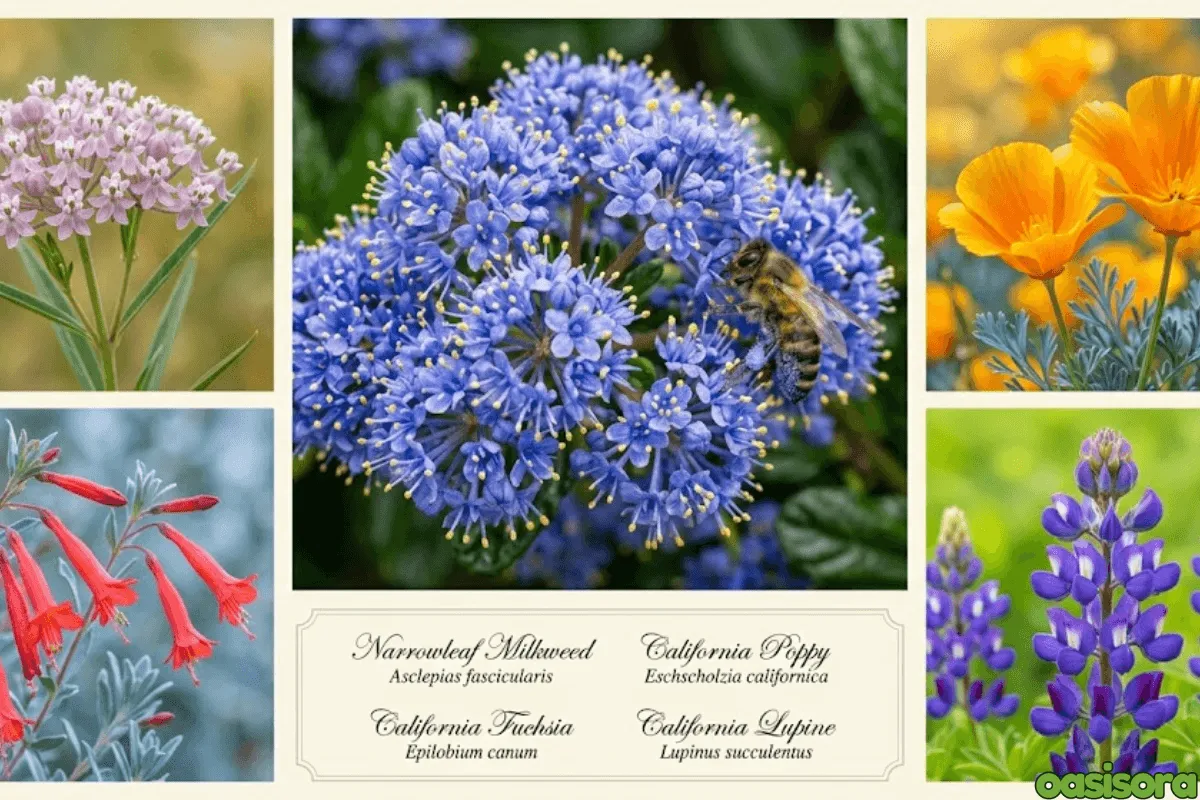
California Yards Natives
It greatly helps to know what makes California native plants unique so you can pick the right ones. Since these plants have been growing here for a long time, they naturally know how to deal with the dirt, sun, and weather. Undoubtedly, it is easier to keep your yard healthy when you know how they will work and beautify your yard.
1. What Makes a Plant “Native” to California?
A plant is called native when it has always grown in this region without being brought from outside. It is comfortable with the local seasons, handles the natural soil, and grows in a slow but steady way. Additionally, it is a plant that supports local birds, bees, and other small animals, maintaining the land’s harmony.
2. How They Differ from Drought-Tolerant or Mediterranean Species?
Some plants that tolerate drought consume less water, but they may not always fit the ground properly. They fail to help and accommodate the native insects and birds because many of them are from other countries. In a few lawns, I observed the same thing with Mediterranean plants.
They can live through dry days, but they often need soil or care that doesn’t match the area. In either case, the California native plants adjusted more easily because they were already suited to the local environment.
3. Choosing the Right Plants for Your Region
Each part of the state has its own climate.
- Coastal areas stay cool with soft air, so plants that enjoy light mist and steady sun grow well there.
- Desert regions need plants that handle long heat and dry soil.
- Mountain zones stay colder, so plants that like cool air and strong light work best there.
When you match a plant to your region, it settles faster and stays healthier for a prolonged time.
Native Plant Categories for Every Landscape
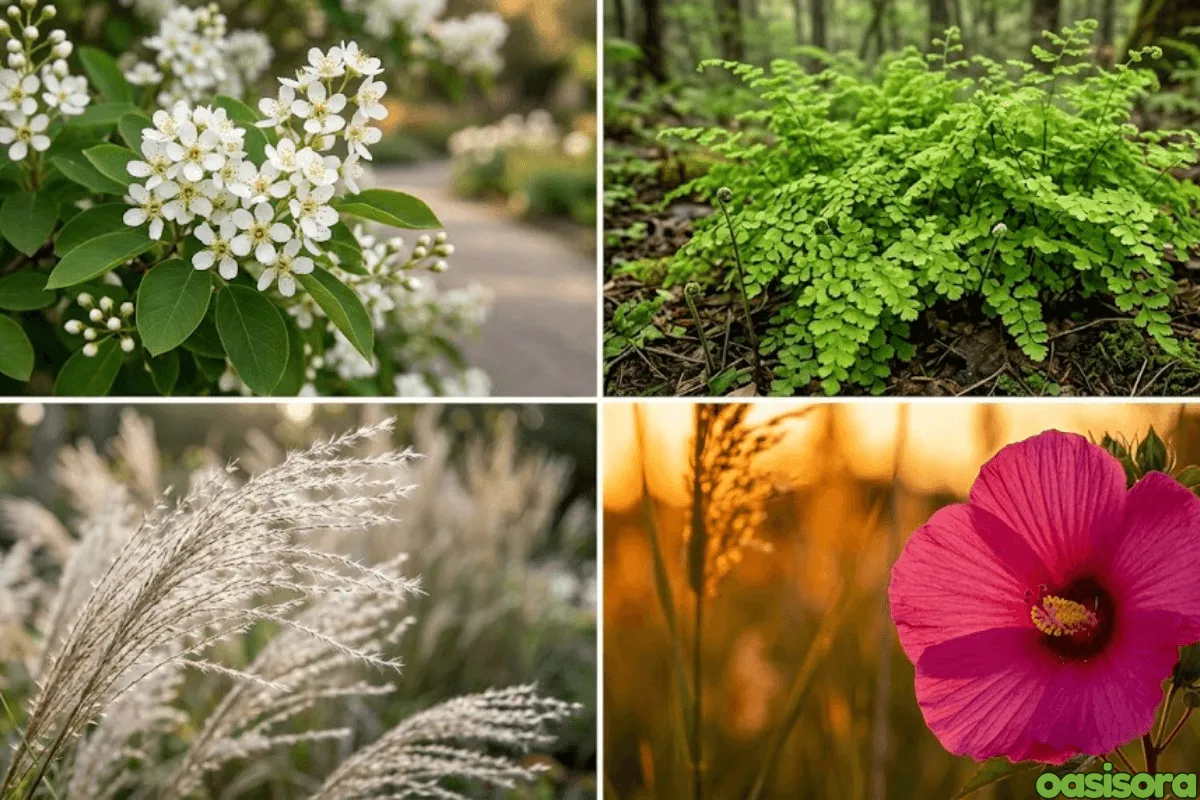
Native Plants for California Landscapes
There are many ways to use California native plants in your garden. Each group adds its own strength and displays its own unique characteristics. Some provide color, some add shade, and some assist the soil in staying firm. When you find the proper blend, your yard becomes peaceful, easy to care for, and full of natural life.
1. Native Wildflowers & Perennials
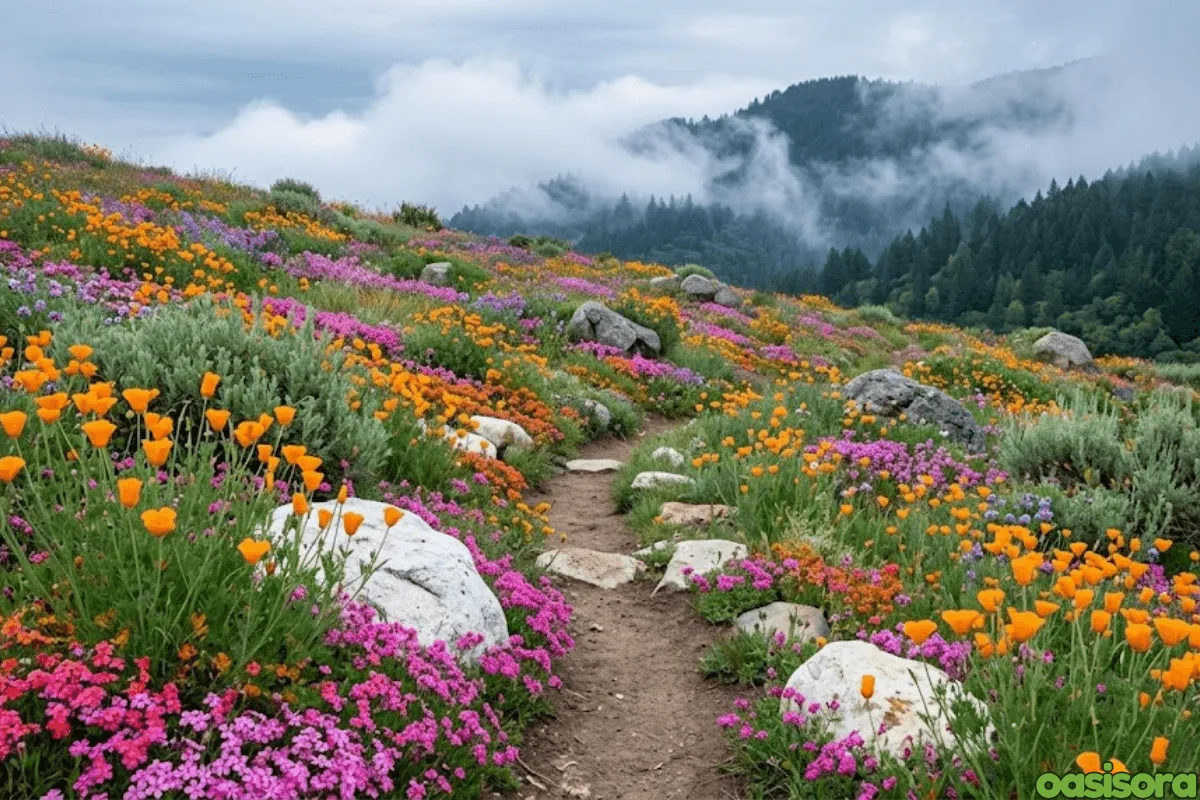
Native Wildflowers & Perennials
Wildflowers and perennials add delicate color and light movement to a garden. They develop at a slow pace and remain constant even when the weather changes. Plus, these plants maintain the health of the yard by improving the soil and bringing life of little insects and birds back into the area.
California Poppy
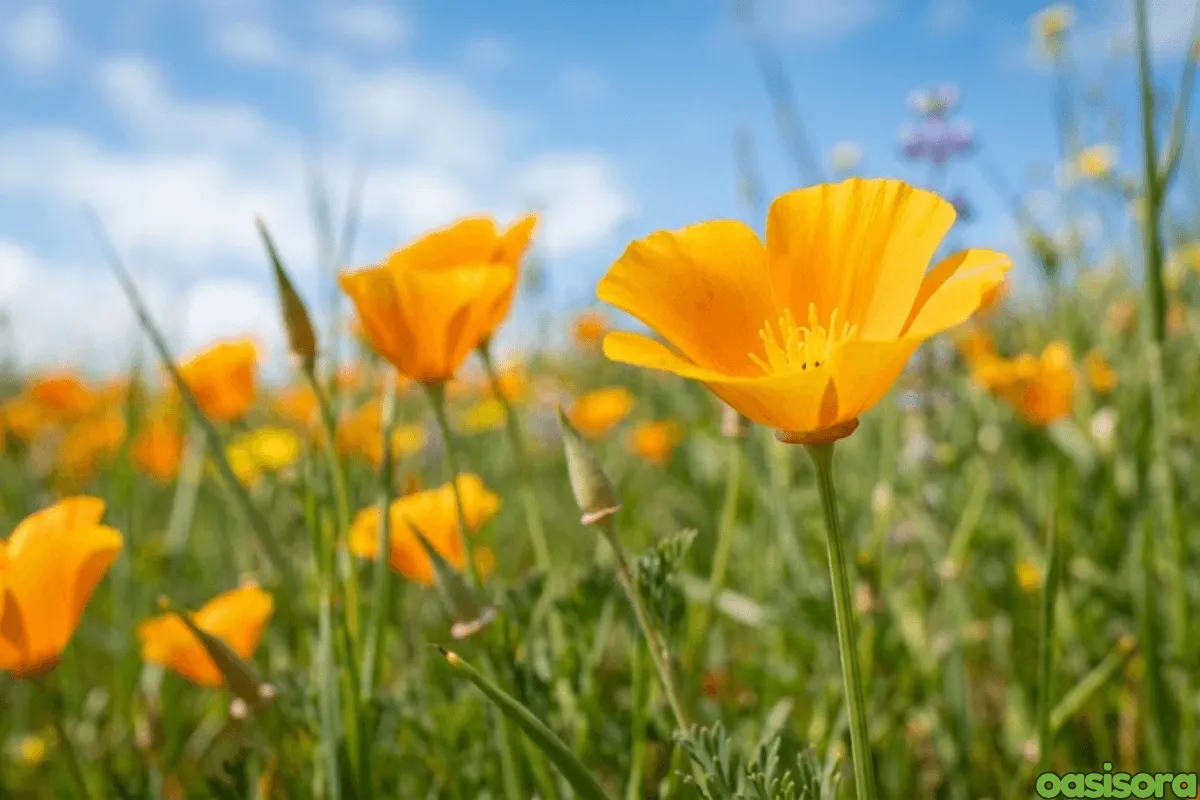
California Poppy
This bright flower is known across the state for its soft orange glow. It grows well in warm sun, handles long dry days, and spreads lightly on its own. Overall, it gives the yard a fresh, open feel without requiring extra care.
Blue-Eyed Grass
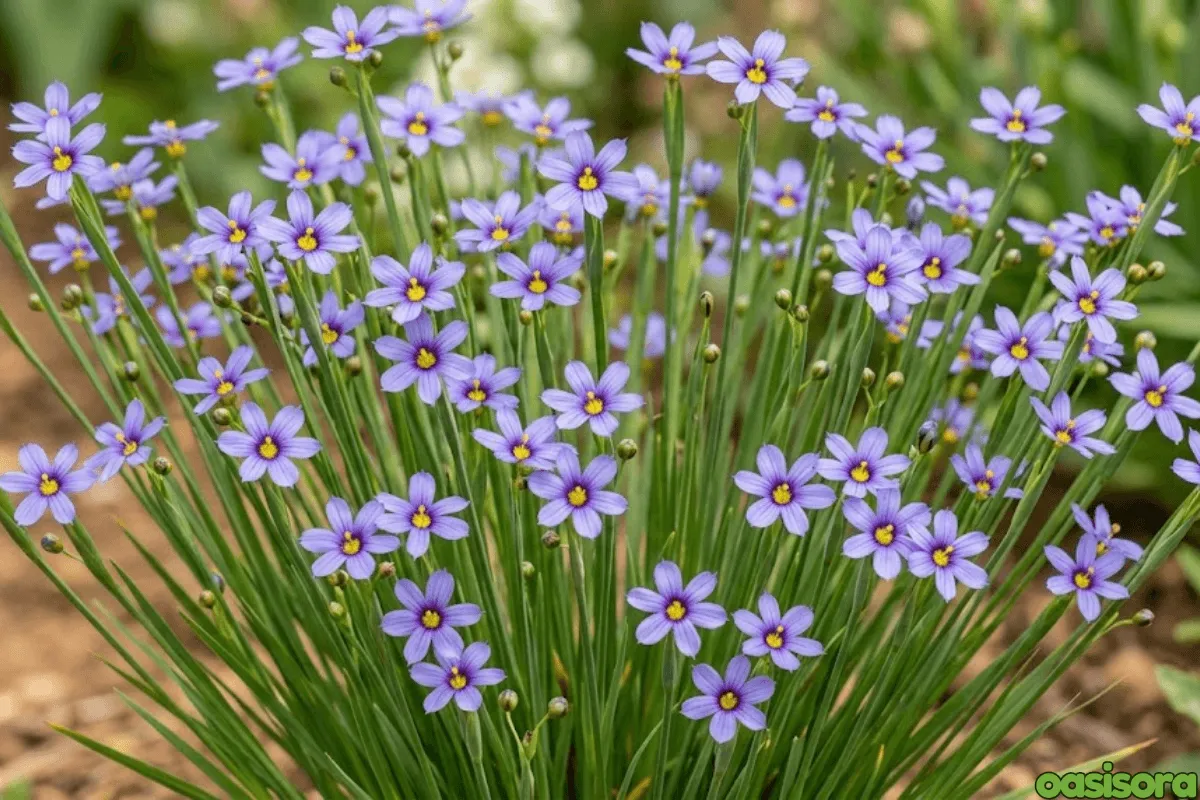
Blue-Eyed Grass
This plant appears like thin grass but opens small blue or purple flowers in spring. It grows nicely near roads, under mild shade, or in open beds. When combined with other California native plants, it gives a subtle touch of sky blue color and keeps the yard mild and cool.
California Fuchsia
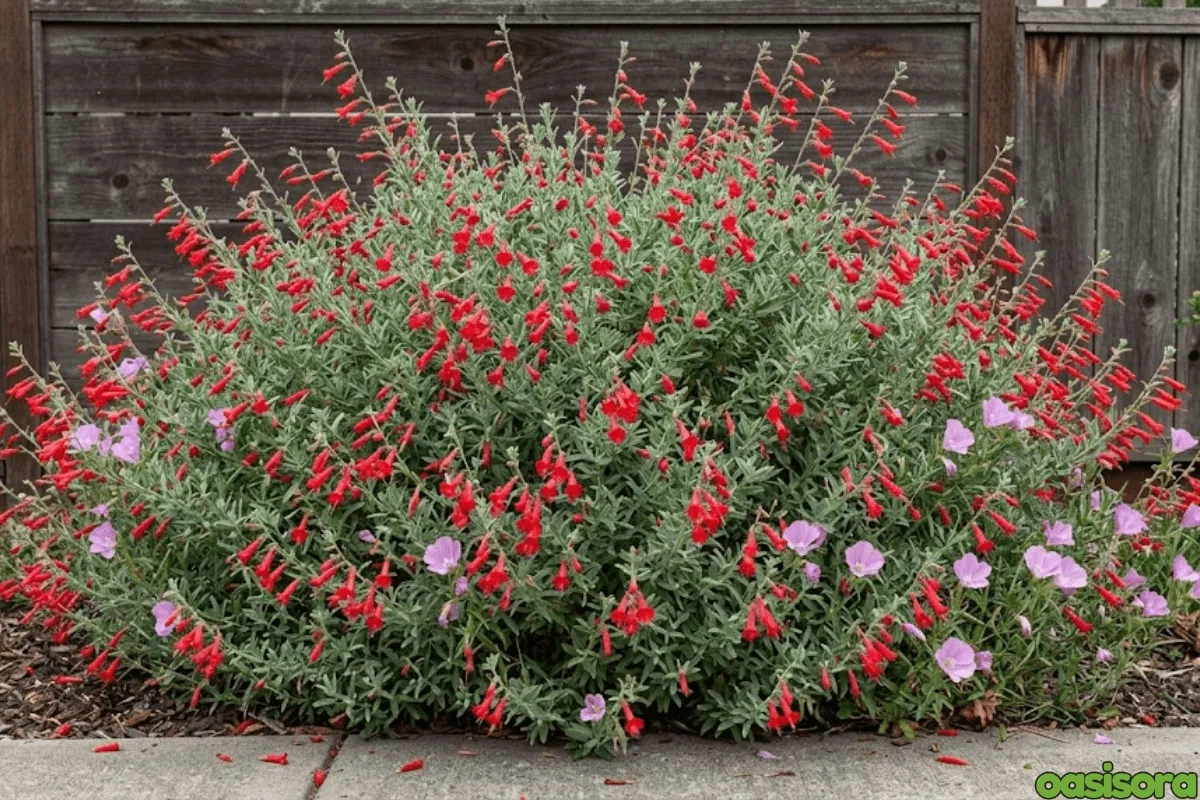
California Fuchsia
These red tube flowers bloom when many other plants rest. They attract hummingbirds and glow in the late summer and early autumn. Additionally, they require relatively little water to continue growing and remain hardy even in intense heat.
Yarrow
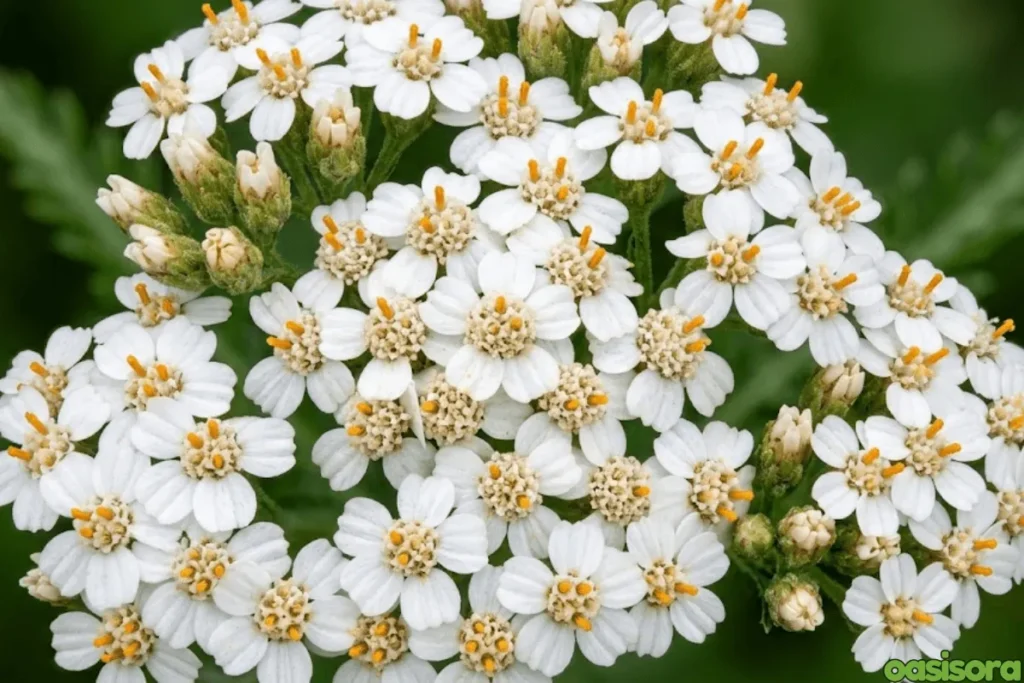
Yarrow
This plant forms flat flower clusters that can be white, yellow, or soft pink. It spreads slowly and fills open spaces in a neat way. It also works as a light groundcover that helps the soil stay steady, making it a helpful choice when you want California native plants to cover open soil in a simple yet natural style.
Douglas Iris
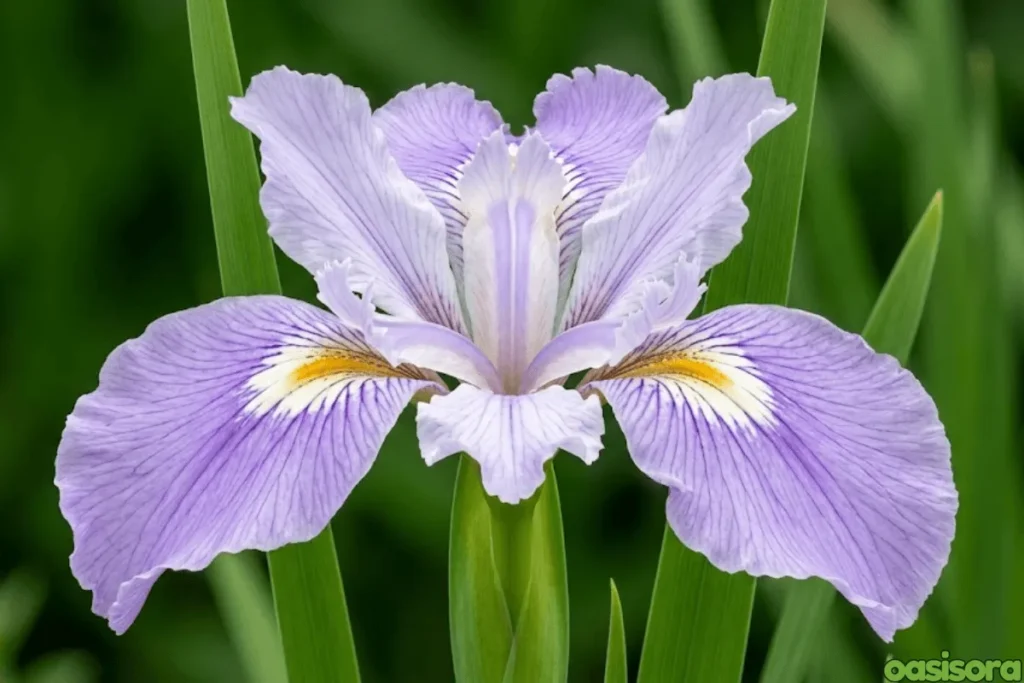
Douglas Iris
This flower grows in cool, coastal areas and opens soft purple, blue, or white blooms in spring. It likes light shade and moist soil, and can even handle dry days once settled. Furthermore, it adds calm color to the edges of the yard most beautifully.
2. Native Shrubs & Small Trees
Shrubs and small trees add steady shape and strong structure to a yard. They stay firm through heat, dry days, and light cold. Moreover, these plants also help bring shade, color, and quiet movement to the space, making the yard feel settled and complete overall.
Manzanita
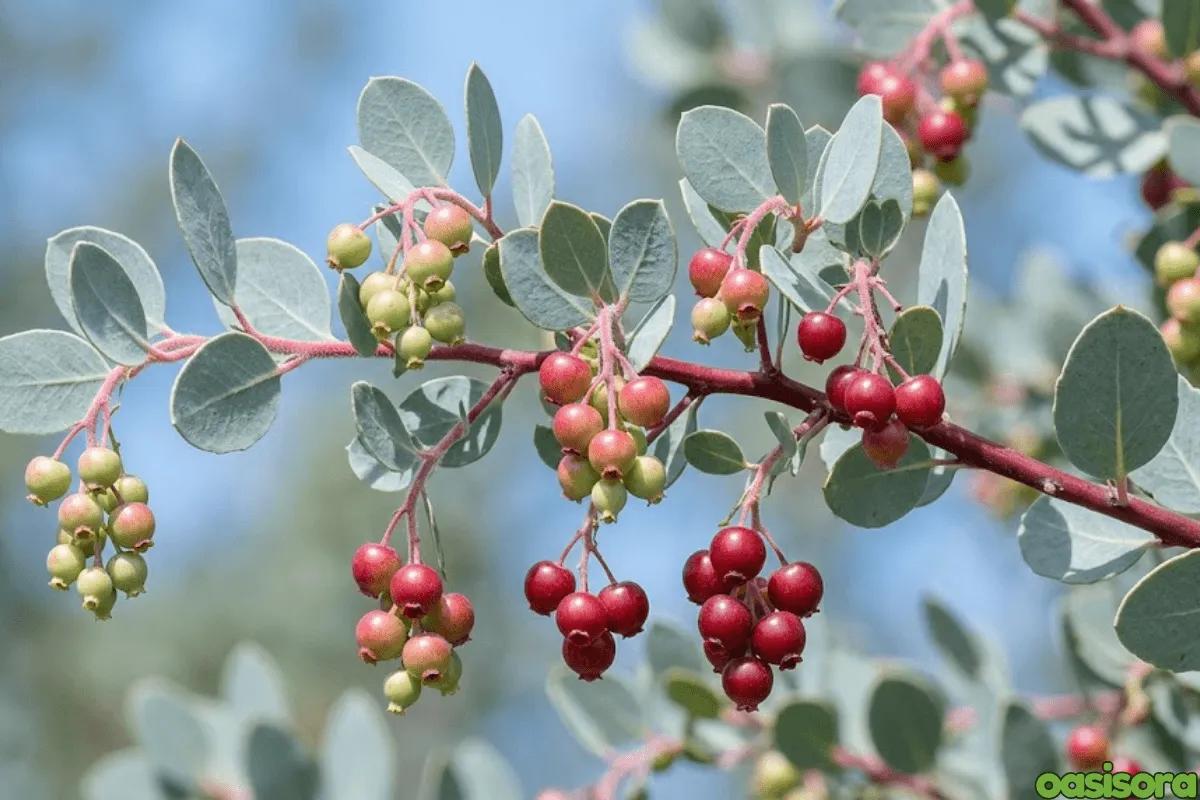
Manzanita
Known for its smooth red bark and soft green leaves, this shrub brings strong shape to a yard. It grows well in dry soil and holds its form both through heat and cold. Additionally, its small flowers support early-season pollinators for seed spread and disposal.
Toyon or California Holly
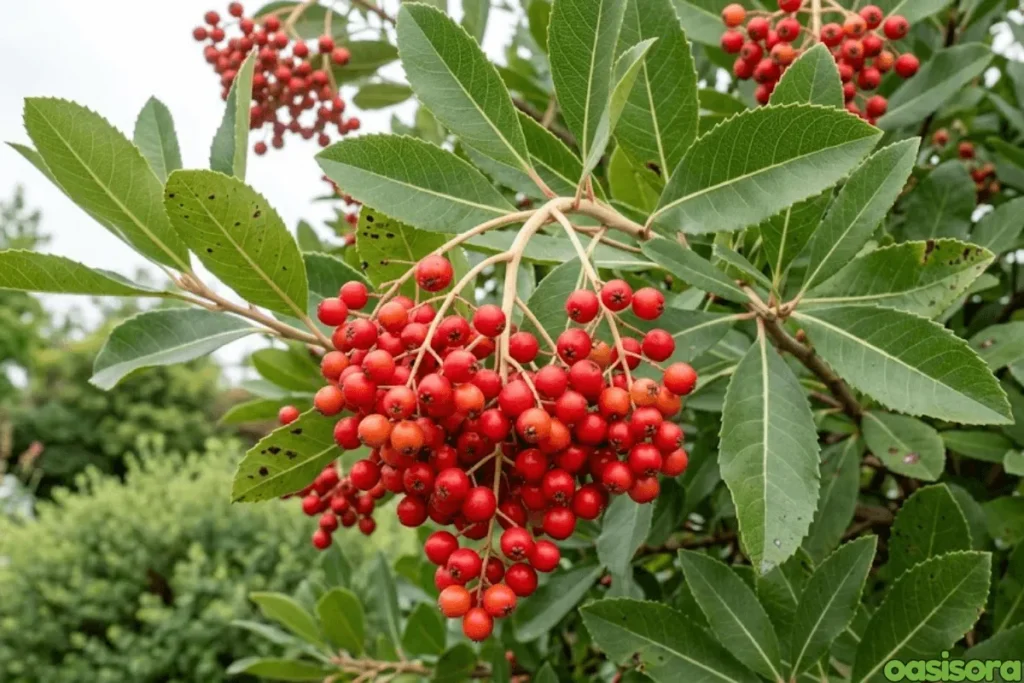
Toyon
This plant brings life through all seasons. It shows white blooms in summer and bright red berries in winter that birds and little creatures enjoy. It grows in sun or light shade and gives the yard a classic look.
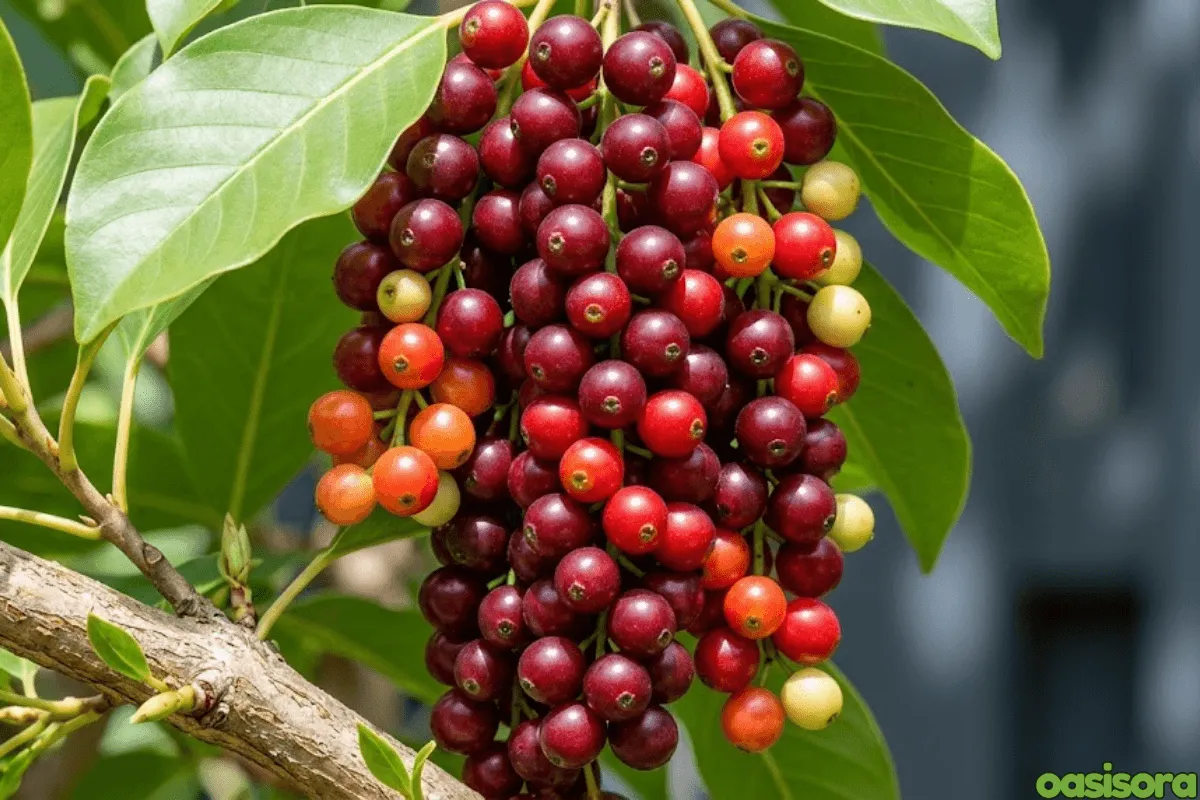
Coffeeberry
Coffeeberry
The leaves of this shrub are dark green. Secondly, when the berries ripe, they turn black instead of red. This particular shrub grows in a variety of soil types and draws tiny insects that maintain the yard’s health and beauty. Overall, it stays steady with very little care and attention.
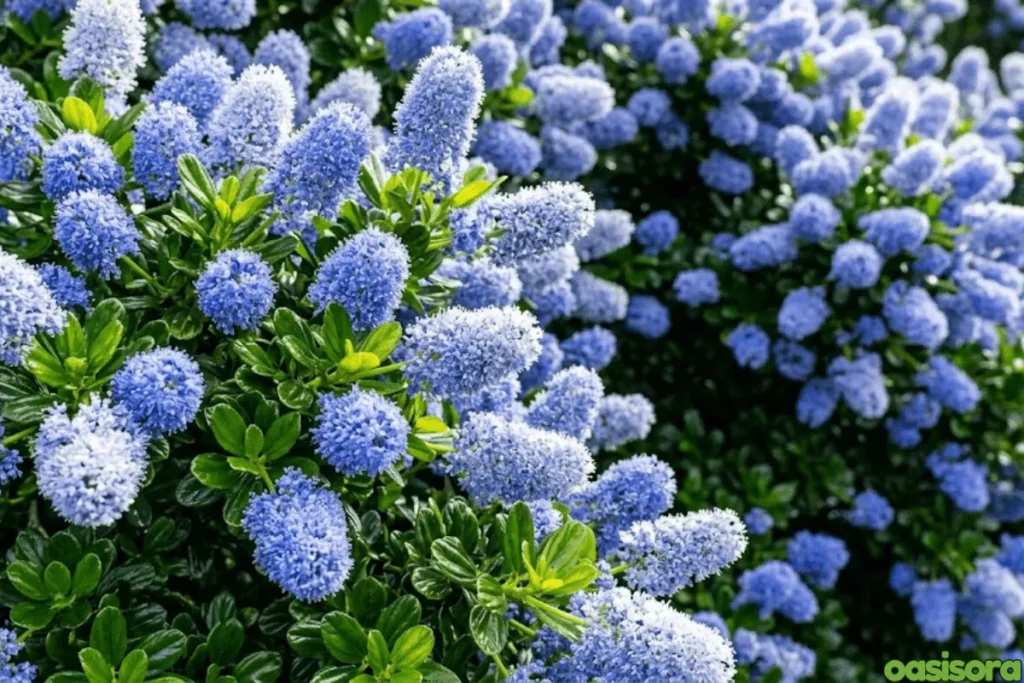
California Lilac or Ceanothus
California Lilac
The blue, purple, or white flowers on this plant make it popular in the spring. Its maintenance is also very easy, and it grows best in full sun with little water. People often choose such California native plants for their gardens because their flowers readily attract bees and butterflies.
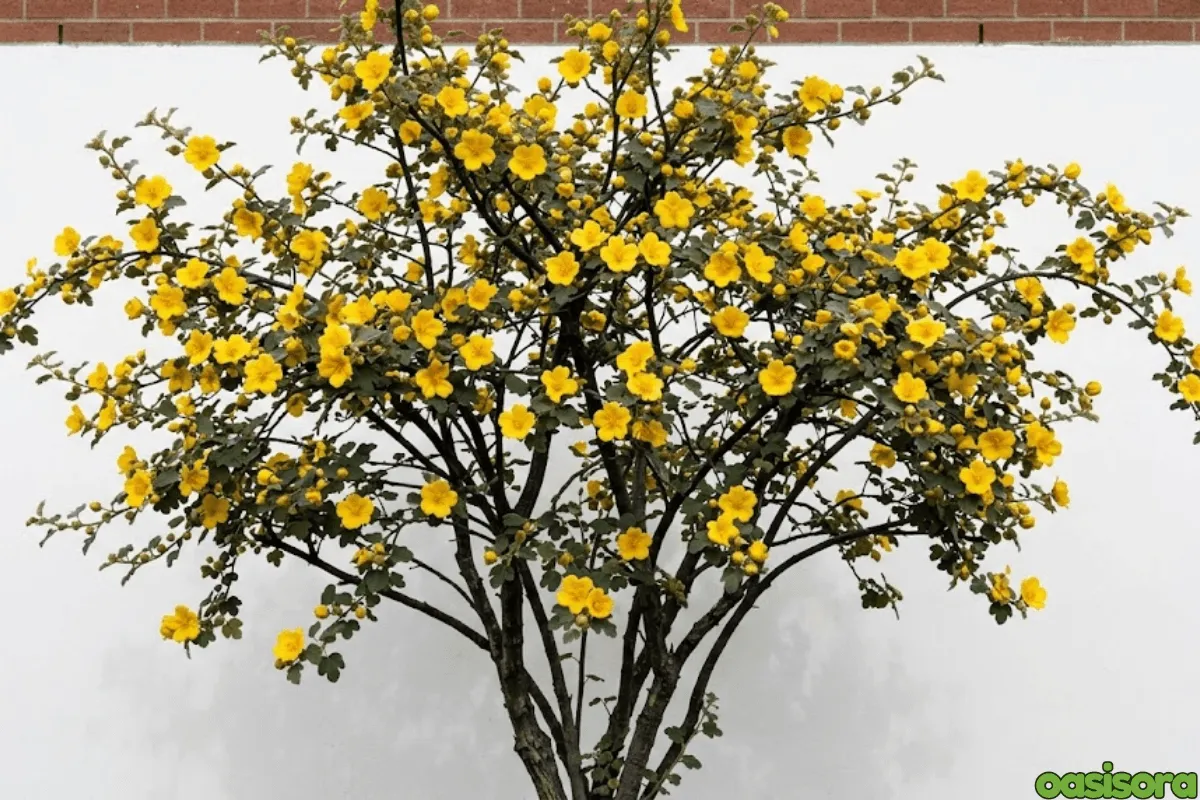
Flannel Bush
Flannel Bush
This tall plant has large yellow blooms and soft, fuzzy leaves. It grows fast in dry soil and brings bold color to the edges of a yard or long walls. Once settled, it stays healthy without needing extra water or consistent care.
3. Native Grasses & Groundcovers
Grasses and groundcovers keep the soil stable, fill in bare spots, and soften sharp edges. They need little care and settle quickly, which makes them useful in many places in a yard. These plants also bring light movement when the wind passes through.
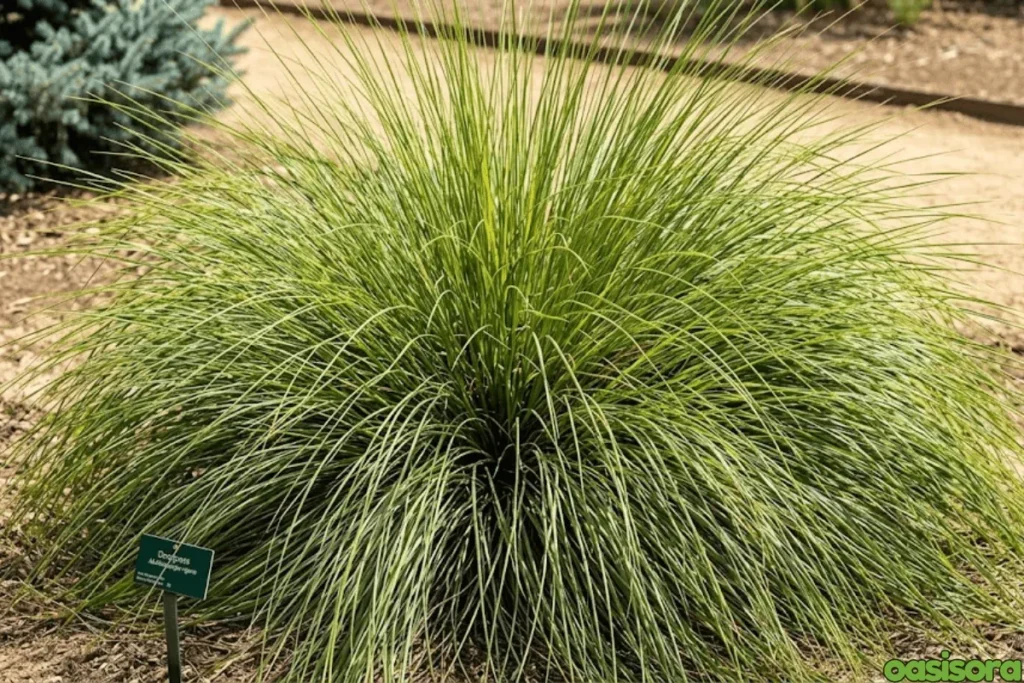
Deergrass
Deergrass
This plant grows in neat green clumps and stays firm through heat. It fills corners and edges well and works nicely in both large and small spaces.
Purple Needlegrass
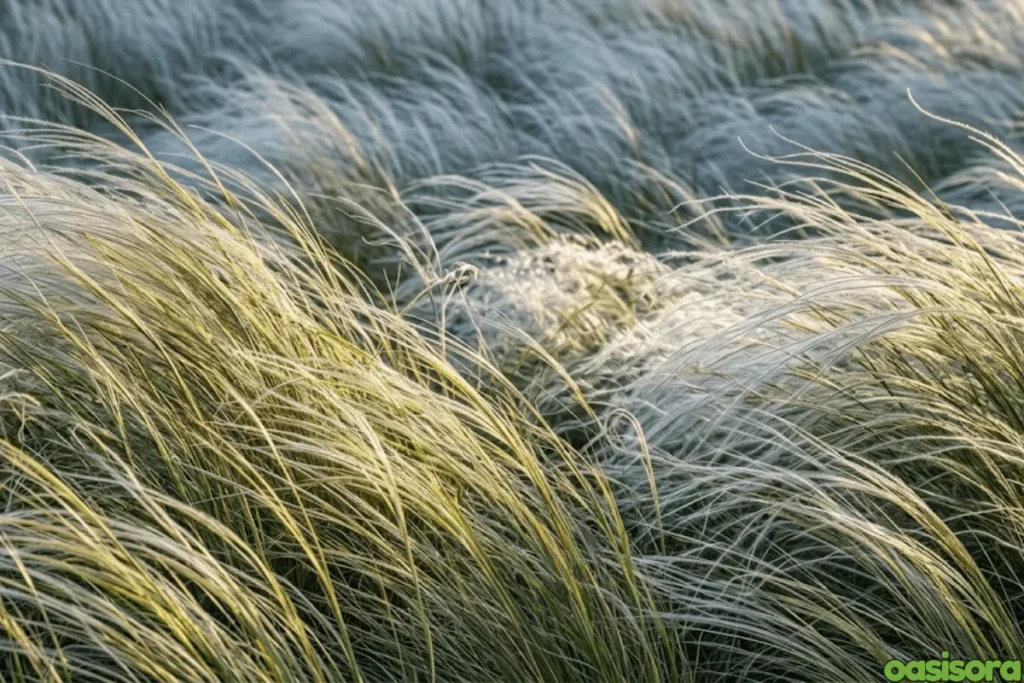
Purple Needlegrass
This fine, tall grass moves softly in the wind and brings a natural field-like look. Additionally, it handles dry soil and spreads slowly over time, making it a steady choice when you want California native plants that look calm and blend well with open spaces.
California Sedge
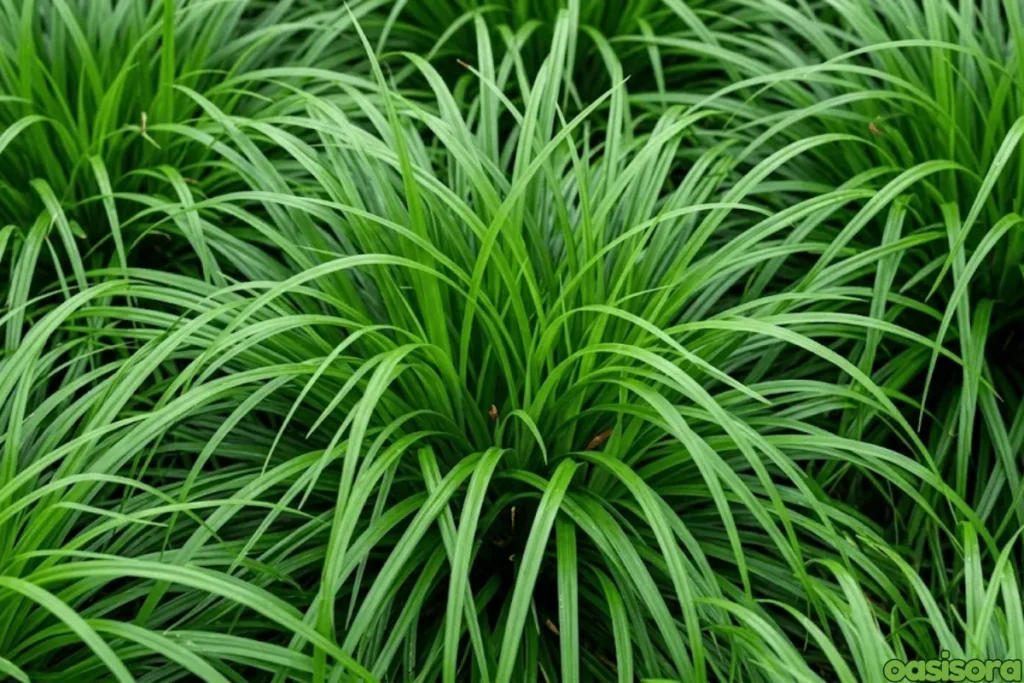
California Sedge
This low plant grows in light shade and keeps the soil cool. It forms a soft green cover that works well both near paths and under trees.
Yarrow
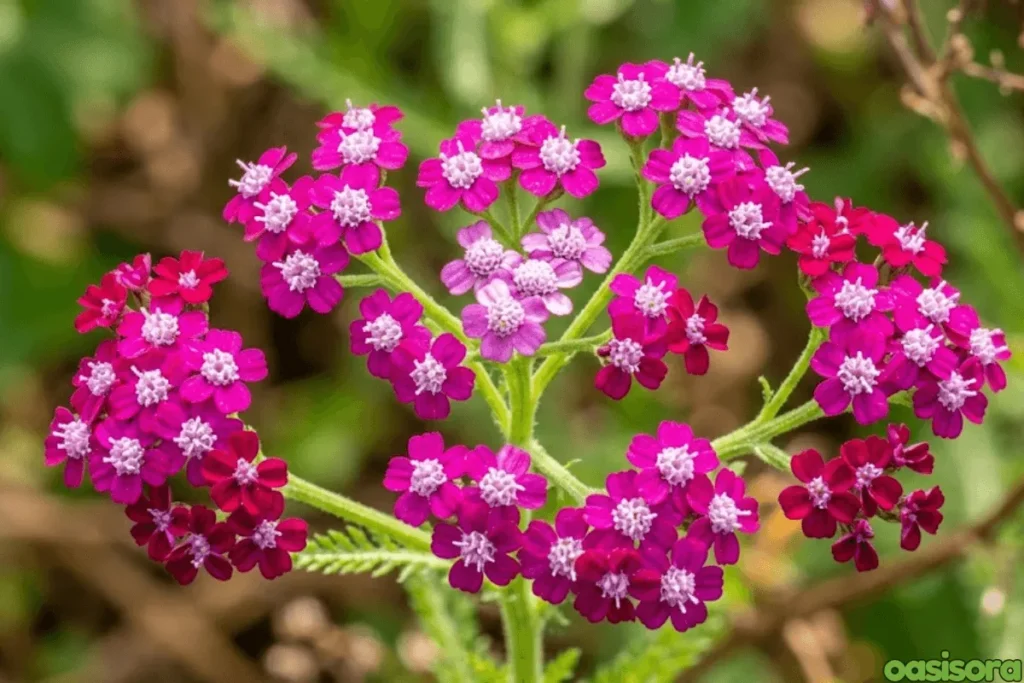
Yarrow
When used as a groundcover, yarrow spreads in a soft way and fills open soil. Also, it keeps moisture in place, slows weeds, and grows in the form of a clean green layer.
4. Native Trees for Shade and Structure
Indeed, trees give height, shade, and strength to a garden. They help shape the whole space and support many small birds and insects in many ways. When you grow trees that match the land and climate, the yard becomes steady and long-lasting.
Coast Live Oak
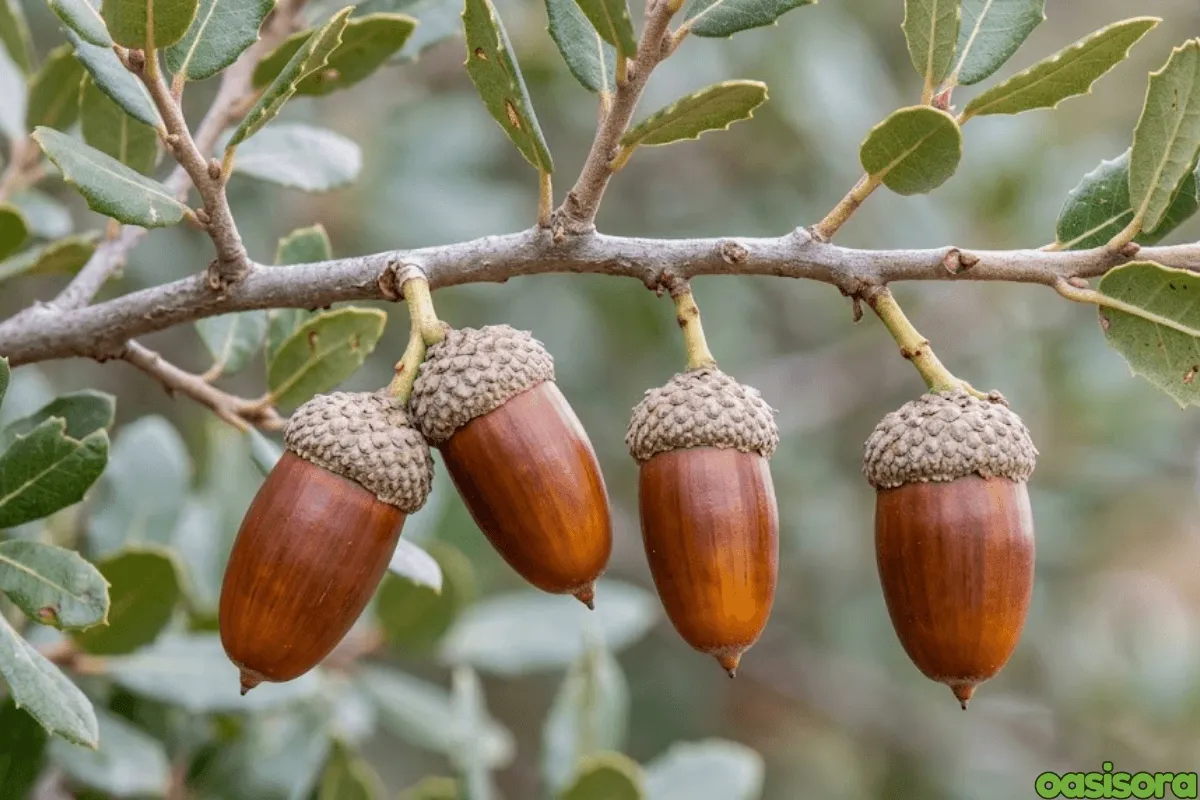
Coast Live Oak
This strong tree opens a wide canopy that brings cool shade. Interestingly, it grows well in dry soil and supports many forms of local wildlife. These characteristics make it one of the most trusted California native plants for steady shade.
Western Redbud
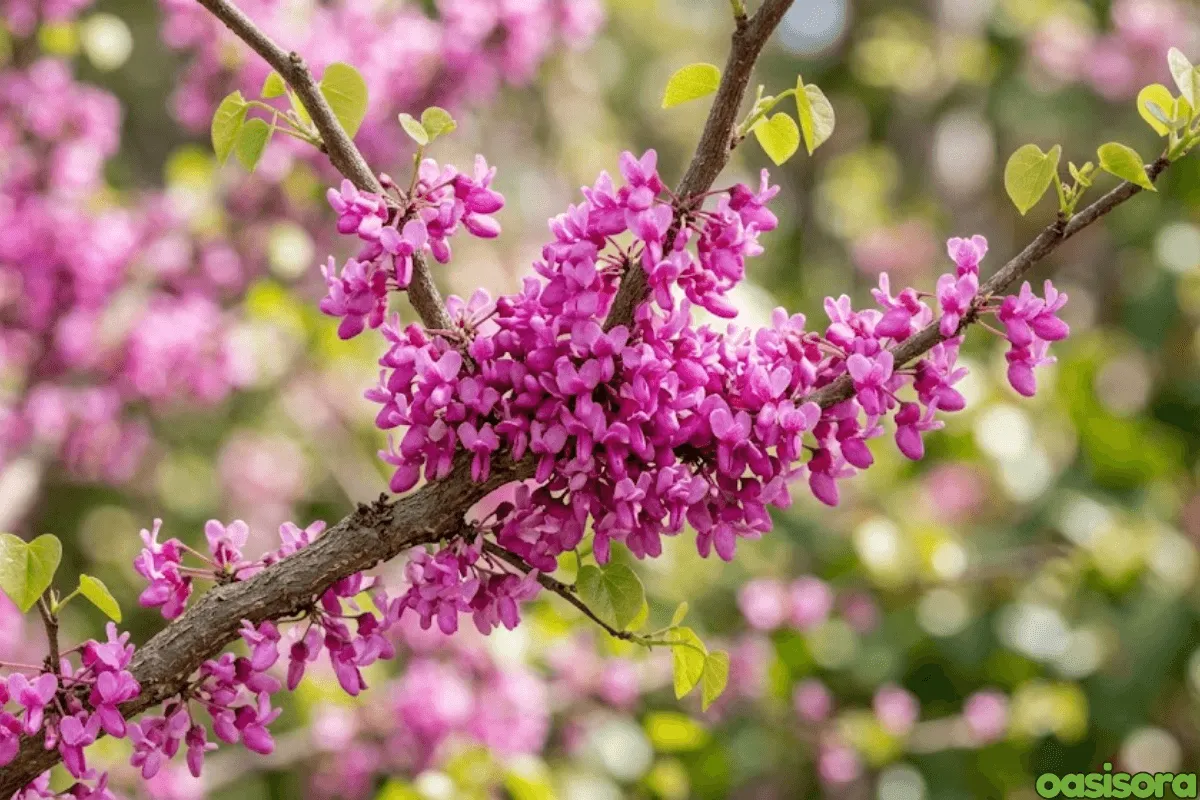
Western Redbud
This tree shows bright pink blooms in spring and soft green leaves afterwards. It grows well in sun or light shade while bringing colors through all the seasons of the year.
California Sycamore
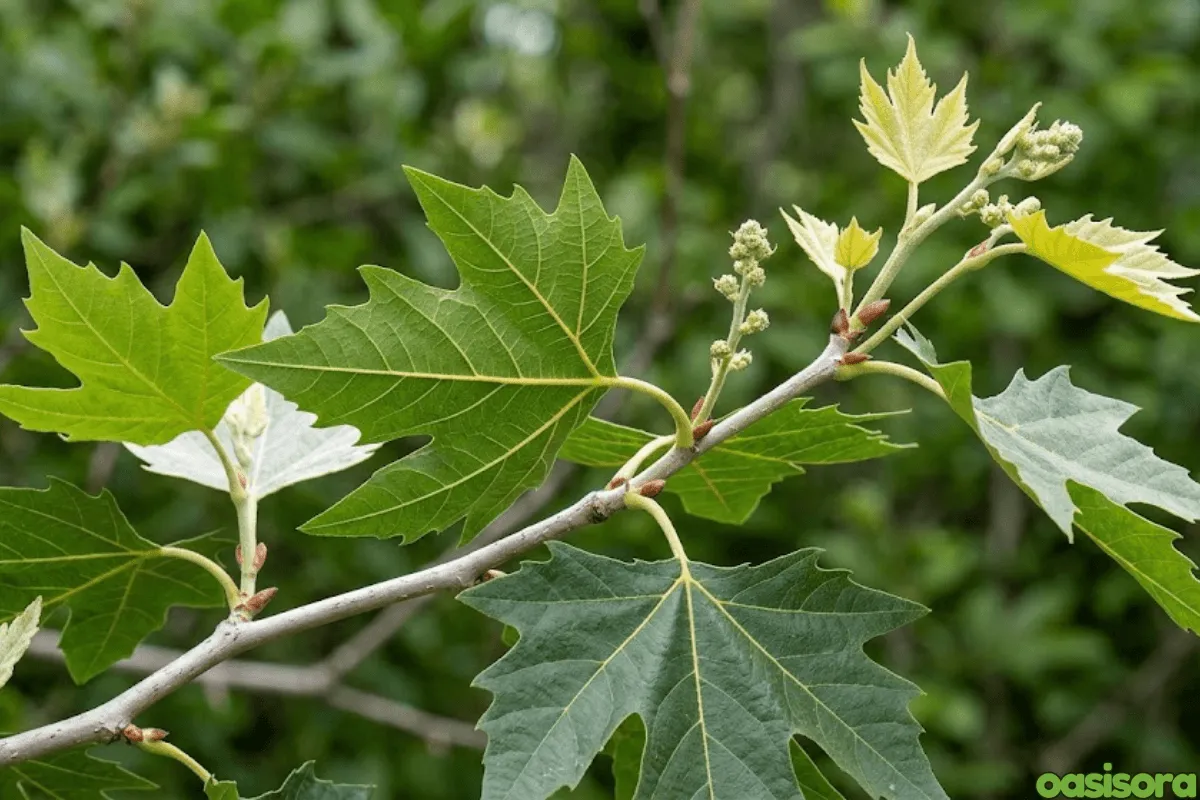
California Sycamore
This particular tall tree has light bark and large leaves that move gently when the wind blows. It grows quickly near open soil and enjoys full sun with steady space around it.
Designing with California Native Plants
A garden that is designed with native plants feels natural and well-balanced. As these plants come in a wide variety of colors, forms, and sizes, you may create a serene outdoor space that is welcoming, aesthetic, and low-maintenance.
1. How to Mix Color, Texture, and Height?
A good mix keeps the lawn open and soft on the eyes. You can use light colors near deep ones to add gentle contrast. Additionally, plants with bold or rough textures complement smooth leaves. To keep the area neat and clean, place shorter plants in the front and taller ones towards the back.
In the past, I used this layout in a small part of my yard. Even a few plants made the space look better and more organized without doing any extra effort.
2. Native Plant Garden Styles: From Modern to Wild
California native plants fit many designs because they grow steadily and naturally. Some people like a clean and simple look with even lines and open space. Others enjoy a looser style that displays a soft, wild field. Both ideas work well since the plants settle into the land on their own and stay healthy in many setups.
3. Lawn Replacements: Say Goodbye to Grass, Hello to Natives
Many people are moving away from regular grass because it needs so much water and care. Low, spreading California native plants are now a softer and smarter choice. They settle into the soil with ease, use far less water, and grow in a calm, steady way. Moreover, as they spread, they keep weeds down and give the yard a clean, natural look that suits every climate without forcing the land to work hard.
How to Plant and Care for California Natives?
When you follow a steady, straightforward procedure, planting and maintaining California native plants becomes simple. The objective is to complement the land, not alter it. During the first few months, a few minor actions help them settle, and then they remain healthy for years.
i) Best Planting Season for Success
The best time to plant California native plants is during the cool months. Fall and early winter give the roots soft, moist soil and gentle weather. When the days stay mild, young plants settle in slowly and grow strong before summer heat arrives.
I learned this the hard way once, when I planted too late, and saw my plants struggling. Since then, I have always planted them in the fall, and that has always brought better results.
ii) Soil Prep: Less Is More
These natives grow well in plain soil. They don’t need rich mixes or strong fertilizers. A loose, natural layer is enough for their roots to breathe. Just remove big rocks, smooth the surface, and keep the soil open. This light prep helps the plants match the land instead of fighting it.
iii) Watering the Right Way
California plants that are young need constant care for their first year. Not too often, but enough to keep the roots moving lower. Later, they will need very little water once they get settled. A slow soak every few weeks during dry months is enough. This calm pattern keeps the roots strong even through hot days.
iv) Pruning, Mulching, and Long-Term Maintenance Tips
Nevertheless, a few light steps keep California native plants healthy for many years:
- In the cooler months, clip dry stems so the plant has time to rest and grow new leaves when it gets warmer.
- Put down a thin layer of mulch to keep the earth moist and keep the roots from getting too hot.
- Leave space around the plant base so air can move easily and stems stay dry.
- Remove weak or crossing branches to keep the plant strong and open.
Common Mistakes to Avoid
Even the best gardens can face problems when the care does not match the plant’s natural needs. I’ve seen this happen in many yards over the years.
Below are some of the most common mistakes gardeners should look out for.
1. Overwatering or Using Fertilizers
Many people water California native plants too often, thinking they need the same care as regular garden plants. Extra water makes the roots weak and invites rot. Heavy fertilizers also push fast growth that natives do not like. A calm, low-water routine keeps them steady and strong for a long time.
2. Ignoring Local Microclimates
Even strong plants can struggle if placed in the wrong spot. A sunny wall, a windy corner, or deep shade changes how the soil warms and dries. When you match the plant to its small climate zone, it grows with confidence and needs far less care.
3. Mixing Invasive Species with Natives
Some garden plants spread fast and take food, water, and space away from California native plants. These invasive species move quickly and push out gentle growers. When you leave them out, your yard stays stable, and the native plants remain healthy.
Where to Buy California Native Plants?
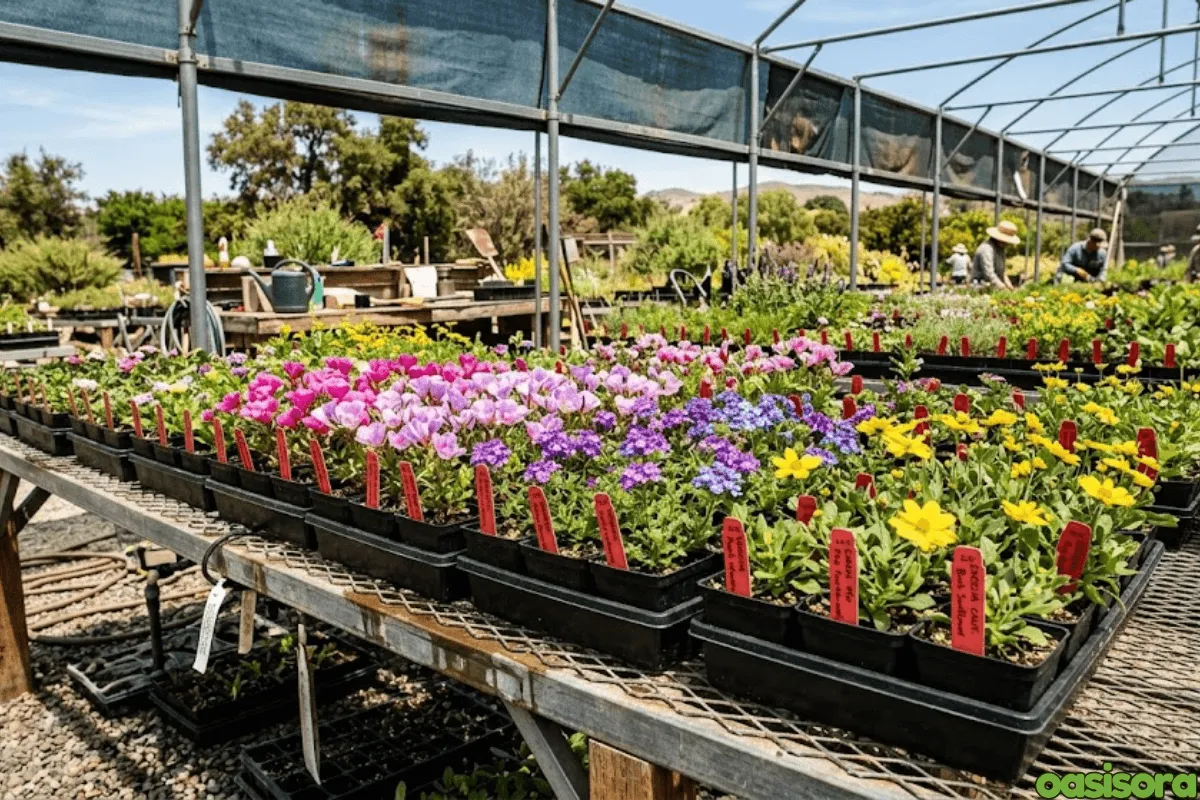
Local California Plants
There are many trusted places where you can find healthy, well-grown plants that match the land and climate. Choosing the right source makes the planting work much easier.
Local Native Plant Nurseries
Many nurseries across the state grow California native plants in soil conditions that match their natural needs. These places often have trained staff who can guide you toward the right species for your outdoor space. Moreover, visiting in person also helps you see real plant size, leaf color, and overall health before bringing anything home.
Certified CNPS Growers and Online Sources
The CNPS-approved sellers offer native plants grown from reliable seed stock and local genetic lines. Their websites and online shops make ordering simple, especially if you need rare or region-specific plants. Furthermore, these sources are especially helpful when you want a wide range of healthy choices delivered straight to you.
Inspiration Gallery: See California Natives in Action
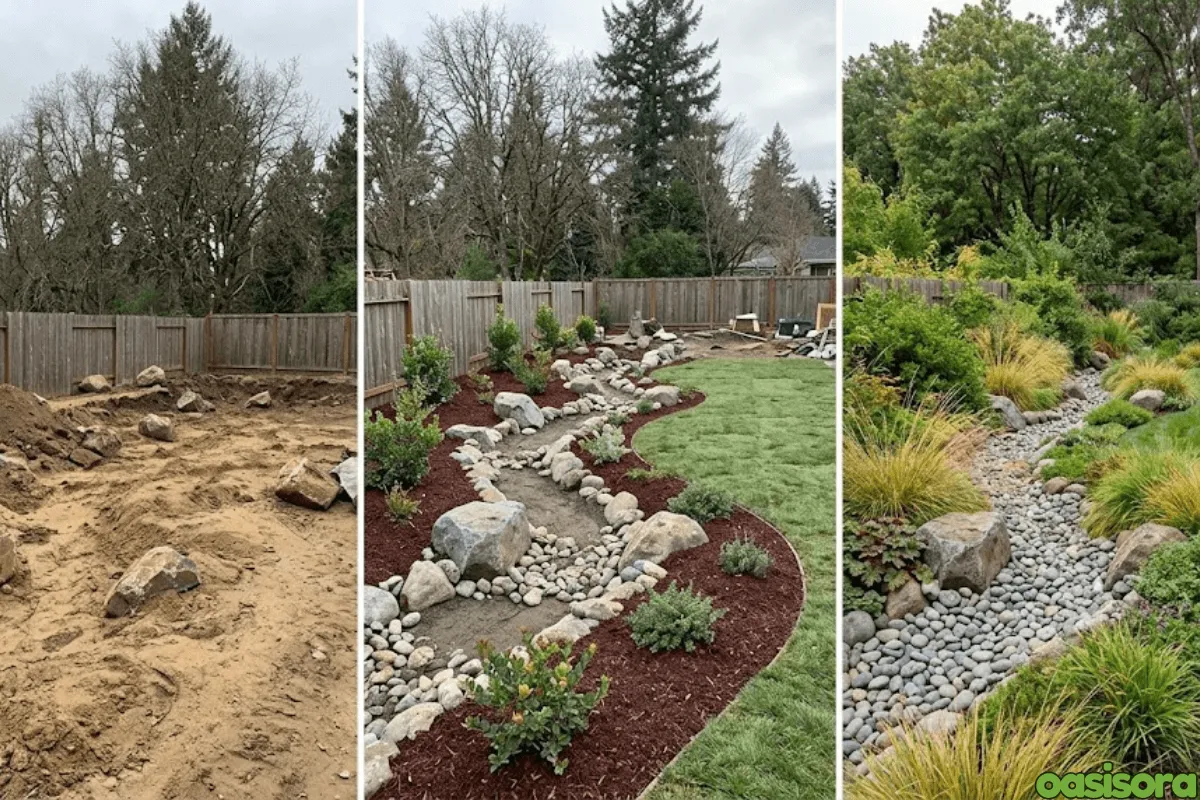
California Yards Design Ideas
The following examples show how small changes can reshape a yard. When placed with care, California natives turn simple spaces into calm, living landscapes that perfectly fit their land.
Before & After Garden Transformations
Many gardens start as plain lawns or dry corners. With California native plants, those same areas shift into open, colorful spaces that use far less water. A flat yard can turn into soft layers of blooms, light shade, and natural shapes that feel welcoming right from the first step.
Native Pollinator Gardens
When planted together, these species form a steady food path for bees, butterflies, and hummingbirds. The U.S. Forest Service notes that a mix of heights and colors helps them bloom at different times, keeping the garden active even through hot, summer days. Even a small bed can attract pollinators throughout the year.
From what I often notice in many gardens, these plants attract more steady pollinator visits because they feel familiar and safe to insects.
Fire-Resistant Landscape Examples
Some landscapes focus on calm, open spacing with plants that hold moisture well. In these designs, plants with low resin and clean structure help create safer zones. Clear pathways, grouped shrubs, and wide borders give the yard a strong, fire-wise layout without losing beauty.
Final Thoughts
A garden grows better when it feels connected to the land. When you use California native plants, you bring in softer care, steady color, and a natural calm that fits the climate. This shift also saves water, reduces work, and supports local wildlife in a real way. You can even begin with one small bed and see how the space slowly changes.
From my experience, yards become healthier and more stable when they follow the land instead of fighting it. Step by step, your space turns into a living part of the landscape around you, instead of something separate from it.
FAQs
What is the best time to plant native species in California?
Fall is the ideal season to plant California natives, because at that time, the weather stays cool and the soil holds moisture, helping young roots grow slowly and safely.
Do California native plants need fertilizer?
No, most of them prefer growing without added food. Simple soil and easy care fit their natural style.
Can I grow natives in a small yard?
Yes, many native plants stay tidy and look good in narrow beds, low borders, or small containers.
Are native plants good for pollinators?
Yes, they offer nectar, shelter, and steady bloom cycles that support bees, butterflies, and hummingbirds throughout the different seasons of the year.