
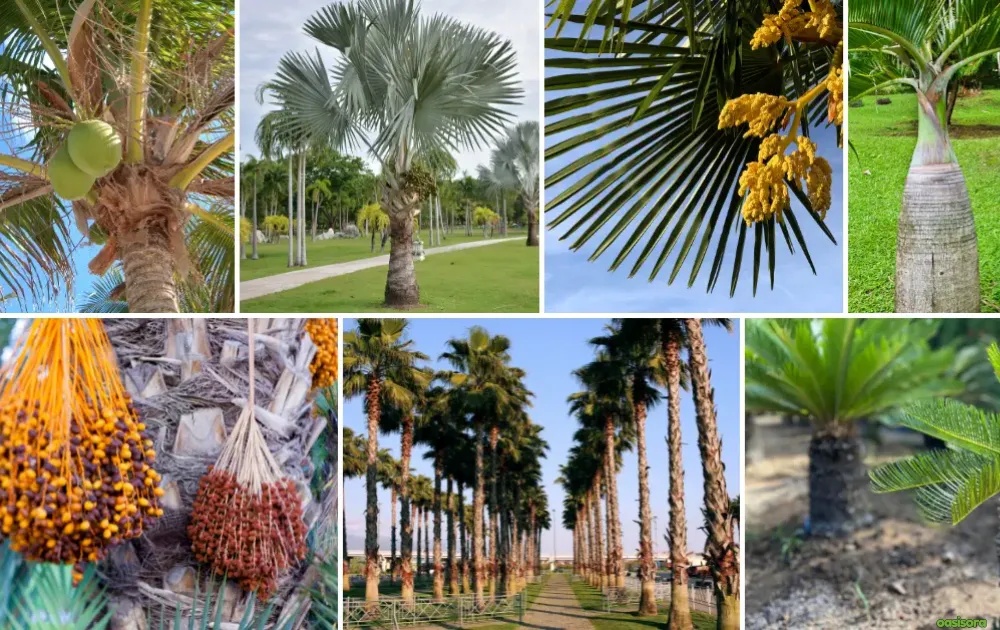
You know, Florida palm trees make every yard feel warm and calm. People love how they bring a soft and tropical touch to a home. They grow well in this sunny state because there the air stays warm and the soil drains fast, so the trees remain steady through the seasons. When I added a small palm near my porch once, the space felt calm right away. Also, it showed me how little touches can change the aesthetics of a place.
Now, as you start this guide, you will see simple ways to pick the best palm trees and keep them growing well in Florida weather. So let’s get started to find the ones that will fit your yard the best.
Why Palm Trees Define the Florida Landscape?
Palm Trees the Beauty of Florida Landscapes
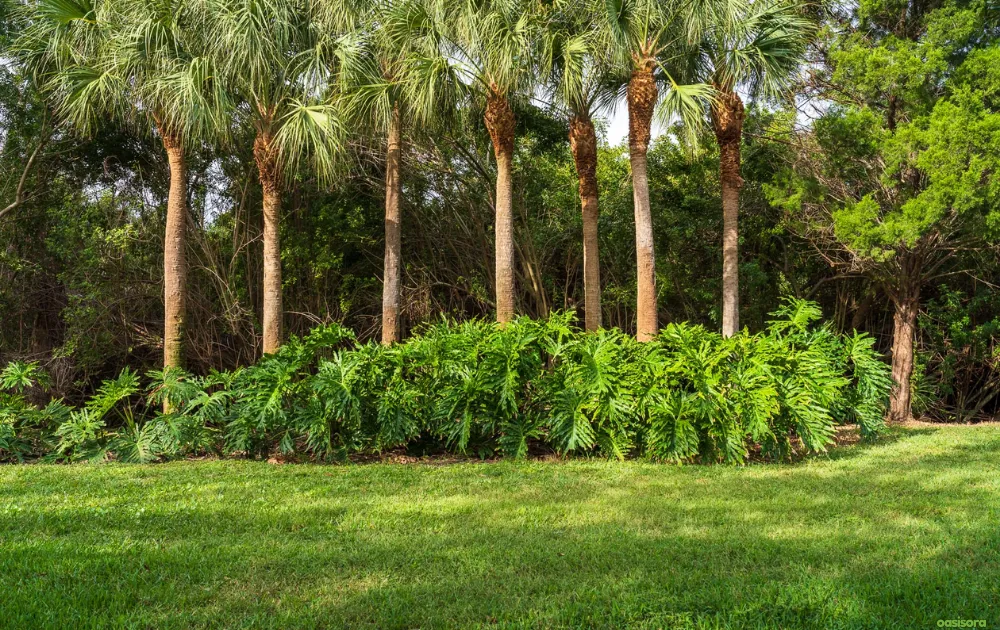
Undoubtedly, Florida palm trees bring a quiet, easy feel to streets, homes, and beaches. Their tall leaves move softly when the warm wind passes. Plus, their shape feels light, and this simple beauty matches the bright sky and wide coastline. I often walk near a row of palms, which always gives me a remarkably peaceful feeling.
Moreover, palm trees in Florida stay strong here because the weather helps them. The air holds steady moisture, the sun stays warm most days, and the soil drains water fast, so the roots never sit in heavy mud. This mix keeps these trees steady, even when the seasons shift.
At the same time, these palms add quick charm to any yard. A tall one near a home makes the space feel wide, while a small one near a path brings a neat, clean look. Many people like how these trees boost home value because they make the space feel bright and cared for without requiring much work.
Understanding Florida’s Growing Zones for Palm Trees
Florida’s Growing Zones for Palm Trees
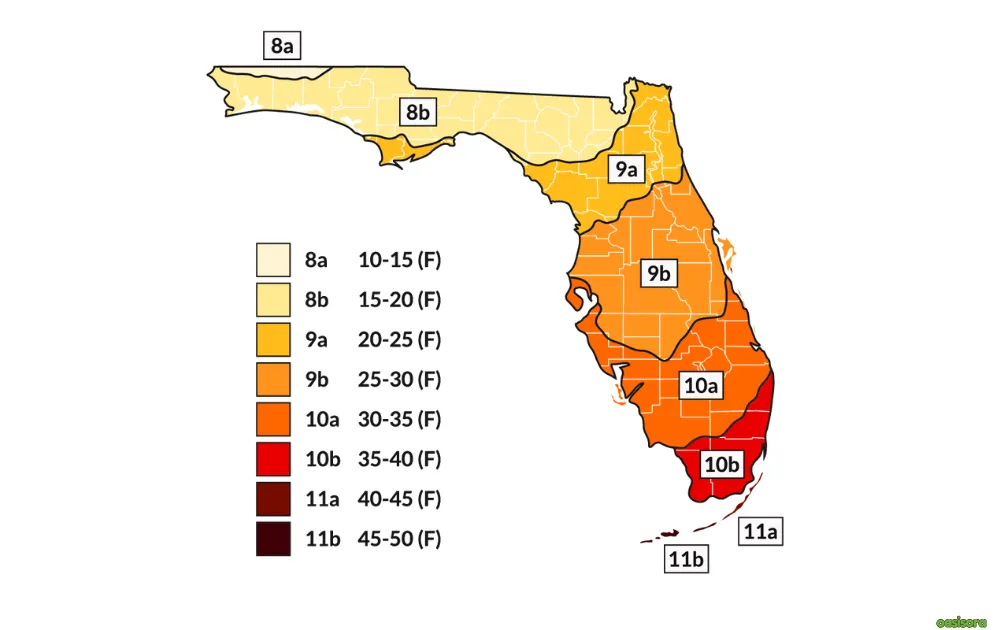
According to the UF/IFAS plant hardiness guide, Florida falls into warm zones that shape how each palm grows and handles cold. South Florida, Central Florida, and North Florida each feel a little different, and these small changes shape how palms grow. The lower part of the state stays warm almost all year, while the middle gets gentle cool days, and the top part can feel colder at times. Because of this, some Florida palm trees stay happy down south, while others do better a bit farther north.
USDA Zones 9–11
Florida is primarily located in USDA Zones 9 through 11, which helps you determine which palms can withstand colder nights. Zone 9 may bring brief chilly bursts. On the other hand, Zone 10 experiences minor dips, while Zone 11 is warm and gentle. When I first checked zones for my own yard, it helped me pick the right type of palm tree that stayed steady even when winter felt sharp for a day or two.
Coastal vs. Inland Conditions
Coastal areas bring salty winds, steady breezes, and loose sandy soil. So, Florida palm trees near the shore need to handle both salt and open air. On the other hand, Inland areas feel calmer, with softer wind and soils that hold water a bit better. This way, you can choose a palm tree that can fit your yard well, growing well in that place, regardless of the surrounding environmental conditions.
Best Types of Palm Trees for Florida Landscapes
Although many kinds of palms grow well in warm sunlight and soft, loose soil, each type gives a yard a different look. However, you have to carefully pick the palm that fits your yard, since some grow small and neat while others become tall and wide. Knowing the different types of Florida palm trees is crucial. Remember, being informed of their characteristics will help you grow the right ones to have a calm and bright yard all year round.
Let’s get to know them one by one in detail.
A) Native Florida Palm Trees
Native Arizona Palm
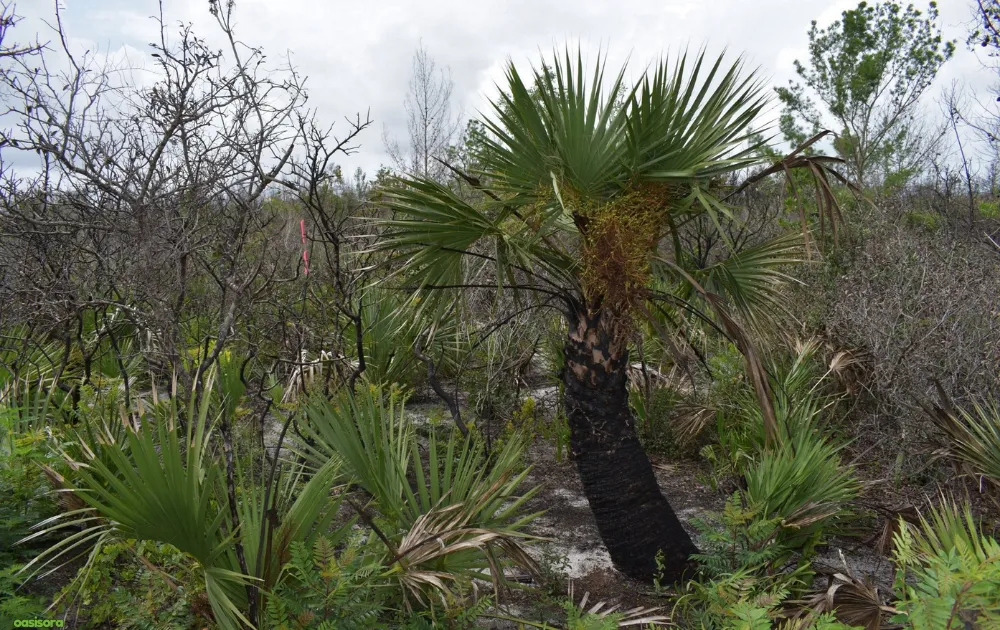
Native palms in Florida grew long before busy towns and roads, so they stay strong with little care. Also, they fit the weather, handle dry days, and work well in yards that need simple, steady plants. When you pick a native palm, the tree settles fast and feels at home from day one.
1. Cabbage Palm or Sabal Palmetto
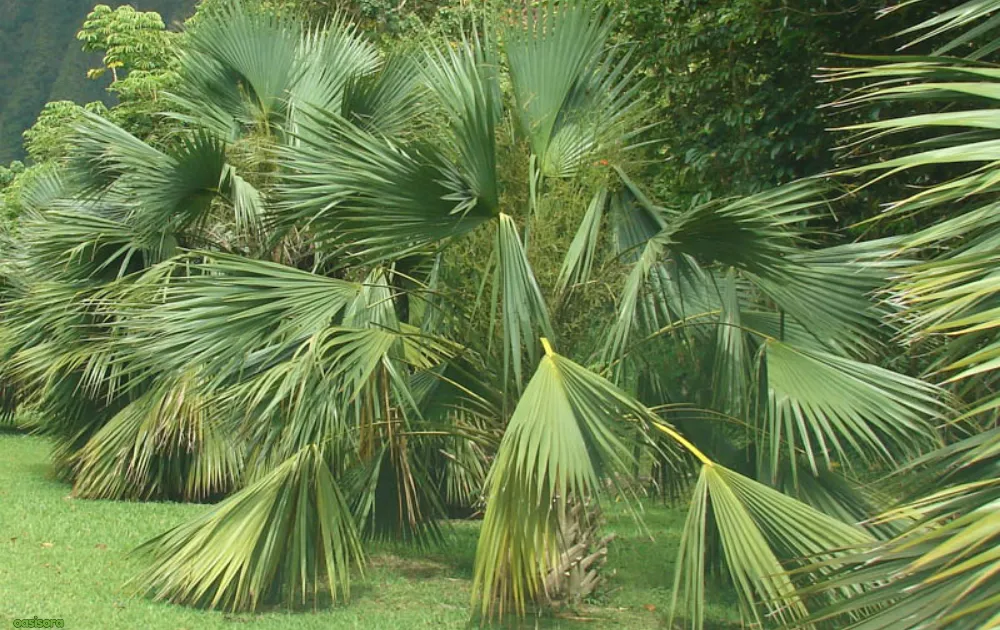
Cabbage Palm
Interestingly, this palm is part of Florida life. Many people plant it in their yards because it stays fresh with very little care. As noted by State Symbols USA, the sabal palm is Florida’s state tree and stays strong even in heat, salt, and open sun. It readily deals well with salty air, warm weather, and loose soil. I once saw one growing near a busy road, and it stayed strong the whole time, which showed me how steady this tree can be. That’s why it fits both coastal areas and quiet inland yards. Also, it sits well in many different places with tough environmental conditions.
2. Saw Palmetto or Serenoa Repens
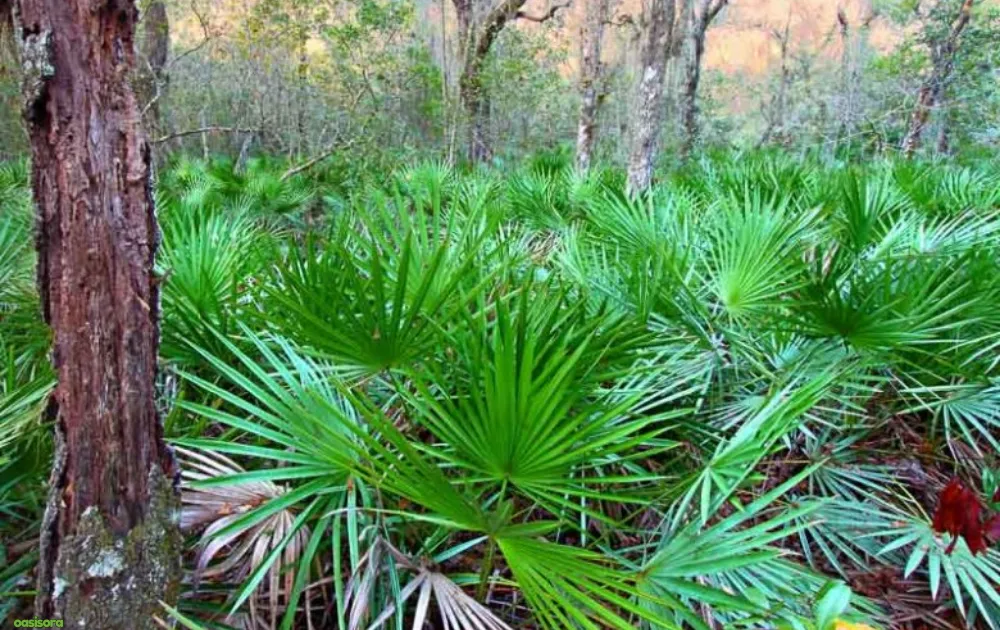
Saw Palmetto
This palm stays low while spreading wide, so it covers the ground in a neat way. It likes dry soil, open sun, and long warm days. When you add it to a natural yard, it brings a wild, soft look that birds and small animals enjoy. You should choose this palm if you want a place that is peaceful and close to nature. Additionally, it looks good with other Florida trees in the yard.
3. Florida Thatch Palm or Thrinax Radiata
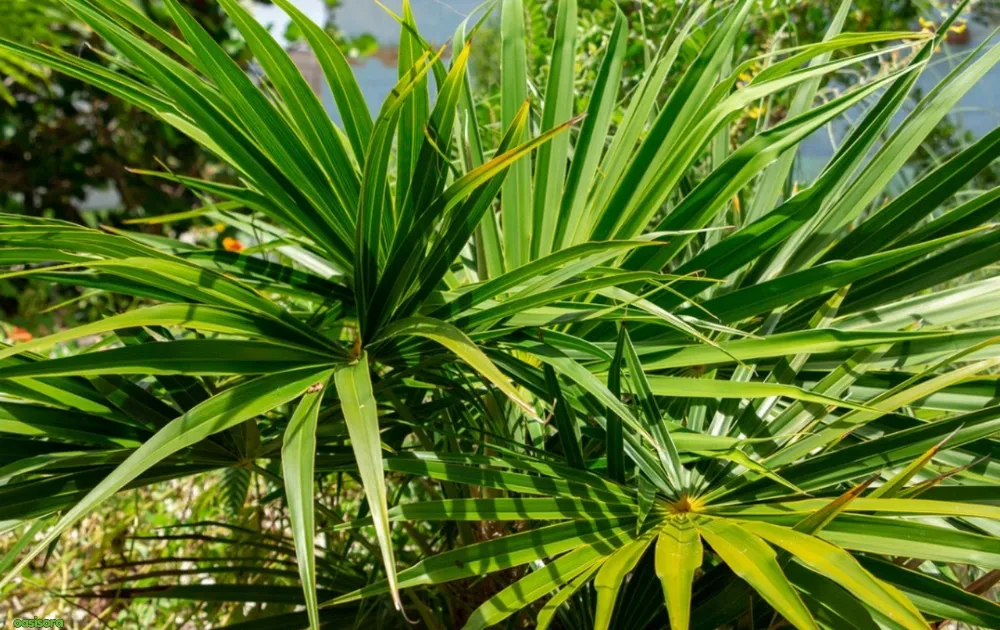
Florida Thatch Palm
Such Florida palm trees grow slowly and stay neat, so they work well in tight garden spaces. Their soft leaves move gently when the wind passes, giving the area a calm feel. Moreover, these add a clean touch to modern yards, fitting nicely in warm and tropical spaces.
B) Popular Ornamental & Landscape Palms
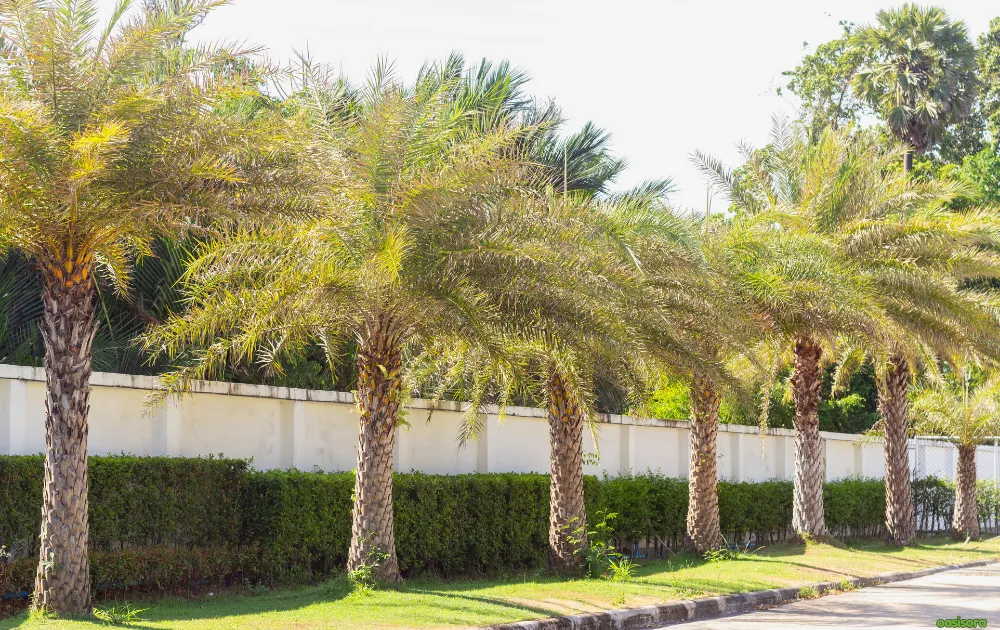
Ornamental Landscape Palms
Ornamental Florida palm trees bring color, shape, and height to a yard. Many people pick them when they want to give their yard a bold look. They stay bright in warm sun, and most grow well in open spaces where their wide leaves can move softly in the air. When I added one near my own gate, it changed the place right away and made the front path feel the most welcoming.
1. Bismarck Palm or Bismarckia Nobilis
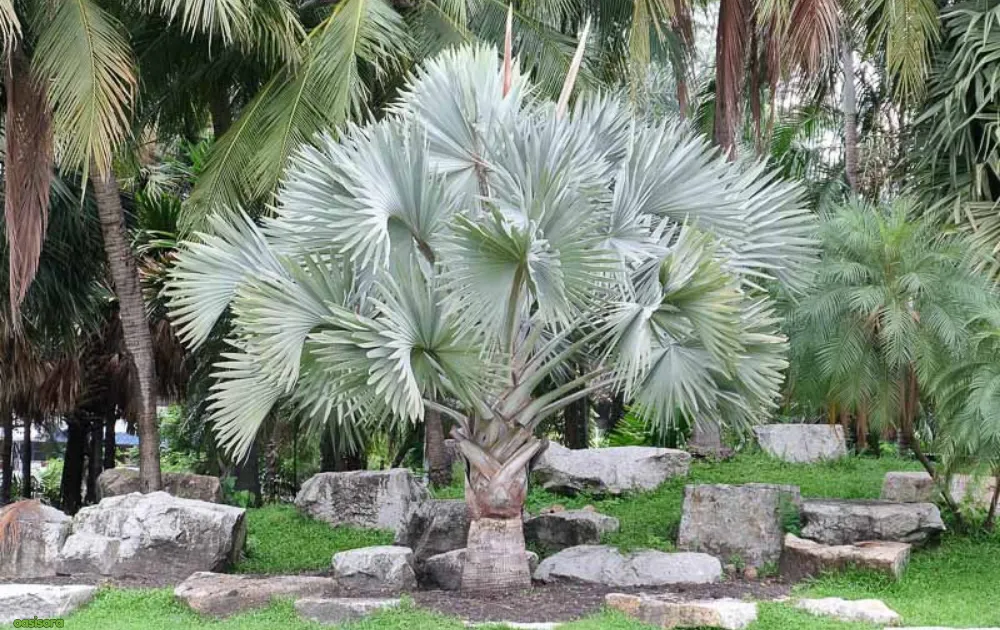
Bismarck Palm
This palm stands out because of its big silver-blue leaves that open wide like a fan. Its soft color shines in the sun and gives a bold, calm look to any yard. However, remember, it needs room to grow, so it fits best in open spaces or wide lawns.
2. Royal Palm or Roystonea Regia
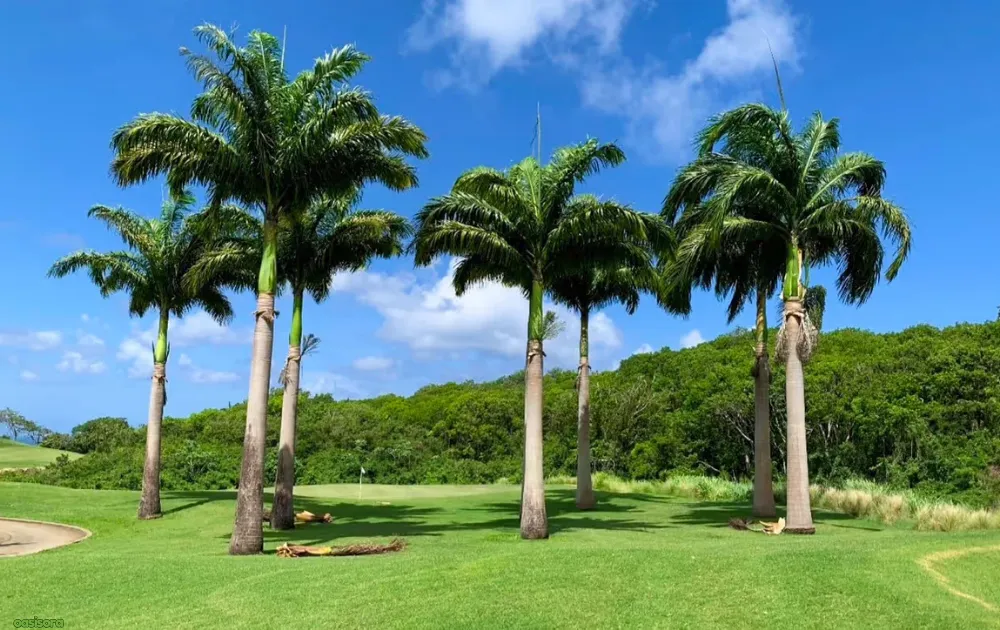
Royal Palm
This tall palm is common along warm boulevards and bright resort paths. Its smooth trunk and full green top make it easy to spot from far away. It likes steady water and good plant food. With simple care, it grows into a strong, tall tree that lifts the whole space, just like many other healthy Florida palm trees do.
3. Foxtail Palm or Wodyetia Bifurcata
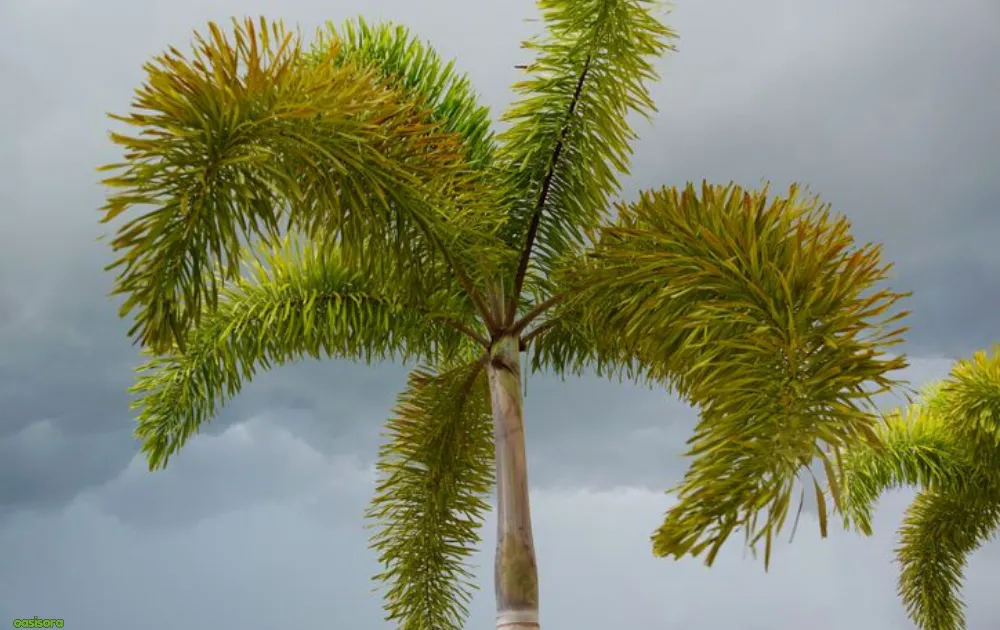
Foxtail Palm
The soft and fluffy leaves of the foxtail palm open up like a soft fan. Its clean shape looks good in many Florida homes. Also, it gets about average size, so it does well near paths and bright, open areas. According to a study from the University of Hawaii, foxtail palms do well in full sun and can handle strong ocean winds. This means they are easy to take care of in Florida’s warm weather.
4. Canary Island Date Palm or Phoenix Canariensis
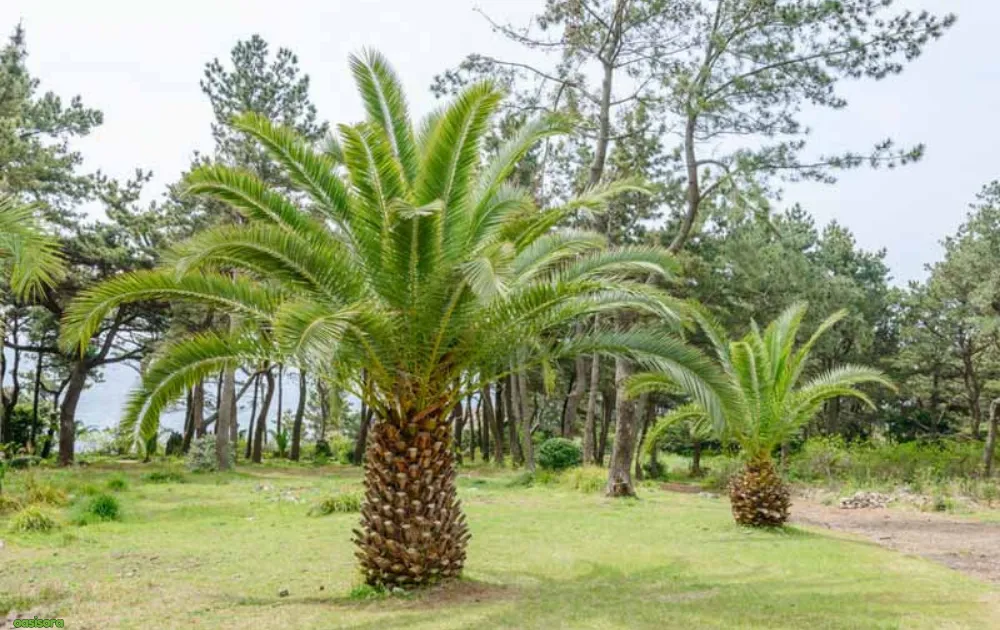
Canary Island Date
People often see this palm in resorts and big parks because it has a rich and grand look. It is one of the best Florida palm trees that really stand out. It grows slowly, but when put in open ground, it gets wide, tall, and strong. Moreover, as it has a thick base and deep roots, the tree does best in yards that are roomy.
5. Coconut Palm or Cocos Nucifera
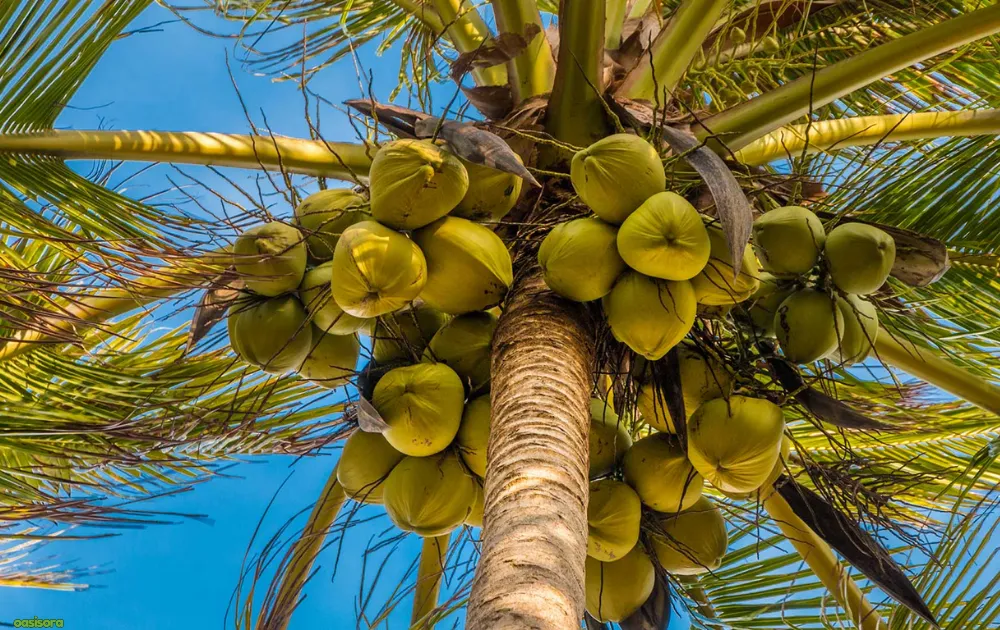
Coconut Palm
This palm is one of the true signs of warm Florida life. It has long, light leaves that move softly in the breeze. Especially, it grows best near the water, where it stays peaceful at night, and the soil drains quickly. South Florida is the best place for it because it dislikes cold air. Impressively, it gives any open yard a bright, tropical feel. I’ve personally seen how quickly it enlightens a yard with just one tree in the sun.
6. Pindo Palm or Butia Capitata
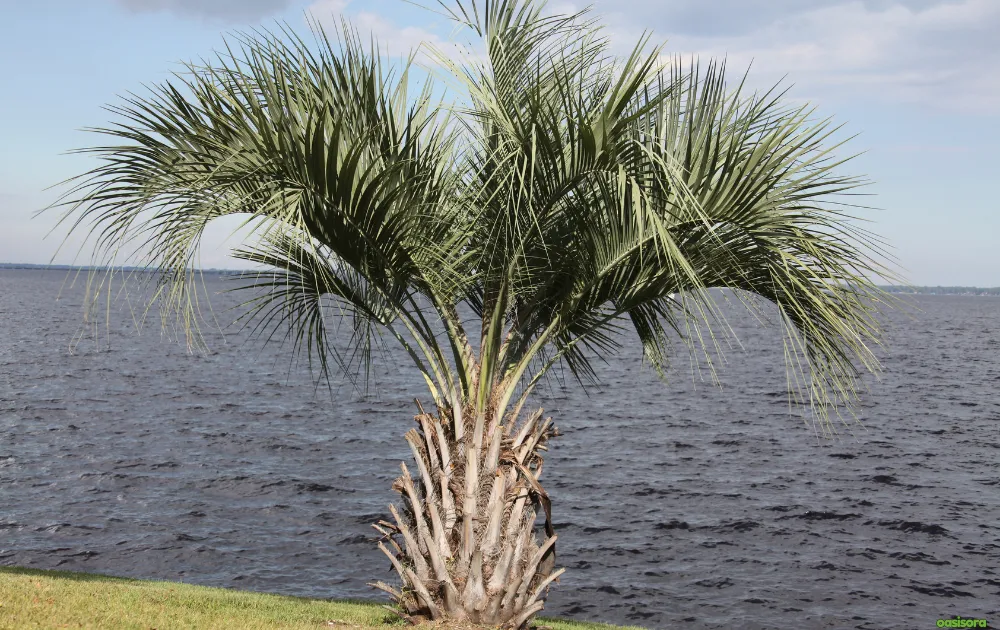
Pindo Palm
The pindo Florida palm trees stay strong in cooler parts of the state, making it a good pick for North and Central Florida yards. Its curved, blue-green leaves hang gently, giving the yard a soft and calm look. Also, it makes small and sweet fruit. Many people plant it and enjoy its slow, steady growth with delicious fruit because it does not need much care.
7. Areca Palm or Dypsis Lutescens
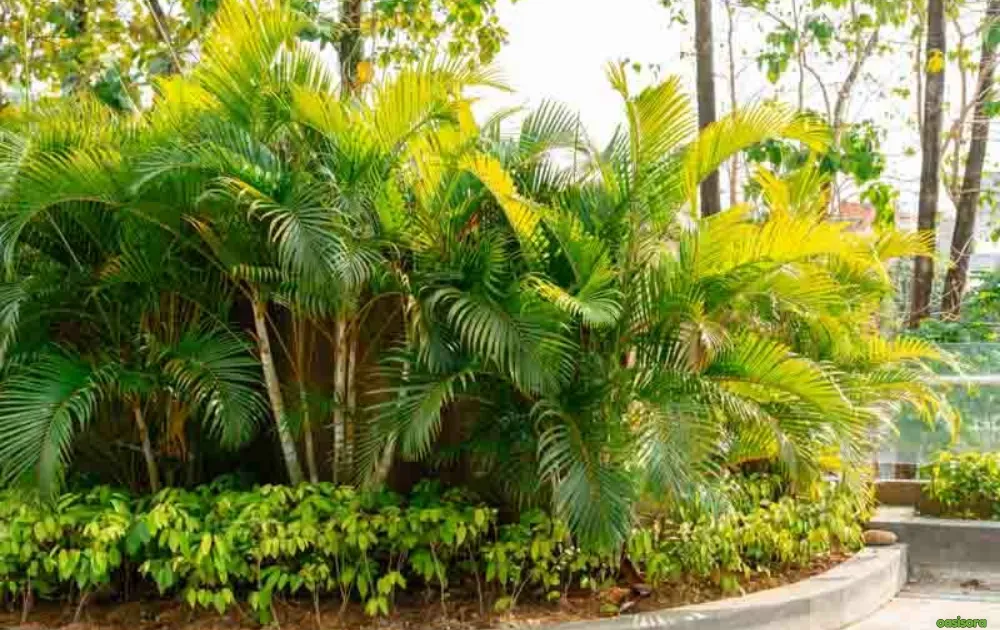
Areca Palm
This palm grows many thin stems that rise close together, creating a soft green screen around the home. It works well for gentle privacy along fences, porches, or side paths. Also, it stays bright in filtered sunlight and brings a fresh, light feel to any small space with simple watering and care.
8. Mexican Fan Palm or Washingtonia Robusta
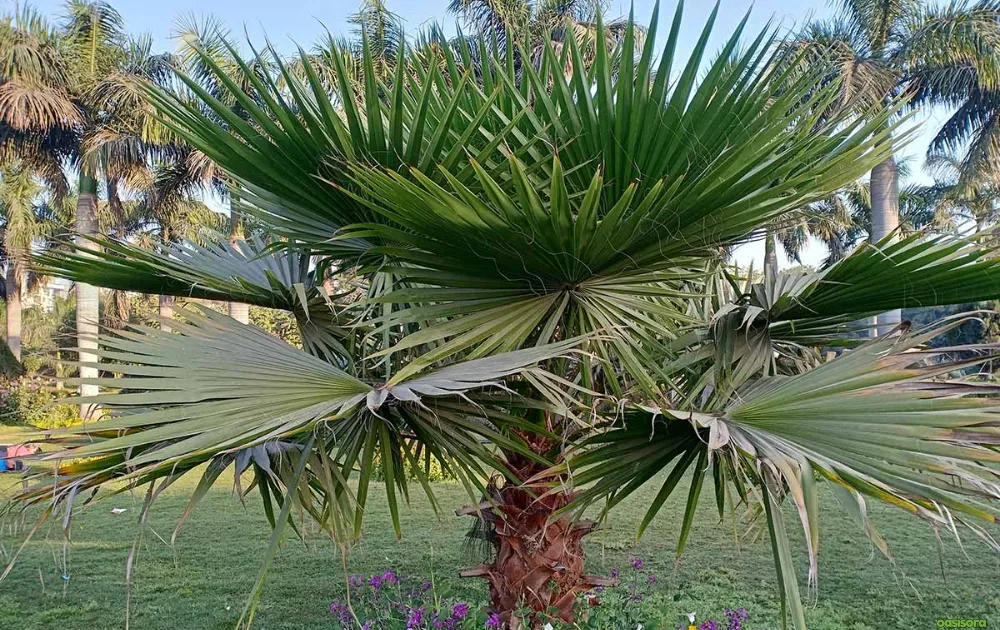
Mexican Fan Palm
This tall, fast-growing palm is easy to spot in many busy Florida towns because it handles heat and sun with ease. Moreover, its strong trunk rises high, while its wide leaves form a smooth, round top. It stays low-maintenance most of the year, but trimming old fronds keeps the tree neat and clean over time.
Dwarf and Small Florida Palms Trees for Limited Spaces
Some yards need small plants that stay neat and calm; this is where tiny Florida palms come in. These palms fit tight corners, small porches, or shaded spots, and they add a soft green touch without taking much space. When I placed a small palm near my own door once, it made the space look aesthetic right away.
(i) Lady Palm or Rhapis Excelsa
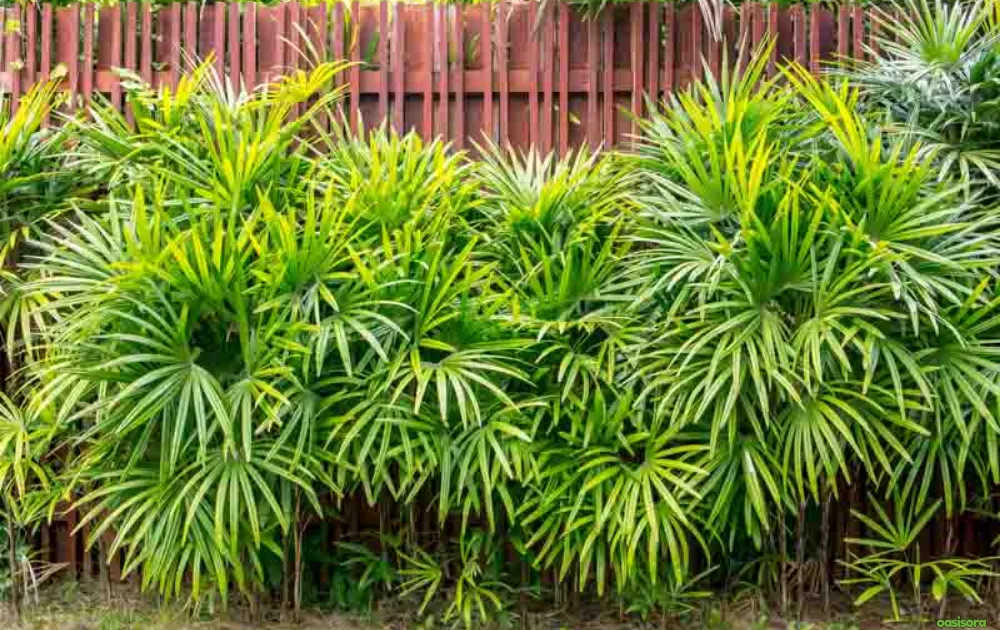
Lady Palm
This particular lady palm is a good choice for indoor or shady spaces because it grows slowly and stays short. Its delicate green leaves and thin stems create a pleasant, peaceful appearance that looks good around windows or calm nooks.
(ii) Pygmy Date Palm or Phoenix Roebelenii
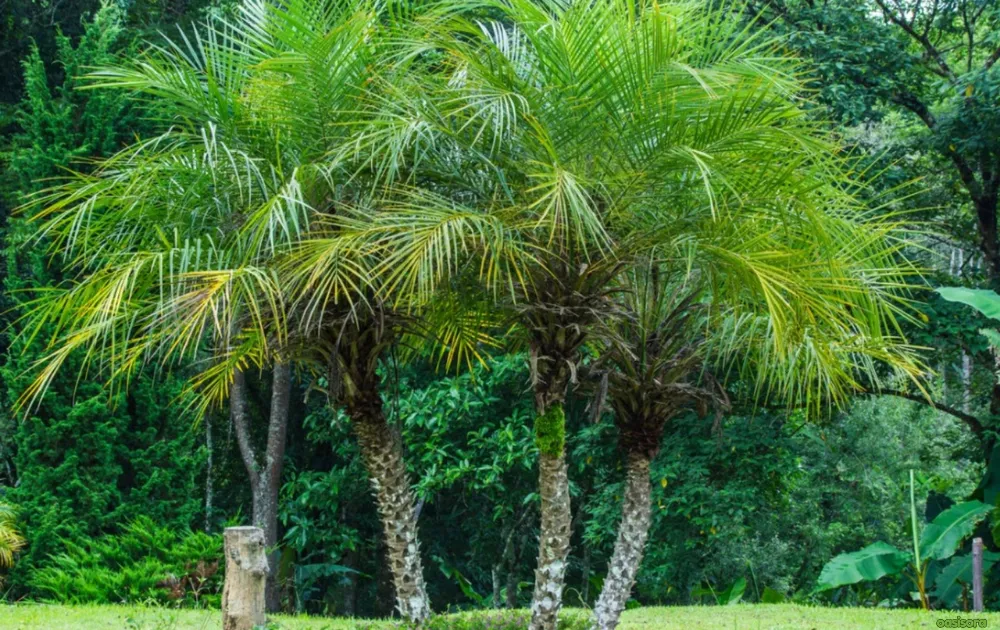
Pygmy Date Palm
It stays small and neat. Its leaves softly fall to the sides. Overall, it gives small yards a smooth, elegant shape and grows well next to paths, patios, or sunny spots with little room, making it the most gentle choice among all other Florida palm trees.
(iii) Parlor Palm or Chamaedorea Elegans
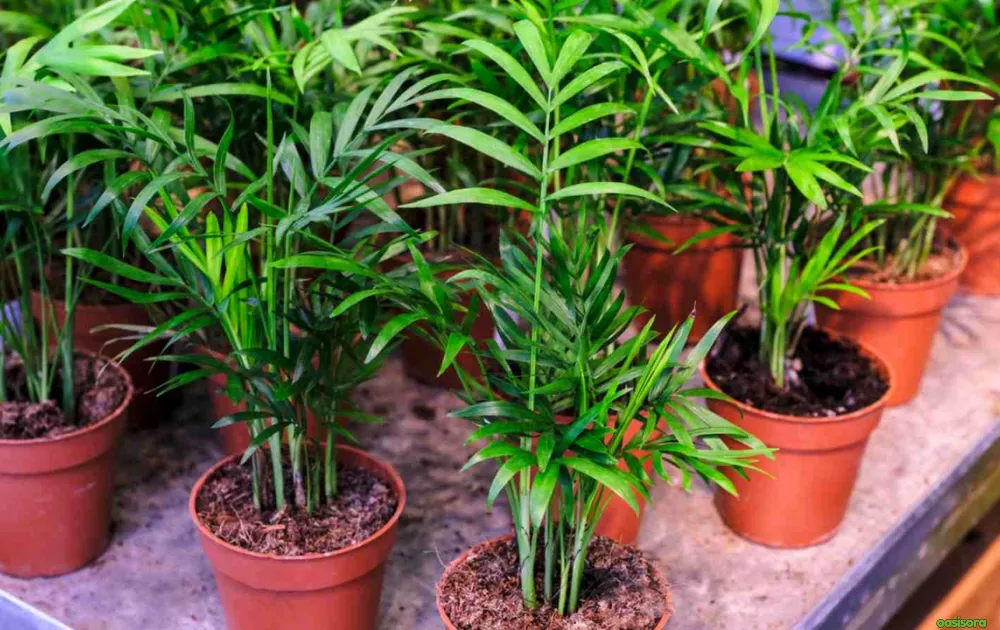
Parlor Palm
The parlor palm likes soft light and grows well in containers, making it a simple choice for porches and small patios. It stays short and clean, and its fine leaves add a soft, fresh touch to any small space. My neighbor keeps one by her doorway. It amazes me how it makes that small corner stand out.
(iv) European Fan Palm or Chamaerops Humilis
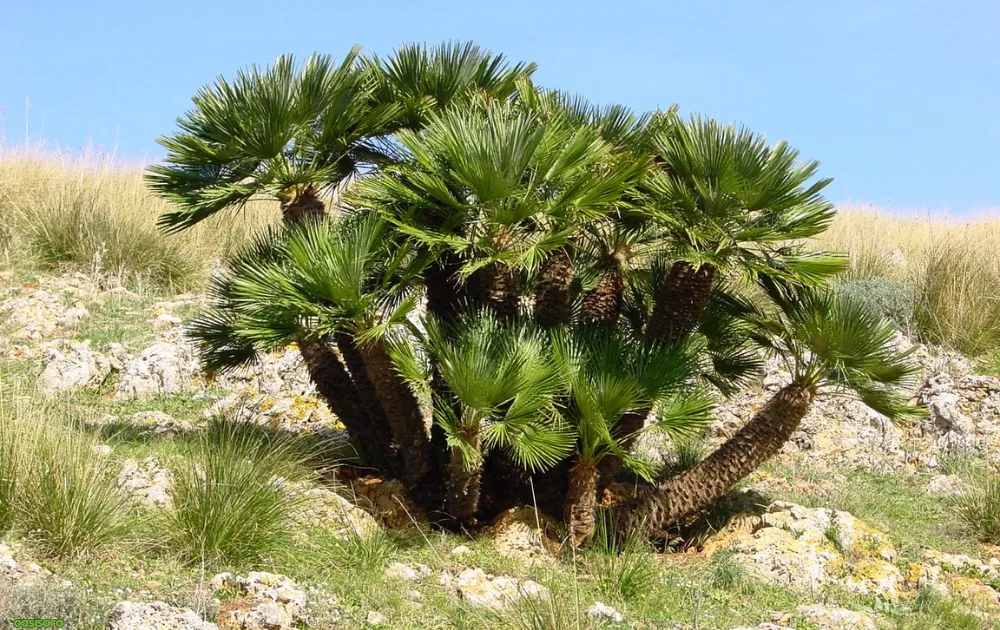
European Fan Palm
According to information shared on Chamaerops research, this hardy palm has firm leaves and more than one trunk, giving it a full, bold shape even in a small yard. Moreover, being robust, it can handle warm sun and light cold very well.
How to Plant Palm Trees in Florida?
No doubt, the appropriate planting of Florida palm trees helps them grow steadily and brightly all year round. Especially, choosing the best place to plant matters a lot. When you pick a spot with soft sun, open air, and soil that drains well, the tree settles fast and stays firm both on warm and cold days.
I learned the key essentials when I planted one near my porch, while the tree grew better when I moved it to a sunnier corner.
1. Choosing the Right Spot
Florida palm trees typically need good light to stay green. So, always choose a spot where the sun reaches the leaves for most of the day. Secondly, make sure the tree has space to spread out, and use soil that drains well so water doesn’t gather around the roots. Loose, sandy soil significantly helps the roots hold the tree firm, especially when the wind moves around it.
2. Proper Planting Depth and Initial Watering
Secondly, always maintain the same depth of the palm trees in the ground as they were in the pot. Trees grow more slowly when their trunks stay wet. After setting a tree in its place, press the soil gently around the base and water it well so the roots touch the fresh soil. Keep the ground moist in the first few weeks, but do not let it stay soggy.
3. Ideal Planting Seasons
Spring and early summer are the best times to plant because the warm days help the roots grow fast. Additionally, the soft rain in these months gives the soil steady moisture, and the tree settles in without any stress. Planting at this time makes the palms in Florida get ready for the long sunny season ahead.
Fertilizing & Watering Florida Palm Trees
Palm Tree Maintenance
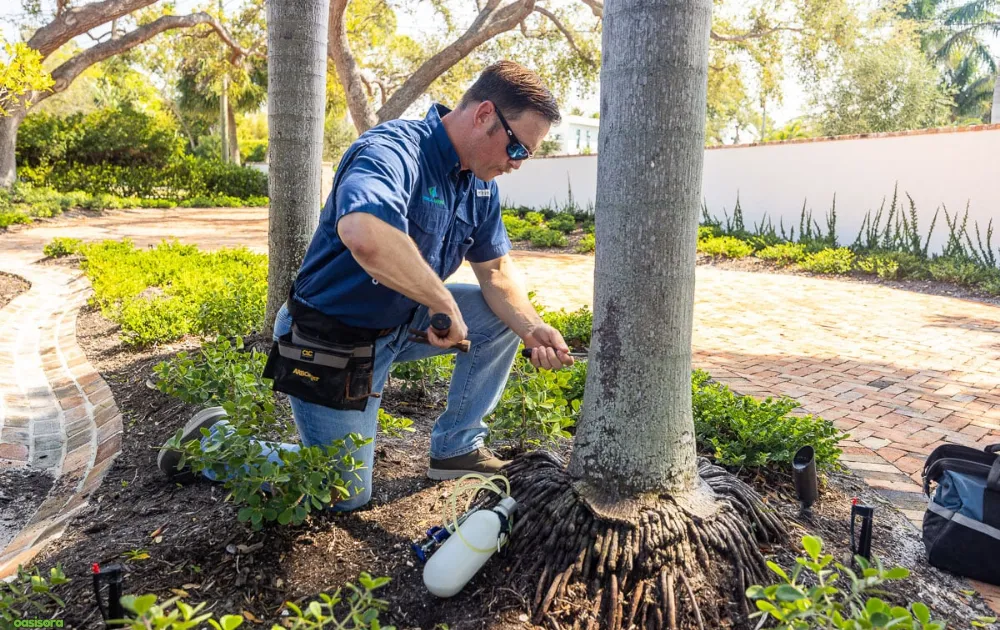
Nevertheless, good care keeps palm trees long-lasting, especially when the right mix of food and water helps the leaves stay bright through warm days. When I followed a simple routine for my own palm, the fronds opened better, and the tree looked fresh for a prolonged time.
Learn the following things before growing palm trees in your yard so that they stand out without worries.
- Importance of Slow-Release Palm Fertilizers
Palms typically like slow food that melts into the soil bit by bit. A slow-release mix feeds the roots gently, so the tree grows at a steady pace. Moreover, this type of specialized plant food keeps the leaves green, helps the trunk stay firm, and protects the tree from weak spots that show up when the soil runs out of nutrients too fast.
- Nutrient Deficiencies to Watch For
When the soil runs low on key minerals like magnesium, potassium, or manganese, many Florida palm trees start showing signs of stress. The leaves may turn pale, the tips can dry out, and some fronds begin to curl because they are not getting the support they need. As these nutrients help the tree keep its color and shape, when they drop, the whole plant slows down.
A good palm fertilizer fills in these missing parts and gently brings the nutrients back. With steady feeding over the year, the tree holds its color better, grows new fronds smoothly, and stays firm even in warm weather.
- Proper Irrigation Schedules to Prevent Root Rot
Florida palm trees usually need water to settle in, but too much can hurt the roots. Let the top layer dry a bit before you water again, and keep the soil damp instead of muddy. New palms drink more in the first few days, but once they settle, light and steady watering is enough. This keeps the roots firm and out of soggy soil, which helps stop rot in trees.
I learned this after I watered one too often and saw the soil stay wet for days. Now, I always check the top layer before adding more.
Common Problems and Solutions
Some palms face small issues, but simple care keeps them steady. I have seen a few of the following prevalent problems among the trees in my own yard. Fixing them early always helps keep an entire yard healthy.
Now, let’s see those problems and know their respective solutions one by one below:
1. Cold Damage During Florida Snaps
Cold Damage
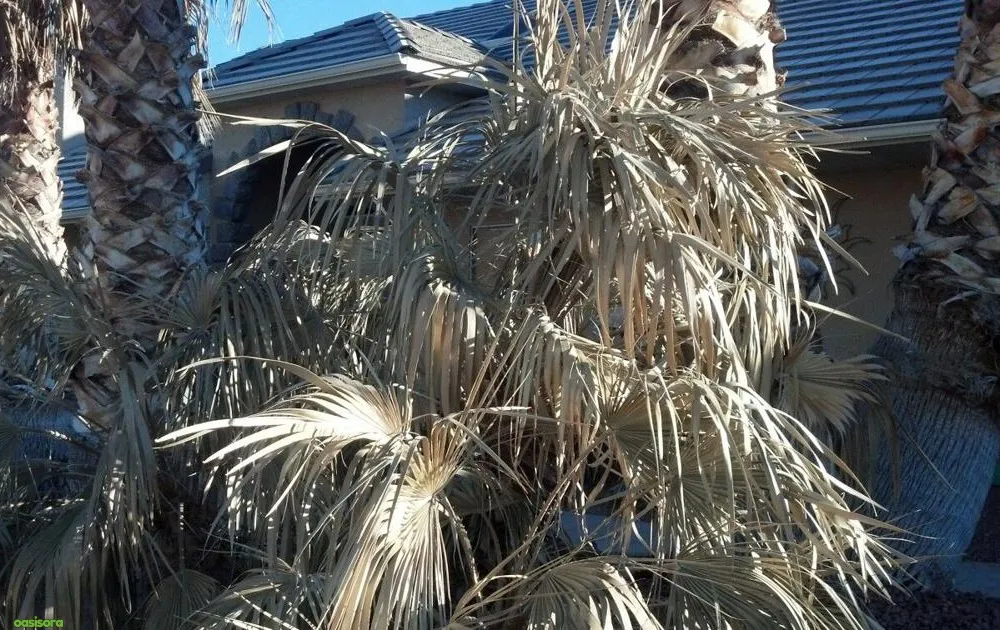
Short cold waves can make leaves turn brown or become soft. Covering the palm with a warm cloth on cold nights helps protect the new leaves at the top. Additionally, placing mulch around the base also keeps the roots warm and safe, which is important for Florida palm trees, especially during cooler days.
2. Pests: Palm Weevils, Scale, and Whiteflies
Pests Attack
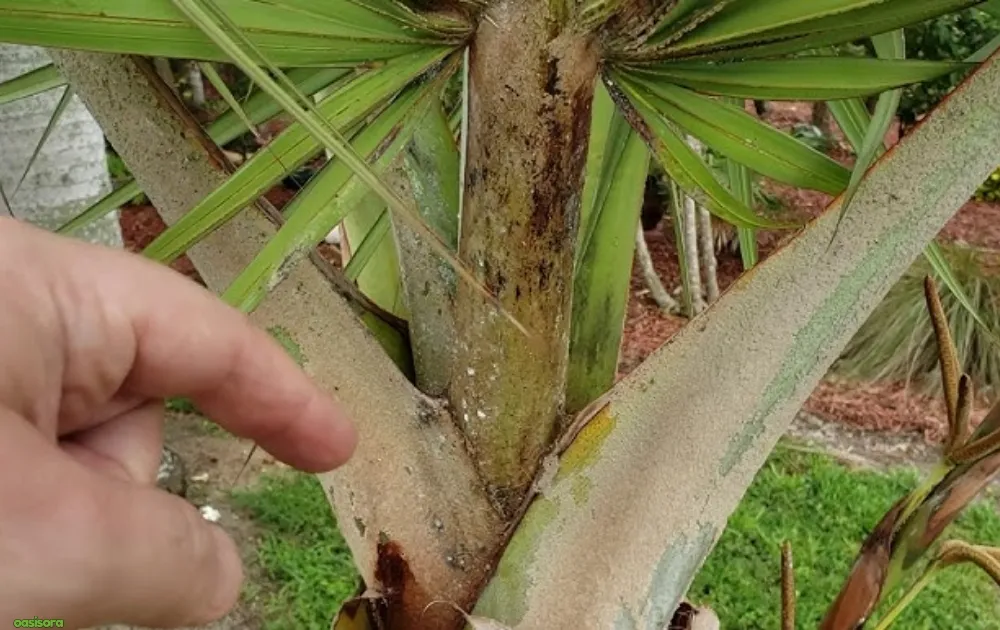
Tiny pests sit quietly on the leaves and make the trees weak. I once noticed soft white patches on a small palm at my home, and a light wash with soapy water cleared everything. Keeping the leaves clean and giving steady water helps the tree stay firm and protected against pests.
3. Diseases: Lethal Yellowing, Bud Rot, and Root Fungus
Lethal Yellowing
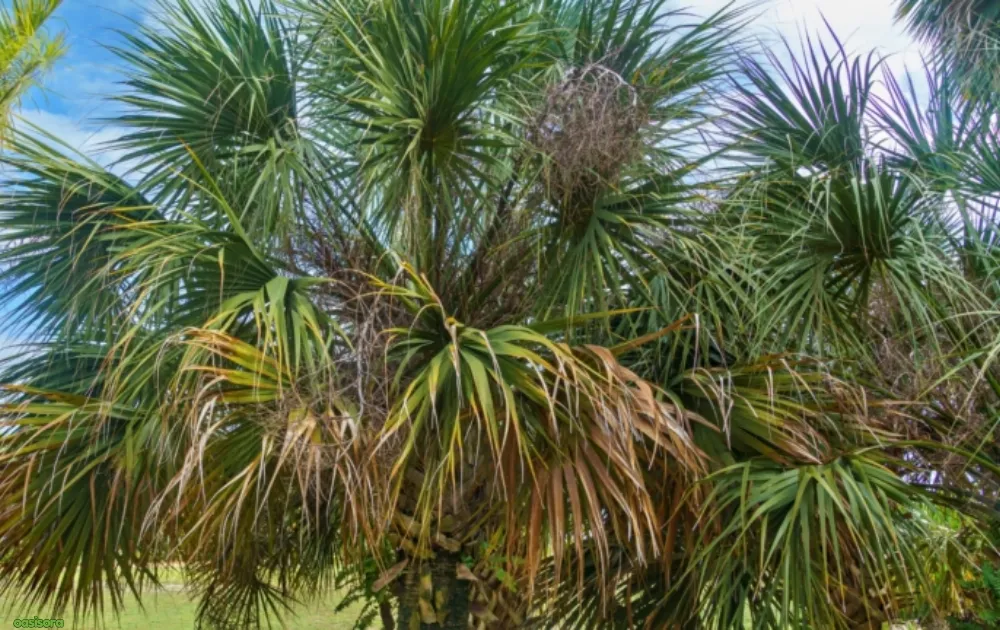
Some diseases spread fast and harm the heart of the tree, especially in warm weather. Lethal yellowing is one such issue that majorly affects Florida palm trees. It usually happens if the soil stays too wet or the plant gets weak. Dry soil, small feeds, and quick checks can help the tree avoid yellowing and rotting issues.
4. Nutrient Issues: Yellowing or Frizzled Fronds
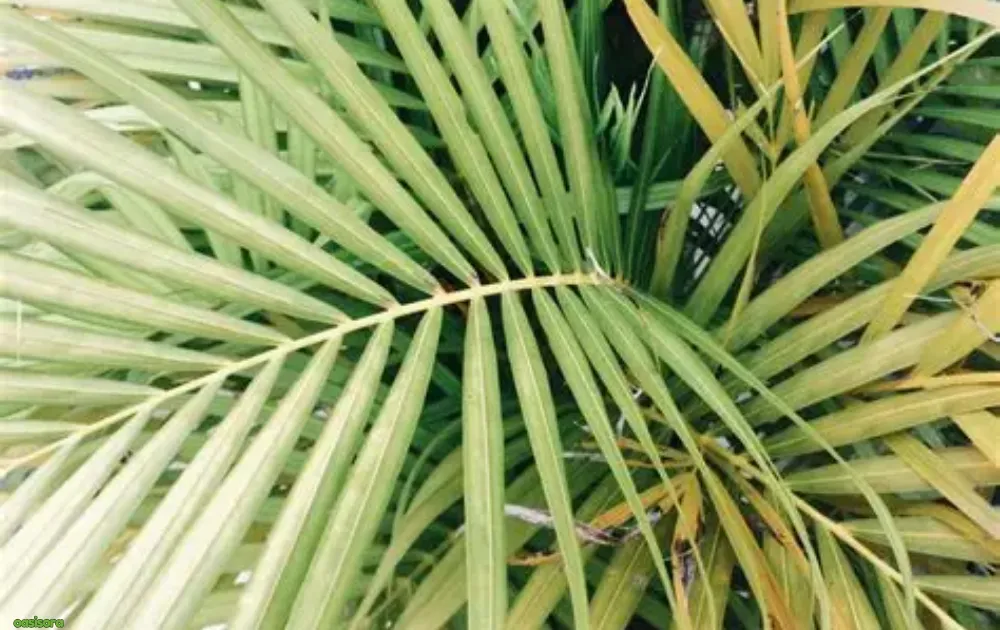
Frizzled Fronds
When the soil runs low on key minerals, the leaves can turn pale or dry out at the tips. A good palm mix covers these missing parts and helps the fronds look green again. Furthermore, gentle feeding now and then keeps the tree healthy and bright for a long time.
Palm Tree Maintenance & Pruning Tips
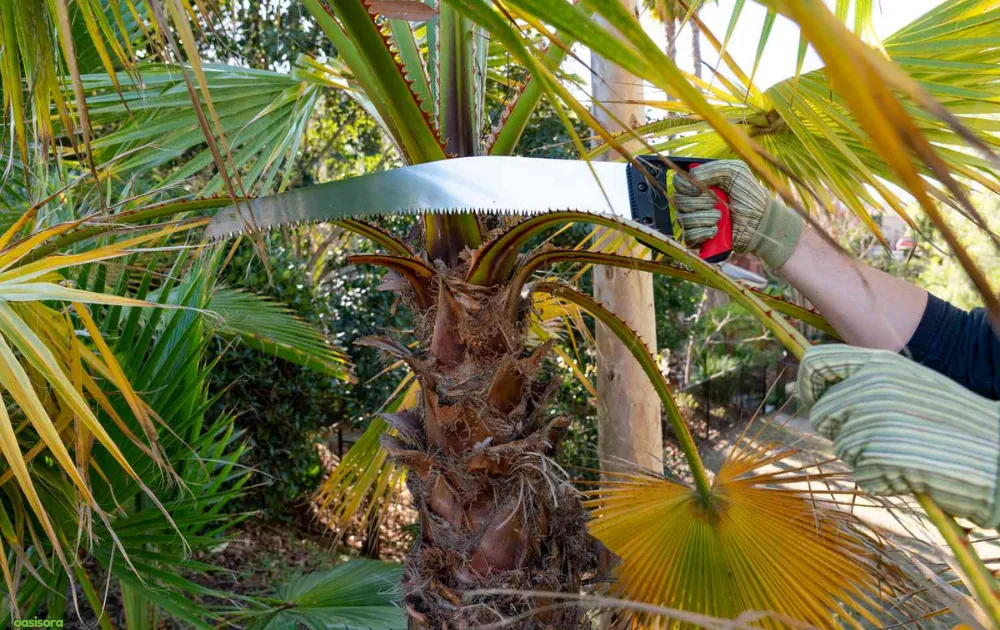
Palm Tree Maintenance & Pruning
No doubt, good care keeps a palm neat and healthy, and small steps help the tree stay vibrant, particularly in the warm seasons. I learned this when I trimmed a palm in my yard, and a soft, careful cut made the tree look fresh right away.
When and How to Prune Palm Fronds Safely?
Prune only old, dry, or brown fronds so the tree does not lose its strength. Make clean cuts near the base of the old leaf, and avoid the new green fronds at the top. Light pruning keeps the tree safe and helps fresh leaves grow strong, which matters a lot for healthy Florida palm trees.
Avoiding Hurricane Cuts
Cutting too many fronds at once can weaken the tree and make it bend in the wind. A hurricane can take away healthy leaves, leaving the top open and harming the palm. When the tree keeps more of its green leaves, it has enough weight to stand straight even in rough winds.
Best Tools and Techniques for Palm Maintenance
Use clean, sharp tools so each cut stays smooth and gentle on the trunk. Wipe the blade before and after trimming to stop germs from spreading. Move slowly, check the leaves one by one, and work from the dry outer fronds toward the healthy center. Being careful by following these tips helps palm trees stay strong and safe while you work on them with tools.
Florida-Friendly Landscaping with Palms
Florida palm trees fit well with many parts of a yard. Even their simple choices can make the space refreshing and attractive. When I added small plants under a palm in my yard, the whole corner looked soft and bright, showing me how little touches can change the entire feel of a place.
Pairing Palms with Native Shrubs, Grasses, and Groundcovers
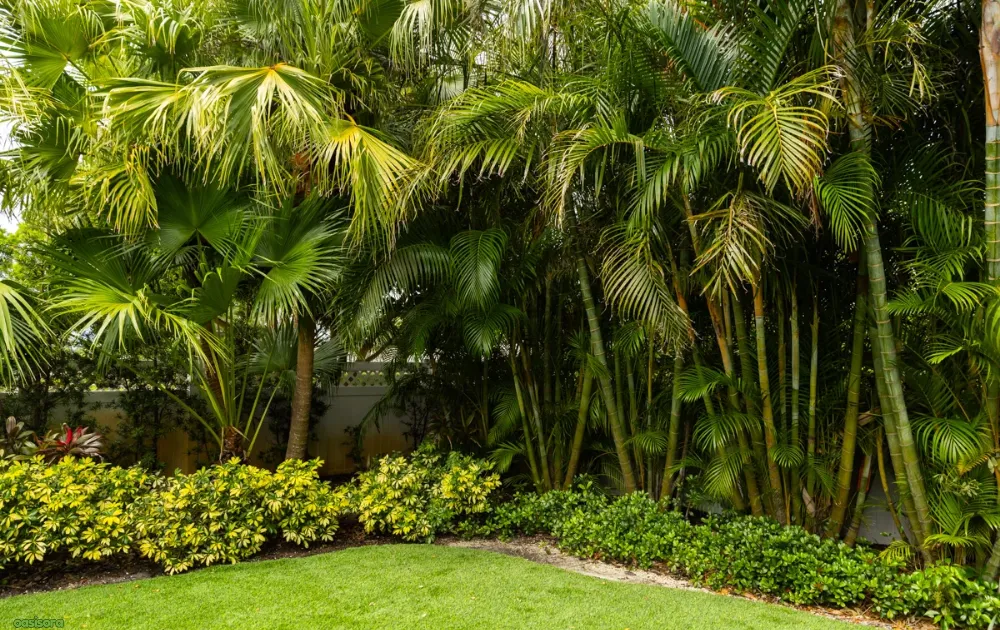
Palms with Native Shrubs
Florida palm trees especially look nice when you place native plants around them because these plants like the same warm light and loose soil. You can use soft grasses near the base to fill empty spots, or add small shrubs to bring color. Additionally, groundcovers help keep the soil cool and neat. Also, they make the space look full without needing much care.
Designing for Shade, Privacy, and Tropical Appeal
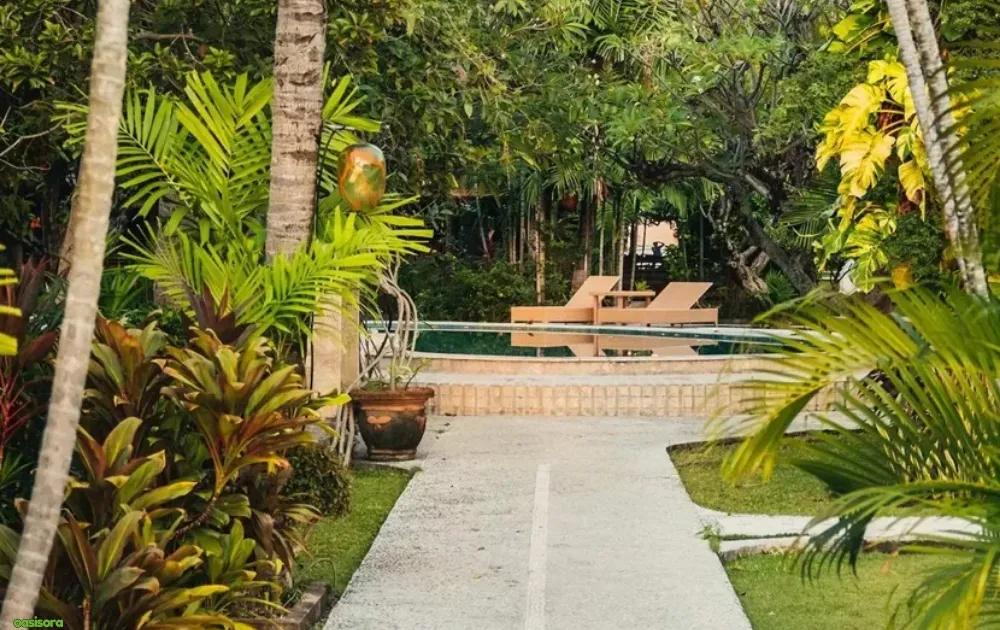
Shade, Privacy, and Tropical Appeal
Tall palms make light shade that feels calm in warm weather, and you can use this space for a small seat or a simple path. In addition, short palms near fences or porches help create gentle privacy without blocking air. Mixing palms of different sizes gives a tropical touch, and the yard feels colorful, fulfilling, and layered without feeling heavy.
Water-Efficient Landscaping Ideas with Palms
Water-Efficient Landscaping
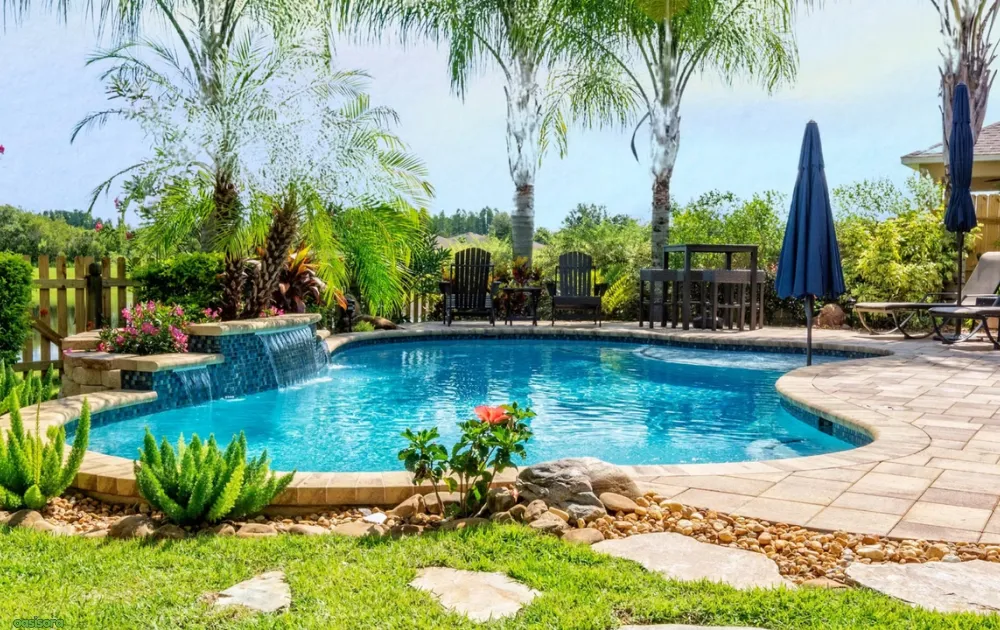
Florida palm trees grow well in soil that lets extra water move away fast, so they fit yards where you want to save water. Moreover, a layer of mulch around the base keeps the ground cool and slows down drying, which helps hold water longer on warm days. You can also pick small plants that need the same light and soil, so the whole area stays fresh without heavy watering. A simple drip line works well, too, as it gives the palm slow, gentle water right near the roots.
Final Thoughts
Choosing the right palm for your Florida home becomes easy when you consider and take into account their size, simple care needs, and how well each tree handles cold in the area. Native palms stay steady with less work, while exotic palms bring new colors and shapes but may need a little extra care. Each type can brighten the yard and keep it beautiful when you put it in the right spot.
Nevertheless, the best match comes from Florida palm trees that suit your area. If needed, you can always ask a local nursery or arborist to guide you toward the tree that will stay healthy in your soil and weather. Indeed, a tree that fits your space always grows better and keeps the yard looking awesome for a prolonged time.
FAQs
Which palm tree grows best in Florida?
Many types grow well, but native choices like the cabbage palms stay strong in most areas of the state. They handle heat, wind, and sandy soil well, so they stay healthy with very simple maintenance and care.
Are Florida palm trees easy to care for?
Yes, most palms stay happy with light watering, good sun, and slow-release food. Once they settle, they do not need much work and can remain refreshing even through warm months.
Can palm trees survive cold weather in Florida?
Some palms can handle short cold snaps, especially in the north. Others, like soft tropical types, grow better in warm South Florida. Matching the palm with your zone keeps it safe and growing well.
How much water do Florida palm trees need?
New palms need steady water until they root well. After that, slow, deep watering helps the tree stay strong without soaking the soil. Ultimately, this keeps Florida palm trees safe from rot.
Do palm trees grow fast in Florida?
Some palms grow a bit faster in warm sun, while some stay slow and steady all year. However, each palm grows quicker or slower based on its type, the soil under it, and the amount of sun it gets each day.
1 thought on “Florida Palm Trees: Best Types, Care Tips & Growing Guide”
Comments are closed.